


 ნახვა ინტერьерში
 გაგზავნა
 გაზიარება
 დეტალები
 გზამკვლევი

 ჩამოტვირთვა
 მსგავსები
 რენტგენოგრაფიული კვლევა
 სლაიდშოუ
 სტატისტიკა
The Circus


 სრული ტექსტის ნახვა
გიკლე / ხელოვნების პრინტი
მუზეუმის დონის ჟიკლე ან ტილოზე ბეჭდვა სწრაფი წარმოებისა და დასრულების მოქნილი ვარიანტებით. ( შეიძინეთ ხელით შესრულებული ნახატი გადასვლა ციფრულ გამოსახულებაზე)




P118B ₾10

P118H ₾10

P118W ₾10

P438Z ₾10

P508JH ₾12

P508YH ₾12

P805H ₾10

P805Z ₾10

P919BZ ₾10

P919G ₾10

P919XJ ₾10

P959ZH ₾10

P968JZ ₾12

W106C ₾8

W218G ₾10

W218JH ₾8

W218Y ₾10

W307PJ ₾10

W316G ₾10

W316PJ ₾8

W316Y ₾10

W398PJ ₾8

W4111J ₾10

W500HY ₾15

W500JH ₾15

W692G ₾12

W849H ₾8

W940BG ₾15

W953PJ ₾8




აირჩიეთ ჩვენს მიერ წინასწარ განსაზღვრული ზომებიდან, რომლებიც ნაწარმოების ორიგინალურ პროპორციებს შეესაბამება.

შეიყვანეთ თქვენთვის საჭირო სიგანე და სიმაღლე, რათა იგი მოერგოს თქვენს ჩარჩოს ან კედელს. ბეჭდვისას შესაძლებელია მხოლოდ მისი შემცირება და არა გაზრდა, ამიტომ სხვა ფორმის ზომის შემთხვევაში გამოსახულება ნაწილობრივ იკარგება. სანამ რაიმეს დაბეჭდავთ, ჩვენ გამოგიგზავნით ციფრულ მაკეტს დასდასტურებლად. ამ გვერდზე ნაჩვენები სურათი არ ასახავს რეალურ ჭრას — ამას მხოლოდ მაკეტი გვიჩვენებს.
მიწოდება მთელ მსოფლიოში () 2 კვირაში, სტანდარტული 4/5 კვირის ნაცვლად. (17 ოქტომბერი)

უფასო ექსპრეს მიწოდება მთელ მსოფლიოში

მაღალი ხარისხის ტილო

ტრანსპორტირების სრული დაზღვევა

საბაჟო გადასახადების დაბრუნების გარანტია

ფერების სრული შესაბამისობის გარანტია

დაბრუნების 100-დღიანი პერიოდი (მხოლოდ წარმოების დეფექტის შემთხვევაში)

100% თანხის სრული დაბრუნების გარანტია

ფასდაკლება დიდი რაოდენობით შეკვეთისას
 მინის ჩარჩოს არჩევანი ხელმისაწვდომია მხოლოდ 110 სმ-მდე ზომისთვის

The Circus
გიკლე / ხელოვნების პრინტი
რეპროდუქციის ზომა
-


ჯამური ღირებულება
₾ 161
A Symphony of Form and Modernity
In the vibrant tapestry of early 20th-century avant-garde art, few works capture the electric pulse of a changing world as masterfully as Fernand Léger’s “The Circus.” Completed in 1918, this masterpiece serves as a breathtaking window into a moment where the traditional and the industrial began to collide. Léger, a visionary who found profound inspiration in the rhythmic precision of the machine age, does not merely depict a circus; he orchestrates a visual symphony. The canvas is a dizzying, joyful collage of movement, where acrobats, animals, and mechanical elements dance together in a choreographed chaos that feels both ancient and startlingly modern.
To gaze upon this work is to experience the very essence of Cubism through Léger’s unique lens. Unlike the more fragmented and monochromatic explorations of his contemporaries, Léger infused his compositions with a robust, sculptural energy. In “The Circus,” he utilizes flattened planes and bold, geometric shapes—cylinders, spheres, and cubes—to reconstruct reality. This technique, often referred to as "Tubism," allows the viewer to perceive the world not as a collection of static objects, but as a dynamic interplay of volumes and light. The presence of an elephant, a clock, and even architectural echoes like trains creates a sense of layered perception, mirroring how the human eye captures the fragmented, rapid-fire stimuli of modern urban life.
The Pulse of the Machine Age
The historical context of 1918 provides a poignant backdrop to this exuberant display. As the world emerged from the shadows of conflict, there was a burgeoning fascination with progress, technology, and the relentless pace of industrialization. Léger, whose early life in rural Normandy instilled in him a deep respect for physical labor and structure, translated this fascination into a visual language of strength and clarity. In “The Circus,” the circus performers are not merely entertainers; they are embodiments of vitality and resilience. The way their forms are broken down into essential, powerful shapes suggests a world being rebuilt—one that is more structured, more mechanical, yet undeniably alive.
For the discerning collector or interior designer, this painting offers much more than mere decoration; it provides a focal point of intellectual and emotional depth. The composition’s inherent energy makes it an extraordinary addition to contemporary spaces, where its bold lines can interact with modern architecture to create a sense of sophisticated movement. The interplay of disparate elements—the organic curve of an elephant contrasted against the rigid geometry of a chair or a clock—invites endless contemplation. It is a piece that demands attention, offering a sense of theatrical spectacle that can transform a room into a gallery of modern thought.
A Legacy of Visual Rhythm
Ultimately, the emotional impact of “The Circus” lies in its ability to evoke wonder. There is a profound sense of optimism embedded within Léger’s fragmented forms—a celebration of the spectacle that life presents to us. The painting captures that fleeting moment of equilibrium found in an acrobat's leap or a performer's feat, reminding the viewer of the beauty found in balance and tension. By integrating the mechanical with the human, Léger created a timeless aesthetic that continues to resonate with anyone moved by the intersection of art and life.
Owning a high-quality reproduction of this work allows one to bring this historical dynamism into the home. It is an invitation to live surrounded by the rhythmic beauty of the modern era, providing a constant source of inspiration through its masterful use of color, form, and the enduring spirit of the avant-garde.
კითხვები და პასუხები
რამდენად პოპულარულია „The Circus“ Cubist Collage-ის ფარგლებში?
ფერნანდ ლეგე-ის „The Circus“ შეფასებულია როგორც Iconic და მიეკუთვნება Cubist Collage სტილის მიმდევრობას.
რამდენად ინტენსიურია ფერნანდ ლეგე-ის „The Circus“-ის ფერები?
სამ 작품ის „The Circus“ ფერების ინტენსივობა არის Balanced. ინტენსივობა აღწერს, თუ რამდენად მკვეთრად ვლინდება ფერები.
როგორ უკავშირდება ერთმანეთს „The Circus“-ის ფერები?
ფერნანდ ლეგე-ის „The Circus“-ის ფერები წარმოადგენს Discordant Palette ჰარმონიას. ჰარმონია აღწერს, თუ როგორ უკავშირდება ერთმანეთს ფერები.
მსგავსი ნამუშევრები


მხატვრის ბიოგრაფია
ფერნანდ ლეგერი: მანქანური ეპოქის მხატვარი
ფერნანდ ლეგერი, ნამდვილი სახელი ჟოზეფ ფერნან ანრი ლეგერი, დაიბადა 1881 წლის 4 თებერვალს არჟენტანსკოში, საფრანგეთში. მისი ბავშვობა გაატარა ნორმანდიის სოფლის პეიზაჟებში, რაც მის შემდგომ შემოქმედებაში ხშირად მოიხსენიება. მისი მამა მეცხვარე იყო, ხოლო დედა – თავდაყვᱮრებული ქალი, რომელმაც დიდი გავლენა მოახდინა ლეგერის პირველ პერიოდში. თავდაპირველად, ლეგერს ჰქონდა განათლება არქიტექტურაში, თუმცა მალევე გადაინაცვლა მხატვრობისკენ, რაც მისი ცხოვრების მთავარი მიმართულება გახდა. პარიზში ჩასვლის შემდეგ, მან სწავლა დაიწყო დეკორატიული ხელოვნების სკოლაში და მოგვიანებით, ცდილობდა ჩასვეს ბიელინის აკადემიაში, თუმცა უშედეგოდ. ამ პერიოდში მან მუშაობა დაიწყო არქიტექტურულ დრაფტთან, რაც მნიშვნელოვანი გამოცდილება აღმოჩნდა მისი შემდგომი კარიერისთვის.კუბიზმის განვითარება და "ტურბიზმი"
XX საუკუნის დასაწყისი საფრანგეთისთვის რთული პერიოდი იყო – სწორედ მაშინ დაიწყო კუბიზმის წარმოშობა, რომელიც რადიკალურად შეცვალა ხელოვნების მსვლელობა. პოლ სეზანის შემოქმედების ნახვის შემდეგ ლეგერის ცხოვრებაში დიდი ცვლილება მოხდა. სეზანის გეომეტრიული ფორმებისა და ობიექტების ანალიზი მისმა მიერ ხელოვნების აღქმასაც შეუცვალა. ლეგერი აქტიურად ჩართულა კუბისტური მოძრაობაში, თუმცა მან საკუთარი, უნიკალური სტილი შექმნა, რომელიც კრიტიკოსებმა "ტურბიზმად" назвали. "ტურბიზმი" ხასიათდება ცილინდრულ ფორმებით, გაფანტული სივრცეებით და მკაფიო ფერების კონტრასტებით. ეს სტილი მანქანების ესთეტიკას ასახავს და წარმოადგენს ლეგერის შემოქმედების ერთ-ერთ მთავარ ნიშანს. 1909 წელს, მონპარნასში სტუდიის გაქირავებამ მას საშუალება მისცა გაიცნო სხვა მნიშვნელოვანი მხატვრები, როგორებიც არიან ალექსანდრე არჩიპენკო, ჟაკ ლიპიციცი და რობერტ დელონე. "ოქროს განყოფილებაში" (Section d'Or) მისი მონაწილეობა კიდევ უფრო გა deepened his exploration of mathematical principles in art.პირველი მსოფლიო ომი და მექანიზაციის აღნიშვნა
პირველი მსოფლიო ომი ლეგერის ცხოვრებაში ტრაგიკული მოვლენა იყო, თუმცა მან მასზე შემოქმედებითი გავლენაც იქონია. მilitარებაში მომუშავე პერიოდისას მან უამრავ ჩანაწერს დახატა სამხედრო ტექნიკის შესახებ, რაც მის შემდგომ მუშაობაში გამოიხატება. ომის შემდეგ ლეგერის სტილი კიდევ უფრო გამარკვიათ და მანქანებისადმი მისი სიმპათია უფრო მკაფიო გახდა. მისი ტილოები ხასიათდება 단순화ებული ფორმებით, მკაფიო კონტურებით და ფერადი პლასტიკით, რაც მანქანების დინამიკასა და ეფექტურობას ასახავს. "სოლჯატი მუნთაში" (Soldier with a Pipe) მისი ამ პერიოდის ერთ-ერთი გამორჩეული ნაწარმოებია, რომელიც წარმოადგენს მექანიკური სიზუსტის სიმბოლურ გამოხატვას.შემდგომი შემოქმედება და მემკვიდრეობა
ომის შემდეგ ლეგერი განაგრძო ექსპერიმენტები სხვადასხვა სახის ხელოვნების დარგში, მათ შორის სკულპტურისა და κινηოქინოსტან. მისმა "საზოგადოებრივი ნოველების" (Paysages animés) სერიამ გააერთიანა ადამიანური ფიგურები და მანქანები ჰარმონიულ კომპოზიციაში, რაც წარმოადგენს ორგანული და არავარგის ფორმების შერწყმას. ფერნანდ ლეგერის შემოქმედება მნიშვნელოვანი წინაპირობა იყო პოპ-არტის განვითარებისთვის. მისი გავლენა იგრძნობა როი ლიხტენშტეინისა და ენდი უორჰოლის შემოქმედებაში. ლეგერი იყო ისტორიაში გამორჩეული მხატვარი, რომელმაც მანქანების ეპოქას თავისი ხელოვნებით უნიკალური სახე მისცა. მისი ნამუშევრები დღესდღეობით მსოფლიოს წამყვან მუზეუმებშია განთავსებული და წარმოადგენს თანამედროვე ხელოვნების ერთ-ერთ ყველაზე მნიშვნელოვან ძეგლს. მისი მემკვიდრეობა არის არა მხოლოდ მხატვრის სახელი, არამედ თანამედროვეობის პროფეტის ტიტული.
ფერნანდ ლეგე
1881 - 1955 , საფრანგეთი
მოკლე ფაქტები
- Artistic Movement Or Style: კუბიზმი, ტუბიზმი
- Artists Or Movements Influenced By This Artist: ['Pop Art']
- Artists Who Influenced This Artist: ['პოლ სეზანი']
- Date Of Birth: 1881 წლის 4 თებერვალი
- Date Of Death: 1955 წლის 17 აგვისტო
- Full Name: ფერნანდ ლეგე
- Nationality: საფრანგეთი
- Notable Artworks:
- The Sitted Woman
- Machine Element
- The Great Parade
- The City
- Place Of Birth: არგენტანი, საფრანგო
მსგავსი სტატიები

Giclée Prints: Archival Quality & Aesthetic Nuances for the Discerning Collector
Explore the world of giclée prints with ArtsDot. Learn about archival quality, aesthetic nuances & investment potential. Expert guidance for discerning art collectors seeking museum-quality reproductions and lasting value.
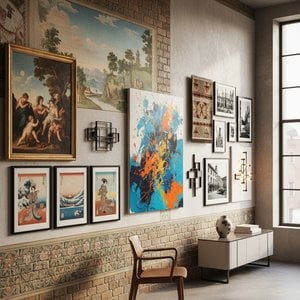
Transforming Spaces: A Comprehensive Exploration of Wall Decor Through Art History & Contemporary Practice
Explore the art of transforming spaces with our comprehensive guide to wall decor. From historical movements to contemporary trends, discover how to curate impactful interiors and commission bespoke artwork for a truly personalized aesthetic.

ფერნანდ λεჟეს 25 საუკეთესო შედევრი: ხელოვნების ისტორია თქვენს სახლში | ArtsDot
გაიცანით ფერნანდ λεჟეს 25 საუკეთესო შედევრი! კუბიზმის, ტუბიზმის და თანამედროვე ხელოვნების ისტორია. ნახატების რესპროდუქციები თქვენი სახლისთვის ArtsDot-ზე. აღმოაჩინეთ ლეგერის გამოსახულებები ონლაინ!

Echoes of Time: Exploring the Enduring Appeal & Historical Context of Vintage Art Prints
Explore the captivating world of vintage art prints! Discover their history, collecting tips & enduring appeal. Expert insights on chromolithography and building a legacy collection with ArtsDot.

ArtsDot.com F.A.Q.: პოსტერების გამძლეობა, ტილოზე ანაბეჭდები და ზომები კოლექციონერებისთვის
ArtsDot.com -ში აღმოაჩინეთ ხარისხიანი პოსტერები და ტილოზე ანაბეჭდები ელიტური კოლექციონერებისთვის. ინდივიდუალური შეკვეთები, პროფესიონალური ჩარჩოებით გაფორმება და უმაღლესი დონის მომსახურება. შეიძინეთ ახლა!


