
- მთავარი გვერდი

- ზეთის ტილოზე რეპროდუქცია
- ფერნანდ ლეგე
- The bunch of grapes

 ნაბეჭდის შეძენა გამოსახულების შეძენა
 გაგზავნა
 გაზიარება
 Details
 დამატება ფავორიტებში

 ჩამოტვირთვა
 მსგავსები
 X-Ray
X-Ray
 სლაიდშოუ
The bunch of grapes


ხელით ნაკვეთი ზეთის ტილოს რეპროდუქცია
ტილოზე შესრულებული ფერწერიანი ზეთប្រდათი, თქვენთვის სასურველი ზომისა და ჩარჩოსთვის, ჩვენი ხელოვანების მიერ შეკვეთის საფუძველზე დამზადებული.




P118B $10

P118H $10

P118W $10

P438Z $10

P508JH $12

P508YH $12

P805H $10

P805Z $10

P919BZ $10

P919G $10

P919XJ $10

P959ZH $10

P968JZ $12

W106C $8

W218G $10

W218JH $8

W218Y $10

W307PJ $10

W316G $10

W316PJ $8

W316Y $10

W398PJ $8

W4111J $10

W500HY $15

W500JH $15

W692G $12

W849H $8

W940BG $15

W953PJ $8




 გაეცანით მეტს
აირჩიეთ ჩვენს მიერ წინასწარ განსაზღვრული ზომებიდან, რომლებიც ნაწარმოების ორიგინალურ პროპორციებს შეესაბამება.

თქვენ შეგიძლიათ მიუთითოთ თქვენთვის სასურველი ზომები კონკრეტული ჩარჩოს ან სივრცის შესაბამისად. თუ თქვენ მიერ არჩეული ზომა არ შეესაბამება ორიგინალი გამოსახულების პროპორციებს, ჩვენ ან შევაჭრებთ ნაწარმოებს, ან ტილოზე დავამატებთ ხელით მოხატულ ელემენტებს. წარმოების დაწყებამდე, დამტკიცებისთვის გამოგეგზავნებათ ციფრული მაკეტი.
გთხოვთ, გაითვალისწინოთ, რომ ეკრანზე ნაჩვენები წინასწარი შეხედულება არ ასახავს რეალურ შეჭრას ან გაფართოებას. საბოლოო კომპოზიციას ზუსტად მხოლოდ მაკეტი წარმოაჩენს.
მიუხედავად იმისა, რომ შესაძლებელია ინდივიდუალური ზომების შერჩევა, ორიგინალური პროპორციების შენარჩუნებისათვის გირჩევთ, გამოიყენოთ წინასწარ განსაზღვრული სიის ზომები.
შეკვეთის შემდეგ, ArtsDot.com გუნდი დაგიკავშირდებათ ელექტრონული ფოსტით ინსტრუქციებისთვის და გამოგიგზავნით წინასწარ ნახაზს (mockup).
მიწოდება მსოფლიო მასშტაბით -ში 3/4 კვირაში, სტანდარტული 5 კვირის ნაცვლად. (1 ივლისი). ხარისხზე კომპრომისის გაკეთება არ მოხდება.

უფასო ექსპრეს მიწოდება მთელ მსოფლიოში

საბამად მაღალი ხარისხის ტილო

სრული ტრანსპორტირების დაზღვევა

საბაჟო გადასახადების დაბრუნების გარანტია

ფერების სრული შესაბამისობის გარანტია

60-დღიანი დაბრუნების პოლიტიკა (მხოლოდ დეფექტის შემთხვევაში)

100% თანხის დაბრუნების გარანტია

ფასდაკლება დიდი რაოდენობით შეკვეთისას
 მინის ჩარჩოს არჩევანი ხელმისაწვდომია მხოლოდ 110 სმ-ზე ნაკლები ზომისთვის

The bunch of grapes
რეკლამაციის ტექნიკა
რეკლამაციის ზომა
-


საბოლოო ფასი
-
ნაწარმოების აღწერა
Fernand Léger: Embracing Modernity Through Geometric Abstraction – A Study of “The Bunch of Grapes”
Fernand Léger’s “The Bunch of Grapes,” painted in 1931, stands as a quintessential emblem of Cubism's evolution into Tubism—a stylistic departure championed by Léger himself and his fellow artists. More than just a depiction of fruit; it embodies Léger’s profound engagement with the burgeoning industrial landscape of the early twentieth century, reflecting both its visual dynamism and its underlying geometric order. This artwork isn’t merely aesthetically pleasing; it's a deliberate manifesto of Léger’s artistic philosophy—a rejection of traditional representation in favor of exploring form as an independent entity.- Subject Matter & Composition: Léger eschews the naturalistic portrayal favored by Impressionism and Picasso, opting instead for a carefully constructed tableau featuring commonplace objects – grapes, a clock, a vase, a bowl, a spoon, and a fork. These items aren’t arranged in a random fashion but are positioned within a dynamic geometric framework, emphasizing horizontal and vertical lines that dominate the canvas. The central grouping of grapes serves as focal point, encircled by supporting elements that contribute to the overall visual rhythm.
- Tubism: Léger's Tubist style is characterized by simplified forms rendered in bold, primary colors—red, yellow, and blue—often juxtaposed against stark white backgrounds. Cylindrical shapes are prevalent throughout the composition, mirroring the influence of industrial machinery and conveying a sense of movement and energy. The artist deliberately avoids shading and blending techniques, prioritizing flatness and emphasizing the materiality of pigment.
- Historical Context: Created during the height of Léger’s artistic experimentation, “The Bunch of Grapes” reflects the broader cultural anxieties surrounding urbanization and technological advancement. Léger's fascination with machines stemmed from his formative years spent in rural Normandy, where he witnessed firsthand the transformative effects of industrialization on agricultural life. The artwork speaks to a desire to capture the essence of modernity—its relentless pace and its geometric precision—without resorting to illusionistic representation.
- Symbolism & Emotional Impact: While Léger’s approach is undeniably reductive in terms of traditional artistic conventions, “The Bunch of Grapes” possesses a subtle symbolic resonance. The repetition of cylindrical forms can be interpreted as representing the pervasive influence of machinery on human experience, highlighting both its power and its potential for alienation. Simultaneously, the vibrant colors evoke feelings of optimism and vitality—a celebration of life amidst the challenges posed by the industrial age.
- Technique: Léger’s masterful execution demonstrates his unwavering commitment to geometric abstraction. He achieves remarkable visual impact through careful consideration of color palettes and spatial relationships. The rough texture of the paint surface contributes to the artwork's expressive quality, conveying a sense of immediacy and spontaneity despite its rigorously planned composition.
Exploring Léger’s Legacy: Influence on Pop Art
Fernand Léger’s pioneering Tubist style profoundly impacted subsequent artistic movements, notably Pop Art. Artists like Andy Warhol embraced Léger's simplification of form and bold color palettes as a springboard for exploring themes of consumer culture and mass production—a stylistic kinship that underscores Léger’s enduring relevance in the history of modern art. His willingness to challenge established conventions paved the way for a new aesthetic sensibility, one that prioritized visual impact over narrative complexity.Reproductions & Interior Design Considerations
A high-quality reproduction of “The Bunch of Grapes” can bring a striking modernist touch to any interior space. Selecting a print from ArtsDot.com ensures exceptional color accuracy and archival quality, preserving Léger’s original vision for generations to come. Consider pairing it with complementary hues—perhaps shades of gray or earthy tones—to create a harmonious balance within your décor. Its geometric abstraction offers an intriguing counterpoint to organic textures and patterns, resulting in a sophisticated aesthetic that celebrates the beauty of industrial design.დაკავშირებული ნამუშევრები


მხატვრის ბიოგრაფია
ფერნანდ ლეგერი: მანქანური ეპოქის მხატვარი
ფერნანდ ლეგერი, ნამდვილი სახელი ჟოზეფ ფერნან ანრი ლეგერი, დაიბადა 1881 წლის 4 თებერვალს არჟენტანსკოში, საფრანგეთში. მისი ბავშვობა გაატარა ნორმანდიის სოფლის პეიზაჟებში, რაც მის შემდგომ შემოქმედებაში ხშირად მოიხსენიება. მისი მამა მეცხვარე იყო, ხოლო დედა – თავდაყვᱮრებული ქალი, რომელმაც დიდი გავლენა მოახდინა ლეგერის პირველ პერიოდში. თავდაპირველად, ლეგერს ჰქონდა განათლება არქიტექტურაში, თუმცა მალევე გადაინაცვლა მხატვრობისკენ, რაც მისი ცხოვრების მთავარი მიმართულება გახდა. პარიზში ჩასვლის შემდეგ, მან სწავლა დაიწყო დეკორატიული ხელოვნების სკოლაში და მოგვიანებით, ცდილობდა ჩასვეს ბიელინის აკადემიაში, თუმცა უშედეგოდ. ამ პერიოდში მან მუშაობა დაიწყო არქიტექტურულ დრაფტთან, რაც მნიშვნელოვანი გამოცდილება აღმოჩნდა მისი შემდგომი კარიერისთვის.კუბიზმის განვითარება და "ტურბიზმი"
XX საუკუნის დასაწყისი საფრანგეთისთვის რთული პერიოდი იყო – სწორედ მაშინ დაიწყო კუბიზმის წარმოშობა, რომელიც რადიკალურად შეცვალა ხელოვნების მსვლელობა. პოლ სეზანის შემოქმედების ნახვის შემდეგ ლეგერის ცხოვრებაში დიდი ცვლილება მოხდა. სეზანის გეომეტრიული ფორმებისა და ობიექტების ანალიზი მისმა მიერ ხელოვნების აღქმასაც შეუცვალა. ლეგერი აქტიურად ჩართულა კუბისტური მოძრაობაში, თუმცა მან საკუთარი, უნიკალური სტილი შექმნა, რომელიც კრიტიკოსებმა "ტურბიზმად" назвали. "ტურბიზმი" ხასიათდება ცილინდრულ ფორმებით, გაფანტული სივრცეებით და მკაფიო ფერების კონტრასტებით. ეს სტილი მანქანების ესთეტიკას ასახავს და წარმოადგენს ლეგერის შემოქმედების ერთ-ერთ მთავარ ნიშანს. 1909 წელს, მონპარნასში სტუდიის გაქირავებამ მას საშუალება მისცა გაიცნო სხვა მნიშვნელოვანი მხატვრები, როგორებიც არიან ალექსანდრე არჩიპენკო, ჟაკ ლიპიციცი და რობერტ დელონე. "ოქროს განყოფილებაში" (Section d'Or) მისი მონაწილეობა კიდევ უფრო გა deepened his exploration of mathematical principles in art.პირველი მსოფლიო ომი და მექანიზაციის აღნიშვნა
პირველი მსოფლიო ომი ლეგერის ცხოვრებაში ტრაგიკული მოვლენა იყო, თუმცა მან მასზე შემოქმედებითი გავლენაც იქონია. მilitარებაში მომუშავე პერიოდისას მან უამრავ ჩანაწერს დახატა სამხედრო ტექნიკის შესახებ, რაც მის შემდგომ მუშაობაში გამოიხატება. ომის შემდეგ ლეგერის სტილი კიდევ უფრო გამარკვიათ და მანქანებისადმი მისი სიმპათია უფრო მკაფიო გახდა. მისი ტილოები ხასიათდება 단순화ებული ფორმებით, მკაფიო კონტურებით და ფერადი პლასტიკით, რაც მანქანების დინამიკასა და ეფექტურობას ასახავს. "სოლჯატი მუნთაში" (Soldier with a Pipe) მისი ამ პერიოდის ერთ-ერთი გამორჩეული ნაწარმოებია, რომელიც წარმოადგენს მექანიკური სიზუსტის სიმბოლურ გამოხატვას.შემდგომი შემოქმედება და მემკვიდრეობა
ომის შემდეგ ლეგერი განაგრძო ექსპერიმენტები სხვადასხვა სახის ხელოვნების დარგში, მათ შორის სკულპტურისა და κινηოქინოსტან. მისმა "საზოგადოებრივი ნოველების" (Paysages animés) სერიამ გააერთიანა ადამიანური ფიგურები და მანქანები ჰარმონიულ კომპოზიციაში, რაც წარმოადგენს ორგანული და არავარგის ფორმების შერწყმას. ფერნანდ ლეგერის შემოქმედება მნიშვნელოვანი წინაპირობა იყო პოპ-არტის განვითარებისთვის. მისი გავლენა იგრძნობა როი ლიხტენშტეინისა და ენდი უორჰოლის შემოქმედებაში. ლეგერი იყო ისტორიაში გამორჩეული მხატვარი, რომელმაც მანქანების ეპოქას თავისი ხელოვნებით უნიკალური სახე მისცა. მისი ნამუშევრები დღესდღეობით მსოფლიოს წამყვან მუზეუმებშია განთავსებული და წარმოადგენს თანამედროვე ხელოვნების ერთ-ერთ ყველაზე მნიშვნელოვან ძეგლს. მისი მემკვიდრეობა არის არა მხოლოდ მხატვრის სახელი, არამედ თანამედროვეობის პროფეტის ტიტული.
ფერნანდ ლეგე
1881 - 1955 , საფრანგეთი
მოკლე ინფორმაცია
- Artistic Movement Or Style: კუბიზმი, ტუბიზმი
- Artists Or Movements Influenced By This Artist: ['Pop Art']
- Artists Who Influenced This Artist: ['პოლ სეზანი']
- Date Of Birth: 1881 წლის 4 თებერვალი
- Date Of Death: 1955 წლის 17 აგვისტო
- Full Name: ფერნანდ ლეგე
- Nationality: საფრანგეთი
- Notable Artworks:
- The Sitted Woman
- Machine Element
- The Great Parade
- The City
- Place Of Birth: არგენტანი, საფრანგო
დაკავშირებული სტატიები

გეომეტრიული აბსტრაქცია: 10 შედევრი, რომელმაც ხელოვნება განსაზღვრა | ArtsDot.com
გეომეტრიული აბსტრაქციის 10 შედევრი მონდრიანის, მალევიჩისა და კანდინსკის ჩართულობით. გაიგეთ მათი ისტორია, ტექნიკა და გავლენა ხელოვნებაზე. შეიძინეთ უმაღლესი ხარისხის რეკონსტრუქციები ArtsDot.com-ზე!


Orphism: A Symphony of Color and Form – Exploring the Abstract Roots of Modern Art
Explore Orphism, the vibrant abstract art movement pioneered by Robert & Sonia Delaunay. Discover its unique color theory, lasting influence on modern art, and how to bring this 'symphony of color' into your home with ArtsDot.
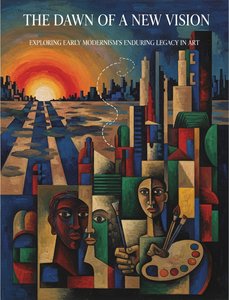
The Dawn of a New Vision: Exploring Early Modernism's Enduring Legacy in Art
Explore the revolutionary world of Early Modernism! Discover key artists like Picasso & Léger, pivotal movements, and lasting philosophical influences. Uncover the seeds of change that shaped 20th-century art.

Cubism's Revolution: 10 Masterpieces That Redefined Modern Art | ArtsDot
Explore 10 Cubist masterpieces by Picasso, Braque & more! Delve into the history of this revolutionary art movement. Find museum-quality reproductions and elevate your home decor with ArtsDot. Discover all masterpieces on ArtsDot.com

კუბიზმის 10 შედევრი: ხელოვნების ისტორიას ქმნის
აღმოფხვარე კუბიზმის 10 გამორჩეული შედევრი! პიკასო, ბრაკი და სხვა მოწინავე ხელოვანების ნამუშევრები. შეიგრძნობით რევოლუცია ხელოვნებაში. შეიძინეთ მაღალი ხარისბის რეპროდუქციები ArtsDot.com-ზე!



