


 ნახვა ინტერьерში
 გაგზავნა
 გაზიარება
 დეტალები
 გზამკვლევი

 ჩამოტვირთვა
 მსგავსები
 რენტგენოგრაფიული კვლევა
 სლაიდშოუ
 სტატისტიკა
Still life


 სრული ტექსტის ნახვა
გიკლე / ხელოვნების პრინტი
მუზეუმის დონის ჟიკლე ან ტილოზე ბეჭდვა სწრაფი წარმოებისა და დასრულების მოქნილი ვარიანტებით. ( შეიძინეთ ხელით შესრულებული ნახატი გადასვლა ციფრულ გამოსახულებაზე)




P118B ₾10

P118H ₾10

P118W ₾10

P438Z ₾10

P508JH ₾12

P508YH ₾12

P805H ₾10

P805Z ₾10

P919BZ ₾10

P919G ₾10

P919XJ ₾10

P959ZH ₾10

P968JZ ₾12

W106C ₾8

W218G ₾10

W218JH ₾8

W218Y ₾10

W307PJ ₾10

W316G ₾10

W316PJ ₾8

W316Y ₾10

W398PJ ₾8

W4111J ₾10

W500HY ₾15

W500JH ₾15

W692G ₾12

W849H ₾8

W940BG ₾15

W953PJ ₾8




აირჩიეთ ჩვენს მიერ წინასწარ განსაზღვრული ზომებიდან, რომლებიც ნაწარმოების ორიგინალურ პროპორციებს შეესაბამება.

თქვენ შეგიძლიათ მიუთითოთ საკუთარი ზომები კონკრეტული ჩარჩოსთვის ან სივრცისთვის მოსარგებლებლად. თუ თქვენ მიერ არჩეული ზომა არ შეესაბამება ორიგინალი გამოსახულების პროპორციებს, ჩვენ ან დავჭრით ნამუშევარს, ან გავაფართოვებთ გამოსახულებას სარკული ან ერთფეროვანი კიდეებით. წარმოების დაწყებამდე თქვენს დასამტკიცებლად გამოგეგზავნებათ ციფრული მაკეტი.
გთხოვთ, გაითვალისწინოთ, რომ ეკრანზე ნაჩვენები წინასწარი ნახვა არ ასახავს რეალურ ჭრას ან გაფართოებას. მხოლოდ მაკეტზე იქნება ზუსტად წარმოდგენილი საბოლოო კომპოზიცია.
მიუხედავად იმისა, რომ ინდივიდუალური ზომები ხელმისაწვდომია, ორიგინალური პროპორციების შესანარჩუნებლად გირჩევთ, აირჩიოთ ზომა წინასწარ განსაზღვრული სიისგან.
მიწოდება მთელ მსოფლიოში () 2 კვირაში, სტანდარტული 4/5 კვირის ნაცვლად. (7 ოქტომბერი)

უფასო ექსპრეს მიწოდება მთელ მსოფლიოში

მაღალი ხარისხის ტილო

ტრანსპორტირების სრული დაზღვევა

საბაჟო გადასახადების დაბრუნების გარანტია

ფერების სრული შესაბამისობის გარანტია

დაბრუნების 100-დღიანი პერიოდი (მხოლოდ წარმოების დეფექტის შემთხვევაში)

100% თანხის სრული დაბრუნების გარანტია

ფასდაკლება დიდი რაოდენობით შეკვეთისას
 მინის ჩარჩოს არჩევანი ხელმისაწვდომია მხოლოდ 110 სმ-მდე ზომისთვის

Still life
გიკლე / ხელოვნების პრინტი
რეპროდუქციის ზომა
-


ჯამური ღირებულება
₾ 162
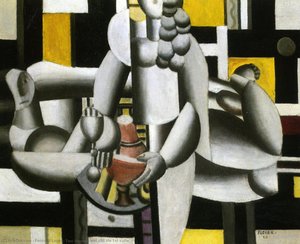
A Symphony of Form: Fernand Léger’s 1919 Still Life
This captivating still life from 1919 exemplifies Fernand Léger's distinctive contribution to the Cubist movement – a style he uniquely evolved into what became known as “Tubism.” Rather than depicting traditional floral arrangements or fruit, Léger turns his attention to the burgeoning industrial world, presenting an abstracted arrangement of mechanical components. The artwork isn’t merely *of* machines; it embodies their spirit—their power, precision, and fragmented nature.Deconstructing Reality: Style & Technique
- Cubist Foundations: Rooted in the principles of Cubism pioneered by Picasso and Braque, this work breaks down objects into geometric forms—primarily cylinders, rectangles, and cones. However, Léger moves beyond analytical Cubism’s muted palette, embracing a bolder, more vibrant aesthetic.
- Tubism Defined: The emphasis on cylindrical shapes is characteristic of Léger's style. These “tubes” create a sense of solidity and mechanical strength, reflecting his fascination with the modern industrial landscape.
- Painterly Texture: While geometrically driven, the painting isn’t cold or sterile. Léger employs visible brushstrokes and likely utilized a palette knife to build up layers of paint, creating a tactile surface that adds depth and visual interest.
- Dynamic Composition: Overlapping planes and intersecting lines generate a dynamic composition, suggesting movement and energy despite the static subject matter. The flattened perspective further emphasizes the two-dimensionality of the canvas while simultaneously hinting at three-dimensional forms.
Historical Context: Post-War Modernity
Created in 1919, just after the end of World War I, this artwork reflects a period of rapid technological advancement and societal change. The horrors of war fueled a fascination with machinery – both as instruments of destruction *and* symbols of progress. Léger’s choice to depict industrial objects can be seen as an embrace of modernity, a celebration of the machine age, and perhaps even a commentary on humanity's evolving relationship with technology. He served as a soldier during WWI, and this experience profoundly impacted his artistic vision.Symbolism & Interpretation
The symbolism within Léger’s still life is open to interpretation. The fragmented forms could represent the disruption of traditional order in the wake of war, or the deconstruction of reality itself through the lens of modern science and technology. The bold colors—reds, blues, greens, and yellows—inject a sense of vitality into the otherwise mechanical subject matter. While not overtly emotional, the painting evokes a feeling of energy, dynamism, and perhaps even a subtle tension between order and chaos.Emotional Resonance & Interior Design
This artwork is more than just an aesthetic object; it’s a visual statement about the modern world. Its bold colors and geometric forms make it a striking focal point for any interior space. It would complement contemporary or Art Deco interiors particularly well, adding a touch of intellectual sophistication and historical significance. The painting's energy can invigorate a living room, study, or office, sparking conversation and inspiring creativity. A high-quality reproduction captures the essence of Léger’s vision, bringing a piece of art history into your home or workspace.კითხვები და პასუხები
რა არის ფერნანდ ლეგე-ის „Still life“-ის შექმნის თარიღი?
"Still life" შექმნილია 1919 წელს. ეს თარიღი ნამუშევარს ფერნანდ ლეგე-ის შემოქმედებითი კარიერისა და იმ ეპოქის კონტექსტში ათავსებს.
როგორ უკავშირდება „Still life“-ის თემატიკა ფერნანდ ლეგე-ისთვის დამახასიათებელ ტრადიციულ თემებს?
ფერნანდ ლეგე-ის განმეორებადი თემები მოიცავს picasso & braque's cubism, industrial modernity", fragmented reality, technological disruption, geometric abstraction, early 20th century shift, leger's formal experimentation, exploring machine age-ს; „Still life“ ფოკუსირებულია cubist still life, industrial forms, geometric shapes, abstract composition, mechanical objects, bold color palette, modern art piece-ზე.
რას გამოსახავს "Still life"?
სურათის "Still life" თემებს წარმოადგენს cubist still life, industrial forms, geometric shapes, abstract composition, mechanical objects, bold color palette, modern art piece.
რომელ ხელოვანს მიეწერება "Still life"?
„Still life“ მიკუთვნებულია ფერნანდ ლეგე-ს.
რამდენი წლის იყო ფერნანდ ლეგე, როდესაც 1919 წელს შექმნა „Still life“?
ფერნანდ ლეგე-მა „Still life“ 38 წლის ასაკში შექმნა. ხელოვანმა დაიბადა 1881, ნამუშევრის თარიღგადასახელება კი 1919-ია.
ფერნანდ ლეგე-ის „Still life“ ტიპის ნამუშევარია: ფერწერილობა, ნახატი თუ გრავიურა?
კატალოგში, ფერნანდ ლეგე-ის „Still life“ დახარისხებულია, როგორც WallArt. ეს კატეგორია გეხმარებათ მსგავსი ნამუშევრების პოვნაში.
რომელ ხელოვნების მიმდევრობას მიეკუთვნება ფერნანდ ლეგე-ის „Still life“?
ფერნანდ ლეგე-ის „Still life“-თან დაკავშირებული ხელოვნების მიმდინარეობა არის Cubism. ეს კლასიფიკაცია ნამუშევარს მსგავს ხელოვანთა და ქსნეულობათა წრეში ათავსებს.
მსგავსი ნამუშევრები




მხატვრის ბიოგრაფია
ფერნანდ ლეგერი: მანქანური ეპოქის მხატვარი
ფერნანდ ლეგერი, ნამდვილი სახელი ჟოზეფ ფერნან ანრი ლეგერი, დაიბადა 1881 წლის 4 თებერვალს არჟენტანსკოში, საფრანგეთში. მისი ბავშვობა გაატარა ნორმანდიის სოფლის პეიზაჟებში, რაც მის შემდგომ შემოქმედებაში ხშირად მოიხსენიება. მისი მამა მეცხვარე იყო, ხოლო დედა – თავდაყვᱮრებული ქალი, რომელმაც დიდი გავლენა მოახდინა ლეგერის პირველ პერიოდში. თავდაპირველად, ლეგერს ჰქონდა განათლება არქიტექტურაში, თუმცა მალევე გადაინაცვლა მხატვრობისკენ, რაც მისი ცხოვრების მთავარი მიმართულება გახდა. პარიზში ჩასვლის შემდეგ, მან სწავლა დაიწყო დეკორატიული ხელოვნების სკოლაში და მოგვიანებით, ცდილობდა ჩასვეს ბიელინის აკადემიაში, თუმცა უშედეგოდ. ამ პერიოდში მან მუშაობა დაიწყო არქიტექტურულ დრაფტთან, რაც მნიშვნელოვანი გამოცდილება აღმოჩნდა მისი შემდგომი კარიერისთვის.კუბიზმის განვითარება და "ტურბიზმი"
XX საუკუნის დასაწყისი საფრანგეთისთვის რთული პერიოდი იყო – სწორედ მაშინ დაიწყო კუბიზმის წარმოშობა, რომელიც რადიკალურად შეცვალა ხელოვნების მსვლელობა. პოლ სეზანის შემოქმედების ნახვის შემდეგ ლეგერის ცხოვრებაში დიდი ცვლილება მოხდა. სეზანის გეომეტრიული ფორმებისა და ობიექტების ანალიზი მისმა მიერ ხელოვნების აღქმასაც შეუცვალა. ლეგერი აქტიურად ჩართულა კუბისტური მოძრაობაში, თუმცა მან საკუთარი, უნიკალური სტილი შექმნა, რომელიც კრიტიკოსებმა "ტურბიზმად" назвали. "ტურბიზმი" ხასიათდება ცილინდრულ ფორმებით, გაფანტული სივრცეებით და მკაფიო ფერების კონტრასტებით. ეს სტილი მანქანების ესთეტიკას ასახავს და წარმოადგენს ლეგერის შემოქმედების ერთ-ერთ მთავარ ნიშანს. 1909 წელს, მონპარნასში სტუდიის გაქირავებამ მას საშუალება მისცა გაიცნო სხვა მნიშვნელოვანი მხატვრები, როგორებიც არიან ალექსანდრე არჩიპენკო, ჟაკ ლიპიციცი და რობერტ დელონე. "ოქროს განყოფილებაში" (Section d'Or) მისი მონაწილეობა კიდევ უფრო გა deepened his exploration of mathematical principles in art.პირველი მსოფლიო ომი და მექანიზაციის აღნიშვნა
პირველი მსოფლიო ომი ლეგერის ცხოვრებაში ტრაგიკული მოვლენა იყო, თუმცა მან მასზე შემოქმედებითი გავლენაც იქონია. მilitარებაში მომუშავე პერიოდისას მან უამრავ ჩანაწერს დახატა სამხედრო ტექნიკის შესახებ, რაც მის შემდგომ მუშაობაში გამოიხატება. ომის შემდეგ ლეგერის სტილი კიდევ უფრო გამარკვიათ და მანქანებისადმი მისი სიმპათია უფრო მკაფიო გახდა. მისი ტილოები ხასიათდება 단순화ებული ფორმებით, მკაფიო კონტურებით და ფერადი პლასტიკით, რაც მანქანების დინამიკასა და ეფექტურობას ასახავს. "სოლჯატი მუნთაში" (Soldier with a Pipe) მისი ამ პერიოდის ერთ-ერთი გამორჩეული ნაწარმოებია, რომელიც წარმოადგენს მექანიკური სიზუსტის სიმბოლურ გამოხატვას.შემდგომი შემოქმედება და მემკვიდრეობა
ომის შემდეგ ლეგერი განაგრძო ექსპერიმენტები სხვადასხვა სახის ხელოვნების დარგში, მათ შორის სკულპტურისა და κινηოქინოსტან. მისმა "საზოგადოებრივი ნოველების" (Paysages animés) სერიამ გააერთიანა ადამიანური ფიგურები და მანქანები ჰარმონიულ კომპოზიციაში, რაც წარმოადგენს ორგანული და არავარგის ფორმების შერწყმას. ფერნანდ ლეგერის შემოქმედება მნიშვნელოვანი წინაპირობა იყო პოპ-არტის განვითარებისთვის. მისი გავლენა იგრძნობა როი ლიხტენშტეინისა და ენდი უორჰოლის შემოქმედებაში. ლეგერი იყო ისტორიაში გამორჩეული მხატვარი, რომელმაც მანქანების ეპოქას თავისი ხელოვნებით უნიკალური სახე მისცა. მისი ნამუშევრები დღესდღეობით მსოფლიოს წამყვან მუზეუმებშია განთავსებული და წარმოადგენს თანამედროვე ხელოვნების ერთ-ერთ ყველაზე მნიშვნელოვან ძეგლს. მისი მემკვიდრეობა არის არა მხოლოდ მხატვრის სახელი, არამედ თანამედროვეობის პროფეტის ტიტული.
ფერნანდ ლეგე
1881 - 1955 , საფრანგეთი
მოკლე ფაქტები
- Artistic Movement Or Style: კუბიზმი, ტუბიზმი
- Artists Or Movements Influenced By This Artist: ['Pop Art']
- Artists Who Influenced This Artist: ['პოლ სეზანი']
- Date Of Birth: 1881 წლის 4 თებერვალი
- Date Of Death: 1955 წლის 17 აგვისტო
- Full Name: ფერნანდ ლეგე
- Nationality: საფრანგეთი
- Notable Artworks:
- The Sitted Woman
- Machine Element
- The Great Parade
- The City
- Place Of Birth: არგენტანი, საფრანგო
მსგავსი სტატიები

Beyond Form & Color: Geometric Abstraction's Enduring Legacy in Art History
Explore the captivating world of geometric abstraction! Discover its origins, key artists like Malevich & Mondrian, and why this movement remains highly valued by art collectors today. Expert insights at ArtsDot.

Kandinsky's Masterpieces: 25 Paintings That Define Abstract Art | ArtsDot
Journey through Wassily Kandinsky's 25 most iconic abstract paintings. Explore his revolutionary use of color, form & spiritual expressionism. Find museum-quality Kandinsky reproductions and elevate your home decor with ArtsDot.com. Discover all masterpieces on ArtsDot.com!

Beyond Form & Color: Geometric Abstraction's Evolution in 20th/21st Century Art
Explore the evolution of geometric abstraction from Cubism to contemporary art. Discover key artists like Malevich & Mondrian, investment insights, and expert collecting advice at ArtsDot.

ფერნანდ λεჟეს 25 საუკეთესო შედევრი: ხელოვნების ისტორია თქვენს სახლში | ArtsDot
გაიცანით ფერნანდ λεჟეს 25 საუკეთესო შედევრი! კუბიზმის, ტუბიზმის და თანამედროვე ხელოვნების ისტორია. ნახატების რესპროდუქციები თქვენი სახლისთვის ArtsDot-ზე. აღმოაჩინეთ ლეგერის გამოსახულებები ონლაინ!

გეომეტრიული აბსტრაქცია: 10 შედევრი, რომელმაც ხელოვნება განსაზღვრა | ArtsDot.com
გეომეტრიული აბსტრაქციის 10 შედევრი მონდრიანის, მალევიჩისა და კანდინსკის ჩართულობით. გაიგეთ მათი ისტორია, ტექნიკა და გავლენა ხელოვნებაზე. შეიძინეთ უმაღლესი ხარისხის რეკონსტრუქციები ArtsDot.com-ზე!


