

 წინასწარი ნახვა
 გაგზავნა
 გაზიარება
 დეტალები
 გზამკვლევი

 ჩამოტვირთვა
 მსგავსები
 რენტგენოგრაფიული კვლევა
 სლაიდშოუ
 კითხვა-პასუხი
 სტატისტიკა
Self


 გააგრძელეთ კითხვა
გიკლე / ხელოვნების პრინტი
მუზეუმის დონის ჟიკლე ან ტილოზე ბეჭდვა სწრაფი წარმოებისა და დასრულების მოქნილი ვარიანტებით. ( შეიძინეთ ხელით შესრულებული ნახატი გადართვა ციფრულ გამოსახულებაზე)




P118B ₾10

P118H ₾10

P118W ₾10

P438Z ₾10

P508JH ₾12

P508YH ₾12

P805H ₾10

P805Z ₾10

P919BZ ₾10

P919G ₾10

P919XJ ₾10

P959ZH ₾10

P968JZ ₾12

W106C ₾8

W218G ₾10

W218JH ₾8

W218Y ₾10

W307PJ ₾10

W316G ₾10

W316PJ ₾8

W316Y ₾10

W398PJ ₾8

W4111J ₾10

W500HY ₾15

W500JH ₾15

W692G ₾12

W849H ₾8

W940BG ₾15

W953PJ ₾8




აირჩიეთ ჩვენს მიერ წინასწარ განსაზღვრული ზომებიდან, რომლებიც ნაწარმოების ორიგინალურ პროპორციებს შეესაბამება.

შეიყვანეთ თქვენთვის საჭირო სიგანე და სიმაღლე, რათა გამოსახულებამ თქვენს ჩარჩოს ან კედელს ზუსტად მოერგოს. ბეჭდვისას შესაძლებელია მხოლოდ მისი შემცირება და არა გაზრდა, ამიტომ სხვა ფორმის ზომის შემთხვევაში სურათი ნაწილობრივ იკარგება. სანამ რაიმეს დაბეჭდავთ, ჩვენ გამოგიგზავნით ციფრულ მაკეტს დასდასტურებლად. ამ გვერდზე ნაჩვენები სურათი არ ასახავს რეალურ ჭრას — ამას მხოლოდ მაკეტი გვიჩვენებს.
მიწოდება მთელ მსოფლიოში () 2 კვირაში, სტანდარტული 4/5 კვირის ნაცვლად. (11 ნოემბერი)

უფასო ექსპრეს მიწოდება მთელ მსოფლიოში

მაღალი ხარისხის ტილოს ქსოვილი

ტრანსპორტირების სრული დაზღვევა

საბაჟო გადასახადების დაბრუნების გარანტია

ფერების სრული შესაბამისობის გარანტია

დაბრუნების 100-დღიანი პოლიტიკა (მხოლოდ დეფექტის შემთხვევაში)

100% თანხის სრული დაბრუნების გარანტია

ფასდაკლება დიდი რაოდენობით შეკვეთისას
 მინის ჩარჩოს არჩევანი შესაძლებელია მხოლოდ 110 სმ-მდე ზომისთვის

Self
გიკლე / ხელოვნების პრინტი
რეპროდუქციის ზომა
-


საბოლოო ღირებულება
₾ 164
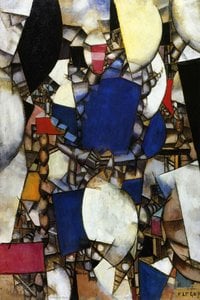
Self: A Cubist Portrait of Modernity
Fernand Léger’s “Self,” painted in 1930, isn't merely a portrait; it’s a distilled essence of the early 20th century – a visual embodiment of the machine age grappling with human identity. This striking pencil drawing, now housed within the Fernand Léger National Museum in Biot, France, offers a profound glimpse into the artist’s evolving style and his fascination with the intersection of form, technology, and the individual. Léger, born Joseph Fernand Henri Léger in 1881 in Argentan, Normandy, began his artistic journey as an architect before embracing painting, profoundly influenced by the radical innovations of Cézanne and the burgeoning currents of Cubism.
The composition immediately commands attention. The subject, a self-portrait, is rendered with a deliberate austerity – a simplification of features that borders on abstraction. Léger strips away extraneous detail, reducing the face to its fundamental geometric components: sharp triangles for the nose and eyes, rectangular planes for the mouth and chin, and a simplified outline of the head itself. This fragmentation isn’t chaotic; rather, it creates a sense of dynamic energy, as if the subject is simultaneously present and dissolving into pure form. The cropped composition, focusing tightly on the upper torso, intensifies this effect, drawing the viewer directly into the artist's gaze – an intense, direct stare that speaks to both confidence and introspection.
The Language of Cubism and Mechanics
“Self” is a quintessential example of Léger’s “Tubism,” a style he developed in the early 1910s. Inspired by the cylindrical forms of industrial machinery, Tubism sought to represent objects – and indeed, human figures – as composed of interlocking cylinders, cones, and cubes. This approach wasn't simply an aesthetic choice; Léger saw it as a way to capture the essence of modern life, dominated by factories, trains, and the relentless march of technology. The angular lines and stark contrasts in tone reflect this mechanical sensibility, creating a visual rhythm that echoes the precision and efficiency of machines.
The use of pencil is crucial here. Léger’s meticulous application of line – often with varying pressure and thickness – imbues the drawing with a remarkable sense of texture and depth. The grainy quality of the graphite suggests a hand-drawn immediacy, contrasting sharply with the stylized forms. This combination of raw material and deliberate construction speaks to Léger's desire to bridge the gap between traditional artistic techniques and the new visual language of modernity.
Symbolism and the Modern Psyche
Beyond its formal qualities, “Self” carries a potent symbolic weight. The direct gaze of the subject is particularly arresting – it’s not a passive portrait but an active engagement with the viewer. This confrontational quality suggests a questioning of identity in a rapidly changing world. Léger himself described his work as reflecting "the crude beauty" of everyday life, and “Self” embodies this sentiment perfectly. The simplification of features can be interpreted as a rejection of idealized representations, suggesting instead a focus on the essential, stripped-down reality of human existence.
Furthermore, the drawing’s monochromatic palette – primarily shades of gray – reinforces its sense of austerity and detachment. It evokes the starkness of industrial landscapes and the impersonal nature of modern life. The lack of color directs attention to the formal elements of the composition, highlighting Léger's mastery of line and form.
A Legacy of Modern Art
Fernand Léger’s “Self” stands as a pivotal work in his oeuvre and a significant contribution to the development of modern art. His exploration of Cubism, combined with his fascination with technology and his unique approach to portraiture, paved the way for subsequent generations of artists – including Pop Art pioneers like Andy Warhol – who sought to integrate the visual language of mass culture into their work. “Self” remains a powerful testament to Léger’s artistic vision and his enduring legacy as one of the most influential figures of the 20th century.
კითხვები და პასუხები
როგორ შემიძლია ფერნან ლეგერი-ის „Self“-ის ნახვა სლაიდშოუს სახით?
სურათების სლაიდშოუ „Self“-ის სანახავად ეწვიეთ ნამუშევრის სლაიდშოუ გვერდს.
რა ტექნიკითა და სტილით არის შესრულებული ფერნან ლეგერი-ის „Self“?
წარმოებაში "Self", Acrylic On Paper ტექნიკა და Cubism სტილი ერთმანეთს ერწყმის.
როგორ ერწყმის კონტრასტი და ჰარმონია ნამუშევარში "Self"?
ფერნან ლეგერი-ის „Self“-ის ფერული კომპოზიცია აერთიანებს Bold კონტრასტს და Unified Palette ჰარმონიას.
დაკავშირებული ნამუშევრები




დაკავშირებული სტატიები

გეომეტრიული აბსტრაქცია: 10 შედევრი, რომელმაც ხელოვნება განსაზღვრა | ArtsDot.com
გეომეტრიული აბსტრაქციის 10 შედევრი მონდრიანის, მალევიჩისა და კანდინსკის ჩართულობით. გაიგეთ მათი ისტორია, ტექნიკა და გავლენა ხელოვნებაზე. შეიძინეთ უმაღლესი ხარისხის რეკონსტრუქციები ArtsDot.com-ზე!

Industrial Revolution on Canvas: 10 Artworks That Define a Modern Aesthetic
Explore 10 iconic artworks capturing the Industrial Revolution’s grit & beauty. From Monet to Manet, discover realism, impressionism & powerful scenes of urban life. Find museum-quality reproductions for your home at ArtsDot.com.

ფერნანდ λεჟეს 25 საუკეთესო შედევრი: ხელოვნების ისტორია თქვენს სახლში | ArtsDot
გაიცანით ფერნანდ λεჟეს 25 საუკეთესო შედევრი! კუბიზმის, ტუბიზმის და თანამედროვე ხელოვნების ისტორია. ნახატების რესპროდუქციები თქვენი სახლისთვის ArtsDot-ზე. აღმოაჩინეთ ლეგერის გამოსახულებები ონლაინ!

The Nuances of Graphite: Exploring Emotional Depth & Technical Mastery in Pencil Drawing
Explore the captivating world of graphite drawing! Discover its rich history, master essential techniques like chiaroscuro, and learn how artists evoke emotion through this timeless medium. Expert insights for art enthusiasts.

The Alchemy of Graphite: An Expert Guide to Mastering Detail and Depth in Pencil Sketching
Unlock the secrets of graphite sketching with our expert guide for art students. Learn to master pencil grades, create realistic depth, and capture intricate textures through professional techniques designed to elevate your observational drawing skills.


