


სურათი შეესაბამება თქვენს არჩევანს: , .
კოლექციონირებადი ნივთის აღწერა
Experience Ernst Ludwig Kirchner's 'The Calla,' a vibrant Expressionist street scene pulsating with urban energy and emotional intensity. Bold colors, distorted forms, and impasto textures capture the anxieties of modern life.
 სრული ტექსტის ნახვა
მხატვრის ბიოგრაფია
ერნსტ ლუი დიქშერი გერმანელი მხატვარი ბელა-ალლიანსი პლატზი ბერლინის ცენტრალურ მოედანი და ტრუმფე მეგობრობის ძეგლი ჩადებულია გამოხდა სტილისთვის და ფანტაზია სურათში. მისი ნაწარმავები და მხატვრობა გერმანელი expressãoისტების ერთგვარ ლიდერს წარმოადგენენ და ბერლინის დედაქალაქის ცენტრალურ მოედანი და ტრუმფე მეგობრობის ძეგლი ჩადებულია გამოხდა სტილისთვის და ფანტაზია სურათში.
ხელით შესრულებული ზეთის საღებავით რეპროდუქცია
ტილოზე შესრულებული ფერწერიანი ზეთប្រდათი, თქვენთვის სასურველი ზომისა და ჩარჩოსთვის, ჩვენი ხელოვანების მიერ შეკვეთის საფუძველზე დამზადებული. ( გადართვა ბეჭდვის რეჟიმზე გადასვლა ციფრულ გამოსახულებაზე)
მეტი ამ ნახატის შესახებ
 ნახვა ინტერьерში
 გაგზავნა
 გაზიარება
 დეტალები
 გზამკვლევი

 ჩამოტვირთვა
 მსგავსები
 რენტგენოგრაფიული კვლევა
 სლაიდშოუ
 კითხვა-პასუხი
 სტატისტიკა
დაგვიკვეთეთ თქვენი ნახატი ოთხ მარტივ ნაბიჯში
არ იჩქაროთ. ნებისმიერი პასუხის შეცვლა შეგიძლიათ; თქვენს შეკვეთაში ფასი თითოეულ არჩევანს მოჰყვება.
1 პირველი ნაბიჯი ოთხიდან
რომელი ზომა გსურთ?
ეს ზომები ინარჩუნებს ორიგინალი ნახატის პროპორციებს. ილუსტრაცია აჩვენებს თქვენს არჩევანს კედელზე, ორმეტრიანი სავარძლის ზემოთ.
ან მიუთითეთ თქვენი საკუთარი ზომები
აირჩიეთ ჩვენს მიერ წინასწარ განსაზღვრული ზომებიდან, რომლებიც ნაწარმოების ორიგინალურ პროპორციებს შეესაბამება.

შეიყვანეთ თქვენთვის საჭირო სიგანე და სიმაღლე, რათა ნახატი მოერგოს თქვენს ჩარჩოს ან კედელს. ვინაიდან ეს ნამუშევარი ხელით არის შესრულებული, სხვა ფორმის ზომის შემთხვევაში, მხატვარმა შესაძლოა სურათის გარშემო ოდნავ მეტი დატოვოს ან შეამციროს — არჩევანი თქვენზეა. დაწყებამდე, დასამტკიცებლად, ჩვენ გამოგიგზავნით ციფრულ მაკეტს. ამ გვერდზე ნაჩვენები სურათი არ ასახავს რეალურ შედეგს — რეალური სახე მხოლოდ მაკეტზე ჩანს.
2 ნაბიჯი ორი ოთხიდან
როგორ უნდა იყოს მომზადებული: დახვეული, დაჭიმული თუ ჩარჩოში ჩასმული?
ქვემოთ მოცემული ფასები განკუთვნილია პირველ საფეხურზე თქვენ მიერ არჩეული ზომისთვის.
შეარჩიეთ დაჭიმული ტილოს კიდეები
შეარჩიეთ ჩარჩო

თეთრი კიდეები ₾1

ბუნდოვანი კიდეები ₾1

გაფართოებული ₾1

P118B ₾10

P118H ₾10

P118W ₾10

P438Z ₾10

P508JH ₾12

P508YH ₾12

P805H ₾10

P805Z ₾10

P919BZ ₾10

P919G ₾10

P919XJ ₾10

P959ZH ₾10

P968JZ ₾12

W106C ₾8

W218G ₾10

W218JH ₾8

W218Y ₾10

W307PJ ₾10

W316G ₾10

W316PJ ₾8

W316Y ₾10

W398PJ ₾8

W4111J ₾10

W500HY ₾15

W500JH ₾15

W692G ₾12

W849H ₾8

W940BG ₾15

W953PJ ₾8

H24-GOLD ₾30

H24-SILVER ₾30

H36-GOLD ₾45

H36-SILVER ₾45
ჩარჩოჩენილი
კარმამ . ზომა ჩარჩოზე, მთლიანი: .
3 ნაბიჯი სამი ოთხიდან
გსურთ რაიმე ცვლილების შეტანა ნახატში?
ადამიანთა უმეტესობა უარს პასუხობს. ვინაიდან თითოეული ნახატი ხელით იქმნება, ჩვენს მხატვარს შეუძლია მისი თქვენთვის ადაპტირებაც.
შეკვეთის შემდეგ, ArtsDot.com გუნდი გამოგსტავთ ელექტრონულ წერილს ინსტრუქციებისთვის და მოგაწვდით წინასწარ ნახატის (mockup) პრევიუსს
4 ოთხიდან მეოთხე ნაბიჯი
დასრულების რამდენიმე ვარიანტი
ყველაფერი არჩევითია. უკვე შერჩეულ პასუხებს დამატებითი საფასური არ მოსთხოვება.
ვინ ასრულებს ამ ნამუშევარს?
მიწოდება მსოფლიო მასშტაბით -ში 3/4 კვირაში, სტანდარტული 5 კვირის ნაცვლად. (3 ნოემბერი). ხარისხზე კომპრომისის გაკეთება არ მოხდება.
სარდაფი, როგორც მუზეუმში?
დაკვეთილი ბრინჯაოს ფირფიტის დეტალები
This elegant plaque features the artist's name and the title of the artwork, finely engraved for a timeless presentation.
It is made from bronze with a refined, elegant finish. The text is precisely laser-engraved for a sharp and permanent result. Measuring 9x2 cm, the plaque is compact yet easy to read. It's built to be durable and scratch-resistant, offering a professional, museum-quality look. Mounting is simple thanks to the included adhesive backing.
აკრილის გამჭვირვალე ფირფიტის დეტალები
The plaque includes essential engraved details such as the artist's name, the title of the artwork, the date it was created, the type of media used-like oil on canvas or watercolor-a brief description of the piece, and a QR code that links to the complete artwork information.
It is crafted from clear acrylic, offering a sleek, modern appearance. The text is UV-engraved in black to ensure strong visual contrast. With a size of 10x15 cm, it ensures optimal readability. It comes equipped with two metal hooks for secure wall mounting. The plaque is designed to be weather-resistant, making it suitable for various environments, and it includes interactive features that work seamlessly with smartphone scanning.
შავი აკრილის ფირფიტის დეტალები
This elegant plaque includes engraved information such as the artist's name, the title of the artwork, the date it was created, the type of media used (like oil on canvas or watercolor), a short description of the artwork, and a QR code for quick access to more information.
The plaque itself is made from refined black acrylic with a premium finish. The text is laser-engraved in white for high contrast and readability. Its size is 10x15 cm, designed to be easy to read. It comes with two metal hooks for professional mounting. The design is sleek and fits any interior style. It is also weather-resistant and durable, with built-in digital integration for mobile compatibility.
დამცავი ლაქი?
როდის გჭირდებათ?
✓ შეამოწმეთ და შეუკვეთეთ
თქვენი ნახატი, ზუსტად ისეთი, როგორ შეუკვეთეთ

The calla
რეპროდუქციის ტექნიკა
რეპროდუქციის ზომა
-

დასახელებული ხელოვანთა შერჩეული კოლექცია
უფრო მეტი დეტალიზაცია, დახვეწილობა და დამატებითი დამუშავების დრო
-

რეკლამაციის ჩარჩო
-
-
ნებისმიერი მხარისთვის 105 სმ-ზე (დაახლოებით 41 ინჩი) მეტი ზომის ხელოვნებული ნამუშევრების ან რეპროდუქციებისთვის, ჩარჩო მოგზავნდება დაშლილ კომპლექტში. ეს მეთოდი უზრუნველყოფს უსაფრთხო მიწოდებას და თავიდან აგაცილებთ ტრანსპორტირებისას შესაძლო დაზიანებას.
საჭიროა პროფესიონალური აწყობა - ეს არ არის თვითმომსახურების (DIY) პროდუქტი.
კომპლექტის აწყობა და ტილოს დაჭიმვა უნდა განახორციელოს გამოცდილმა პროფესიონალმა ჩარჩოს დამამზადებელმა, ხის წებოს (არ შედის კომპლექტში), ტილოს დაჭიმვის ბერჭებისა და საკრამების გამოყენებით, რათა წებოს გასაშრობად ღერძები სწორად და სტაბილურად დაფიქსირდეს. არასწორი აწყობა ან ტილოს არათანაბარი დაჭიმვა შეიძლება გამოიწვიოს ნამუშევრის სამუდამო დაზიანება, რაც არ იფარება ჩვენი გარანტიით.
 ნებისმიერი მხარისთვის 105 სმ-ზე (დაახლოებით 41 ინჩი) მეტი ზომის ხელოვნებული ნამუშევრების ან რეპროდუქციებისთვის, ჩარჩო მოგზავნდება დაშლილ კომპლექტში. ეს მეთოდი უზრუნველყოფს უსაფრთხო მიწოდებას და თავიდან აგაცილებთ ტრანსპორტირებისას შესაძლო დაზიანებას.
კომპლექტში შედის მყარი ხის ყველა ღერძი, ზუსტად გაზომილი და საჭირო ზომაზე დაჭრილი.
აწყობისთვის გამოიყენება მოთავსებული ხრახნები; ასევე დაგჭირდებათ ხის წებო კუთხეების დასაკავშირებლად, რომელიც კომპლექტში არ შედის და თქვენმა ჩარჩოს დამამზადებელმა უნდა შეიძინოს დამოუკიდებლად.
საჭიროა პროფესიონალური ხელსაწყოები, რომლებიც არ შედის კომპლექტში: ტილოს დაჭიმვის ბრჭყალები (დამჭერი) და სამჭედლები, რათა წებოს გასაშრობ პროცესში რამკოს კუთხეები სწორად ფიქსირდეს.
მნიშვნელოვანია:
კუთხეების დასაკავშირებლად საჭიროა ხის წებო; სანამ წებო სრულად გაშრება, ღერძები დაფიქსირებული უნდა იყოს საკავშირეებით, ხოლო აწყობილ ჩარჩოზე ტილოს დასჭიმად საჭიროა ტილოს დასჭიმელი ბრჭჭვალი. არცერთი ეს ნივთი არ შედის კომპლექტში. გთხოვთ, ამ ზომის შეკვეთამდე წინასწარ დაგეგმოთ გამოცდილი პროფესიონალი ჩარჩოს დამზადებელი.

სახელოვანი ფირფიტა
-
-

დამცავი ლაქი
ბზინვარე ლაქი (აფერსკვიატებს ფერებს და იცავს სინათლისა და ტენისგან)
-

ჩემი ნამუშევრის პერსონალიზაცია
რა შეიძლება შეიცვალოს (მაგალითები): სახის შეცვლა მომხმარებლის ფოტოთი; შინაური ცხოველის დამატება (მაგალითად, კატის დგებით შეცვლა); ფონზე ფარული შეტყობინების დამატება; ფონის ლანდშაფტის ან ელემენტების შეცვლა.
-

სასწრაფო მიწოდება
მიწოდება მსოფლიო მასშტაბით () 3-4 კვირაში, სტანდარტული 5 კვირის ნაცვლად. (3 ნოემბერი). ხარისხზე კომპრომისის გაკეთება არ მოხდება.
-
ექსპრეს-მიწოდება
მიწოდება მსოფლიოს მასშტაბით (), 5 კვირაში. (10 ნოემბერი).
მოყვება
ჯამური ღირებულება
₾ 814
მინის ჩარჩოს არჩევანი ხელმისაწვდომია მხოლოდ 110 სმ-მდე ზომისთვის
მოყვება თითოეულ შეკვეთასთან ერთად
- უფასო ექსპრეს მიწოდება მთელ მსოფლიოში
- მაღალი ხარისხის ტილო
- ტრანსპორტირების სრული დაზღვევა
- საბაჟო გადასახადების დაბრუნების გარანტია
- ფერების სრული შესაბამისობის გარანტია
- დაბრუნების 100-დღიანი პერიოდი (მხოლოდ წარმოების დეფექტის შემთხვევაში)
- 100% თანხის სრული დაბრუნების გარანტია
- ფასდაკლება დიდი რაოდენობით შეკვეთისას


A Frenzy of Urban Emotion: Ernst Ludwig Kirchner’s “The Calla”
Ernst Ludwig Kirchner's "The Calla" isn’t merely a depiction of a street scene; it’s a visceral plunge into the anxieties and intensities of early 20th-century urban life. Painted in 1913, during a period of immense social and political upheaval in Germany, this oil on canvas explodes with a raw energy characteristic of German Expressionism. Kirchner, a founding member of Die Brücke (The Bridge), sought to move beyond the constraints of academic realism, aiming instead to capture not just what he saw, but how he *felt* about it – a deeply subjective and often unsettling experience. The painting immediately assaults the viewer with its bold color palette dominated by fiery reds, deep greens, and bruised pinks, all grounded in earthy browns, creating a sense of immediate tension and unease. These aren’t colors that describe a pleasant afternoon; they are the hues of a simmering, restless city.
The composition itself is deliberately chaotic, mirroring the perceived disorder of modern urban existence. Kirchner abandons traditional perspective, flattening the space and layering figures in an overlapping mass that seems to press forward, almost overwhelming the viewer. There’s no single focal point; instead, our eye is drawn on a journey through this crowded tableau, encountering fleeting glimpses of faces, fragments of clothing, and the suggestion of movement at every turn. Diagonal lines – evident in the arrangement of figures and the brushstrokes themselves – contribute to this sense of dynamism, as if the scene is perpetually caught in motion. The distortion of forms, particularly the simplified, almost flattened rendering of the human figures, speaks directly to the Expressionist impulse to prioritize emotional impact over accurate representation.
The Language of Distortion: Technique and Style
Kirchner’s technique is deliberately loose and expressive, a hallmark of his approach. Thick impasto – the application of paint in heavy, textured layers – is evident throughout the canvas, creating a palpable sense of physicality and immediacy. The brushstrokes are visible, not concealed or blended, adding to the painting's raw energy. Lines aren’t clean or precise; they’re blurred and gestural, contributing to the overall feeling of disorientation and anxiety. This disregard for meticulous detail is central to the Expressionist aesthetic – a rejection of photographic realism in favor of conveying inner experience. The use of complementary colors—particularly the stark juxtaposition of red and green—intensifies the visual drama and amplifies the emotional impact.
Symbolism and the Anxieties of Modernity
“The Calla” is more than just a street scene; it’s a potent symbol of the alienation and anxieties inherent in modern urban life. The densely packed figures, lost within the anonymity of the crowd, represent the individual swallowed by the overwhelming scale of the city. Kirchner masterfully captures this sense of isolation through his deliberate distortion of form and color. The faces are often obscured, their features simplified to suggest a lack of identity. The overall impression is one of unease, as if the figures are trapped in a perpetual state of agitation. Some art historians interpret the painting as a commentary on the social unrest brewing in Germany at the time, reflecting the anxieties surrounding war and political instability. The title itself, “The Calla,” might allude to the ephemeral nature of beauty and life amidst this chaotic backdrop – a fleeting moment of grace within an overwhelming world.
A Legacy of Emotional Intensity
Kirchner’s "The Calla" stands as a powerful testament to the expressive potential of art. It exemplifies the core tenets of German Expressionism, prioritizing emotional impact over objective representation. Its bold colors, distorted forms, and dynamic composition continue to resonate with viewers today, offering a glimpse into the turbulent psychological landscape of early 20th-century Europe. Reproductions of this iconic work offer a unique opportunity to experience Kirchner’s vision firsthand, bringing his intense emotions and unsettling observations to your own space. Considered alongside other works by Kirchner within the context of Die Brücke, “The Calla” provides a crucial window into the birth of modern art and its enduring exploration of the human condition.
კითხვები და პასუხები
რა ფერల პალიტრაა გამოყენებული ერნსტ ლუი დიო ბი 치 კირ შ ნᅥ რ-ის „The calla“-ში?
წარმოიდგინეთ, რომ „The calla“-ის ფერები ქმნიან Dark პალიტრას. ეს კლასიფიკაცია აღწერს დომინანტურ ფერთა ჯგუფებს.
როგორ არის რეკომენდებული "The calla"-ის ბეჭდვა - რა ზომით და რა ორიენტაციით?
Large ზომა, Landscape ორიენტაცია: ეს არის ერნსტ ლუი დიო ბი 치 კირ შ ნᅥ რ-ის „The calla“-ისთვის რეკომენდებული ბეჭდვის პარამეტრი.
რა განწყობას შემოიტანს "The calla" სივრცეში?
ერნსტ ლუი დიო ბი 치 კირ შ ნᅥ რ-ის „The calla“-ის Dramatic ატმოსფერო შეესაბამება მის რეკომენდებულ სივრცეს: Living Room.
მსგავსი ნამუშევრები


ერნსტ ლუი დიო ბი 치 კირ შ ნᅥ რ
1880 - 1938, გერმანია
მხატვრის ბიოგრაფია
Ernst Ludwig Kirchner (1880-1938): A Life Forged in Expression
Ernst Ludwig Kirchner, a name inextricably linked to the visceral heart of German Expressionism, emerged from a formative period – the cusp of monumental societal shifts – shaping an artistic trajectory defined by both fervent innovation and profound personal torment. His birth in Aschaffenburg, Bavaria, in 1880, initiated a life irrevocably molded by artistic experimentation and shadowed by psychological complexities. The evolving landscapes surrounding his childhood, dictated largely by his father’s profession as a paper scientist, instilled within him an inherent sense of displacement—a feeling that would subsequently permeate the very core of his oeuvre. From Frankfurt to Perlen, and culminating in his settled existence in Chemnitz, Kirchner absorbed the burgeoning anxieties characteristic of Germany's accelerating modernization, fueling a creative impulse rooted in confronting these turbulent currents. Initially steered toward architecture at Königliche Technische Hochschule Dresden, it was an instinctive yearning for painting—a rejection of academic formalism coupled with admiration for masters like Albrecht Dürer—that ultimately cemented his artistic vocation. He found kinship amongst fellow rebels – Fritz Bleyl, Karl Schmidt-Rottluff, and Erich Heckel – forging bonds that irrevocably altered the trajectory of 20th-century art history.Die Brücke: A Collective Response to Modern Anxiety
Kirchner’s artistic journey gained momentum in 1905 with his pivotal membership in *Die Brücke* (“The Bridge”), an artistic collective dedicated to bridging the chasm between traditional aesthetics and a more emotionally charged artistic idiom. This wasn't merely stylistic preference; it represented a fundamental philosophical stance—a resolute determination to transcend prevailing societal norms and embrace a radically honest portrayal of human experience. The group’s inspiration drew from sources often marginalized by the established art world: primitive art originating in Africa and Oceania, the audacious chromatic palette championed by Vincent van Gogh, and Edvard Munch's haunting exploration of psychological depths. Rejecting idealized representations of beauty favored by academic painting, *Die Brücke* artists deliberately distorted forms, employed jarring color combinations, and utilized expressive brushwork to convey the pervasive anxieties underpinning modern life. Kirchner’s formative works born from this collaborative spirit pulsed with an unrestrained energy—a reflection of the collective's shared conviction that artistic expression could serve as a conduit for confronting existential uncertainties. The studio became a crucible for experimentation, mirroring the broader societal upheaval of the era and fostering a dialogue between tradition and innovation.Early Influences & Artistic Training
Kirchner’s formative years were marked by intellectual curiosity and a burgeoning appreciation for visual art. His father's occupation as Professor of Paper Sciences instilled in him an awareness of craftsmanship and meticulous observation—skills that would prove invaluable to his artistic development. Attending Königliche Technische Hochschule Dresden provided him with foundational architectural training alongside intensive artistic instruction, cultivating his understanding of perspective drawing and the historical study of art. Notably, he befriended Fritz Bleyl during his studies, sharing a profound intellectual kinship characterized by spirited debate regarding artistic philosophy and aesthetic ideals. This friendship profoundly shaped Kirchner’s worldview—a conviction that art possessed the capacity to transcend superficial appearances and grapple with fundamental questions concerning human existence. His early explorations encompassed meticulous botanical drawings alongside ambitious architectural sketches—demonstrating a multifaceted approach to visual representation rooted in both scientific rigor and artistic sensitivity.The Expressionist Style: Distortion & Emotion
Kirchner’s artistic style swiftly distinguished itself from prevailing academic conventions, establishing him as a pioneer of German Expressionism. Rejecting the pursuit of idealized beauty—a hallmark of Impressionism—he embraced distortion, jarring color palettes, and expressive brushwork to convey profound emotional states. Influenced particularly by Henri Matisse and Edvard Munch, Kirchner deliberately manipulated form and color to heighten the impact of his compositions—creating visual narratives that prioritized psychological resonance over literal accuracy. His canvases pulsated with an energy born from confronting anxieties about humanity’s place in the modern world—a preoccupation reflected in recurring motifs such as urban landscapes populated by solitary figures grappling with existential dilemmas. The studio served as a locus for experimentation, mirroring the broader societal turbulence of the period and fostering a dialogue between tradition and innovation. Kirchner's masterful handling of pigment—characterized by visible brushstrokes and bold color combinations—became synonymous with the Expressionist aesthetic—a testament to his unwavering commitment to artistic truthfulness.Legacy & Recognition: Facing Adversity
Kirchner’s artistic career was tragically curtailed by the rise of Nazism in 1933, resulting in devastating consequences for his work and personal life. Over six hundred of his paintings were confiscated and deemed “degenerate” art—a politically motivated act that inflicted irreparable damage upon his reputation and severed him from mainstream German cultural discourse. Suffering from debilitating illness—likely exacerbated by psychological trauma—Kirchner retreated to Davos, Switzerland, seeking solace amidst the tranquil Alpine landscape. Despite facing persecution and declining health, he continued to create—producing evocative depictions of mountains and forests imbued with a palpable sense of melancholy and longing. Tragically, Kirchner succumbed to suicide in 1938—a poignant end to a life dedicated to artistic expression and confronting existential anxieties. Nevertheless, Ernst Ludwig Kirchner’s enduring legacy persists as a cornerstone of German Expressionism—inspiring generations of artists with his uncompromising vision and masterful technique. His paintings continue to resonate powerfully today—serving as a testament to the transformative potential of art to grapple with profound questions concerning human experience and societal change.


მსგავსი სტატიები

Ernst Ludwig Kirchner: Expressionism's Urban Anxiety & the Fragmentation of Modern Identity
Explore the powerful world of Ernst Ludwig Kirchner and German Expressionism. Discover his iconic paintings, Die Brücke group, and the movement's exploration of urban anxiety & modern identity. Expert analysis for collectors & enthusiasts.

ექსპრესიონიზმის 10 შედევრი: ხელოვნება, რომელიც განაჩაღებს გრძნობებს
აღმოფრთოვანდით ექსპრესიონიზმის შედევრებით! ვან გოგი, მუნკი და სხვა ოსტატების 10 ყველაზე მნიშვნელოვანი ტილო. შეიგრძენემოციები, ფერები და ისტორია. იხილეთ ხელოვნების შესანიშნავი კოლექცია ArtsDot.com-ზე!
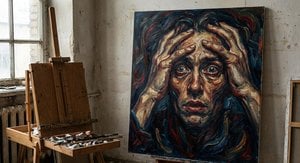
Figurative Expressionism: Emotional Intensity & Subjective Reality in 20th-Century Art
Explore the powerful world of Figurative Expressionism with ArtsDot. Discover key artists like Kirchner & Beckmann, understand its emotional depth, and learn how to collect this influential 20th-century art movement.