

 წინასწარი ნახვა
 გაგზავნა
 გაზიარება
 დეტალები
 გზამკვლევი

 ჩამოტვირთვა
 მსგავსები
 რენტგენოგრაფიული კვლევა
 სლაიდშოუ
 კითხვა-პასუხი
 სტატისტიკა
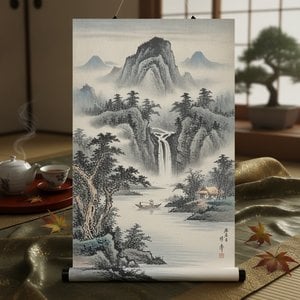
Making Ceramics

- 121.0cm x 43.0cm


 გააგრძელეთ კითხვა
გიკლე / ხელოვნების პრინტი
მუზეუმის დონის ჟიკლე ან ტილოზე ბეჭდვა სწრაფი წარმოებისა და დასრულების მოქნილი ვარიანტებით. ( შეიძინეთ ხელით შესრულებული ნახატი გადართვა ციფრულ გამოსახულებაზე)




































აირჩიეთ ჩვენს მიერ წინასწარ განსაზღვრული ზომებიდან, რომლებიც ნაწარმოების ორიგინალურ პროპორციებს შეესაბამება.

შეიყვანეთ თქვენთვის საჭირო სიგანე და სიმაღლე, რათა გამოსახულებამ თქვენს ჩარჩოს ან კედელს ზუსტად მოერგოს. ბეჭდვისას შესაძლებელია მხოლოდ მისი შემცირება და არა გაზრდა, ამიტომ სხვა ფორმის ზომის შემთხვევაში სურათი ნაწილობრივ იკარგება. სანამ რაიმეს დაბეჭდავთ, ჩვენ გამოგიგზავნით ციფრულ მაკეტს დასდასტურებლად. ამ გვერდზე ნაჩვენები სურათი არ ასახავს რეალურ ჭრას — ამას მხოლოდ მაკეტი გვიჩვენებს.
მიწოდება მთელ მსოფლიოში () 2 კვირაში, სტანდარტული 4/5 კვირის ნაცვლად. (10 ნოემბერი)

უფასო ექსპრეს მიწოდება მთელ მსოფლიოში

მაღალი ხარისხის ტილოს ქსოვილი

ტრანსპორტირების სრული დაზღვევა

საბაჟო გადასახადების დაბრუნების გარანტია

ფერების სრული შესაბამისობის გარანტია

დაბრუნების 100-დღიანი პოლიტიკა (მხოლოდ დეფექტის შემთხვევაში)

100% თანხის სრული დაბრუნების გარანტია

ფასდაკლება დიდი რაოდენობით შეკვეთისას
 მინის ჩარჩოს არჩევანი შესაძლებელია მხოლოდ 110 სმ-მდე ზომისთვის

Making Ceramics
გიკლე / ხელოვნების პრინტი
რეპროდუქციის ზომა
-


საბოლოო ღირებულება
₾ 164
კითხვები და პასუხები
სად შემიძლია Eiraku Hozen-ის „Making Ceramics“-ის ციფრული გამოსახულების შეძენა?
Eiraku Hozen-ის „Making Ceramics“-ის ციფრული ფაილის მისაღებად, შეუკვეთეთ მაღალი გარჩევადობის ციფრული გამოსახულების ჩამოტვირთვა მისი ციფრული გამოსახულება გვერდის მეშვეობით.
შესაძლებელია თუ არა Eiraku Hozen-ის „Making Ceramics“-ის რენტგენული გამოსახულების ნახვა?
Eiraku Hozen-ის „Making Ceramics“-ის რენტგენული ხედვა ხელოვნების ნიმუშის რენტგენოგრაფიული კვლევა გვერდზე წარმოდგენილია, როგორც გამოსახულების ინტერაქტიული შესწავლა თერთმეტი ოპტიკური ფენის მეშვეობით.
რამდენად მკვეთრი კონტრასტი აქვს Eiraku Hozen-ის „Making Ceramics“-ს?
ნამუშევრის „Making Ceramics“ სინათლისა და სიბნელის კონტრასტი შეფასებულია როგორც Serene. კონტრასტი აღწერს, თუ რამდენად მკვეთრად განსხვავდება ნათელი და ბნელი არეები ერთმანეთისგან.
დაკავშირებული ნამუშევრები


მხატვრის ბიოგრაფია
The Legacy of Eiraku Hozen: A Master of Kyoto Ceramics and Symbolism
In the heart of the Edo period, a time of profound cultural flourishing in Japan, the name eiraku hozen emerged as a beacon of artistic excellence. Born in Tokyo in 1795, also known by his name zengoro, Hozen was far more than a mere craftsman; he was the eleventh-generation master of the esteemed Nishimura family lineage. His life was deeply rooted in the traditions of Kyoto, specifically within the prestigious realm of kyo-yaki, or Kyoto-style ceramic art. This heritage provided him with a foundation of technical rigor, yet it was his ability to transcend mere imitation that secured his place in history. As he matured, particularly after 1827 when he began sealing his works with the mark “Eiraku,” he transformed from a skilled successor into an influential innovator whose reach extended far beyond the kilns of Kyoto.
The artistry of Hozen was a delicate dance between reverence for the past and a bold pursuit of the new. He possessed a remarkable ability to master the aesthetics of his predecessors, creating exquisite copies of Chinese porcelain and the legendary Ninsei ware. His technical repertoire was vast, ranging from the serene elegance of blue-and-white porcelain to the vibrant complexity of Cochin-style Kōchi ware, characterized by its rich polychrome glazes. One of his most breathtaking signatures was the application of kinrande—the delicate use of overglaze gold patterns upon a deep red ground—a technique that infused his ceramics with a sense of celestial splendor and prosperity. This mastery of light and color allowed him to produce tea utensils so refined they were highly prized by the legendary Sen family of tea masters, bridging the gap between functional craft and high art.
Innovation through Nature and Narrative
While Hozen was a master of clay, he was also an accomplished painter, using the brush to explore themes that resonated with the spiritual and natural world. His work often drew from the yamato-e movement, a style celebrated for its expressive brushstrokes and meticulous attention to the natural landscape. Through his paintings, he captured the ephemeral beauty of flowering cherry blossoms and the delicate melodies of birdsong, imbuing his art with a profound connection to the rhythms of life. This painterly sensibility bled into his ceramics, where he introduced unique motifs that challenged traditional boundaries. A striking example is his innovation of the bee and dragon motif, a symbolic combination that sparked a verbal debate through intricate inscriptions, demonstrating how he could weave complex narratives directly into the physical form of his vessels.
His contributions to the art world are perhaps best encapsulated in his ability to document the very soul of his craft. His celebrated series of hanging scrolls, known as Making Ceramics, serves as a breathtaking Sumi-e window into the Edo period. These works do not merely depict objects; they narrate the rhythmic, laborious process of ceramic production—from the slicing of clay slabs to the intense heat of the climbing kiln. Through these scrolls, Hozen immortalized the sweat and skill of the artisans, ensuring that the technical heritage of the Nishimura family would be preserved as a piece of fine art. In doing so, he achieved a rare feat: he became both the creator of the object and the chronicler of its creation, leaving behind a legacy that continues to inspire awe in the study of Japanese ceramic and painterly traditions.

Eiraku Hozen
1795 - 1854 , Japan
მოკლე ინფორმაცია
- Full Name: eiraku hozen
- Nationality: Japanese
- Date Of Birth: 1795
- Date Of Death: 1854
- Place Of Birth: Tokyo, Japan
- Notable Artworks:
- Making Ceramics
- 染付 蜂龍文高足杯
- Artistic Movement Or Style: Yamato-e
- Artists Or Movements Influenced By This Artist: ['Hamada Shōji']
დაკავშირებული სტატიები
Serenity on Canvas: A Guide to the Timeless Beauty of Japanese Landscape Painting
Discover the serene beauty of Japanese landscape painting. From Hokusai's iconic woodblock prints to meditative sumi-e ink washes, explore a visual journey through the 'floating world' and learn how to bring this timeless Zen aesthetic into your modern home decor.

The Alchemy of Clay: A Collector's Guide to the Mastery, Texture, and Timeless Form of Ceramic Art
Discover the profound beauty of ceramic art. Our expert guide explores the alchemy of clay, texture, and glaze, offering collectors deep insights into mastering earth and fire to create timeless, sculptural masterpieces for any curated collection.

კაცუსიკა ჰოკუსაის 25 შედევრი: იაპონური ხელოვნების გენიალური ნაწარმოებები თქვენს სახლში
გაიცანით კაცუსიკა ჰოკუსაის 25 შედევრი! იაპონური ხელოვნების გენიალური ნაწარმოებები, უქიო-ე სტილი და ფუჯის მთის გამოსახულებები. შეიძინეთ ხატვის რეკონსტრუქციები ArtsDot.com-ზე და შექმნით თქვენი სახლისთვის განსაკუთრებული ინტერიერი.

Floating World: The Captivating Art and Legacy of Japanese Ukiyo-e
Explore the profound beauty of Japanese Ukiyo-e. Discover the history, masters like Hokusai, and the enduring legacy of the 'Floating World' through an expert art-historical lens.

Suzuki Harunobu: Pioneering Ukiyo-e & the Refinement of Edo Period Printmaking
Discover the revolutionary world of Suzuki Harunobu, a pioneer of ukiyo-e printmaking. Explore his exquisite nishiki-e techniques, diverse subjects & lasting impact on Japanese art history. Learn more at ArtsDot.