


სურათი შეესაბამება თქვენს არჩევანს: , .
კოლექციონირებადი ნივთის აღწერა
Experience Edvard Munch's iconic 'untitled (3881)' – a haunting portrait capturing raw emotion and psychological depth from the master of Expressionism. Explore its symbolism & artistic legacy.
 გააგრძელეთ კითხვა
მხატვრის ბიოგრაფია
Expressionist pioneer Edvard Munch created the iconic The Scream. Discover his haunting masterpieces of anxiety and emotion today.
ზეთის საღებავით შესრულებული ხელით ნაკლნა
ტილოზე შესრულებული ფერწერიანი ზეთប្រდათი, თქვენთვის სასურველი ზომისა და ჩარჩოსთვის, ჩვენი ხელოვანების მიერ შეკვეთის საფუძველზე დამზადებული. ( ბეჭდვის რეჟიმზე გადართვა გადართვა ციფრულ გამოსახულებაზე)
მეტი ამ ნამუშევრის შესახებ
 წინასწარი ნახვა
 გაგზავნა
 გაზიარება
 დეტალები
 გზამკვლევი

 ჩამოტვირთვა
 მსგავსები
 რენტგენოგრაფიული კვლევა
 სლაიდშოუ
 კითხვა-პასუხი
 სტატისტიკა
შეუკვეთეთ თქვენი ნახატი ოთხ მარტივ ნაბიჯში
არ იჩქაროთ. ნებისმიერი არჩევანის შეცვლა შეგიძლიათ; თქვენს შეკვეთაში თითოეულ ვარიანტს თავისი ფასი აქვს.
1 პირველი ნაბიჯი ოთხიდან
რომელი ზომა გსურთ?
ეს ზომები ინარჩუნებს ორიგინალი ნახატის პროპორციებს. ილუსტრაციაზე ნაჩვენებია თქვენი არჩეული ზომა კედელზე, ორმეტრიანი სავარძლის ზემოთ.
ან მიუთითეთ თქვენი საკუთარი ზომები
აირჩიეთ ჩვენს მიერ წინასწარ განსაზღვრული ზომებიდან, რომლებიც ნაწარმოების ორიგინალურ პროპორციებს შეესაბამება.

შეიყვანეთ თქვენთვის საჭირო სიგანე და სიმაღლე, რათა ნახატი მოერგოს თქვენს ჩარჩოს ან კედელს. ვინაიდან ეს ნამუშევარი ხელით არის შესრულებული, სხვა ფორმის ზომის შემთხვევაში, მხატვარმა შესაძლოა სურათის გარშემო ოდნავ მეტი დატოვოს ან შეამციროს — არჩევანი თქვენზეა. დაწყებამდე, დასამტკიცებლად, ჩვენ გამოგიგზავნით ციფრულ მაკეტს. ამ გვერდზე ნაჩვენები სურათი არ ასახავს რეალურ შედეგს — რეალური სახე მხოლოდ მაკეტზე ჩანს.
2 მეორე ნაბიჯი ოთხიდან
როგორ უნდა იყოს მომზადებული: დახვეული, დაჭიმული თუ ჩარჩოში ჩასმული?
ქვემოთ მოცემული ფასები თქვენ მიერ პირველ საფეხურზე არჩეული ზომისთვისაა.
შეარჩიეთ დაჭიმული ტილოს კიდეები
შეარჩიეთ ჩარჩო

თეთრი კიდეები ₾1

ბუნდოვანი კიდეები ₾1

გაფართოებული კიდეები ₾1

P118B ₾10

P118H ₾10

P118W ₾10

P438Z ₾10

P508JH ₾12

P508YH ₾12

P805H ₾10

P805Z ₾10

P919BZ ₾10

P919G ₾10

P919XJ ₾10

P959ZH ₾10

P968JZ ₾12

W106C ₾8

W218G ₾10

W218JH ₾8

W218Y ₾10

W307PJ ₾10

W316G ₾10

W316PJ ₾8

W316Y ₾10

W398PJ ₾8

W4111J ₾10

W500HY ₾15

W500JH ₾15

W692G ₾12

W849H ₾8

W940BG ₾15

W953PJ ₾8

H24-GOLD ₾30

H24-SILVER ₾30

H36-GOLD ₾45

H36-SILVER ₾45
ჩარჩოჩენილი
ბაკეტის დეკორი: . ზომა ჩარჩოსთან ერთად: .
3 ნაბიჯი სამი ოთხიდან
გსურთ ნახატში რაიმე ცვლილების შეტანა?
ადამიანთა უმეტესობა უარს პასუხობს. ვინაიდან თითოეული ნახატი ხელით იქმნება, ჩვენს მხატვარს მისი თქვენთვის ადაპტირებაც შეუძლია.
შეკვეთის შემდეგ, ArtsDot.com გუნდი გამოგსტავთ ელექტრონულ წერილს ინსტრუქციებისთვის და მოგაწვდით წინასწარ ნახატის (mockup) პრევიუსს
4 ბოლო ნაბიჯი ოთხიდან ოთხი
დასრულების რამდენიმე ვარიანტი
ყველაფერი არჩევითია. უკვე შერჩეულ პასუხებს დამატებითი საფასური არ მოსთხოვს.
ვინ არის ავტორი?
მიწოდება მსოფლიო მასშტაბით -ში 3/4 კვირაში, სტანდარტული 5 კვირის ნაცვლად. (10 ნოემბერი). ხარისხზე კომპრომისის გაკეთება არ მოხდება.
სარდაფი, როგორც მუზეუმში?
ბრინჯაოს ამოკვეთილი ფირფიტის დეტალები
This elegant plaque features the artist's name and the title of the artwork, finely engraved for a timeless presentation.
It is made from bronze with a refined, elegant finish. The text is precisely laser-engraved for a sharp and permanent result. Measuring 9x2 cm, the plaque is compact yet easy to read. It's built to be durable and scratch-resistant, offering a professional, museum-quality look. Mounting is simple thanks to the included adhesive backing.
აკრილის გამჭვირვალე ფირფიტის დეტალები
The plaque includes essential engraved details such as the artist's name, the title of the artwork, the date it was created, the type of media used-like oil on canvas or watercolor-a brief description of the piece, and a QR code that links to the complete artwork information.
It is crafted from clear acrylic, offering a sleek, modern appearance. The text is UV-engraved in black to ensure strong visual contrast. With a size of 10x15 cm, it ensures optimal readability. It comes equipped with two metal hooks for secure wall mounting. The plaque is designed to be weather-resistant, making it suitable for various environments, and it includes interactive features that work seamlessly with smartphone scanning.
შავი აკრილის ფირფიტის დეტალები
This elegant plaque includes engraved information such as the artist's name, the title of the artwork, the date it was created, the type of media used (like oil on canvas or watercolor), a short description of the artwork, and a QR code for quick access to more information.
The plaque itself is made from refined black acrylic with a premium finish. The text is laser-engraved in white for high contrast and readability. Its size is 10x15 cm, designed to be easy to read. It comes with two metal hooks for professional mounting. The design is sleek and fits any interior style. It is also weather-resistant and durable, with built-in digital integration for mobile compatibility.
დამცავი ლაქის შერჩევა?
რა თარიღში გესაჭიროებათ?
✓ გადახედვა და შეკვეთა
თქვენი ნახატი ზუსტად ისეთი, როგორ შეუკვეთეთ

untitled (3881)
რეპროდუქციის მასალა
რეპროდუქციის ზომა
-

ელიტური უფროსი ხელოვანი
უფრო მეტი დეტალიზაცია, დახვეწილობა და დამატებითი დამუშავების დრო
-

რეკლამაციის ჩარჩო
-
-
ნებისმიერი მხარისთვის 105 სმ-ზე (დაახლოებით 41 ინჩი) მეტი ზომის ხელოვნებული ნამუშევრების ან რეპროდუქციებისთვის, ჩარჩო მოგზავნდება დაშლილ კომპლექტში. ეს მეთოდი უზრუნველყოფს უსაფრთხო მიწოდებას და თავიდან აგაცილებთ ტრანსპორტირებისას შესაძლო დაზიანებას.
საჭიროა პროფესიონალური აწყობა — ეს არ არის თვითმომსახურების (DIY) პროდუქტი.
კომპლექტის აწყობა და ტილოს დაჭიმვა უნდა განახორციელოს გამოცდილმა პროფესიონალმა ჩარჩოს დამამზადებელმა, ხის წებოს (არ შედის კომპლექტში), ტილოს დაჭიმვის ბერჭებისა და საკრამების გამოყენებით, რათა წებოს გასაშრობად ღერძები სწორად და სტაბილურად დაფიქსირდეს. არასწორი აწყობა ან ტილოს არათანაბარი დაჭიმვა შეიძლება გამოიწვიოს ნამუშევრის სამუდამო დაზიანება, რაც არ იფარება ჩვენი გარანტიით.
 ნებისმიერი მხარისთვის 105 სმ-ზე (დაახლოებით 41 ინჩი) მეტი ზომის ხელოვნებული ნამუშევრების ან რეპროდუქციებისთვის, ჩარჩო მოგზავნდება დაშლილ კომპლექტში. ეს მეთოდი უზრუნველყოფს უსაფრთხო მიწოდებას და თავიდან აგაცილებთ ტრანსპორტირებისას შესაძლო დაზიანებას.
კომპლექტში შედის მყარი ხის ყველა ღერძი, ზუსტად გაზომილი და საჭირო ზომაზე დაჭრილი.
აწყობისთვის გამოიყენება კომპლექტში არსებული ხრახნები; ასევე დაგჭირდებათ ხის წებო კუთხეების დასაკავშირებლად, რომელიც კომპლექტში არ შედის და მისი შეძენა ჩარჩოს დამამზადებელს დამოუკიდებლად მოუწევს.
საჭიროა პროფესიონალური ხელსაწყოები, რომლებიც არ შედის კომპლექტში: ტილოს დაჭიმვის ბრჭყალი (დამჭერი) და სამჭედლები, რათა წებოს გასაშრობ პროცესში რამკოს კუთხეები სწორად ფიქსირდეს.
მნიშვნელოვანია:
კუთხეების დასაკავშირებლად საჭიროა ხის წებო; სანამ წებო სრულად გაშრება, ღერძები დაფიქსირებული უნდა იყოს საკავშირეებით, ხოლო აწყობილ ჩარჩოზე ტილოს დასჭიმად საჭიროა ტილოს დასჭიმელი ბრჭჭვალი. არცერთი ეს ნივთი არ შედის კომპლექტში. გთხოვთ, ამ ზომის შეკვეთამდე წინასწარ დაგეგმოთ გამოცდილი პროფესიონალი ჩარჩოს დამზადებელი.

სახელოვანი ფირფიტა
-
-

დამცავი ლაქი
ბზინვარე ლაქი (აფერსკვიატებს ფერებს და იცავს სინათლისა და ტენისგან)
-

ნამუშევრის პერსონალიზაცია
რა შეიძლება შეიცვალოს (მაგალითები): სახის შეცვლა მომხმარებლის ფოტოთი; შინაური ცხოველის დამატება (მაგალითად, კატის დგებით შეცვლა); ფონზე ფარული შეტყობინების დამატება; ფონის ლანდშაფტის ან ელემენტების შეცვლა.
-

სასწრაფო
მიწოდება მსოფლიო მასშტაბით () 3-4 კვირაში, სტანდარტული 5 კვირის ნაცვლად. (10 ნოემბერი). ხარისხზე კომპრომისის გაკეთება არ მოხდება.
-
სწრაფი მიწოდება
მიწოდება მსოფლიოს მასშტაბით () 5 კვირაში. (17 ნოემბერი).
მოყვება
საბოლოო ღირებულება
₾ 683
მინის ჩარჩოს არჩევანი შესაძლებელია მხოლოდ 110 სმ-მდე ზომისთვის
თითოეულ შეკვეთასთან ერთად მოყვება
- უფასო ექსპრეს მიწოდება მთელ მსოფლიოში
- მაღალი ხარისხის ტილოს ქსოვილი
- ტრანსპორტირების სრული დაზღვევა
- საბაჟო გადასახადების დაბრუნების გარანტია
- ფერების სრული შესაბამისობის გარანტია
- დაბრუნების 100-დღიანი პოლიტიკა (მხოლოდ დეფექტის შემთხვევაში)
- 100% თანხის სრული დაბრუნების გარანტია
- ფასდაკლება დიდი რაოდენობით შეკვეთისას


The Echoes of Anxiety: Unveiling Edvard Munch’s “Untitled (3881)”
Edvard Munch's "Untitled (3881)," a haunting portrait emerging from the depths of his intensely personal and psychologically charged artistic vision, stands as a cornerstone of Expressionism. Painted in 1893, during a period of profound upheaval in his life and a burgeoning awareness of the anxieties permeating modern existence, this work transcends mere representation; it’s an embodiment of raw emotion, a visceral exploration of fear, isolation, and the unsettling fragility of the human psyche. The painting depicts three figures set within a dense, almost claustrophobic forest, yet its power lies not in detailed depiction but in the palpable sense of unease that radiates from every brushstroke.
At the heart of the composition stands a woman, her posture suggesting both vulnerability and a strange, unsettling dance. Her back is turned to the viewer, creating an immediate sense of distance and withholding – she’s not inviting connection but presenting herself as a figure caught in a private torment. Behind her, a man raises his hands in what could be interpreted as supplication or perhaps even a desperate plea for help. The third figure remains shrouded in shadow, adding to the overall atmosphere of mystery and ambiguity. Munch masterfully employs a limited palette dominated by deep blues, greens, and browns, colors traditionally associated with melancholy, darkness, and decay. These hues are not blended smoothly; instead, they’re applied in thick, agitated strokes that contribute significantly to the painting's turbulent emotional landscape.
A Window into Munch’s Inner World
Understanding “Untitled (3881)” requires delving into the context of Edvard Munch’s life. The late 19th century was a time of rapid social and technological change, marked by increasing urbanization, industrialization, and a growing sense of alienation. Simultaneously, philosophical currents like Nietzsche's proclamation of "God is dead" challenged traditional values and beliefs, leaving many grappling with existential questions. Munch himself experienced immense personal tragedy – the early deaths of his mother and sister from tuberculosis, coupled with his own struggles with mental illness—which profoundly shaped his artistic output. These experiences weren’t simply biographical details; they formed the bedrock of his symbolic language, fueling a relentless exploration of mortality, sickness, and the darker recesses of the human soul.
Munch's artistic journey began with Symbolism, influenced by artists like James McNeill Whistler, but he quickly developed a uniquely personal style. He experimented extensively with various media – oil paint, tempera, pastel, woodcut—each chosen to convey specific emotional nuances. “Untitled (3881)” exemplifies his mastery of color and texture. The brushstrokes are deliberately uneven and expressive, mirroring the turbulent emotions depicted within the scene. Notice how the figures seem almost to dissolve into the surrounding forest, blurring the boundaries between self and environment – a common motif in Munch’s work reflecting the feeling of being overwhelmed by one's surroundings.
Symbolism and Emotional Resonance
The symbolism embedded within “Untitled (3881)” is layered and open to interpretation. The woman’s back turned can be seen as representing a rejection of connection, a withdrawal from the world. The man’s raised hands suggest a desperate need for solace or perhaps an acknowledgment of shared suffering. The forest itself acts as a metaphor for the unconscious mind—a dark, impenetrable space filled with hidden dangers and unresolved anxieties. Some art historians have linked the painting to Munch's own experiences with mental illness, suggesting that it represents his struggle with inner demons.
The most striking element of the work is undoubtedly the central figure’s posture – a strange, almost ritualistic dance that evokes both fascination and unease. This gesture has been interpreted as representing a confrontation with mortality, a surrender to the forces of fate, or even a descent into madness. The painting's emotional impact is undeniably powerful, triggering feelings of anxiety, dread, and profound loneliness in the viewer. It’s not a comfortable image; it demands engagement and invites contemplation on the darker aspects of human existence.
A Timeless Masterpiece: Reproductions and Legacy
“Untitled (3881)” remains one of Edvard Munch's most enduringly captivating works, resonating with audiences across generations. ArtsDot offers meticulously crafted reproductions that faithfully capture the painting’s original intensity and emotional depth. These high-quality prints are available in a range of sizes and materials, allowing you to bring this iconic masterpiece into your home or office. Whether you're an art enthusiast, a collector seeking a significant addition to your collection, or simply someone drawn to evocative imagery, “Untitled (3881)” offers a profound glimpse into the mind of one of history’s most influential artists.
Explore more about this artwork and other masterpieces by Edvard Munch on our website: https://www.ArtsDot.com/en/art/edvard-munch-untitled-3881-9GEU39-en/
კითხვები და პასუხები
რა ეპოქაში შეიქმნა ედვარდ მუნკი-ის „untitled (3881)“?
ედვარდ მუნკი-ის „untitled (3881)“-ის ისტორიული პერიოდია 19th Century. ეს კლასიფიკაცია ნამუშევარს ხელოვნების ისტორიაში განსაზღვრავს.
რამდენად ჰარმონიულია ედვარდ მუნკი-ის „untitled (3881)“-ის ფერების შეხამება?
„untitled (3881)“-ის ფერების ჰარმონია აღწერილია, როგორც Strong Color Unity.
როგორი ქვეყნის ნამუშევარია Expressionism-ის სტილის „untitled (3881)“?
"untitled (3881)" თავისი შემქმნელის სამშობლოს მეშვეობით Expressionism მიმდინარეობას შვედეთი-სთან აკავშირებს.
დაკავშირებული ნამუშევრები


ედვარდ მუნკი
1863 - 1944, შვედეთი


დაკავშირებული სტატიები
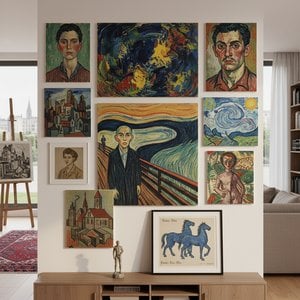
ექსპრესიონიზმის 10 შედევრი: ხელოვნება, რომელიც განაჩაღებს გრძნობებს
აღმოფრთოვანდით ექსპრესიონიზმის შედევრებით! ვან გოგი, მუნკი და სხვა ოსტატების 10 ყველაზე მნიშვნელოვანი ტილო. შეიგრძენემოციები, ფერები და ისტორია. იხილეთ ხელოვნების შესანიშნავი კოლექცია ArtsDot.com-ზე!

Edvard Munch: Anxiety, Modernity & the Dawn of Expressionism
Explore the profound world of Edvard Munch, pioneer of Expressionism. Discover the origins of 'The Scream' & his haunting depictions of anxiety, mortality, and love. Expert analysis & high-quality reproductions at ArtsDot.

ედვარდ მუნკის 25 შედევრი: ხელოვნების ისტორია თქვენს სახლში | ArtsDot
გაიცანით ედვარდ მუნკის 25 შედევრი! ექსპრესიონიზმის გენიის ნახატები, შფოთვისა და მელანქოლიის ისტორია. შეიძინეთ ხარისხიანი რეკრეაციები ArtsDot-ზე და შექმნით თქვენი სახლის უნიკალური ინტერიერი. აღმოაჩინეთ მთელი კოლექცია ონლაინ!