
 წინასწარი ნახვა
 გაგზავნა
 გაზიარება
 დეტალები
 გზამკვლევი

 ჩამოტვირთვა
 მსგავსები
 რენტგენოგრაფიული კვლევა
 სლაიდშოუ
 კითხვა-პასუხი
 სტატისტიკა
Harvest


 გააგრძელეთ კითხვა
გიკლე / ხელოვნების პრინტი
მუზეუმის დონის ჟიკლე ან ტილოზე ბეჭდვა სწრაფი წარმოებისა და დასრულების მოქნილი ვარიანტებით. ( შეიძინეთ ხელით შესრულებული ნახატი გადართვა ციფრულ გამოსახულებაზე)




P118B ₾10

P118H ₾10

P118W ₾10

P438Z ₾10

P508JH ₾12

P508YH ₾12

P805H ₾10

P805Z ₾10

P919BZ ₾10

P919G ₾10

P919XJ ₾10

P959ZH ₾10

P968JZ ₾12

W106C ₾8

W218G ₾10

W218JH ₾8

W218Y ₾10

W307PJ ₾10

W316G ₾10

W316PJ ₾8

W316Y ₾10

W398PJ ₾8

W4111J ₾10

W500HY ₾15

W500JH ₾15

W692G ₾12

W849H ₾8

W940BG ₾15

W953PJ ₾8




აირჩიეთ ჩვენს მიერ წინასწარ განსაზღვრული ზომებიდან, რომლებიც ნაწარმოების ორიგინალურ პროპორციებს შეესაბამება.

შეიყვანეთ თქვენთვის საჭირო სიგანე და სიმაღლე, რათა გამოსახულებამ თქვენს ჩარჩოს ან კედელს ზუსტად მოერგოს. ბეჭდვისას შესაძლებელია მხოლოდ მისი შემცირება და არა გაზრდა, ამიტომ სხვა ფორმის ზომის შემთხვევაში სურათი ნაწილობრივ იკარგება. სანამ რაიმეს დაბეჭდავთ, ჩვენ გამოგიგზავნით ციფრულ მაკეტს დასდასტურებლად. ამ გვერდზე ნაჩვენები სურათი არ ასახავს რეალურ ჭრას — ამას მხოლოდ მაკეტი გვიჩვენებს.
მიწოდება მთელ მსოფლიოში () 2 კვირაში, სტანდარტული 4/5 კვირის ნაცვლად. (17 ნოემბერი)

უფასო ექსპრეს მიწოდება მთელ მსოფლიოში

მაღალი ხარისხის ტილოს ქსოვილი

ტრანსპორტირების სრული დაზღვევა

საბაჟო გადასახადების დაბრუნების გარანტია

ფერების სრული შესაბამისობის გარანტია

დაბრუნების 100-დღიანი პოლიტიკა (მხოლოდ დეფექტის შემთხვევაში)

100% თანხის სრული დაბრუნების გარანტია

ფასდაკლება დიდი რაოდენობით შეკვეთისას
 მინის ჩარჩოს არჩევანი შესაძლებელია მხოლოდ 110 სმ-მდე ზომისთვის

Harvest
გიკლე / ხელოვნების პრინტი
რეპროდუქციის ზომა
-


საბოლოო ღირებულება
₾ 164
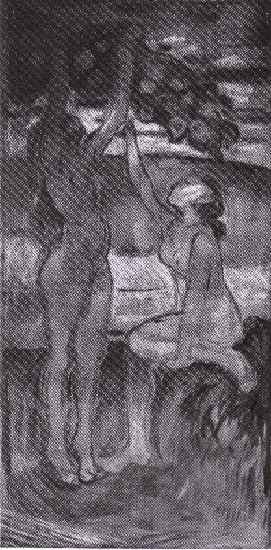
A Somber Symphony in Monochrome
In the quiet, evocative depths of Edvard Munch's 1909 masterpiece, "Harvest," we encounter a world where the boundaries between the physical landscape and the human psyche begin to dissolve. This striking black and white canvas serves as more than a mere depiction of a pastoral moment; it is a profound meditation on the cyclical nature of life, loss, and the enduring embrace of the natural world. As an exemplar of Expressionism, the painting eschews the objective clarity of realism to instead prioritize the visceral, emotional truth of the scene. Through a deliberate use of tonal variation and gestural brushwork, Munch invites the viewer into a space of quiet contemplation, where the rustle of leaves and the stillness of the figures suggest a moment suspended in time.
The composition is masterfully centered around two female figures positioned within a grove of trees. There is an intimate, almost voyeuristic quality to their placement, as if we have stumbled upon a private vigil. Munch employs a flattened perspective that heightens this sense of intimacy, bringing the background foliage into a closer, more pressing relationship with the subjects. The trees themselves, rendered with loose and spontaneous lines, reach upward like skeletal fingers, partially obscuring the sky and creating a sense of enclosure. This lack of rigid geometric structure allows for a dynamic portrayal of movement, where the organic shapes of the women's forms blend seamlessly into the irregular, textured contours of the landscape.
The Texture of Memory and Grief
To behold "Harvest" is to feel the weight of Munch’s personal history. The artist’s life was profoundly shaped by the shadows of mortality, specifically the premature deaths of his mother and sister from tuberculosis. These early traumas infused his work with a haunting preoccupation with grief and the fragility of existence. In this piece, the monochromatic palette—a spectrum of somber grays and deep blacks—acts as a visual echo of such sorrow. The absence of vibrant color strips away any superficial distractions, forcing the eye to focus on the impasto technique, where thick, layered applications of paint create a rugged, tactile surface. This textural richness mirrors the weathered landscape, suggesting that even in decay, there is a profound, textured beauty.
For the discerning collector or interior designer, "Harvest" offers an unparalleled emotional depth that can anchor a room with its quiet intensity. The painting does not demand attention through loud colors but commands it through atmospheric resonance. It functions as a window into the soul of Expressionism, making it an ideal centerpiece for spaces designed for reflection and intellectual engagement. Whether viewed as a study in light and shadow or as a symbolic narrative of life's fleeting nature, the artwork provides a sophisticated layer of storytelling to any curated collection.
Ultimately, Munch’s "Harvest" remains a timeless exploration of the human condition. It captures the tension between the vulnerability of the individual and the indomitable strength of nature. By embracing imperfection through his gestural strokes and avoiding the trap of photographic precision, Munch achieves a level of emotional resonance that continues to captivate modern audiences. It is a piece that does not merely sit upon a wall; it breathes with the heavy, beautiful rhythm of memory and the eternal cycle of the earth.
კითხვები და პასუხები
რა ტიპის ნამუშევარია ედვარდ მუნკი-ის „Harvest“?
კატალოგში ედვარდ მუნკი-ის „Harvest“ დახარისხებულია, როგორც WallArt. ეს კატეგორია დაგეხმარებათ მსგავსი ნამუშევრების პოვნაში.
ედვარდ მუნკი-ის შემოქმედების რომელი პერიოდის ნაწილია "Harvest"?
ედვარდ მუნკი-ის შემოქმედების პერიოდში „Harvest“ Mature Period-ს მიეკუთვნება. ეს ფაზა საშუალებას გვაძლევს, იგი ხელოვანის სხვა ნამუშევრებს შევადაროთ.
რა არის ედვარდ მუნკი-ის „Harvest“-ის დომინანტური ფერი?
ნამუშევარში "Harvest" ყველაზე თვალსაჩინო ფერია Espresso (#3c3539). დომინანტური ფერის ცოდნა სასარგებლოა ნამუშევრის ინტერიერთან შესაბამისობისთვის.
დაკავშირებული ნამუშევრები


დაკავშირებული სტატიები

Edvard Munch: Anxiety, Modernity & the Dawn of Expressionism
Explore the profound world of Edvard Munch, pioneer of Expressionism. Discover the origins of 'The Scream' & his haunting depictions of anxiety, mortality, and love. Expert analysis & high-quality reproductions at ArtsDot.

ედვარდ მუნკის 25 შედევრი: ხელოვნების ისტორია თქვენს სახლში | ArtsDot
გაიცანით ედვარდ მუნკის 25 შედევრი! ექსპრესიონიზმის გენიის ნახატები, შფოთვისა და მელანქოლიის ისტორია. შეიძინეთ ხარისხიანი რეკრეაციები ArtsDot-ზე და შექმნით თქვენი სახლის უნიკალური ინტერიერი. აღმოაჩინეთ მთელი კოლექცია ონლაინ!

Lamp Black & Masterpieces: 10 Paintings That Define Shadow & Light |
Delve into the captivating world of 'Lamp Black' tones with 10 iconic paintings by masters like Rembrandt & Caravaggio. Explore Baroque chiaroscuro, dramatic lighting & shadow in art history. Find museum-quality reproductions at
ექსპრესიონიზმის 10 შედევრი: ხელოვნება, რომელიც განაჩაღებს გრძნობებს
აღმოფრთოვანდით ექსპრესიონიზმის შედევრებით! ვან გოგი, მუნკი და სხვა ოსტატების 10 ყველაზე მნიშვნელოვანი ტილო. შეიგრძენემოციები, ფერები და ისტორია. იხილეთ ხელოვნების შესანიშნავი კოლექცია ArtsDot.com-ზე!

25 Must-See Masterpieces at Kunsthaus Zürich: A Curated Guide
Explore 25 iconic works from Kunsthaus Zürich, from Monet to Giacometti. Discover museum-quality art at ArtsDot.com.


