

 ნახვა ინტერьерში
 გაგზავნა
 გაზიარება
 დეტალები
 გზამკვლევი

 ჩამოტვირთვა
 მსგავსები
 რენტგენოგრაფიული კვლევა
 სლაიდშოუ
 კითხვა-პასუხი
 სტატისტიკა
Cantoria (detail)


 სრული ტექსტის ნახვა
გიკლე / ხელოვნების პრინტი
მუზეუმის დონის ჟიკლე ან ტილოზე ბეჭდვა სწრაფი წარმოებისა და დასრულების მოქნილი ვარიანტებით. ( შეიძინეთ ხელით შესრულებული ნახატი გადასვლა ციფრულ გამოსახულებაზე)




P118B ₾10

P118H ₾10

P118W ₾10

P438Z ₾10

P508JH ₾12

P508YH ₾12

P805H ₾10

P805Z ₾10

P919BZ ₾10

P919G ₾10

P919XJ ₾10

P959ZH ₾10

P968JZ ₾12

W106C ₾8

W218G ₾10

W218JH ₾8

W218Y ₾10

W307PJ ₾10

W316G ₾10

W316PJ ₾8

W316Y ₾10

W398PJ ₾8

W4111J ₾10

W500HY ₾15

W500JH ₾15

W692G ₾12

W849H ₾8

W940BG ₾15

W953PJ ₾8




აირჩიეთ ჩვენს მიერ წინასწარ განსაზღვრული ზომებიდან, რომლებიც ნაწარმოების ორიგინალურ პროპორციებს შეესაბამება.

შეიყვანეთ თქვენთვის საჭირო სიგანე და სიმაღლე, რათა იგი მოერგოს თქვენს ჩარჩოს ან კედელს. ბეჭდვისას შესაძლებელია მხოლოდ მისი შემცირება და არა გაზრდა, ამიტომ სხვა ფორმის ზომის შემთხვევაში გამოსახულება ნაწილობრივ იკარგება. სანამ რაიმეს დაბეჭდავთ, ჩვენ გამოგიგზავნით ციფრულ მაკეტს დასდასტურებლად. ამ გვერდზე ნაჩვენები სურათი არ ასახავს რეალურ ჭრას — ამას მხოლოდ მაკეტი გვიჩვენებს.
მიწოდება მთელ მსოფლიოში () 2 კვირაში, სტანდარტული 4/5 კვირის ნაცვლად. (4 ნოემბერი)

უფასო ექსპრეს მიწოდება მთელ მსოფლიოში

მაღალი ხარისხის ტილო

ტრანსპორტირების სრული დაზღვევა

საბაჟო გადასახადების დაბრუნების გარანტია

ფერების სრული შესაბამისობის გარანტია

დაბრუნების 100-დღიანი პერიოდი (მხოლოდ წარმოების დეფექტის შემთხვევაში)

100% თანხის სრული დაბრუნების გარანტია

ფასდაკლება დიდი რაოდენობით შეკვეთისას
 მინის ჩარჩოს არჩევანი ხელმისაწვდომია მხოლოდ 110 სმ-მდე ზომისთვის

Cantoria (detail)
გიკლე / ხელოვნების პრინტი
რეპროდუქციის ზომა
-


ჯამური ღირებულება
₾ 164
The Echoes of Florence: Donatello’s Cantoria
Donatello's "Cantoria," a breathtaking detail from the larger marble relief adorning the south sacristy doors of the Duomo in Florence, isn’t merely a sculpture; it’s a vibrant snapshot of Renaissance exuberance and spiritual aspiration. Crafted between 1433 and 1439 during a pivotal moment in Florentine art history, this fragment captures the dynamism of a celestial choir – angels dancing with an almost ecstatic joy, their forms rendered with a masterful blend of classical restraint and intensely expressive emotion. The sheer scale of the original work—a monumental frieze spanning nearly sixty feet—is immediately apparent even in this detailed section, hinting at the grandeur and ambition of Cosimo de’ Medici, who commissioned it as a testament to his patronage of the arts.
The technique employed is nothing short of revolutionary for its time. Donatello masterfully utilized a complex layering of materials: gleaming white marble forms the foundation, punctuated by strategically placed glass paste – a shimmering, iridescent substance that catches and refracts light with astonishing effect – and lavish inlays of gold. These elements aren’t simply decorative; they contribute to an overall sense of ethereal beauty, elevating the scene beyond mere representation and into the realm of pure visual delight. The subtle gradations of color achieved through the manipulation of these materials create a remarkable depth and luminosity, drawing the viewer into the heart of this animated tableau.
A Symphony of Movement and Symbolism
What immediately strikes the eye is the sheer energy contained within the figures. Donatello abandons the static formality often associated with early Renaissance sculpture, opting instead for a dynamic choreography of movement. The angels aren’t posed; they *dance*, their limbs outstretched in graceful arcs, their faces alight with expressions ranging from joyous laughter to rapturous contemplation. This deliberate embrace of motion reflects the humanist ideals that were gaining momentum during this period – a shift towards celebrating earthly experience and human potential. The composition itself is carefully balanced, creating a sense of visual harmony while simultaneously conveying a feeling of unrestrained vitality.
Beyond the purely aesthetic, “Cantoria” is rich in symbolic meaning. The angels themselves represent the heavenly choir, singing praises to God. Their gestures – holding instruments, raising their hands in adoration – are direct references to biblical texts and musical traditions. The swirling patterns of their movement evoke a sense of divine harmony and the interconnectedness of all things. The inclusion of children amongst the angelic figures suggests innocence, purity, and the promise of eternal life—a potent message for a society grappling with questions of faith and morality.
Contextualizing a Florentine Masterpiece
To fully appreciate “Cantoria,” it’s crucial to understand its historical context. Donatello was a pivotal figure in the transition from the Gothic to the Renaissance style, rejecting the elongated figures and stylized poses of his predecessors in favor of a more naturalistic and emotionally charged approach. His work profoundly influenced subsequent generations of artists, including Michelangelo and Raphael. The Cantoria itself was intended for the Duomo’s sacristy doors, a space dedicated to prayer and reflection – a fitting setting for such a visually arresting and spiritually evocative artwork.
The commission by Cosimo de' Medici underscores the importance of patronage in shaping Florentine art during this era. The Medici family were avid collectors and supporters of the arts, playing a key role in fostering an environment where creativity could flourish. “Cantoria” stands as a testament to their commitment to beauty, innovation, and the celebration of human achievement – a legacy that continues to resonate today.
A Timeless Vision
Even in this detailed fragment, “Cantoria” retains its power to captivate and inspire. Donatello’s masterful use of light, color, and movement creates an immersive experience for the viewer, transporting them to the heart of Renaissance Florence. The sculpture's enduring appeal lies not only in its technical brilliance but also in its profound exploration of human emotion and spiritual aspiration – a timeless vision that continues to resonate with audiences centuries later. Reproductions offer a remarkable opportunity to bring this extraordinary artwork into your home or office, allowing you to experience the beauty and energy of Donatello’s masterpiece firsthand.
კითხვები და პასუხები
რომელ ტონალობას უსვამს უპირატესობას "Cantoria (detail)"?
"Cantoria (detail)" უფრო მეტად Ochre to Sepia ტონს ეკვრის.
რა ორიენტაცია აქვს დონატელო-ის „Cantoria (detail)“-ს?
დონატელო-ის „Cantoria (detail)“ არის Landscape კომპოზიცია.បრিনტის ზომის შერჩევამდე ღირს პროპორციების გადამოწმება.
დონატელო-ის „Cantoria (detail)“ ღია ფერების ნამუშევარია თუ მუქი?
დონატელო-ის „Cantoria (detail)“-ისთვის დაფიქსირებული მნიშვნელობებია: balanced სიკაშკაშე, Soft Shadow განათება.


მხატვრის ბიოგრაფია
ადრეული ცხოვრება და კარიერა
დონატო დი ნიკოლო დი ბეტო ბარდი, რომელიც მსოფლიოს დონატელად არის ცნობილი, დაახლოებით 1386 წელს იტალიის ქალაქ ფლორენციაში დაიბადა. მან სიღრმისეულად შეისწავლა კლასიკური სკულპტურა, რამაც უდიდესი გავლენა მოახდინა ადრეული რენესანსის სტილის ჩამოყალიბებაზე. ხელოვნებისა და კულტურისადმი ეს ახლებური მიდგომა საბოლოოდ ფლორენტიული რენესანსის მთავარ ნიშნად იქცა.მთავარი ნამუშევრები და ინოვაციები
დონატელის ყველაზე ცნობილ შემოქმედებას, „დავითს“, ანტიკური ხანის შემდეგ პირველი თავისუფლად მდგარი მამაკაცის შიშველი სკულპტურა წარმოადგენდა. მედიჩების ოჯახის მიერ შეკვეთილმა ამ ნამუშევრმა დონატელის ინოვაციური სტილი და ტექნიკური ოსტატობა ყველას თვალს სადარდოოდ აჩვენა. მის სხვა გამორჩეულ ნამუშევრებს შორის აღსანიშნავია:- წმინდა ლუი ტულუზელი (ამჟამად სანტა კროჩეს ბაზილიკას მუზეუმში), რომელიც დონატელის მიერ შექმნილ კლასიკურ ჩარჩოს შეიცავს.
- ისაკის მსხვერპლშეწირვა, რომელიც ფლორენციის სანტა მარია დელ ფიორეს კამპანილისთვის შეიქმნა და გამოირჩევა პორტრეტული დეტალების სიმძაფრით.
- ჯვარცმა (1425) სანტა კროჩასთვის, სადაც ქრისტე ტანჯვის მომენტში არის გამოსახული.
მხატვრული სტილი და მემკვიდრეობა
დონატელის შემოქმედება შეიძლება რამდენიმე ფაზად დაიყოს, რომელიც დაიწყო ექსპრესიულობისა და კლასიკური მონუმენტურობის განვითარებით. მისი ნამუშევრები საზოგადოების მიერ მაშინვე არ იქნა აღიარებული, თუმცა მოგვიანებით უდიდეს პოპულარობას მოიპოვა და გავლენა მოახდინა სხვა იტალიურ სამარხოებსა და ევროპელ ხელოვანებზე. მთავარი სახელოვნებო მიმდინარეობები:პირადი ცხოვრება და სამუშაო სტილი
დონატელი ცნობილი იყო თავისი კეთილგანწყობითა და სიმხიბლურით, თუმცა მისი კარიერის ბიზნეს მხარე საკმაოდ სუსტი იყო. მას ხშირად უფრო მეტ შეკვეთას იღებდა, ვიდრე შეძლებდა შესრულებას, რის გამოც ნამუშევრებს ხშირად დაგვიანებით ასრულებდა ან სხვა სკუმშტორებს გადასცემდა. აღსანიშნავი ხელოვანები და ნამუშევრები:- ლეონარდო და ვინჩი: მადისმღობელობა (დეტალი)
- ამიკო ასპერტინი: პანის სტატუა / ლომი, რომელიც ცხენს კბილებს უჭერს
- მიკელანჯელო ბუონაროტი: ტონდო პიტტი
მუზეუმები და ხელოვნების კოლექციები:
- კოლეჯატას მუზეუმი (ემპოლი, იტალია): რენესანსის ნкрыლი 보ხატი, რომელიც ფრანჩესკო ბოტнициნისა და რაფაელო ბოტнициნის ნამუშევრებს აერთიანებს.
- ადრეული იტალიური რენესანსის ხელოვნების მიმდინარეობა

დონატელო
1386 - 1466 , იტალია
მოკლე ფაქტები
- Artistic Movement Or Style: ად Frühe Renaissance (ადრეული რენესანსი)
- Artists Or Movements Influenced By This Artist:
- იტალიური რენესანსი
- ადრეული რენესანსი
- ფლორენციული რენესანსი
- Artists Who Influenced This Artist: ['კლასიკური სკულპტურა']
- Date Of Birth: დაახლ. 1386
- Date Of Death: 1466
- Full Name: დონატელო დი ნიკოლო
- Nationality: იტალიელი
- Notable Artworks:
- დავითი
- ტულუზელი წმინდა ლუი
- ისაკის მსხვერპლშეღება
- ჯვარცმა
- Place Of Birth: ფლორენცია, იტალია
მსგავსი სტატიები

Bronze Sculptures That Defined Art History | ArtsDot
Journey through art history with our Top 10 bronze sculptures! Explore masterpieces by Rodin, Michelangelo & more. Discover stories behind iconic statues and find museum-quality reproductions for your home decor at ArtsDot.com.

The Enduring Form: Sculpture Across History, Technique & Emotional Resonance
Explore the rich history of sculpture with ArtsDot. Discover key techniques, influential artists & investment potential for discerning collectors. Expert insights into valuing and collecting timeless masterpieces.

The Enduring Form: Exploring Themes & Techniques in Sculpture Across Historical Periods
Explore the rich history of sculpture from ancient masterpieces to contemporary innovations. Discover key techniques, influential artists & investment potential for discerning art collectors.

Bronze Age to Modern Masters: 10 Sculptures That Redefined Art | ArtsDot
Journey through art history with 10 legendary bronze sculptures – from Michelangelo's David to Rodin’s Thinker. Explore the stories, techniques & timeless beauty of these masterpieces. Find museum-quality reproductions & elevate your home decor on ArtsDot.com.
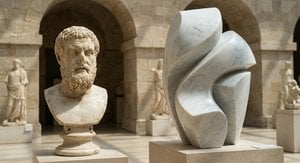
The Enduring Allure of Marble in Art History: From Classical Sculpture to Modern Abstraction
Explore the captivating history of marble sculpture from ancient Greece to modern art. Discover renowned artists like Canova & Michelangelo, carving techniques, and investment insights at ArtsDot.