


 ნახვა ინტერьерში
 გაგზავნა
 გაზიარება
 დეტალები
 გზამკვლევი

 ჩამოტვირთვა
 მსგავსები
 რენტგენოგრაფიული კვლევა
 სლაიდშოუ
 სტატისტიკა
მხდარი დიალოგი


 სრული ტექსტის ნახვა
გიკლე / ხელოვნების პრინტი
მუზეუმის დონის ჟიკლე ან ტილოზე ბეჭდვა სწრაფი წარმოებისა და დასრულების მოქნილი ვარიანტებით. ( შეიძინეთ ხელით შესრულებული ნახატი გადასვლა ციფრულ გამოსახულებაზე)




P118B $10

P118H $10

P118W $10

P438Z $10

P508JH $12

P508YH $12

P805H $10

P805Z $10

P919BZ $10

P919G $10

P919XJ $10

P959ZH $10

P968JZ $12

W106C $8

W218G $10

W218JH $8

W218Y $10

W307PJ $10

W316G $10

W316PJ $8

W316Y $10

W398PJ $8

W4111J $10

W500HY $15

W500JH $15

W692G $12

W849H $8

W940BG $15

W953PJ $8




აირჩიეთ ჩვენს მიერ წინასწარ განსაზღვრული ზომებიდან, რომლებიც ნაწარმოების ორიგინალურ პროპორციებს შეესაბამება.

თქვენ შეგიძლიათ მიუთითოთ საკუთარი ზომები კონკრეტული ჩარჩოსთვის ან სივრცისთვის მოსარგებლებლად. თუ თქვენ მიერ არჩეული ზომა არ შეესაბამება ორიგინალი გამოსახულების პროპორციებს, ჩვენ ან დავჭრით ნამუშევარს, ან გავაფართოვებთ გამოსახულებას სარკული ან ერთფეროვანი კიდეებით. წარმოების დაწყებამდე თქვენს დასამტკიცებლად გამოგეგზავნებათ ციფრული მაკეტი.
გთხოვთ, გაითვალისწინოთ, რომ ეკრანზე ნაჩვენები წინასწარი ნახვა არ ასახავს რეალურ ჭრას ან გაფართოებას. მხოლოდ მაკეტზე იქნება ზუსტად წარმოდგენილი საბოლოო კომპოზიცია.
მიუხედავად იმისა, რომ ინდივიდუალური ზომები ხელმისაწვდომია, ორიგინალური პროპორციების შესანარჩუნებლად გირჩევთ, აირჩიოთ ზომა წინასწარ განსაზღვრული სიისგან.
მიწოდება მთელ მსოფლიოში () 2 კვირაში, სტანდარტული 4/5 კვირის ნაცვლად. (27 სექტემბერი)

უფასო ექსპრეს მიწოდება მთელ მსოფლიოში

მაღალი ხარისხის ტილო

ტრანსპორტირების სრული დაზღვევა

საბაჟო გადასახადების დაბრუნების გარანტია

ფერების სრული შესაბამისობის გარანტია

დაბრუნების 100-დღიანი პერიოდი (მხოლოდ წარმოების დეფექტის შემთხვევაში)

100% თანხის სრული დაბრუნების გარანტია

ფასდაკლება დიდი რაოდენობით შეკვეთისას
 მინის ჩარჩოს არჩევანი ხელმისაწვდომია მხოლოდ 110 სმ-მდე ზომისთვის

მხდარი დიალოგი
გიკლე / ხელოვნების პრინტი
რეპროდუქციის ზომა
-


ჯამური ღირებულება
$ 62
Silent Conversation – A Dialogue Between Tradition and Modernity
Dattatray Gundo Kulkarni’s “Silent Conversation” stands as a remarkable achievement in Indian modernist art, encapsulating a profound exploration of human connection amidst the complexities of artistic expression. Painted in 1970, this monochrome masterpiece transcends mere visual representation; it invites contemplation on themes of intimacy, shared experience and unspoken understanding—elements deeply rooted in both Hindu philosophy and the burgeoning avant-garde movement.
- Subject Matter: The artwork depicts a group of individuals seated together, engaged in what appears to be an earnest discussion. A chair serves as focal point, subtly suggesting a moment of repose and reflection within the dynamic interplay of human interaction.
- Style: Kulkarni’s style leans heavily towards abstraction, prioritizing tonal variations and geometric forms over detailed depiction. This deliberate simplification aligns with the broader ethos of the Progressive Artists' Group, which championed stylistic innovation as a means of conveying emotional depth.
Technique: Executed in black ink on paper, “Silent Conversation” demonstrates Kulkarni’s mastery of tonal shading—a technique honed during his formative years at Sir Jamsetjee Jeejebhoy School of Art. The artist skillfully utilizes subtle gradations to create a sense of depth and atmosphere, emphasizing the contours of figures and furniture alike. This meticulous attention to detail speaks volumes about his dedication to craftmanship.
Historical Context: Created during the Cold War era, “Silent Conversation” reflects the anxieties and aspirations of India’s artistic intelligentsia as they navigated the challenges posed by Western influences while striving to forge a distinctly Indian aesthetic. The artwork embodies the spirit of experimentation prevalent in the Bombay Group—a collective committed to redefining visual art through bold stylistic choices.
- Symbolism: The chair itself is laden with symbolic significance, representing stability and grounding amidst the flow of conversation. It serves as a reminder that even in moments of intense dialogue, there exists an underlying foundation of shared humanity.
- Emotional Impact: “Silent Conversation” evokes feelings of serenity, empathy and contemplation. Its muted palette encourages viewers to immerse themselves in the scene’s quiet drama—to consider not what is spoken aloud but what remains unspoken between individuals.
This evocative artwork continues to resonate with collectors and interior designers alike who appreciate its understated elegance and profound philosophical undercurrents. A high-quality reproduction captures the essence of Kulkarni's vision, allowing admirers worldwide to experience the enduring beauty of this seminal piece.
მსგავსი ნამუშევრები


მხატვრის ბიოგრაფია
The Independent Spirit: The Life and Legacy of Dattatray Gundo Kulkarni
Dattatray Gundo Kulkarni, known to the art world by the evocative moniker Dizi, remains one of the most compelling and singular voices in twentieth-century Indian modernism. Born on December 28, 1921, in the village of Shedbal, Karnataka, his life was a profound testament to the pursuit of artistic truth over external acclaim. While many of his contemporaries sought refuge in established movements, Dizi maintained a fiercely independent path, characterized by an unwavering commitment to his own creative vision. His journey was not merely one of aesthetic evolution but also one of personal resilience; during the Quit India movement of 1942, his patriotic fervor led to imprisonment, an experience that left him with a lifelong limp but perhaps deepened the raw intensity found within his work.
His formal artistic foundation was laid at the prestigious Sir Jamsetjee Jeejebhoy School of Art in Mumbai. It was during these formative years that he balanced the practical necessity of working as an illustrator and cartoonist with his burgeoning passion for fine art. This dual existence allowed him to master the precision of line and the wit of caricature, skills that would later inform the structural integrity of his paintings and sculptures. The name Dizi emerged from this period, becoming a symbol of an artist whose personality and style were inextricably linked. Though he held brief affiliations with the Progressive Artists’ Group and the Bombay Group, he never allowed himself to be subsumed by any single school, preferring instead to exist in the vibrant, often turbulent, center of India's modernizing art scene.
A Mastery of Form and Evolution of Tone
The evolution of Dizi’s technique is a fascinating study in artistic maturation. In his early career, his palette was characterized by a certain brightness—vibrant, gay, and light colors that captured the energy of a young artist exploring the possibilities of medium. However, as he matured, his work underwent a profound transformation. He began to eschew superficial ornamentation and flamboyant color in favor of a more sombre and meditative representation. This shift toward deeper tones, mass, and volume allowed him to explore the very essence of form, creating works that felt grounded and monumental even in their most minimalist expressions.
His versatility was truly remarkable, spanning three distinct media: drawing, painting, and sculpture. Whether he was capturing nuanced details in an intricate drawing, exploring abstract depths in a painting, or manipulating physical space through sculpture, his core philosophy remained constant. He sought to convey an honest representation of inner truth, a goal shared by his close friends and contemporaries, V. S. Gaitonde and S. B. Palsikar. His work often reflected a minimalist approach, reminiscent of the post-war European movements, where simplicity was used as a tool to probe the complexities of human psychology and existence. In his art, one finds a deliberate rejection of the decorative, replaced by a search for a core essence that resonates far beyond the canvas.
Honors and Historical Significance
Dizi’s contribution to Indian art is marked by both his technical mastery and his philosophical depth. He was an artist who believed in surrendering to the center of life without losing one's individual identity, a sentiment that permeates his entire oeuvre. His ability to mirror his own personality through his artistic style made him a unique figure—a rebel with a refined sensibility. This dedication to integrity did not go unnoticed by the institutional art community, which recognized his profound impact on the landscape of Indian modernism.
Throughout his career, he received several prestigious accolades that honored his lifelong commitment to excellence:
- Lalit Kala Akademi Award (1967): A significant recognition of his contribution to the national art scene in India.
- Maharashtra Gaurav Puraskar (1990): An honor reflecting his deep connection to and impact on the cultural heritage of Maharashtra.
Today, the legacy of Dattatray Gundo Kulkarni lives on through works that continue to challenge and inspire. His ability to blend traditional Indian aesthetics with modernist experimentation ensures his place in the canon of great modernists. He remains a symbol of the artist as an independent thinker—one who navigates the complexities of history, politics, and personal struggle to emerge with a voice that is unmistakably, and eternally, his own.

dattatray gundo kulkarni
1921 - 1992 , India
მოკლე ფაქტები
- Artistic Movement Or Style: Modernist
- Artists Or Movements Influenced By This Artist: ['Wassily Kandinsky']
- Artists Who Influenced This Artist:
- V. S. Gaitonde
- S. B. Palsikar
- Date Of Birth: December 28, 1921
- Date Of Death: November 16, 1992
- Full Name: Dattatray Gundo Kulkarni
- Nationality: Indian
- Notable Artworks:
- Dizi's Sculptures
- Dizi's Paintings
- Place Of Birth: Shendra, India
მსგავსი სტატიები

White on Canvas: 10 Masterpieces & Timeless Elegance for Your Home Decor
Explore 10 iconic white paintings by Monet, Whistler & Rothko! Discover the stories behind these serene masterpieces and their impact on art history. Find museum-quality reproductions for your home decor at .

Kandinsky's Masterpieces: 25 Paintings That Define Abstract Art | ArtsDot
Journey through Wassily Kandinsky's 25 most iconic abstract paintings. Explore his revolutionary use of color, form & spiritual expressionism. Find museum-quality Kandinsky reproductions and elevate your home decor with ArtsDot.com. Discover all masterpieces on ArtsDot.com!
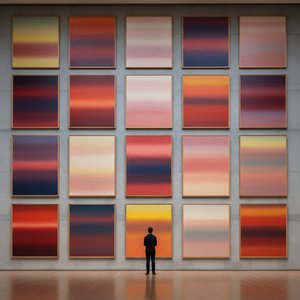
მარკ როთკოს 25 საუკეთესო შედევრი: ფერების სიმღერა თქვენს სახლში | ArtsDot.com
აღმოაჩინეთ მარკ როთკოს 25 საუკეთესო შედევრი! გაიგეთ აბსტრაქტული ექსპრესიონიზმის ისტორია, ფერების სიმღერა და მათი გავლენა თანამედროვე ხელოვნებაზე. ხარისხიანი რეპროდუქციები ArtsDot.com-ზე. Explore the full collection online!

კაზიმირ მალევიჩის 25 შედევრი: ხელოვნების ისტორიაში რევოლუცია | ArtsDot.com
გაიცანით კაზიმირ მალევიჩის 25 შედევრი! სუპრემატიზმის ისტორია, შავი კვადრატი და სხვა გამორჩეული ნახატები. შეიძინეთ ხელოვნების რეპლიკები ArtsDot.com-ზე და შექმნით თქვენი სახლის უნიკალური ინტერიერი. Explore the full collection online!

Dark Masterpieces: 10 Iconic Paintings Dominated by Black Tones |
Explore 10 iconic paintings dominated by black tones, from Rembrandt’s chiaroscuro to Goya's dark expressions. Discover the stories behind these masterpieces & find museum-quality art reproductions for your home at .
