


 წინასწარი ნახვა
 გაგზავნა
 გაზიარება
 დეტალები

 ჩამოტვირთვა
 მსგავსები
 რენტგენოგრაფიული კვლევა
 სლაიდშოუ
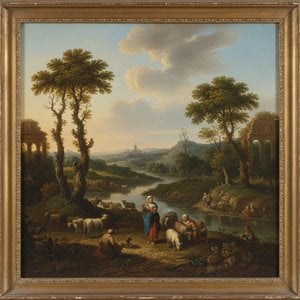
Landscape With Cottage And Bridge

 გადასართად დაწვრილებით ნახეთ
ხელით ნაკვეთი ზეთის ტილოს რეპროდუქცია
ტილოზე შესრულებული ფერწერიანი ზეთប្រდათი, თქვენთვის სასურველი ზომისა და ჩარჩოსთვის, ჩვენი ხელოვანების მიერ შეკვეთის საფუძველზე დამზადებული. ( შეიძინეთ პრინტი შეიძინეთ გამოსახულება)




































აირჩიეთ ჩვენს მიერ წინასწარ განსაზღვრული ზომებიდან, რომლებიც ნაწარმოების ორიგინალურ პროპორციებს შეესაბამება.

თქვენ შეგიძლიათ მიუთითოთ თქვენთვის სასურველი ზომები კონკრეტული ჩარჩოს ან სივრცის შესაბამისად. თუ თქვენ მიერ არჩეული ზომა არ შეესაბამება ორიგინალი გამოსახულების პროპორციებს, ჩვენ ან შევაჭრებთ ნაწარმოებს, ან ტილოზე დავამატებთ ხელით მოხატულ ელემენტებს. წარმოების დაწყებამდე, დამტკიცებისთვის გამოგეგზავნებათ ციფრული მაკეტი.
გთხოვთ, გაითვალისწინოთ, რომ ეკრანზე ნაჩვენები წინასწარი შეხედულება არ ასახავს რეალურ შეჭრას ან გაფართოებას. საბოლოო კომპოზიციას ზუსტად მხოლოდ მაკეტი წარმოაჩენს.
მიუხედავად იმისა, რომ შესაძლებელია ინდივიდუალური ზომების შერჩევა, ორიგინალური პროპორციების შენარჩუნებისათვის გირჩევთ, გამოიყენოთ წინასწარ განსაზღვრული სიის ზომები.
შეკვეთის შემდეგ, ArtsDot.com გუნდი დაგიკავშირდებათ ელექტრონული ფოსტით ინსტრუქციებისთვის და გამოგიგზავნით წინასწარ ნახაზს (mockup).
მიწოდება მსოფლიო მასშტაბით -ში 3/4 კვირაში, სტანდარტული 5 კვირის ნაცვლად. (4 სექტემბერი). ხარისხზე კომპრომისის გაკეთება არ მოხდება.

უფასო ექსპრეს მიწოდება მთელ მსოფლიოში

საბამად მაღალი ხარისხის ტილო

სრული ტრანსპორტირების დაზღვევა

საბაჟო გადასახადების დაბრუნების გარანტია

ფერების სრული შესაბამისობის გარანტია

60-დღიანი დაბრუნების პოლიტიკა (მხოლოდ დეფექტის შემთხვევაში)

100% თანხის დაბრუნების გარანტია

ფასდაკლება დიდი რაოდენობით შეკვეთისას
 მინის ჩარჩოს არჩევანი ხელმისაწვდომია მხოლოდ 110 სმ-ზე ნაკლები ზომისთვის

Landscape With Cottage And Bridge
რეკლამაციის ტექნიკა
რეკლამაციის ზომა
-


საბოლოო ფასი
$ 263
დაკავშირებული ნამუშევრები


მხატვრის ბიოგრაფია
The Serene Vision of Cornelius Decker
In the golden light of the seventeenth century, amidst the bustling artistic fervor of Haarlem, the works of Cornelius Gerritsz. Decker emerged as a quiet sanctuary for the soul. A master of the Dutch Golden Age, Decker possessed a rare ability to capture the profound stillness of the natural world, transforming simple river landscapes and rural vistas into poetic meditations on tranquility. While the biographical shadows surrounding his early years remain somewhat elusive, we know him to have been a vital presence in the Haarlem artistic community, a painter whose brushstrokes breathed life into the atmospheric textures of the Dutch countryside.
Decker’s artistic journey was deeply rooted in the prestigious traditions of his era. He sought mastery under the guidance of Gerrit Claesz Bleker, a respected figure who passed down the stylistic legacies of landscape giants like Jacob van Ruisdael and Salomon van Ruysdael. This lineage is evident in Decker’s sophisticated use of pyramidal compositions and his command over muted, earthy palettes that evoke the soft, shifting light of the Low Countries. His entry into the Haarlem Guild of St. Luke in 1643 marked his formal ascent into the professional elite, a milestone that allowed him to engage with the most significant artistic currents of his time.
A Tapestry of Landscape and Life
To gaze upon a Decker landscape is to enter a world where time seems to decelerate. His canvases often feature winding rivers, sturdy bridges, and humble cottages, all rendered with an exquisite attention to atmospheric perspective. He did not merely paint scenery; he painted the very air that hangs over a summer meadow or a misty riverbank. Through meticulous detail and a harmonious blend of observation and imagination, Decker achieved a sense of grandeur within the seemingly ordinary. His work often serves as a window into the pastoral rhythms of Dutch life, where the movement of a small boat or the presence of distant figures adds a layer of human narrative to the vastness of nature.
The brilliance of his compositions was frequently enhanced through the art of collaboration. Decker had the remarkable ability to integrate staffage—the small, lively figures that populate his scenes—into his landscapes with seamless grace. He worked alongside contemporaries such as Adriaen van Ostade, Philips Wouwerman, and Johannes Lingelbach, whose contributions of peasants, travelers, or animals provided a dynamic counterpoint to his serene environments. These collaborations highlight the interconnectedness of the Haarlem school, where individual talents merged to create a collective vision of Dutch prosperity and natural beauty.
Legacy of the Golden Age
Though history occasionally overlooks the more subtle masters in favor of the more dramatic, the significance of Cornelius Decker remains undiminished for those who seek the quietude of the Dutch tradition. His ability to imitate and evolve from the styles of Jan Wynants and Wouwerman while maintaining his own distinctive, tranquil voice allowed him to leave an indelible mark on the landscape genre. He captured a specific moment in history—a period of profound stability and aesthetic refinement—ensuring that the peaceful essence of the seventeenth-century Dutch landscape would endure through the centuries.
Today, Decker’s legacy lives on in the museums and collections that house his masterpieces, where his river scenes continue to offer a sense of peace to the modern viewer. His work stands as a testament to the power of the landscape to convey complex human emotions, from the humble contentment of rural life to the sublime majesty of the natural world. Through his eyes, we are reminded of the beauty found in the stillness, and the enduring strength of the Dutch Golden Age spirit.

cornelius decker
1623 - 1678
მოკლე ინფორმაცია
- Artistic Movement Or Style: Dutch Golden Age Landscape Painting
- Artists Or Movements Influenced By This Artist: ['Johannes Lingelbach']
- Artists Who Influenced This Artist:
- Jacob van Ruisdael
- Salomon van Ruysdael
- Date Of Death: 1678
- Full Name: Cornelis Gerritsz Decker
- Nationality: Dutch
- Notable Artworks:
- Canal with bridge
- Windmill
- Place Of Birth: Haarlem
დაკავშირებული სტატიები

ჰოლანდიის ოქროს ხანა: 10 შედევრი, რომელმაც განსაზღვრა ხელოვნება
აღმოფრთოვანდით ჰოლანდიის ოქროს ხანას! 10 შედევრი რემბრანტის, ვერმეერის და სხვა დიდებულებისგან. ითვლით ხელოვნების ისტორიას, აღმოაჩინეთ მათი ტექნიკები და შეიძინეთ музейური ხარისხის რეპროდუქციები ArtsDot.com-ზე!

Golden Light & Dutch Skies: Bringing the Magic of Dutch Golden Age Landscapes into Your Home
Transform your home with the breathtaking light of Dutch Golden Age landscapes. Discover how hand-painted oil reproductions of masterworks like Ruisdael and Vermeer bring timeless elegance, atmosphere, and soulful texture to modern interiors. Elevate your space with museum-quality art.
Nicolaes Berchem: Dutch Golden Age Pastoralism & the Evolution of Landscape Painting
Explore the captivating world of Nicolaes Berchem, a leading Dutch Golden Age painter. Discover his idyllic landscapes, masterful technique & lasting influence on art history. Learn more at ArtsDot.

Charles Leickert: Capturing the Dutch Golden Age Light – A Comprehensive Study of Technique, Context, and Legacy
Explore the captivating winter landscapes of Charles Leickert, a master of Dutch Golden Age light & atmosphere. Discover his techniques, symbolism, and lasting legacy – a comprehensive study for art enthusiasts and collectors.

Golden Age Reflections: Dutch Baroque Painting & Cultural Innovation
Explore the Dutch Golden Age of painting! Discover key artists like Vermeer & ter Borch, their innovative techniques, and the rich cultural context behind these Baroque masterpieces. Learn about collecting & appreciating this iconic art period.

