

 წინასწარი ნახვა
 გაგზავნა
 გაზიარება
 დეტალები
 გზამკვლევი

 ჩამოტვირთვა
 მსგავსები
 რენტგენოგრაფიული კვლევა
 სლაიდშოუ
 კითხვა-პასუხი
 სტატისტიკა
მშვილდა

- 81.0 x 60.0 cm


 გააგრძელეთ კითხვა
გიკლე / ხელოვნების პრინტი
მუზეუმის დონის ჟიკლე ან ტილოზე ბეჭდვა სწრაფი წარმოებისა და დასრულების მოქნილი ვარიანტებით. ( შეიძინეთ ხელით შესრულებული ნახატი გადართვა ციფრულ გამოსახულებაზე)




P118B ₾10

P118H ₾10

P118W ₾10

P438Z ₾10

P508JH ₾12

P508YH ₾12

P805H ₾10

P805Z ₾10

P919BZ ₾10

P919G ₾10

P919XJ ₾10

P959ZH ₾10

P968JZ ₾12

W106C ₾8

W218G ₾10

W218JH ₾8

W218Y ₾10

W307PJ ₾10

W316G ₾10

W316PJ ₾8

W316Y ₾10

W398PJ ₾8

W4111J ₾10

W500HY ₾15

W500JH ₾15

W692G ₾12

W849H ₾8

W940BG ₾15

W953PJ ₾8




აირჩიეთ ჩვენს მიერ წინასწარ განსაზღვრული ზომებიდან, რომლებიც ნაწარმოების ორიგინალურ პროპორციებს შეესაბამება.

შეიყვანეთ თქვენთვის საჭირო სიგანე და სიმაღლე, რათა გამოსახულებამ თქვენს ჩარჩოს ან კედელს ზუსტად მოერგოს. ბეჭდვისას შესაძლებელია მხოლოდ მისი შემცირება და არა გაზრდა, ამიტომ სხვა ფორმის ზომის შემთხვევაში სურათი ნაწილობრივ იკარგება. სანამ რაიმეს დაბეჭდავთ, ჩვენ გამოგიგზავნით ციფრულ მაკეტს დასდასტურებლად. ამ გვერდზე ნაჩვენები სურათი არ ასახავს რეალურ ჭრას — ამას მხოლოდ მაკეტი გვიჩვენებს.
მიწოდება მთელ მსოფლიოში () 2 კვირაში, სტანდარტული 4/5 კვირის ნაცვლად. (11 ნოემბერი)

უფასო ექსპრეს მიწოდება მთელ მსოფლიოში

მაღალი ხარისხის ტილოს ქსოვილი

ტრანსპორტირების სრული დაზღვევა

საბაჟო გადასახადების დაბრუნების გარანტია

ფერების სრული შესაბამისობის გარანტია

დაბრუნების 100-დღიანი პოლიტიკა (მხოლოდ დეფექტის შემთხვევაში)

100% თანხის სრული დაბრუნების გარანტია

ფასდაკლება დიდი რაოდენობით შეკვეთისას
 მინის ჩარჩოს არჩევანი შესაძლებელია მხოლოდ 110 სმ-მდე ზომისთვის

მშვილდა
გიკლე / ხელოვნების პრინტი
რეპროდუქციის ზომა
-


საბოლოო ღირებულება
₾ 164
A Symphony of Light and Color: Exploring Claude Monet’s ‘Spring’
Claude Monet, arguably the father figure of Impressionism, didn't merely depict landscapes; he wrestled with capturing fleeting moments—the ephemeral dance between sunlight and shadow—transforming ordinary scenes into extraordinary expressions of emotion. Born in Paris on November 14, 1840, his formative years were spent amidst the bustling port city of Le Havre, Normandy, where his family relocated when he was just five. This early exposure to the sea’s shifting moods instilled within him a lifelong fascination with observing and recording natural phenomena—a passion that would become the cornerstone of his artistic vision. While initially pursuing a path toward commercial success dictated by his father, Monet's innate talent for drawing quickly shone through, earning him recognition as a young artist who captivated audiences with his evocative charcoal sketches. However, it was Eugène Boudin’s influence that truly revolutionized Monet’s approach to painting. Boudin championed *plein air*—painting outdoors directly from nature—a radical departure from the studio traditions of the time. Recognizing Boudin's profound understanding of light and color, Monet embraced this method wholeheartedly, embarking on a journey to translate the immediacy of observation onto canvas. This pivotal encounter cemented his belief that art should strive to mirror the sensory experience of life itself.The Painting: A Serene Landscape Embodied in Impressionistic Technique
Measuring 81 x 60 cm and executed in oil on canvas, Monet’s ‘Spring’ presents a deceptively simple vista—a verdant meadow dotted with blossoming trees against a backdrop of softly diffused clouds. Yet, within this tranquil composition lies an astonishing level of artistic sophistication. Monet skillfully employs broken brushstrokes—tiny, irregular marks of pigment—to recreate the shimmering quality of sunlight filtering through foliage and illuminating the petals of wildflowers. The palette is dominated by greens – ranging from pale celadon to deeper emerald – punctuated by splashes of lavender and peach, capturing the vibrant hues of springtime blossoms. Careful attention to tonal gradation creates depth and atmosphere, inviting viewers into a realm where perception reigns supreme.Historical Context: Impressionism's Rebellion Against Academic Conventions
‘Spring’ emerged during a period of significant artistic upheaval—the rise of Impressionism challenged the rigid rules imposed by the Académie Royale de Peinture et de Sculpture in Paris. Artists like Monet rejected idealized representations and historical narratives, favoring instead subjective impressions of reality. They sought to capture not what the eye *sees*, but what it *feels*. This rejection of convention stemmed from a broader intellectual movement questioning established dogma and embracing scientific discoveries concerning optics—particularly Fresnel’s work on diffraction—which demonstrated that light bends around obstacles rather than traveling in straight lines. Monet's embrace of *plein air* was thus not merely an aesthetic preference; it represented a fundamental rethinking of artistic practice itself.Symbolism Beyond Beauty: Capturing the Essence of Renewal
The imagery within ‘Spring’ transcends mere visual delight, resonating with deeper symbolic meanings rooted in Romantic and Pre-Raphaelite traditions. The meadow symbolizes fertility and rebirth—a visual embodiment of the season's promise—while the blossoming trees represent growth, vitality, and the cyclical nature of life. Monet’s deliberate use of color – particularly lavender and peach – evokes feelings of tranquility and nostalgia, hinting at memories of past summers and anticipating the joys of future seasons. These subtle nuances elevate ‘Spring’ beyond a picturesque landscape into an exploration of human emotion and spiritual contemplation.Legacy in Modern Art: An Enduring Influence on Generations of Painters
Claude Monet's groundbreaking approach to painting continues to inspire artists today, demonstrating the enduring power of observation and experimentation. His influence can be seen across numerous artistic movements—from Fauvism to Abstract Expressionism—where painters sought to liberate color from representational constraints. The Musée d’Orsay houses a substantial collection of Monet’s works, including his iconic series paintings like Haystacks and Rouen Cathedral, providing invaluable insight into the evolution of Impressionist technique and aesthetic ideals. These masterpieces stand as testament to Monet's unwavering commitment to capturing the fleeting beauty of the natural world—a legacy that ensures ‘Spring,’ and indeed Monet himself, will remain eternally relevant in the annals of art history.კითხვები და პასუხები
სად უნდა ჩამოკიდოს კლოდ მონე-ის „მშვილდა“-ის რეპროდუქცია?
ჰორიზონტალური ორიენტაცია ფორმატით, „მშვილდა“-ის რეპროდუქცია რეკომენდებულია მისაღები ოთახი-ისთვის.
სად შემიძლია ვიპოვო სტატისტიკა კლოდ მონე-ის „მშვილდა“-ის შესახებ?
კლოდ მონე-ის „მშვილდა“-ის სტატისტიკა გვერდი წარმოადგენს საჯარო ვიზიტების სტატისტიკას: ამ ნამუშევრის ყოველთვიურ ნახვებს, შედარებას ხელოვანის ყველაზე პოპულარულ ნამუშევრებთან და იმას, თუ საიდან მოდიან მისი დამთვალიერებლები.
რა წელს და რომელ სტილს მიეკუთვნება "მშვილდა"?
კლოდ მონე-ის „მშვილდა“ დათარიღებულია 1875 წლით და მიეკუთვნება იმპრეს იონიზ მ-ს.
დაკავშირებული ნამუშევრები


დაკავშირებული სტატიები

Impressionistic Landscapes: 10 Masterpieces That Changed Art & Decor
Journey into the heart of Impressionism! Explore 10 masterpieces by Monet, Renoir & Degas that revolutionized landscape art. Discover their stories, techniques & find museum-quality reproductions to elevate your home decor on ArtsDot.com.

Chasing the Moment: How Claude Monet and the Impressionists Revolutionized the Language of Light and Color
Explore the revolutionary techniques of Monet and the Impressionists through expert art history. Discover how light changed painting forever.

Eugène Boudin: Capturing Fleeting Moments – A Study of Light, Atmosphere & the Birth of Impressionism
Explore the life & art of Eugène Boudin, a pioneer of plein air painting and key influence on Impressionism. Discover his masterful light studies & atmospheric seascapes – a foundational figure in modern art history.

ედუარდ მანეს 25 შედევრი: ხელოვნების ისტორია თქვენს სახლში | ArtsDot
გაიცანით ედუარდ მანეს 25 შედევრი! აღმოაჩინეთ იმპრესიონიზმის ისტორია, ფრანგული ხელოვნების სილამაზე და მოდერნიზმის გავლენა. ხატვის რეპროდუქციები თქვენს სახლში ArtsDot-ით. Explore the full collection online!
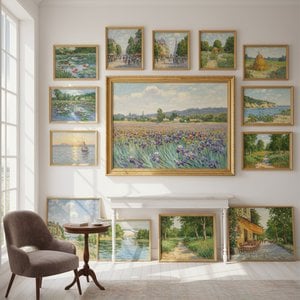
ტოპ 10 შედევრი, რომელმაც განსაზღვრა "ანტვილის იმპრესიონისტული ლანდშაფტი"
აღმოფრთოვანდით იმპრესიონიზმის ლეგენდის 10 შედევრით! მონე, რენუარი და სხვა მოწინავეები. იხილეთ მათი ფერადი ლანდშაფტები და აღმოაჩინეთ ხელოვნების რეპროდუქციები ArtsDot-ზე. სახლის დეკორისთვის იდეალური!


