


 ნახვა ინტერьерში
 გაგზავნა
 გაზიარება
 დეტალები
 გზამკვლევი

 ჩამოტვირთვა
 მსგავსები
 რენტგენოგრაფიული კვლევა
 სლაიდშოუ
 სტატისტიკა
Project for
 50.0 x 55.0 cm
 MAGA - Museo Arte Gallarate
 სრული ტექსტის ნახვა
ამ გვერდზე წარმოდგენილი ნამუშევარი დაცულია საავტორო უფლების შესახებ კანონმდებლობით, რაც იმას ნიშნავს, რომ ჩვენ არ გვაქვს მისი იდენტური რეპროდუქციის შექმნის ან გაყიდვის სამართლებრივი უფლება. აღნიშნული დაცვა უზრუნველყოფილია ისეთი საერთაშორისო შეთანხმებებით, როგორიცაა ბერნის კონვენცია და ეროვნული კანონმდებლობით, მათ შორის იმ კანონებით, რომლებიც დეტალურად არის გაწერილი აშშ-ის საავტორო უფლების შესახებ კანონი - თავი 17.
ეს მეთოდი სრულად შეესაბამება საავტორო უფლებების რეგულაციებს, რადგან ის არ გულისხმობს დაცული ნამუშევრის კოპირებას ან დუბლირებას. ამგვარად, ეს წარმოადგენს შემოქმედებით რეინტერპრეტაციას — ახალ ნახატს, რომელიც შთაგონებითაა განპირობებული ორიგინალით, თუმცა არ არის მის იდენტურ ასლს.
გიკლე / ხელოვნების პრინტი
მუზეუმის დონის ჟიკლე ან ტილოზე ბეჭდვა სწრაფი წარმოებისა და დასრულების მოქნილი ვარიანტებით. ( შეიძინეთ ხელით შესრულებული ნახატი გადასვლა ციფრულ გამოსახულებაზე)




































აირჩიეთ ჩვენს მიერ წინასწარ განსაზღვრული ზომებიდან, რომლებიც ნაწარმოების ორიგინალურ პროპორციებს შეესაბამება.

შეიყვანეთ თქვენთვის საჭირო სიგანე და სიმაღლე, რათა იგი მოერგოს თქვენს ჩარჩოს ან კედელს. ბეჭდვისას შესაძლებელია მხოლოდ მისი შემცირება და არა გაზრდა, ამიტომ სხვა ფორმის ზომის შემთხვევაში გამოსახულება ნაწილობრივ იკარგება. სანამ რაიმეს დაბეჭდავთ, ჩვენ გამოგიგზავნით ციფრულ მაკეტს დასდასტურებლად. ამ გვერდზე ნაჩვენები სურათი არ ასახავს რეალურ ჭრას — ამას მხოლოდ მაკეტი გვიჩვენებს.
მიწოდება მთელ მსოფლიოში () 2 კვირაში, სტანდარტული 4/5 კვირის ნაცვლად. (22 ოქტომბერი)

უფასო ექსპრეს მიწოდება მთელ მსოფლიოში

მაღალი ხარისხის ტილო

ტრანსპორტირების სრული დაზღვევა

საბაჟო გადასახადების დაბრუნების გარანტია

ფერების სრული შესაბამისობის გარანტია

დაბრუნების 100-დღიანი პერიოდი (მხოლოდ წარმოების დეფექტის შემთხვევაში)

100% თანხის სრული დაბრუნების გარანტია

ფასდაკლება დიდი რაოდენობით შეკვეთისას
 მინის ჩარჩოს არჩევანი ხელმისაწვდომია მხოლოდ 110 სმ-მდე ზომისთვის

Project for
გიკლე / ხელოვნების პრინტი
რეპროდუქციის ზომა
-


ჯამური ღირებულება
₾ 162
მსგავსი ნამუშევრები


მხატვრის ბიოგრაფია
Bruno Munari: A Life in Art and Design
Early Life and Education
- Born on October 24, 1907, in Milan, Italy, Bruno Munari was a pivotal figure in 20th-century art, design, and graphics.
- His childhood was spent largely in Badia Polesine after his family relocated to run a hotel. This rural upbringing likely fostered an early sense of observation and resourcefulness.
- He returned to Milan in 1926 and initially worked with his engineer uncle before dedicating himself to artistic pursuits.
Futurism and Early Artistic Development
- In 1927, Munari embraced the principles of Futurism, aligning himself with Filippo Marinetti and participating in numerous exhibitions. This early exposure to the movement’s dynamism and rejection of traditional forms profoundly shaped his aesthetic sensibility.
- From 1930 to 1938, he collaborated with Riccardo Castagnedi (Ricas) as a graphic designer, honing his skills in visual communication.
- A trip to Paris in 1933 brought him into contact with influential figures like Louis Aragon and André Breton, broadening his artistic horizons.
Mid-Career: Design, Publishing & War Years
- Between 1938 and 1943, Munari served as a press graphic designer for Mondadori publishing house, also acting as art director for the magazines Tempo and Grazia.
- During this period, he began designing books for children, initially inspired by his son Alberto. This marked the beginning of a lifelong interest in pedagogy and accessible design.
- The experience of World War II led Munari to disassociate himself from Italian Futurism due to its increasingly proto-fascist leanings.
Concrete Art & Post-War Innovation
- In 1948, Munari co-founded Movimento Arte Concreta (MAC), the Italian movement for Concrete Art, alongside Gillo Dorfles, Gianni Monnet, and Atanasio Soldati. This signaled a shift towards abstraction and geometric forms.
- The 1940s and 50s saw Munari designing a wide range of objects for Italian industry – from light fixtures and ashtrays to televisions, espresso machines, and toys. He believed in the integration of art and everyday life.
Later Life & Legacy
- Concerned about misinterpretations of his diverse body of work, Munari enlisted art historian Miroslava Hajek in 1969 to curate a selection of his most important pieces. This collection aimed to showcase the thematic coherence and evolution of his artistic philosophy.
- Munari’s work extended beyond traditional art forms; he explored games, didactic methods, movement, tactile learning, and creativity, demonstrating a holistic approach to design and education.
- He died in Milan on September 29, 1998, leaving behind a vast and influential legacy.
Major Achievements & Historical Significance
- Pioneering multidisciplinary artist: Munari seamlessly blended art, design, and pedagogy, challenging conventional boundaries.
- Influence on Italian Design: His industrial designs helped shape the aesthetic of post-war Italy.
- Advocate for Tactile Learning: He developed innovative educational materials that emphasized hands-on experience and sensory exploration.
- Champion of Concrete Art: Munari’s contribution to MAC solidified his place in the history of abstract art.
- Lasting Impact on Graphic Design: His graphic work remains influential for its clarity, simplicity, and innovative use of typography.
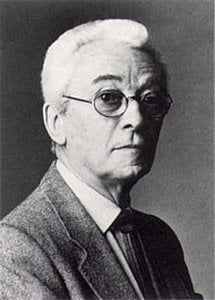
Bruno Munari
1907 - 1998 , Italy
მოკლე ფაქტები
- Name: Bruno Munari
- Movement:
- Futurism
- Concrete Art
- Birth Date: 1907-10-24
- Death Date: 1998-09-29
- Birth Place: Milan, Italy
- Nationality: Italian
- Date Of Birth: 1907
- Date Of Death: 1998
- Influenced By: Marinetti
- Notable Works:
- Otto colori in un quadrato
- Progetto grafico di tessuto per la X Triennale di Milano
- Place Of Birth: Milan, Italy