


 გაგზავნა
 გაზიარება
 დეტალები
 გზამკვლევი

 ჩამოტვირთვა
 მსგავსები
 სლაიდშოუ
 სტატისტიკა
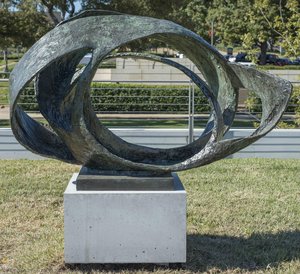
Rhythmic Form


 სრული ტექსტის ნახვა
ამ გვერდზე წარმოდგენილი ნამუშევარი დაცულია საავტორო უფლების შესახებ კანონმდებლობით, რაც იმას ნიშნავს, რომ ჩვენ არ გვაქვს მისი იდენტური რეპროდუქციის შექმნის ან გაყიდვის სამართლებრივი უფლება. აღნიშნული დაცვა უზრუნველყოფილია ისეთი საერთაშორისო შეთანხმებებით, როგორიცაა ბერნის კონვენცია და ეროვნული კანონმდებლობით, მათ შორის იმ კანონებით, რომლებიც დეტალურად არის გაწერილი აშშ-ის საავტორო უფლების შესახებ კანონი - თავი 17.
ეს მეთოდი სრულად შეესაბამება საავტორო უფლებების რეგულაციებს, რადგან ის არ გულისხმობს დაცული ნამუშევრის კოპირებას ან დუბლირებას. ამგვარად, ეს წარმოადგენს შემოქმედებით რეინტერპრეტაციას — ახალ ნახატს, რომელიც შთაგონებითაა განპირობებული ორიგინალით, თუმცა არ არის მის იდენტურ ასლს.
გიკლე / ხელოვნების პრინტი
მუზეუმის დონის ჟიკლე ან ტილოზე ბეჭდვა სწრაფი წარმოებისა და დასრულების მოქნილი ვარიანტებით. ( შეიძინეთ ხელით შესრულებული ნახატი გადასვლა ციფრულ გამოსახულებაზე)




































აირჩიეთ ჩვენს მიერ წინასწარ განსაზღვრული ზომებიდან, რომლებიც ნაწარმოების ორიგინალურ პროპორციებს შეესაბამება.

შეიყვანეთ თქვენთვის საჭირო სიგანე და სიმაღლე, რათა იგი მოერგოს თქვენს ჩარჩოს ან კედელს. ბეჭდვისას შესაძლებელია მხოლოდ მისი შემცირება და არა გაზრდა, ამიტომ სხვა ფორმის ზომის შემთხვევაში გამოსახულება ნაწილობრივ იკარგება. სანამ რაიმეს დაბეჭდავთ, ჩვენ გამოგიგზავნით ციფრულ მაკეტს დასდასტურებლად. ამ გვერდზე ნაჩვენები სურათი არ ასახავს რეალურ ჭრას — ამას მხოლოდ მაკეტი გვიჩვენებს.
მიწოდება მთელ მსოფლიოში () 2 კვირაში, სტანდარტული 4/5 კვირის ნაცვლად. (24 ოქტომბერი)

უფასო ექსპრეს მიწოდება მთელ მსოფლიოში

მაღალი ხარისხის ტილო

ტრანსპორტირების სრული დაზღვევა

საბაჟო გადასახადების დაბრუნების გარანტია

ფერების სრული შესაბამისობის გარანტია

დაბრუნების 100-დღიანი პერიოდი (მხოლოდ წარმოების დეფექტის შემთხვევაში)

100% თანხის სრული დაბრუნების გარანტია

ფასდაკლება დიდი რაოდენობით შეკვეთისას
 მინის ჩარჩოს არჩევანი ხელმისაწვდომია მხოლოდ 110 სმ-მდე ზომისთვის

Rhythmic Form
გიკლე / ხელოვნების პრინტი
რეპროდუქციის ზომა
-


ჯამური ღირებულება
₾ 162
Rhythmic Form: A Dialogue Between Space and Spirit
Barbara Hepworth’s “Rhythmic Form,” created in 1949, stands as a testament to the profound influence of Surrealist ideas on British sculpture during World War II. More than just an aesthetically pleasing object, it embodies Hepworth's unwavering belief that sculpture could translate thought into tangible form—a conviction deeply rooted in her engagement with artists like Arp and Brancusi who championed direct carving and explored the relationship between art and nature. The piece itself is a striking example of Hepworth’s signature style: monumental forms sculpted from wood, meticulously shaped to evoke movement and resonance. Its central hole isn't merely an incision; it’s a deliberate gesture that seeks to unify opposing forces—a visual metaphor for Hepworth’s exploration of duality and balance within the creative process.- Material & Technique: Crafted from Rosewood, “Rhythmic Form” utilizes a technique honed during Hepworth's formative years in Paris – a method characterized by careful consideration of material properties and an intuitive understanding of how form interacts with space. The sculptor’s hand meticulously removes wood shavings to reveal the underlying structure, resulting in a surface that is both smooth and subtly textured.
- Historical Context: Hepworth's work emerged from a period marked by significant artistic experimentation and intellectual ferment. The Unit One group—which included Nicholson, Gabo, and Nash—challenged conventional sculptural approaches, prioritizing abstraction and responding to the anxieties of wartime Britain with an embrace of geometric forms and organic shapes.
- Symbolism & Inspiration: Hepworth drew inspiration from Neolithic Menhirs – monolithic stones erected as memorials to ancient rituals – recognizing their ability to convey timelessness and spiritual significance. She likened her sculptures to these stones, emphasizing the desire for them to “furnish a means of egress for the soul,” reflecting her belief in sculpture’s capacity to transcend mere visual representation.
- Hepworth's Philosophy: Hepworth famously described sculpture as "the plastic projection of thought," highlighting its role in capturing intangible ideas and emotions. She insisted that the work should “put no pressure on anything,” signifying a rejection of didacticism and an affirmation of art’s autonomy—a stance that aligns with her broader philosophical commitment to embracing spontaneity and responding authentically to the material at hand.
- Legacy & Influence: Hepworth's pioneering approach to sculpture continues to inspire artists today, particularly those interested in exploring spatial relationships and investigating the interplay between form and gesture. Her enduring impact is evident in the work of subsequent sculptors who adopted similar techniques and pursued similar conceptual concerns—a legacy cemented by her inclusion in Tate’s collection and celebrated as a cornerstone of British Modernism.
კითხვები და პასუხები
რამდენად ბევრ სინათლეს ასახავს, თითქოს, "Rhythmic Form" ფერები?
„Rhythmic Form“-ის ფერები აჩვენებს Luminous სიკაშკაშეს.
რა წელს შეიქმნა ბარბარა ჰეპვორთი-ის „Rhythmic Form“?
ბარბარა ჰეპვორთი-ის „Rhythmic Form“ შექმნის თარიღია 1949.
რა ზომის ამობეჭდვა უნდა გავაკეთო "Rhythmic Form"-ისთვის ჩემი ოთახისთვის?
Living Room-ისთვის, „Rhythmic Form“-ის შემთხვევაში, რეკომენდირებულია Large ზომის ბეჭდური ვერსია.
მსგავსი ნამუშევრები



მხატვრის ბიოგრაფია
ადრეული ცხოვრება და განათლება
დამე ბარბარა ჰეპვორთი, ინგლისის სახელovნიტი ხელოვანი და ქანდაკება, დაიბადა 1903 წლის 10 იანვარს, უეიკფილდში, იორკშირში. მისი შემოქმედებითი გზა ლიდსის სახელობის ხელოვნების სკოლაში 1920 წლიდან დაიწყო, რის შემდეგაც მან მოიპოვა სახელმწიფო სტიპენდია ლონდონის სამეფო ხელოვნების კოლეჯში (RCA) სწავლისთვის, სადაც 1921 წლიდან 1924 წლამდე იმყოფებოდა და სწორედ მაშინ მიიღო დიპლომი.მხატვრული კარიერა
- დამე ბარბარა ჰეპვორთის შემოქმედება მოდერნიზმის, კერძოდ კი თანამედროვე ქანდაკების საუკეთესო ნიმუშია. ის იყო ერთ-ერთი იმ იშვიათ ქალი ხელოვანთაგან, ვინც საერთაშორისო აღიარება მოიპოვა.
- 1933 წელს მან, ბენ ნიკოლსონთან, პოლ ნაშთან და სხვებთან ერთად, დააფუძნა ხელოვნების მოძრაობა „Unit One“, რომლის მიზანიც ბრიტანულ ხელოვნებაში სურრეალიზმისა და აბსტრაქციის გაერთიანება იყო.
- ჰეპვორთის ადრეული ნამუშევრები გამოირჩეოდა აბსტრაქციითა და მისი აქტიური მონაწილეობით პარიზულ ხელოვნების მოძრაობაში — „Abstraction-Création“-ში.
გამორჩეული ნამუშევრები და გამოფენები
- Oval Form (Trezion), ბრინჯაოს ქანდაკება, შედის აშშ-ში, ფორტ-უორთის კიმბელის ხელოვნების მუზეუმის კოლექციაში. (ნახეთ ArtsDot-ზე)
- Two Forms, ქანდაკება, წარმოდგენილია ბრიტანეთში, უეიკფილდში მდებარე Hepworth Wakefield-ში. (ნახეთ ArtsDot-ზე)
- Totem, მარმარილოს ქანდაკება, ასევე შედის Hepworth Wakefield-ის კოლექციაში. (ნახეთ ArtsDot-ზე)
მემკვიდრეობა და მუზეუმის კოლექციები
ბარბარა ჰეპვორთის შემოქმედება მსოფლიოს მასშტაბით აღიარებულია; მისი ქანდაკებები და ფერწერები სხვადასხვა მუზეუმის ფასდაუდებელ ნაწილია. Hepworth Wakefield, რომელიც თავად ხელოვანის სახელობისაა, თავმოყრილად ინახავს მრავალ შედევრს ცნობილი ოსტატებისგან, მათ შორის თავად ჰეპვორთის საკუთარ ნამუშევრებსაც. (აღმოაჩინეთ მეტი Hepworth Wakefield-ის შესახებ ArtsDot-ზე)დასკვნა
დამე ბარბარა ჰეპვორთის პიონერულმა ნამუშევრებმა თანამედროვე ბრიტანულ ქანდაკებაში ხელოვნების სამყაროში წარუვალე კვალი დატოვა. მისი მემკვიდრეობა დღემდე შთაგონების წყაროა ხელოვანებისა და ხელოვნების მოყვარულთათვის, მისი ნამუშევრები კი მისი ინოვაციური სულისკვეთებისა და მხატვრული გენიალურობის დასტური რჩება. მეტი ბარბარა ჰეპვორთის შესახებ Wikipedia-ზე
ბარბარა ჰეპვორთი
1903 - 1975 , გაერთიანებული სამეფო
მოკლე ფაქტები
- Artistic Movement Or Style: მოდერნიზმი, აბსტრაქცია
- Artists Or Movements Influenced By This Artist:
- Abstraction-Création
- Unit One
- Artists Who Influenced This Artist:
- ჰენრი მური
- ბენ ნიკოლსონი
- Date Of Birth: 1903-01-10
- Date Of Death: 1975-05-20
- Full Name: ბარბარა ჰეფვორთი
- Nationality: ბრიტანელი
- Notable Artworks:
- Oval Form (Trezion)
- Two Forms
- Totem
- Place Of Birth: უეიქფილდი, გაერთიანებული სამეფო
მსგავსი სტატიები

Kandinsky's Masterpieces: 25 Paintings That Define Abstract Art | ArtsDot
Journey through Wassily Kandinsky's 25 most iconic abstract paintings. Explore his revolutionary use of color, form & spiritual expressionism. Find museum-quality Kandinsky reproductions and elevate your home decor with ArtsDot.com. Discover all masterpieces on ArtsDot.com!

The Enduring Form: Exploring Themes & Techniques in Sculpture Across Historical Periods
Explore the rich history of sculpture from ancient masterpieces to contemporary innovations. Discover key techniques, influential artists & investment potential for discerning art collectors.

გეომეტრიული აბსტრაქცია: 10 შედევრი, რომელმაც ხელოვნება განსაზღვრა | ArtsDot.com
გეომეტრიული აბსტრაქციის 10 შედევრი მონდრიანის, მალევიჩისა და კანდინსკის ჩართულობით. გაიგეთ მათი ისტორია, ტექნიკა და გავლენა ხელოვნებაზე. შეიძინეთ უმაღლესი ხარისხის რეკონსტრუქციები ArtsDot.com-ზე!

Bronze Sculptures That Defined Art History | ArtsDot
Journey through art history with our Top 10 bronze sculptures! Explore masterpieces by Rodin, Michelangelo & more. Discover stories behind iconic statues and find museum-quality reproductions for your home decor at ArtsDot.com.

Barbara Hepworth: A Sculptural Dialogue with Form, Space & the Human Condition
Explore the profound world of Barbara Hepworth's sculpture. Discover her artistic evolution, iconic forms, and lasting influence on modern art. A guide for collectors & enthusiasts.
