


სურათი შეესაბამება თქვენს არჩევანს: , .
კოლექციონირებადი ნივთის აღწერა
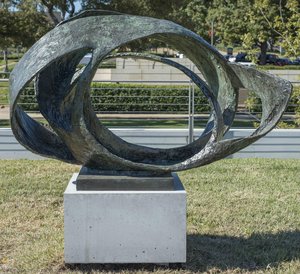
Discover 'Involute II' by Barbara Hepworth – a mesmerizing bronze sculpture embodying fluidity and form. Explore the artist’s modernist vision & its geometric elegance.
 სრული ტექსტის ნახვა
მხატვრის ბიოგრაფია
აღმოაჩინეთ ბარბარა ჰეფვორთის (1903-1975) მოდერნისტული ქანდაკებები. აბსტრაქტული ხელოვნების პიონერი, ჰეფვორთის ნამუშევრები – მათ შორის 'Oval Form' და 'Two Forms' – აერთიანებს სურrealიზმსა და აბსტრაქციას. აღმოაჩინეთ მისი მემკვიდრეობა Hepworth Wakefield-ში.
ხელით შესრულებული ზეთის საღებავით რეპროდუქცია
ტილოზე შესრულებული ფერწერიანი ზეთប្រდათი, თქვენთვის სასურველი ზომისა და ჩარჩოსთვის, ჩვენი ხელოვანების მიერ შეკვეთის საფუძველზე დამზადებული. ( გადართვა ბეჭდვის რეჟიმზე გადასვლა ციფრულ გამოსახულებაზე)
ეს ნაწარმოები დაცულია საავტორო უფლებებით
ამ გვერდზე წარმოდგენილი ნამუშევარი დაცულია საავტორო უფლების შესახებ კანონმდებლობით, რაც იმას ნიშნავს, რომ ჩვენ არ გვაქვს მისი იდენტური რეპროდუქციის შექმნის ან გაყიდვის სამართლებრივი უფლება. აღნიშნული დაცვა უზრუნველყოფილია ისეთი საერთაშორისო შეთანხმებებით, როგორიცაა ბერნის კონვენცია და ეროვნული კანონმდებლობით, მათ შორის იმ კანონებით, რომლებიც დეტალურად არის გაწერილი აშშ-ის საავტორო უფლების შესახებ კანონი - თავი 17.
როგორც პატივისცემით სავსე და კანონიერი ალტერნატივა, ჩვენ გთავაზობთ ორიგინალით შთაგონებულ, ინდივიდუალურ, ხელით შესრულებულ ნამუშევრებს. ჩვენი ოსტატ და პროფესიონალი ხელოვანები საგულდაგულოდ სწავლობენ ორიგინალის სტილს, განწყობასა და მხატვრულ არსს, რათა შექმნან ახალი, უნიკალური ნამუშევარი, რომელიც იგივე ემოციას აღძრავს და, ამავდროულად, თავად წარმოადგენს დამოუკიდებელ, ორიგინალურ შემოქმედებას.
ეს მეთოდი სრულად შეესაბამება საავტორო უფლებების რეგულაციებს, რადგან ის არ გულისხმობს დაცული ნამუშევრის კოპირებას ან დუბლირებას. ამგვარად, ეს წარმოადგენს შემოქმედებით რეინტერპრეტაციას — ახალ ნახატს, რომელიც შთაგონებითაა განპირობებული ორიგინალით, თუმცა არ არის მის იდენტურ ასლს.
მეტი ამ ნახატის შესახებ
 გაგზავნა
 გაზიარება
 დეტალები
 გზამკვლევი

 ჩამოტვირთვა
 მსგავსები
 სლაიდშოუ
 კითხვა-პასუხი
 სტატისტიკა
დაგვიკვეთეთ თქვენი ნახატი ოთხ მარტივ ნაბიჯში
არ იჩქაროთ. ნებისმიერი პასუხის შეცვლა შეგიძლიათ; თქვენს შეკვეთაში ფასი თითოეულ არჩევანს მოჰყვება.
1 პირველი ნაბიჯი ოთხიდან
რომელი ზომა გსურთ?
ეს ზომები ინარჩუნებს ორიგინალი ნახატის პროპორციებს. ილუსტრაცია აჩვენებს თქვენს არჩევანს კედელზე, ორმეტრიანი სავარძლის ზემოთ.
ან მიუთითეთ თქვენი საკუთარი ზომები
აირჩიეთ ჩვენს მიერ წინასწარ განსაზღვრული ზომებიდან, რომლებიც ნაწარმოების ორიგინალურ პროპორციებს შეესაბამება.

შეიყვანეთ თქვენთვის საჭირო სიგანე და სიმაღლე, რათა ნახატი მოერგოს თქვენს ჩარჩოს ან კედელს. ვინაიდან ეს ნამუშევარი ხელით არის შესრულებული, სხვა ფორმის ზომის შემთხვევაში, მხატვარმა შესაძლოა სურათის გარშემო ოდნავ მეტი დატოვოს ან შეამციროს — არჩევანი თქვენზეა. დაწყებამდე, დასამტკიცებლად, ჩვენ გამოგიგზავნით ციფრულ მაკეტს. ამ გვერდზე ნაჩვენები სურათი არ ასახავს რეალურ შედეგს — რეალური სახე მხოლოდ მაკეტზე ჩანს.
2 ნაბიჯი ორი ოთხიდან
როგორ უნდა იყოს მომზადებული: დახვეული, დაჭიმული თუ ჩარჩოში ჩასმული?
ქვემოთ მოცემული ფასები განკუთვნილია პირველ საფეხურზე თქვენ მიერ არჩეული ზომისთვის.
შეარჩიეთ დაჭიმული ტილოს კიდეები
შეარჩიეთ ჩარჩო

თეთრი კიდეები ₾1

ბუნდოვანი კიდეები ₾1

გაფართოებული ₾1

P118B ₾10

P118H ₾10

P118W ₾10

P438Z ₾10

P508JH ₾12

P508YH ₾12

P805H ₾10

P805Z ₾10

P919BZ ₾10

P919G ₾10

P919XJ ₾10

P959ZH ₾10

P968JZ ₾12

W106C ₾8

W218G ₾10

W218JH ₾8

W218Y ₾10

W307PJ ₾10

W316G ₾10

W316PJ ₾8

W316Y ₾10

W398PJ ₾8

W4111J ₾10

W500HY ₾15

W500JH ₾15

W692G ₾12

W849H ₾8

W940BG ₾15

W953PJ ₾8

H24-GOLD ₾30

H24-SILVER ₾30

H36-GOLD ₾45

H36-SILVER ₾45
ჩარჩოჩენილი
კარმამ . ზომა ჩარჩოზე, მთლიანი: .
3 ნაბიჯი სამი ოთხიდან
გსურთ რაიმე ცვლილების შეტანა ნახატში?
ადამიანთა უმეტესობა უარს პასუხობს. ვინაიდან თითოეული ნახატი ხელით იქმნება, ჩვენს მხატვარს შეუძლია მისი თქვენთვის ადაპტირებაც.
შეკვეთის შემდეგ, ArtsDot.com გუნდი გამოგსტავთ ელექტრონულ წერილს ინსტრუქციებისთვის და მოგაწვდით წინასწარ ნახატის (mockup) პრევიუსს
4 ოთხიდან მეოთხე ნაბიჯი
დასრულების რამდენიმე ვარიანტი
ყველაფერი არჩევითია. უკვე შერჩეულ პასუხებს დამატებითი საფასური არ მოსთხოვება.
ვინ ასრულებს ამ ნამუშევარს?
მიწოდება მსოფლიო მასშტაბით -ში 3/4 კვირაში, სტანდარტული 5 კვირის ნაცვლად. (4 ნოემბერი). ხარისხზე კომპრომისის გაკეთება არ მოხდება.
სარდაფი, როგორც მუზეუმში?
დაკვეთილი ბრინჯაოს ფირფიტის დეტალები
This elegant plaque features the artist's name and the title of the artwork, finely engraved for a timeless presentation.
It is made from bronze with a refined, elegant finish. The text is precisely laser-engraved for a sharp and permanent result. Measuring 9x2 cm, the plaque is compact yet easy to read. It's built to be durable and scratch-resistant, offering a professional, museum-quality look. Mounting is simple thanks to the included adhesive backing.
აკრილის გამჭვირვალე ფირფიტის დეტალები
The plaque includes essential engraved details such as the artist's name, the title of the artwork, the date it was created, the type of media used-like oil on canvas or watercolor-a brief description of the piece, and a QR code that links to the complete artwork information.
It is crafted from clear acrylic, offering a sleek, modern appearance. The text is UV-engraved in black to ensure strong visual contrast. With a size of 10x15 cm, it ensures optimal readability. It comes equipped with two metal hooks for secure wall mounting. The plaque is designed to be weather-resistant, making it suitable for various environments, and it includes interactive features that work seamlessly with smartphone scanning.
შავი აკრილის ფირფიტის დეტალები
This elegant plaque includes engraved information such as the artist's name, the title of the artwork, the date it was created, the type of media used (like oil on canvas or watercolor), a short description of the artwork, and a QR code for quick access to more information.
The plaque itself is made from refined black acrylic with a premium finish. The text is laser-engraved in white for high contrast and readability. Its size is 10x15 cm, designed to be easy to read. It comes with two metal hooks for professional mounting. The design is sleek and fits any interior style. It is also weather-resistant and durable, with built-in digital integration for mobile compatibility.
დამცავი ლაქი?
როდის გჭირდებათ?
✓ შეამოწმეთ და შეუკვეთეთ
თქვენი ნახატი, ზუსტად ისეთი, როგორ შეუკვეთეთ

Involute II
რეპროდუქციის ტექნიკა
რეპროდუქციის ზომა
-

დასახელებული ხელოვანთა შერჩეული კოლექცია
უფრო მეტი დეტალიზაცია, დახვეწილობა და დამატებითი დამუშავების დრო
-

რეკლამაციის ჩარჩო
-
-
ნებისმიერი მხარისთვის 105 სმ-ზე (დაახლოებით 41 ინჩი) მეტი ზომის ხელოვნებული ნამუშევრების ან რეპროდუქციებისთვის, ჩარჩო მოგზავნდება დაშლილ კომპლექტში. ეს მეთოდი უზრუნველყოფს უსაფრთხო მიწოდებას და თავიდან აგაცილებთ ტრანსპორტირებისას შესაძლო დაზიანებას.
საჭიროა პროფესიონალური აწყობა - ეს არ არის თვითმომსახურების (DIY) პროდუქტი.
კომპლექტის აწყობა და ტილოს დაჭიმვა უნდა განახორციელოს გამოცდილმა პროფესიონალმა ჩარჩოს დამამზადებელმა, ხის წებოს (არ შედის კომპლექტში), ტილოს დაჭიმვის ბერჭებისა და საკრამების გამოყენებით, რათა წებოს გასაშრობად ღერძები სწორად და სტაბილურად დაფიქსირდეს. არასწორი აწყობა ან ტილოს არათანაბარი დაჭიმვა შეიძლება გამოიწვიოს ნამუშევრის სამუდამო დაზიანება, რაც არ იფარება ჩვენი გარანტიით.
 ნებისმიერი მხარისთვის 105 სმ-ზე (დაახლოებით 41 ინჩი) მეტი ზომის ხელოვნებული ნამუშევრების ან რეპროდუქციებისთვის, ჩარჩო მოგზავნდება დაშლილ კომპლექტში. ეს მეთოდი უზრუნველყოფს უსაფრთხო მიწოდებას და თავიდან აგაცილებთ ტრანსპორტირებისას შესაძლო დაზიანებას.
კომპლექტში შედის მყარი ხის ყველა ღერძი, ზუსტად გაზომილი და საჭირო ზომაზე დაჭრილი.
აწყობისთვის გამოიყენება მოთავსებული ხრახნები; ასევე დაგჭირდებათ ხის წებო კუთხეების დასაკავშირებლად, რომელიც კომპლექტში არ შედის და თქვენმა ჩარჩოს დამამზადებელმა უნდა შეიძინოს დამოუკიდებლად.
საჭიროა პროფესიონალური ხელსაწყოები, რომლებიც არ შედის კომპლექტში: ტილოს დაჭიმვის ბრჭყალები (დამჭერი) და სამჭედლები, რათა წებოს გასაშრობ პროცესში რამკოს კუთხეები სწორად ფიქსირდეს.
მნიშვნელოვანია:
კუთხეების დასაკავშირებლად საჭიროა ხის წებო; სანამ წებო სრულად გაშრება, ღერძები დაფიქსირებული უნდა იყოს საკავშირეებით, ხოლო აწყობილ ჩარჩოზე ტილოს დასჭიმად საჭიროა ტილოს დასჭიმელი ბრჭჭვალი. არცერთი ეს ნივთი არ შედის კომპლექტში. გთხოვთ, ამ ზომის შეკვეთამდე წინასწარ დაგეგმოთ გამოცდილი პროფესიონალი ჩარჩოს დამზადებელი.

სახელოვანი ფირფიტა
-
-

დამცავი ლაქი
ბზინვარე ლაქი (აფერსკვიატებს ფერებს და იცავს სინათლისა და ტენისგან)
-

ჩემი ნამუშევრის პერსონალიზაცია
რა შეიძლება შეიცვალოს (მაგალითები): სახის შეცვლა მომხმარებლის ფოტოთი; შინაური ცხოველის დამატება (მაგალითად, კატის დგებით შეცვლა); ფონზე ფარული შეტყობინების დამატება; ფონის ლანდშაფტის ან ელემენტების შეცვლა.
-

სასწრაფო მიწოდება
მიწოდება მსოფლიო მასშტაბით () 3-4 კვირაში, სტანდარტული 5 კვირის ნაცვლად. (4 ნოემბერი). ხარისხზე კომპრომისის გაკეთება არ მოხდება.
-
ექსპრეს-მიწოდება
მიწოდება მსოფლიოს მასშტაბით (), 5 კვირაში. (11 ნოემბერი).
მოყვება
ჯამური ღირებულება
₾ 684
მინის ჩარჩოს არჩევანი ხელმისაწვდომია მხოლოდ 110 სმ-მდე ზომისთვის
მოყვება თითოეულ შეკვეთასთან ერთად
- უფასო ექსპრეს მიწოდება მთელ მსოფლიოში
- მაღალი ხარისხის ტილო
- ტრანსპორტირების სრული დაზღვევა
- საბაჟო გადასახადების დაბრუნების გარანტია
- ფერების სრული შესაბამისობის გარანტია
- დაბრუნების 100-დღიანი პერიოდი (მხოლოდ წარმოების დეფექტის შემთხვევაში)
- 100% თანხის სრული დაბრუნების გარანტია
- ფასდაკლება დიდი რაოდენობით შეკვეთისას


Involute II: A Dance of Form and Void by Barbara Hepworth
Dame Barbara Hepworth’s Involute II, created in 1956, is more than just a sculpture; it's an invitation to contemplate the relationship between form, space, and the very essence of movement. This remarkable bronze piece, currently available as a meticulously hand-painted reproduction from ArtsDot.com, embodies Hepworth’s signature approach – a profound exploration of abstraction rooted in a deep understanding of natural forms. The sculpture itself is deceptively simple: a large, smoothly rendered sphere pierced by a carefully considered hole. Yet, within this apparent minimalism lies a complex interplay of visual and emotional resonance.
Hepworth's fascination with the ‘hole’ – introduced in her work as early as 1931 – wasn’t merely a stylistic choice; it represented a fundamental shift in sculptural thinking. She sought to move beyond static representation, embracing instead the concept of an internal space, a void that simultaneously defines and disrupts the external form. Involute II exemplifies this perfectly. The sphere itself suggests wholeness, containment, and perhaps even the cosmos – while the aperture invites us to consider what lies beyond, creating a dynamic tension between interiority and exteriority.
The Language of Form: Hepworth’s Technique
Hepworth's technique was characterized by an extraordinary combination of direct carving and indirect methods. She began with rough blocks of stone or wood, meticulously shaping them using hand tools before transferring the forms to a plaster model. This process allowed her to refine the initial idea while retaining a tactile connection to the material. The bronze casting itself demanded immense skill – achieving the smooth, polished surface of Involute II required careful control over temperature and pressure during the molten metal process. The subtle variations in texture, achieved through abrasives and polishing, are testament to her dedication to capturing the nuances of form.
Notably, Hepworth’s work was deeply influenced by her time in St Ives, Cornwall, where she collaborated with Ben Nicholson and other artists. This environment fostered a spirit of experimentation and a shared interest in exploring new ways of representing reality through abstraction. The Cornish landscape – its rugged coastline, swirling seas, and dramatic light – undoubtedly informed Hepworth’s artistic vision, contributing to the sense of dynamism and movement that permeates her sculptures.
Symbolism and Emotional Impact
The title itself, “Involute,” refers to a mathematical term describing a spiral curve—a concept that resonates powerfully with the sculpture's form. The spiraling shape evokes notions of growth, evolution, and the cyclical nature of life. The hole, then, isn’t simply an absence; it’s an active element, suggesting potential, transformation, and a connection to something beyond our immediate perception. It invites contemplation on themes of openness, vulnerability, and the search for meaning.
Involute II is not merely a visually striking object; it's a deeply evocative work that speaks to the human condition. Its smooth surfaces and subtle textures invite tactile engagement, while its open form encourages introspection. As a reproduction from ArtsDot.com, this piece retains the essence of Hepworth’s original vision – offering a beautiful and thought-provoking addition to any collection or interior space. The hand-painted detail ensures that every curve and texture is faithfully reproduced, capturing the spirit and artistry of this iconic sculpture.
Bringing Involute II into Your Space
Consider how Involute II might interact with your existing décor. Its neutral tones and flowing form will complement a wide range of styles, from minimalist modern to mid-century contemporary. The sculpture’s inherent dynamism can serve as a focal point in a room, drawing the eye and stimulating conversation. Whether displayed on a pedestal or integrated into a larger composition, Involute II is sure to become a cherished piece – a testament to Barbara Hepworth's enduring legacy and her profound understanding of the power of abstract form.
კითხვები და პასუხები
როდის და რა მასალებით არის შექმნილი "Involute II"?
"Involute II" შეიქმნა 1956 წელს, Bronze-ით.
რა ზომის ამობეჭდვა უნდა გავაკეთო "Involute II"-ისთვის ჩემი ოთახისთვის?
Living Room-ისთვის, „Involute II“-ის შემთხვევაში, რეკომენდირებულია Large ზომის ბეჭდური ვერსია.
რა ფერებს იყენებს "Involute II"?
ბარბარა ჰეპვორთი-ის „Involute II“ იყენებს Neutrals ფერების პალიტრას. ეს პალიტრა ასკლერავს ნამუშევრის საერთო ფეროვან ხასიათს.
მსგავსი ნამუშევრები



ბარბარა ჰეპვორთი
1903 - 1975, გაერთიანებული სამეფო
მხატვრის ბიოგრაფია
ადრეული ცხოვრება და განათლება
დამე ბარბარა ჰეპვორთი, ინგლისის სახელovნიტი ხელოვანი და ქანდაკება, დაიბადა 1903 წლის 10 იანვარს, უეიკფილდში, იორკშირში. მისი შემოქმედებითი გზა ლიდსის სახელობის ხელოვნების სკოლაში 1920 წლიდან დაიწყო, რის შემდეგაც მან მოიპოვა სახელმწიფო სტიპენდია ლონდონის სამეფო ხელოვნების კოლეჯში (RCA) სწავლისთვის, სადაც 1921 წლიდან 1924 წლამდე იმყოფებოდა და სწორედ მაშინ მიიღო დიპლომი.მხატვრული კარიერა
- დამე ბარბარა ჰეპვორთის შემოქმედება მოდერნიზმის, კერძოდ კი თანამედროვე ქანდაკების საუკეთესო ნიმუშია. ის იყო ერთ-ერთი იმ იშვიათ ქალი ხელოვანთაგან, ვინც საერთაშორისო აღიარება მოიპოვა.
- 1933 წელს მან, ბენ ნიკოლსონთან, პოლ ნაშთან და სხვებთან ერთად, დააფუძნა ხელოვნების მოძრაობა „Unit One“, რომლის მიზანიც ბრიტანულ ხელოვნებაში სურრეალიზმისა და აბსტრაქციის გაერთიანება იყო.
- ჰეპვორთის ადრეული ნამუშევრები გამოირჩეოდა აბსტრაქციითა და მისი აქტიური მონაწილეობით პარიზულ ხელოვნების მოძრაობაში — „Abstraction-Création“-ში.
გამორჩეული ნამუშევრები და გამოფენები
- Oval Form (Trezion), ბრინჯაოს ქანდაკება, შედის აშშ-ში, ფორტ-უორთის კიმბელის ხელოვნების მუზეუმის კოლექციაში. (ნახეთ ArtsDot-ზე)
- Two Forms, ქანდაკება, წარმოდგენილია ბრიტანეთში, უეიკფილდში მდებარე Hepworth Wakefield-ში. (ნახეთ ArtsDot-ზე)
- Totem, მარმარილოს ქანდაკება, ასევე შედის Hepworth Wakefield-ის კოლექციაში. (ნახეთ ArtsDot-ზე)
მემკვიდრეობა და მუზეუმის კოლექციები
ბარბარა ჰეპვორთის შემოქმედება მსოფლიოს მასშტაბით აღიარებულია; მისი ქანდაკებები და ფერწერები სხვადასხვა მუზეუმის ფასდაუდებელ ნაწილია. Hepworth Wakefield, რომელიც თავად ხელოვანის სახელობისაა, თავმოყრილად ინახავს მრავალ შედევრს ცნობილი ოსტატებისგან, მათ შორის თავად ჰეპვორთის საკუთარ ნამუშევრებსაც. (აღმოაჩინეთ მეტი Hepworth Wakefield-ის შესახებ ArtsDot-ზე)დასკვნა
დამე ბარბარა ჰეპვორთის პიონერულმა ნამუშევრებმა თანამედროვე ბრიტანულ ქანდაკებაში ხელოვნების სამყაროში წარუვალე კვალი დატოვა. მისი მემკვიდრეობა დღემდე შთაგონების წყაროა ხელოვანებისა და ხელოვნების მოყვარულთათვის, მისი ნამუშევრები კი მისი ინოვაციური სულისკვეთებისა და მხატვრული გენიალურობის დასტური რჩება. მეტი ბარბარა ჰეპვორთის შესახებ Wikipedia-ზე

მსგავსი სტატიები

The Enduring Legacy of Bronze Sculpture: A Collector's Guide to Form & Cultural Significance
Explore the rich history & enduring appeal of bronze sculpture with expert insights for collectors at ArtsDot. Learn about casting techniques, iconic artists, and collecting tips to build a discerning art collection.

Barbara Hepworth: A Sculptural Dialogue with Form, Space & the Human Condition
Explore the profound world of Barbara Hepworth's sculpture. Discover her artistic evolution, iconic forms, and lasting influence on modern art. A guide for collectors & enthusiasts.

Bronze Sculptures That Defined Art History | ArtsDot
Journey through art history with our Top 10 bronze sculptures! Explore masterpieces by Rodin, Michelangelo & more. Discover stories behind iconic statues and find museum-quality reproductions for your home decor at ArtsDot.com.