


 ნახვა ინტერьерში
 გაგზავნა
 გაზიარება
 დეტალები
 გზამკვლევი

 ჩამოტვირთვა
 მსგავსები
 რენტგენოგრაფიული კვლევა
 სლაიდშოუ
 სტატისტიკა
Ceiling Oculus
 Acrylic
- WallArt
- Early Renaissance
 1465
1465 270.0 x 270.0 cm
 სრული ტექსტის ნახვა
გიკლე / ხელოვნების პრინტი
მუზეუმის დონის ჟიკლე ან ტილოზე ბეჭდვა სწრაფი წარმოებისა და დასრულების მოქნილი ვარიანტებით. ( შეიძინეთ ხელით შესრულებული ნახატი გადასვლა ციფრულ გამოსახულებაზე)




P118B ₾10

P118H ₾10

P118W ₾10

P438Z ₾10

P508JH ₾12

P508YH ₾12

P805H ₾10

P805Z ₾10

P919BZ ₾10

P919G ₾10

P919XJ ₾10

P959ZH ₾10

P968JZ ₾12

W106C ₾8

W218G ₾10

W218JH ₾8

W218Y ₾10

W307PJ ₾10

W316G ₾10

W316PJ ₾8

W316Y ₾10

W398PJ ₾8

W4111J ₾10

W500HY ₾15

W500JH ₾15

W692G ₾12

W849H ₾8

W940BG ₾15

W953PJ ₾8




აირჩიეთ ჩვენს მიერ წინასწარ განსაზღვრული ზომებიდან, რომლებიც ნაწარმოების ორიგინალურ პროპორციებს შეესაბამება.

შეიყვანეთ თქვენთვის საჭირო სიგანე და სიმაღლე, რათა იგი მოერგოს თქვენს ჩარჩოს ან კედელს. ბეჭდვისას შესაძლებელია მხოლოდ მისი შემცირება და არა გაზრდა, ამიტომ სხვა ფორმის ზომის შემთხვევაში გამოსახულება ნაწილობრივ იკარგება. სანამ რაიმეს დაბეჭდავთ, ჩვენ გამოგიგზავნით ციფრულ მაკეტს დასდასტურებლად. ამ გვერდზე ნაჩვენები სურათი არ ასახავს რეალურ ჭრას — ამას მხოლოდ მაკეტი გვიჩვენებს.
მიწოდება მთელ მსოფლიოში () 2 კვირაში, სტანდარტული 4/5 კვირის ნაცვლად. (23 ოქტომბერი)

უფასო ექსპრეს მიწოდება მთელ მსოფლიოში

მაღალი ხარისხის ტილო

ტრანსპორტირების სრული დაზღვევა

საბაჟო გადასახადების დაბრუნების გარანტია

ფერების სრული შესაბამისობის გარანტია

დაბრუნების 100-დღიანი პერიოდი (მხოლოდ წარმოების დეფექტის შემთხვევაში)

100% თანხის სრული დაბრუნების გარანტია

ფასდაკლება დიდი რაოდენობით შეკვეთისას
 მინის ჩარჩოს არჩევანი ხელმისაწვდომია მხოლოდ 110 სმ-მდე ზომისთვის

Ceiling Oculus
გიკლე / ხელოვნების პრინტი
რეპროდუქციის ზომა
-


ჯამური ღირებულება
₾ 162
A Celestial Tapestry: Exploring Andrea Mantegna’s Ceiling Oculus
The painting “Ceiling Oculus,” attributed to Andrea Mantegna (1431-1506), transcends mere visual representation; it embodies a profound engagement with the intellectual currents of Renaissance Italy. Born in Carturu, Mantegna wasn't simply replicating artistic trends—he was actively reconstructing them, channeling the grandeur and precision of Roman antiquity into a monumental fresco that continues to captivate viewers centuries later. This fascination with classical ideals distinguishes him from many of his contemporaries who favored more stylized approaches.- Subject Matter: The artwork depicts a complex celestial scene dominated by concentric circles—a deliberate homage to the Oculus Cupolae, the magnificent dome of St. Peter’s Basilica designed by Michelangelo. These circles aren't merely decorative; they represent a meticulously researched depiction of cosmological beliefs prevalent during Mantegna’s time.
- Style: Mantegna’s style is undeniably sculptural, reflecting his unwavering dedication to recreating the illusion of three-dimensionality achieved in Roman sculpture. He achieves this remarkable feat through masterful use of linear perspective—a technique pioneered by Brunelleschi and perfected by Michelangelo—creating a convincing sense of depth that draws the eye inward.
- Technique: Executed in tempera on plaster, Mantegna’s technique demanded painstaking precision. Tempera pigments bind to the surface without solvents, resulting in vibrant colors and exceptional durability. The artist employed meticulous layering and glazing techniques to build up tonal gradations and imbue the figures with a palpable sense of volume.
Historical Context: Rome Reborn Through Observation
Mantegna’s artistic endeavors unfolded against the backdrop of a fervent revival of classical learning—the Quattrocento. The rediscovery of Roman ruins, spearheaded by humanist scholars like Leonardo Bruni and Piero della Francesca, fueled an unprecedented interest in recreating the aesthetic ideals of antiquity. Mantegna's workshop served as a crucible for this intellectual fervor, fostering a collaborative environment where archaeological discoveries informed artistic practice. He wasn’t merely copying Roman art; he was striving to understand its underlying principles—principles that underpinned notions of proportion, harmony, and idealized beauty.Symbolism: Angels, Circles, and Divine Order
The imagery within “Ceiling Oculus” is laden with symbolic significance. The angels surrounding the central circle represent divine guardianship and symbolize faith’s aspiration towards transcendence. The concentric circles themselves embody the cosmos—the heavens above and the earth below—reflecting the Ptolemaic worldview that dominated scientific thought during Mantegna's era. Furthermore, the figures depicted within the painting are not merely characters; they embody moral virtues and intellectual pursuits – a testament to humanist ideals.Emotional Impact: A Moment of Contemplation
Ultimately, “Ceiling Oculus” invites viewers into a contemplative space—a realm where earthly concerns recede before the majesty of divine creation. Mantegna’s masterful manipulation of perspective and color evokes a profound sense of awe and wonder, transporting the observer to a timeless tableau of celestial splendor. It serves as an enduring reminder of the Renaissance's commitment to elevating human understanding through engagement with the glories of antiquity—a legacy that continues to inspire artists and collectors alike.კითხვები და პასუხები
როგორ არის აგებული ანდრეა მანტეგნა-ის „Ceiling Oculus“-ის ფეროვანი კომპოზიცია?
წარმოებულში "Ceiling Oculus", Bold კონტრასტი Balanced Harmony ჰარმონიასთან ერწყმის.
არის თუ არა "Ceiling Oculus" საავტორო უფლებებისგან თავისუფალი?
რაც შეეხება საავტორო უფლებებს, "Ceiling Oculus" არის საჯარო საკუთრებაშია - მისი საავტორო უფლებები ამოწდა.
რამდენად პოპულარულია „Ceiling Oculus“ Early Renaissance-ის ფარგლებში?
კატალოგში, Early Renaissance სტილის ნამუშევრებს შორის, "Ceiling Oculus" აღწევს Recognized-ს.
მსგავსი ნამუშევრები


მხატვრის ბიოგრაფია
ანდრეა მანტეგნას სიცოცხლე და შემოქმედება: რენესანსის ერთ-ერთი უმნიშვნელოვანესი მხატვარი
ანდრეა მანტეგნა, რომლის დაბადების ზუსტი თარიღიცა კი სადავოა, თუმცა მიახლოებით 1431 წელს იზოლა დი კარტუროსთან ახლოს, პადუაში დაიბადა, რენესანსის ისტორიაში გამორჩეული ადგილი უკავია. მანტეგნა არ იყო მხოლოდ მხატვარი; იგი იყო ანტიკური სამყაროს აღმომჩენ-რეაბილიტატორი, რომელმაც თავისი ნიჭითა და შრომით განაცხადა რენესანსის იდეოლოგიური საფუძველი – კლასიკური ხელოვნების აღორძინება. მისი შემოქმედება ხასიათდება სკულპტურული ფორმებით, დრამატული პერსპექტივით და დეტალებზე უსაზღვრო ყურადღებით, რაც მას თანამედროცე მხატვრებს შორის გამორჩევს. მანტეგნას ადრეული წლები მოიცავს ფრანჩესკო სკوارციონის სახელოსნოში სწავლას, რომელსაც არქეოლოგიური კვლევები და ანტიკური ხელოვნების შესწავლა უდიდესი მნიშვნელობით ესახებოდა. სწორედ ამ გარემოში ჩამოყალიბდა მანტეგნას უნიკალური ხედვა – სამყაროს აღქმის მეთოდი, რომელშიც კლასიკური იდეალები ორგანულად ერწყმის რენესანსული ჰუმანიზმს.გონზაგების სასახლე და რეალობის ილუზია
მანტეგნას შემოქმედებითი პიკი მანტუაში, გონზაგების სამსახურში გატარებულ დროს მოიცავს. 1488 წლიდან მხატვარი ამ სახელოვანი გვარის კორტის ერთ-ერთ უმნიშვნელოვანეს წევრად იქცა, რაც მას ხელმისაწვდომი გახდა საუკეტესო პროექტებზეც. სწორედ მაშინ შეიქმნა მისი უდიდესი ნაწარმოები – *კამერა დეგლი სფოსის* (Bridal Chamber) ფრესკოები პალაცო დუუალეში. ეს ნამდვილი შედევრია, რომელიც არ არის მხოლოდ კედლის მხატვრობა; ეს არის მთელი სამყარო, შექმნილი ფერებითა და ხაზებით, სადაც რეალობა ილუზიასთან ევლება ერთმანეთს. ფრესკოს მოქცევები გონზაგების ოჯახის ცხოვრების სურათებს ასახავს, ხოლო ჭერის პანელი, რომელიც *di sotto in sù* (დაწოლილიდან ზემოთ) ტექნიკის გამოყენებითაა შესრულებული, ცასთან ანალოგიური განცდას ქმნის. მანტეგნამ ფერსპექტივის გენიალური გამოყენებით შექმნა ისეთი სიგრძე და სივრცე, რომელსაც ადრეული რენესანსის ხელოვნებაში ვერავინ შეხვდებოდა.პერფექტული ანატომია და კლასიკური იდეალების აღთქმის უნარი
მანტეგნა არ მხოლოდ ფერსპექტივის მოყვარულმა, არამედ ანატომიის შესწავლის მოწინავე მცველადაც უნდა ჩაითვალოს. მისი ფიგურები არა მარტო რეალისტურად გამოიყურება; ისინი სხეულის კუნთების დაโครงสร้างის დეტალური აღწერით გამოირჩევა, რაც იმ დროს რევოლუციური იყო. მანტეგნა არ აკმაყოფილებდა უბრალო ადამიანის გამოსახულებას; იგი ცდილობდა ანტიკური სკულპტურების იდეალურ ფორმებს მიეღწევოდა. მისი ნაწარმოებები, როგორიცაა "საგვერდო ტკივილი" (Agony in the Garden), ამას ცხადყოფენ: ფიგურები მკაცრი, სკულპტურული ხაზებითა და გამომხატველი სახეებით გამოირჩევა. მანტეგნას ეს უნიკალური შეგრძნება, კლასიკური ხელოვნებისადმი სიყვარული და ანატომიის შესწავლის სიღრმისეული ცოდნა, მას რენესანსის ერთ-ერთ ყველაზე მნიშვნელოვან მხატვრად აქცევს.მემკვიდრეობა და თანამედროცე ხელოვნელთათვის გავლენა
ანდრეა მანტეგნა გარდაიცვალა 1506 წელს, მაგრამ მისი შემოქმედება დღესაც აგრძელებს შთაბერვას. მანტეგნამ რენესანსის ხელოვნების განვითარებაში გადამწყვეტი როლი ითამაშა, კლასიკური ტრადიციები თანამედროცე ხელოვნებასთან შეაერთა და ახალი სტანდარტები დასვა. მისი ნოვატორი მიდგომა ფერსპექტივსთან, ანატომიასთან და კომპოზიციასთან დაკავშირებით, მომავალ თაობათა მხატვრებს შთაინთქმა შეუძლიათ, მათ შორის რაფაელსა და მიქელანჯელოს. მანტეგნას მემკვიდრეობა ილიუზიური სივრცის შექმნის უნიკალური უნარში, ანატომიური სიზუსტის მისაღწევად და კლასიკურ ხელოვნებასთან ორგანული კავშირის შენარჩუნებაში მდგომარეობს. მისი ნაშრომები დღეისთვის მსოფლიოს წამყვან მუზეუმებშია განთავსებული, სადაც ისინი აგრძელებენ დამთვალიერებლების აღფრთოვანებას და მოუთმინებლად ელოდნენ ახალ თაობას, რომელიც მისმა შემოქმედებამ შთაინთქმევინა.
ანდრეა მანტეგნა
1431 - 1506 , იტალია
მოკლე ფაქტები
- Artistic Movement Or Style: ადრეული რენესანსი
- Artists Or Movements Influenced By This Artist:
- რაფაელი
- მიქელანჯელო
- Artists Who Influenced This Artist:
- დონატელო
- ჯაკოპო ბელინი
- Date Of Birth: დაახლოებით 1431 წელი
- Date Of Death: 1506 წლის 13 სექტემბერი
- Full Name: ანდრეა მანტეგნა
- Nationality: იტალიური
- Notable Artworks:
- San Zeno Altarpiece
- Agony in the Garden
- Camera degli Sposi
- Triumphs of Caesar
- Place Of Birth: იზოლა დი კარტურო, იტალია
მსგავსი სტატიები
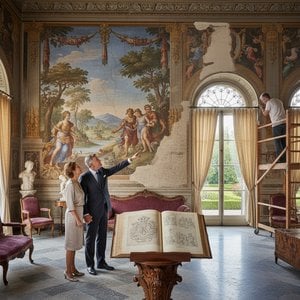
The Fresco as Family Legacy: Preserving Heritage Through Wall Art
Explore the rich history & enduring legacy of fresco painting. Discover how to preserve family heritage through stunning wall art. Expert insights & restoration guidance.

The Enduring Legacy of Fresco: Technique, History & Artistic Expression Across Cultures
Explore the rich history & enduring legacy of fresco painting! Discover ancient techniques, Giotto's masterpieces, and modern applications. Expert insights for art lovers & professionals.

The Enduring Legacy of Fresco Painting: Techniques, History & Contemporary Relevance
Explore the rich history & enduring artistry of fresco painting – from Giotto to Michelangelo! Discover techniques, conservation efforts, & modern applications. Learn how ArtsDot brings this timeless art form to your home.

Celestial Messengers: Angels in Painting – A Historical & Artistic Exploration
Explore the captivating history of angels in painting! Discover symbolism, iconic Renaissance & Byzantine masterpieces, and renowned artists. Expert insights for art lovers & collectors at ArtsDot.

თანამედროვე სივრცეებში რენესანსული დიდების ხელახალი წარმოგება: ჭერის ფრესკების კლასიკური ხელოვნება ინტერიერში
აღმოაჩინეთ რენესანსული დიდების ხელახალი წარმოგება თანამედროვე ინტერიერში! ფრესკის ისტორია, ტექნიკა და რესტავრაცია ექსპერტებისგან. ქართული ფრესკული ხატვის უნიკალური სტილი.


