

 ნახვა ინტერьерში
 გაგზავნა
 გაზიარება
 დეტალები
 გზამკვლევი

 ჩამოტვირთვა
 მსგავსები
 რენტგენოგრაფიული კვლევა
 სლაიდშოუ
 კითხვა-პასუხი
 სტატისტიკა
Hand


 სრული ტექსტის ნახვა
გიკლე / ხელოვნების პრინტი
მუზეუმის დონის ჟიკლე ან ტილოზე ბეჭდვა სწრაფი წარმოებისა და დასრულების მოქნილი ვარიანტებით. ( შეიძინეთ ხელით შესრულებული ნახატი გადასვლა ციფრულ გამოსახულებაზე)




P118B ₾10

P118H ₾10

P118W ₾10

P438Z ₾10

P508JH ₾12

P508YH ₾12

P805H ₾10

P805Z ₾10

P919BZ ₾10

P919G ₾10

P919XJ ₾10

P959ZH ₾10

P968JZ ₾12

W106C ₾8

W218G ₾10

W218JH ₾8

W218Y ₾10

W307PJ ₾10

W316G ₾10

W316PJ ₾8

W316Y ₾10

W398PJ ₾8

W4111J ₾10

W500HY ₾15

W500JH ₾15

W692G ₾12

W849H ₾8

W940BG ₾15

W953PJ ₾8




აირჩიეთ ჩვენს მიერ წინასწარ განსაზღვრული ზომებიდან, რომლებიც ნაწარმოების ორიგინალურ პროპორციებს შეესაბამება.

შეიყვანეთ თქვენთვის საჭირო სიგანე და სიმაღლე, რათა იგი მოერგოს თქვენს ჩარჩოს ან კედელს. ბეჭდვისას შესაძლებელია მხოლოდ მისი შემცირება და არა გაზრდა, ამიტომ სხვა ფორმის ზომის შემთხვევაში გამოსახულება ნაწილობრივ იკარგება. სანამ რაიმეს დაბეჭდავთ, ჩვენ გამოგიგზავნით ციფრულ მაკეტს დასდასტურებლად. ამ გვერდზე ნაჩვენები სურათი არ ასახავს რეალურ ჭრას — ამას მხოლოდ მაკეტი გვიჩვენებს.
მიწოდება მთელ მსოფლიოში () 2 კვირაში, სტანდარტული 4/5 კვირის ნაცვლად. (4 ნოემბერი)

უფასო ექსპრეს მიწოდება მთელ მსოფლიოში

მაღალი ხარისხის ტილო

ტრანსპორტირების სრული დაზღვევა

საბაჟო გადასახადების დაბრუნების გარანტია

ფერების სრული შესაბამისობის გარანტია

დაბრუნების 100-დღიანი პერიოდი (მხოლოდ წარმოების დეფექტის შემთხვევაში)

100% თანხის სრული დაბრუნების გარანტია

ფასდაკლება დიდი რაოდენობით შეკვეთისას
 მინის ჩარჩოს არჩევანი ხელმისაწვდომია მხოლოდ 110 სმ-მდე ზომისთვის

Hand
გიკლე / ხელოვნების პრინტი
რეპროდუქციის ზომა
-


ჯამური ღირებულება
₾ 164
A Study in Precision: Albrecht Dürer’s ‘Hand’ – A Renaissance Anatomical Masterpiece
Albrecht Dürer's “Hand,” executed in 1528, transcends the simple depiction of a human appendage; it is a profound meditation on proportion, knowledge, and the very essence of observation. This remarkable woodcut, now housed within the Albrecht-Dürer-Haus in Nuremberg, stands as a testament to Dürer’s meticulous approach to art and his deep engagement with both scientific inquiry and artistic expression. More than just an anatomical study, it embodies the spirit of the Northern Renaissance – a period characterized by a renewed interest in classical ideals intertwined with burgeoning advancements in mathematics and perspective.
The image itself is strikingly austere: a single, open hand rests against a stark white background, rendered entirely in meticulously executed black ink. The hand’s form is presented with an almost clinical precision, yet it possesses a remarkable vitality. Dürer doesn't shy away from the imperfections of human anatomy – the slight wrinkles, the subtle variations in finger length – instead, he embraces them as integral to conveying the subject’s inherent complexity. The composition is anchored by a single-point perspective, drawing the viewer’s eye along a central axis towards the hand and its intricate details. This deliberate arrangement reinforces the sense of order and control that Dürer sought to achieve.
Technical Mastery: The Art of the Woodcut
Dürer's mastery of the woodcut medium is immediately apparent in “Hand.” He employed a technique known as ‘kraftwerk’ – a process involving multiple layers of carefully carved lines and washes, creating subtle tonal variations within the black ink. This allowed him to achieve a level of detail and shading previously unseen in woodcuts, pushing the boundaries of what was considered possible with this traditional printmaking method. The precision of each line is breathtaking; one can almost feel the artist’s hand guiding the sharp blade through the block. The subtle gradations of tone – achieved through careful layering and manipulation of the ink – imbue the image with a remarkable sense of volume and depth, transforming a flat surface into a convincing representation of three-dimensional form.
Furthermore, Dürer’s use of ‘bitter burn,’ a technique involving the application of acid to the woodblock before printing, created a slightly roughened texture that added another layer of visual interest. This subtle irregularity contrasts beautifully with the overall smoothness and precision of the image, highlighting the delicate balance between control and spontaneity that characterized Dürer’s artistic practice.
Symbolism and Scientific Inquiry
Beyond its technical brilliance, “Hand” is laden with symbolic meaning. The hand itself represents skill, labor, and human agency – a tangible manifestation of our capacity for creation and interaction with the world. The detailed labeling of each finger, accompanied by numerical annotations referencing proportions, speaks to Dürer’s deep engagement with scientific principles and his desire to understand the underlying structure of the human body. This wasn't merely an artistic exercise; it was a rigorous investigation into the mathematical relationships that govern form and proportion.
Drawing on the knowledge of Renaissance anatomists like Leonardo da Vinci, Dürer sought to capture not just the outward appearance of the hand but also its internal structure – its bones, muscles, and tendons. The image can be interpreted as a visual treatise on human anatomy, reflecting the humanist ideals that were shaping intellectual life during the 16th century. It’s a window into a world where art and science converged, driven by a shared pursuit of knowledge and understanding.
A Legacy of Precision: Reproduction and Inspiration
“Hand” remains an enduring symbol of Renaissance artistry and scientific inquiry. Its meticulous detail, striking composition, and profound symbolism continue to captivate viewers centuries after its creation. Today, high-quality reproductions offer a remarkable opportunity to experience the beauty and intellectual depth of this masterpiece firsthand. Whether adorning a study or gracing a gallery wall, Dürer’s “Hand” serves as a constant reminder of the power of observation, the pursuit of knowledge, and the enduring legacy of one of history's greatest artists.
კითხვები და პასუხები
რა ეროვნული წარმომავლობა დგას „Hand“-ის Northern Renaissance-ის მიღმა?
Northern Renaissance-ის სტილის ნამუშევარი „Hand“ შექმნილია ხელოვანის მიერ, რომელიც Գերմանիա-ში დაიბადა.
რამდენად ცნობილია ალბრეხტ დიურერი-ის ნამუშევარი "Hand"?
"Hand" მიფასებულია როგორც Iconic."
1528 წელს შექმნილი „Hand“ ალბრეხტ დიურერი-ის შემოქმედების რომელი პერიოდის შესაბამისობაა?
1528 წელი „Hand“-ს ალბრეხტ დიურერი-ის შემოქმედებითი განვითარების Mature Period პერიოდში ათავსებს.
მსგავსი ნამუშევრები


მხატვრის ბიოგრაფია
ალბრეხტ დიურერის სამყარო: რენესანსის გერმანული ნათლია
ალბრეხტ დიურერი, სახელწოდება რომელიც განუყოფლად ასახელებს გერმანულ რენესანსს, 1471 წელს ნიურნბერგში დაიბადა. მისი მამა, ალბრეხტ დიურერი უფროსი, წარმატებული ოქროკეთება იყო, რომელმაც ჰუნგარიიდან გადმოვიდა და სამშობლოში ჩამოიტანა ხელოსნობის ტრადიციები. სწორედ ამ გარემოში, ლითონის სურნელსა და ხელითა შესრულების ზუსტებასთან ახლოვებით, ალბრეხტის მხატვრული ნიჭის პირველი კვალი გამოჩნდა. თუმცა მამამ თავდაპირველად მას ოქროკეთებაში გაწვრთნა, საბოლოოდ აღიარა ძლის უნარი და სამუშაოები მიაბალა ადგილობრივ გამოცდილ მხატვრს, მიხაელ ვოლგემუტს. ეს არ იყო მხოლოდ ტექნიკური მომზადება; ეს იყო ნათქვამი სამყაროში გადაწყვეტა – ილუმინირებული ხელნაწერების, საღებავის პანელებისა და ხის ნაკეთების ახალი სამყაროს აღმოჩენა. ვოლგემუტის სახელოსნოდან გამომდინარე, მათ შორის ნიურნბერგული ქრონიკის მასშტაბური ილუსტრაციები, დიურერს უპრეცედენტო საფუძველი მისცა კომპოზიციის, დიზაინის და გამოსახულების მექანიკაში.
დიურერის ოცნება ნიურნბერგის ფარგლებს გასცდებოდა. შეუდარებელი სიკეთის წყურვილითა და მხატვრობის სრულყოფის სწრაფვით, 1494 წელს იტალიაში პირველი მოგზაურობა განხორციელა – ეს არ იყო უბრალო ტურისტული ვიზიტი, არამედ რენესანსის გულში პილიგრიმაჟი. მან გაიცნო ემანუელების ნაშრომები, როგორებიც არიან რაფაელი, ჯოვანი ბელინი და ლეონარდო და ვინჩი – მხატვრები, რომლებმაც გადაამარცხეს ფორმის, პერსპექტივის და ადამიანის გამოხატვის შესაძლებლობები. ეს კონტაქტი βαθύτατος იყო. დიურერმა შეი吸收了 კლასიკური თემები, ჰარმონიული კომპოზიციები და ფუტისფეხების ნուրსითი ტონალური გადასვლები, რომლებიც იტალიურ ხელოვნებას ახასიათებდა, მაგრამ არცერთ შემთხვევაში არ მოაკლდა ჩრდილოეთის ევროპის სენსიბილიტეტი დეტალისა და სიმბოლური სიღრმის მიმართ. მისი მეორე მოგზაურობა იტალიაში, 1505-დან 1507 წლებამდე, კიდევ უფრო განამტკიცა ეს გავლენები, რაც მას საშუალებას აძლევდა ექვსიყო ძველი რომაული ნანგრავების შესწავლისთვის და ანატომიისა და პროპორციების გაგების გასაუმჯობესებლად. ჩრდილოეთის სიზუსტის ეს სინთეზი და იტალიური ელეგანტურობა გახდა დიურერის უნიკალური მხატვრული სტილის მახასიათებელი.
გამოსახულების ბატონი: საღებავი, გრავირება და ხის ნაკეთობა
დიურერი იყო რამდენიმე საშუალების ოსტატი, თითოეული მათგანი მას შემოქმედებითი გამოხატვის სხვადასხვა გზას უნერგავდა. მისი ნახატები, მისი პრინტებისაგან ნაკლებად მრავლობითი, წარმოადგენს ზეთის საღებავის შესანიშნავ მფარველობას და როგორც ფიზიკური მსგავსების, ასევე ფსიქოლოგიური სიღრმის აღწევის უნარს. ნამუშევრები, როგორიცაა „ვարդის გვირგვინის სუფრა“, გამოავლენს ζωηρό παλέტას ვე네ციელის ფერწერისგან 영향을 받은. თუმცა, სწორედ პრინტების სამყაროში – განსაკუთრებით გრავირებაში და ხის ნაკეთობაში – დიურერმა ნამდვილად რევოლუცია მოახდინა მხატვრულ პრაქტიკაში. მან ამ ტექნიკებს 단순한 పునరుత్పత్తి მეთოდებიდან ανεξάρτητες కళా രൂപాలుగా поднял, რაც საშუალებას აძლევდა კომპლექსური αφηγήσεις και βαθύ συναισθηματικό περιεχόμενο να μεταδοθούν. „გამოცხადების“ სერია (1498 წ.), რომელიც იოანეს გამოცხადების 책ის чотирнадцяти ხის ნაკეთებათა კრებული იყო, მისი ამ საშუალების დაუფლების 증거 იყო, მიუხედავად მისი არსებითი შეზღუდვებისა. მოგვიანებით გრავირებები, როგორიცაა „მელანკოლია I“ (1514 წ.) და „სათავეს წმინდა იერონიმე თავის სახელოში“ (1514 წ.), მისი შეუდარებელი უნარის 증거ებია – სიმბოლური მნიშვნელობით სავსე კომპოზიციები, რომლებიც 놀라운 정확성으로 შესრულებულია. მან არ просто изображал რეალობას; მასში ინტელექტუალური და духовного მნიშვნელობის στρώματα ჩართა.
თეორეტიკოსი და ინოვატორი: ალბრეხტ დიურერის მემკვიდრეობა
დიურერი არ იყო მხოლოდ მხატვარი; ის იყო სწავლული, თეორეტიკოსი და ინოვატორი, რომელმაც ხელოვნების შექმნის საფუძველში მდებარე პრინციპების გაგებას სცადა. მან విశ్వసებდა ხელოვნების მათემატიკურ საფუძვლებს და თავისი ძალისხმევა მიმართა ხელოვნების წარმოსადგენლად რაციონალური მიდგომის დამყარებას. მისი თეორეტიული ტრაქტატები, რომლებიც გეომეტრიას, პროპორციებსა და ადამიანის ანატომიას ეძღვნება – განსაკუთრებით „Человеческих пропорций четырех книг“ (1528 წ.) – თავიანთ დროსთვის გამანათლებელი იყო, რაც მისი ერთგვარი მიდგომებისადმი დატყვევებულობის 증거ა. ეს ნაშრომები არ იყო მხოლოდ აკადემიური ვježbe; ისინი ხელოვნებათა სტატუსის ამაღლების მიზნით შეიქმნა 단순한 ხელოსნებიდან интеллектуальных практиковამდე. დიურერის მემკვიდრეობა გადასahuje მისი ინდივიდუალური ნამუშევრების ფარგლებს გარეთ. მან ჩრდილოეთის ევროპული ტრადიციების და იტალიური რენესანსის იდეალების შორის ხიდი შექმნა, ჩრდილოეთის ხელოვნობაში კლასიკური თემები შეიცვალა, ხოლო მისი უნიკალური χαρακτηრი შენარჩუნებულიყო. მისი თეორეტიული წვლილი ხელშესახებ ახალი საფუძველი დაამყარა მხატვრულ პრაქტიკისთვის, რომელიც საუკუნეების განმავლობაში ათასობით მხატვრს вдохновляет მისი ტექნიკური უნარით, ინოვატორული духом და βαθύ όρασης.
გავლენები და მდგრადი გავლენა
- მიხაელ ვოლგემუტი: დიურერის პირველი მენტორი, რომელიც უწოდა საფუძველი ხელოვნების გაკვეთილებს, ნახნევასა და ხის ნაკეთობას.
- ლეონარდო და ვინჩი: დიურერს აღმოაჩინა ანატომიის, პერსპექტივის და სფუმატ

ალბრეხტ დიურერი
1471 - 1528 , Գերմանիա
მოკლე ფაქტები
- Artistic Movement Or Style: გერმანული რენესანსი
- Artists Or Movements Influenced By This Artist: ['ჩრდილოეთის რენესანსი']
- Artists Who Influenced This Artist:
- ლეონარდო და ვინჩი
- რაფაელი
- ჯოვანი ბელინი
- Date Of Birth: 1471 წლის 21 მაისი
- Date Of Death: 1528 წლის 6 აპრილი
- Full Name: ალბრეხტ დიურერი
- Nationality: გერმანელი
- Notable Artworks:
- Apocalypse Series
- Melencolia I
- Saint Jerome in His Study
- Place Of Birth: ნიურნბერგი, გერმანია
მსგავსი სტატიები

Albrecht Dürer: A Renaissance Master's Legacy of Innovation and Self-Portraiture
Explore the life & art of Albrecht Dürer, a pivotal German Renaissance master. Discover his groundbreaking printmaking techniques, iconic self-portraits, and lasting influence on Western art history. A deep dive into innovation & symbolism.

ბრიტანეთის მუზეუმის 25 შედევრი: ხელოვნების ისტორია თქვენს სახლში | ArtsDot
აღმოაჩინეთ ბრიტანეთის მუზეუმის 25 უნიკალური შედევრი! გაიგეთ მხატვრების ისტორიები, ნახატების მნიშვნელობა და ტექნიკური სრულყოფილება. სახლის დეკორისთვის ხელოვნების რესპროდუქციები ArtsDot-ზე. Explore the full collection online!

Master of the Renaissance: The Top 25 Greatest Artworks by Albrecht Dürer
Explore 25 iconic German Renaissance masterpieces by Albrecht Dürer. Discover the full collection online at ArtsDot.com.

ლეონარდო და ვინჩის 25 შედევრი: ხელოვნების ისტორია თქვენს სახლში | ArtsDot
აღმოაჩინეთ ლეონარდო და ვინჩის 25 უნიკალური შედევრი! მონა ლიზა, უკანასკნელი სადილობა და სხვა რენესანსული ნახატები – ისტორია, ტექნიკა, შთაგონება. ხარისხიანი რეპროდუქციები თქვენი სახლისთვის ArtsDot-ზე! Explore the full collection online.
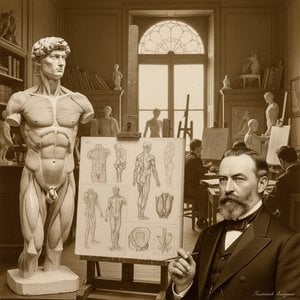
Frederick Bridgman: Anatomical Mastery & the Evolution of Figure Drawing Instruction
Explore the anatomical mastery of George B. Bridgman & his revolutionary figure drawing techniques. Discover how his methods transformed art instruction and continue to inspire artists today. Learn more at ArtsDot.


