

 წინასწარი ნახვა
 გაგზავნა
 გაზიარება
 დეტალები
 გზამკვლევი

 ჩამოტვირთვა
 მსგავსები
 რენტგენოგრაფიული კვლევა
 სლაიდშოუ
 კითხვა-პასუხი
 სტატისტიკა
Kultur


 გააგრძელეთ კითხვა
ამ გვერდზე წარმოდგენილი ნამუშევარი დაცულია საავტორო უფლების შესახებ კანონმდებლობით, რაც იმას ნიშნავს, რომ ჩვენ არ გვაქვს მისი იდენტური რეპროდუქციის შექმნის ან გაყიდვის სამართლებრივი უფლება. აღნიშნული დაცვა უზრუნველყოფილია ისეთი საერთაშორისო შეთანხმებებით, როგორიცაა ბერნის კონვენცია და ეროვნული კანონმდებლობით, მათ შორის იმ კანონებით, რომლებიც დეტალურად არის გაწერილი აშშ-ის საავტორო უფლების შესახებ კანონი - თავი 17.
ეს მეთოდი სრულად შეესაბამება საავტორო უფლებების რეგულაციებს, რადგან ის არ გულისხმობს დაცული ნამუშევრის კოპირებას ან დუბლირებას. ამგვარად, ეს წარმოადგენს შემოქმედებით რეინტერპრეტაციას — ახალ ნახატს, რომელიც შთაგონებითაა განპირობებული ორიგინალით, თუმცა არ არის მის იდენტურ ასლს.
გიკლე / ხელოვნების პრინტი
მუზეუმის დონის ჟიკლე ან ტილოზე ბეჭდვა სწრაფი წარმოებისა და დასრულების მოქნილი ვარიანტებით. ( შეიძინეთ ხელით შესრულებული ნახატი გადართვა ციფრულ გამოსახულებაზე)




































აირჩიეთ ჩვენს მიერ წინასწარ განსაზღვრული ზომებიდან, რომლებიც ნაწარმოების ორიგინალურ პროპორციებს შეესაბამება.

შეიყვანეთ თქვენთვის საჭირო სიგანე და სიმაღლე, რათა გამოსახულებამ თქვენს ჩარჩოს ან კედელს ზუსტად მოერგოს. ბეჭდვისას შესაძლებელია მხოლოდ მისი შემცირება და არა გაზრდა, ამიტომ სხვა ფორმის ზომის შემთხვევაში სურათი ნაწილობრივ იკარგება. სანამ რაიმეს დაბეჭდავთ, ჩვენ გამოგიგზავნით ციფრულ მაკეტს დასდასტურებლად. ამ გვერდზე ნაჩვენები სურათი არ ასახავს რეალურ ჭრას — ამას მხოლოდ მაკეტი გვიჩვენებს.
მიწოდება მთელ მსოფლიოში () 2 კვირაში, სტანდარტული 4/5 კვირის ნაცვლად. (11 ნოემბერი)

უფასო ექსპრეს მიწოდება მთელ მსოფლიოში

მაღალი ხარისხის ტილოს ქსოვილი

ტრანსპორტირების სრული დაზღვევა

საბაჟო გადასახადების დაბრუნების გარანტია

ფერების სრული შესაბამისობის გარანტია

დაბრუნების 100-დღიანი პოლიტიკა (მხოლოდ დეფექტის შემთხვევაში)

100% თანხის სრული დაბრუნების გარანტია

ფასდაკლება დიდი რაოდენობით შეკვეთისას
 მინის ჩარჩოს არჩევანი შესაძლებელია მხოლოდ 110 სმ-მდე ზომისთვის

Kultur
გიკლე / ხელოვნების პრინტი
რეპროდუქციის ზომა
-


საბოლოო ღირებულება
₾ 164
დაკავშირებული ნამუშევრები


მხატვრის ბიოგრაფია
A Legacy Carved in Resilience: The Life of Aaron J. Goodelman
Aaron J. Goodelman was far more than a mere sculptor; he was a visual chronicler of the human struggle, an artist whose hands shaped the heavy truths of the twentieth century. Born in 1890 in Ataki, Bessarabia—a land now known as Moldova—his early years were shadowed by the specter of antisemitic violence and pogroms that swept through Eastern Europe. This atmosphere of instability prompted his migration to the United States in 1904, a journey that would transplant his creative soul from the turbulent landscapes of Ukraine to the vibrant, industrial pulse of New York City. His formative education at the Odessa Art School provided the foundational bedrock upon which he would later build a sophisticated, international aesthetic, blending the classical rigor of European traditions with a modern, socially conscious urgency. As his artistic identity matured, Goodelman sought the highest levels of formal training, attending the prestigious Cooper Union and the National Academy of Design in New York. His pursuit of excellence eventually led him to Paris by 1914, where he immersed himself in the legendary Beaux-Arts tradition under the tutelage of Jean Antoine Injalbert. However, the onset of World War I severed his European apprenticeship, forcing a return to America. This period of transition marked the beginning of a profound stylistic evolution, as the classical elegance he learned in Paris began to collide with the raw, industrial realities of American life.The Intersection of Art and Activism
During the 1920s and 1930s, Goodelman’s work became inextricably linked to his political convictions. To sustain himself amidst the economic hardships of the era, he worked as a machinist—a vocation that likely deepened his intimate understanding of texture, weight, and the physical properties of metal and stone. This period of labor coincided with his involvement in the Communist Party, an affiliation that channeled his creative energy into powerful social commentaries. His sculptures from this era were not merely aesthetic objects but were potent instruments of protest and political expression. One of his most significant contributions to the discourse of social justice was his participation in the 1935 New York anti-lynching exhibitions. Through his sculptural medium, he confronted the horrific reality of racial violence in the United States, using form to denounce the systemic racism that plagued the nation. This commitment to the marginalized is perhaps best exemplified by his striking work Kultur (1940). A masterful piece of pearwood incorporating found iron shackles and chains, this sculpture serves as a dual indictment: it condemns both the lynchings of African Americans and the rising tide of Nazi-driven racial superiority in Germany. In such works, Goodelman achieved a rare synthesis of geometric abstraction and visceral, symbolic storytelling.Memory, Trauma, and Final Reflections
In the wake of World War II, the trajectory of Goodelman’s art shifted once more, moving toward the profound and somber themes of the Holocaust. Having witnessed the devastation of the very landscapes from which he emerged, his later works became vessels for remembrance and the processing of collective trauma. His ability to translate the unspeakable horrors of history into tangible, emotive forms solidified his reputation as a sculptor of immense psychological depth. He did not merely depict tragedy; he sculpted the weight of memory itself. Beyond his studio, Goodelman remained a vital figure in the American art community, co-founding the Society of American Sculptors and serving as an art editor for the Yiddish Culture Association (YKUF). His later years were spent sharing his vast knowledge as an instructor at the City College of New York, ensuring that his dedication to both craft and conscience would endure in future generations. Today, the works of Aaron J. Goodelman—ranging from the contemplative Man with Wheelbarrow to the textured, Cubist-inspired Untitled (Man at Machine)—stand as enduring monuments to a life spent navigating the complexities of justice, identity, and the indomitable human spirit.
მოკლე ინფორმაცია
- Artistic Movement Or Style: Communist Art
- Artists Or Movements Influenced By This Artist: ['Holocaust']
- Artists Who Influenced This Artist: ['Jean Antoine Injalbert']
- Date Of Death: 1978
- Full Name: Aaron J. Goodelman
- Nationality: American
- Notable Artworks: ['Kultur']
- Place Of Birth: Ataki, Moldova
დაკავშირებული სტატიები

The Enduring Form: Sculpture Across History, Technique & Emotional Resonance
Explore the rich history of sculpture with ArtsDot. Discover key techniques, influential artists & investment potential for discerning collectors. Expert insights into valuing and collecting timeless masterpieces.

Bronze Age to Modern Masters: 10 Sculptures That Redefined Art | ArtsDot
Journey through art history with 10 legendary bronze sculptures – from Michelangelo's David to Rodin’s Thinker. Explore the stories, techniques & timeless beauty of these masterpieces. Find museum-quality reproductions & elevate your home decor on ArtsDot.com.

The Enduring Form: Exploring Themes & Techniques in Sculpture Across Historical Periods
Explore the rich history of sculpture from ancient masterpieces to contemporary innovations. Discover key techniques, influential artists & investment potential for discerning art collectors.
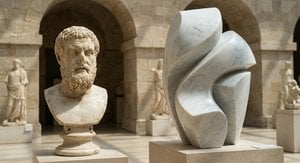
The Enduring Allure of Marble in Art History: From Classical Sculpture to Modern Abstraction
Explore the captivating history of marble sculpture from ancient Greece to modern art. Discover renowned artists like Canova & Michelangelo, carving techniques, and investment insights at ArtsDot.

Bronze Sculptures That Defined Art History | ArtsDot
Journey through art history with our Top 10 bronze sculptures! Explore masterpieces by Rodin, Michelangelo & more. Discover stories behind iconic statues and find museum-quality reproductions for your home decor at ArtsDot.com.