

 プレビュー
プレビュー
 シェアする
シェアする シェアする
シェアする
 詳細を見る
詳細を見る

 ダウンロード
 似ている作品
 X線調査
X線調査 スライドショー
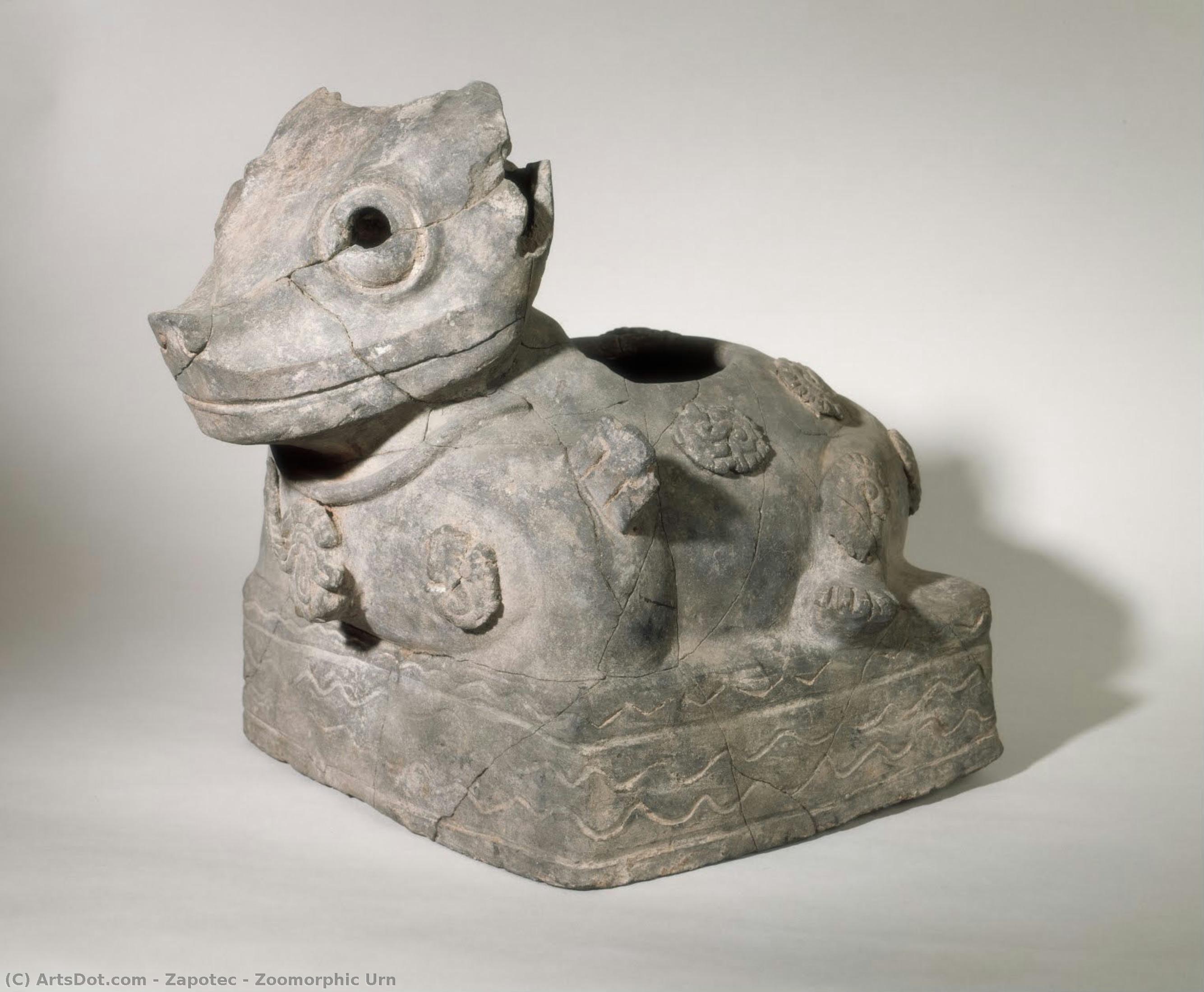
Zoomorphic Urn

 詳細を見る
詳細を見る
ジークレー/アートプリント
迅速な制作と多彩な仕上げオプションを備えた、ミュージアムクオリティのジークレーまたはキャンバスプリント。 ( 手描きの絵画を購入 画像を購入)




































作品のオリジナル比率に合わせた、当店の規定サイズからお選びください。

特定のフレームやスペースに合わせて、ご自身でサイズを指定することも可能です。選択されたサイズが元の画像の比率と一致しない場合、作品をトリミングするか、鏡面反射または単色での塗りつぶしによって画像を拡張いたします。制作を開始する前に、ご確認用のデジタルモックアップをお送りいたします。
画面上のプレビューには、実際のトリミングや拡張は反映されませんのでご注意ください。最終的な構図を正確に確認できるのは、モックアップのみとなります。
カスタムサイズも承っておりますが、元の比率を維持するためには、あらかじめ用意されたリストからサイズを選択することをお勧めいたします。


 ガラスオプションは、110cm未満のサイズでのみご利用いただけます。

Zoomorphic Urn
ジークレー/アートプリント
複製画のサイズ
-


合計金額
$ 62
アーティストの略歴
Rufino Tamayo: Bridging Ancient Roots and Modern Vision
Rufino Tamayo (August 25, 1899 – June 24, 1991) stands as a pivotal figure in Mexican art history—a sculptor, painter, printmaker, and ceramicist who seamlessly blended indigenous traditions with the vanguard of European artistic movements like Cubism and Surrealism. His oeuvre transcends mere stylistic imitation; it embodies a profound engagement with Mexico’s past while simultaneously pushing boundaries toward an expressive future. Born in Oaxaca City, Tamayo's upbringing amidst Zapotec culture profoundly shaped his worldview and artistic sensibility—a connection he consistently revisited throughout his prolific career.- Early Life & Artistic Formation: Tamayo’s father, José María Tamayo, was a prominent physician and anthropologist who instilled in him a fascination for Mesoamerican archaeology and ethnography. This early exposure fueled his lifelong interest in exploring the relationship between indigenous heritage and artistic innovation. He studied at the Escuela Nacional de Artes Plasticas in Mexico City, where he honed his sculptural skills under Julián Sánchez Galván and José Clemente Orozco—artists who championed monumental murals celebrating Mexican history and identity.
- Cubist Influences & Artistic Breakthrough: Tamayo’s artistic trajectory took a decisive turn upon encountering Picasso's Cubism in Paris during the 1920s. He embraced the geometric fragmentation of form, analyzing objects from multiple perspectives—a technique that would become his signature style. His monumental mural “La danza de los jaguares” (1934), commissioned for the Museo Nacional de Antropología in Mexico City, exemplifies this stylistic fusion, depicting a Zapotec ritual dance alongside Cubist abstractions.
- Surrealism & Mythological Exploration: Simultaneously, Tamayo explored Surrealist imagery and symbolism—drawing inspiration from Aztec mythology and folklore. He utilized dreamlike landscapes and distorted figures to convey profound emotional states and philosophical concepts. His paintings “El hombre bueno” (1937) and “La tierra” (1940) are notable examples of this stylistic approach, reflecting Tamayo’s preoccupation with themes of human existence and the cosmos.
- Mixografia & Artistic Legacy: Tamayo revolutionized printmaking through his pioneering use of Mixografia—a technique developed by Picasso and Roland Penrose that combines etching and lithography to achieve vibrant color prints. His extensive portfolio of Mixografia prints showcases his mastery of this innovative medium, capturing the essence of Mexican landscapes and cultural traditions with unparalleled luminosity and textural richness.
- Recognition & Enduring Significance: Tamayo’s artistic achievements garnered international acclaim—including honorary doctorates from Yale University and Oxford University—and cemented his place as one of Mexico's most celebrated artists. His work continues to inspire contemporary artists and scholars alike, serving as a testament to the enduring power of intercultural dialogue and artistic experimentation. He died in Mexico City in 1991, leaving behind an unparalleled legacy of sculptural masterpieces and evocative paintings that encapsulate the spirit of Mexican identity.
- La danza de los jaguares (1934)
- El hombre bueno (1937)
- La tierra (1940)
- Cristo Velázquez (1952)
- El jardín de piedra (1960)
- Tamayo, Rufino. *Arte Popular Mexicano*. Mexico City: Museo Nacional de Antropología, 1973.
- Schwartz, Jonathan. *Rufino Tamayo*. New York: Guggenheim Museum Exhibition Catalog, 2004.

zapotec
Mexico
基本情報
- Artistic Movement Or Style: Cubism & Surrealism
- Artists Or Movements Influenced By This Artist: ['Modern Art']
- Artists Who Influenced This Artist:
- Pablo Picasso
- Georges Braque
- Date Of Birth: August 25, 1899
- Date Of Death: June 24, 1991
- Full Name: Rufino del Carmen Arellanes Tamayo
- Nationality: Mexican
- Notable Artworks:
- San José Mogote Monument 3 ("Danzante")
- Building J
- Place Of Birth: Mexico City, Mexico

