


 プレビュー
プレビュー
 シェアする
シェアする シェアする
シェアする
 詳細を見る
詳細を見る ガイド
ガイド

 ダウンロード
 似ている作品
 X線調査
X線調査 スライドショー
 統計情報
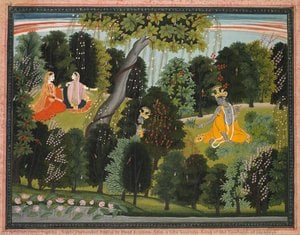
統計情報Mahakali
 Contemporary Realism
 1980
1980 74.0 x 56.0 cm
 詳細を見る
詳細を見る
オンラインプレビューをはるかに凌ぐ、高解像度で鮮明なデジタル画像をご購入いただけます。
各ファイルは、社内の専門家が高度なツールと熟練した手作業によるレタッチを用いて、細心の注意を払って準備されています。すべての画像において、卓越した鮮明度、正確な色彩再現性、そして繊細なディテールを保証いたします。
最終ファイルは、プロフェッショナルな編集・印刷環境ですぐにご利用いただけるよう最適化された状態で、72時間以内にメールにてお届けいたします。これは、一流のデザインスタジオ、出版社、ギャラリーから信頼されているものと同等の品質です。
デジタルアート
個人での鑑賞、印刷、クリエイティブなプロジェクト用に、高解像度ファイルをダウンロードできます。 ( プリント版に切り替え 手描きの絵画を購入)
デジタル画像のご注文に付随する特典
高品質なデジタル画像配信を、確かな品質で。
ArtsDot.com を選ぶことは、単に画像を手に入れることではありません。それは、プロの手によって精密に仕上げられ、満足保証が付いた高品質なデジタルアートワークを受け取ることを意味します。ご注文いただいた際に自動的に付随する内容は、以下の通りです:

メールですぐにお届け
ご注文から72時間以内に、高解像度のデジタル画像ファイルがメールでお手元に届きます。すぐにそのままご利用いただけます。

AI技術で最適化されたデジタルファイル
お客様の作品は、高度なAIツールと専門家による手作業の編集を組み合わせてプロフェッショナルに最適化されており、細部のディテール、鮮明さ、そして正確な色再現性を最大限に引き出しています。

一生涯無料の再送サービス
ファイルを誤って削除したり、紛失してしまったりしましたか?ご安心ください。いつでも無料で再送いたします。

輸入手数料は一切かかりません
関税や手数料、配送料を気にすることなく、お気に入りのアートワークをすぐにお楽しみいただけます。デジタルダウンロードは常に免税です。

色彩再現の保証
プロ仕様のツールとカラーマネジメント技術を用いることで、デジタル画像が元の色を最大限に忠実に再現することを保証いたします。

100日間満足保証
ご購入いただいたデジタル画像にご満足いただけない場合は、100日以内であれば、理由を問わず修正または100%の返金対応をさせていただきます。

100% 返金保証
ご満足いただけない場合は、デジタルファイルを受け取ってから100日以内であれば、理由を問わず全額返金いたします。

まとめ買い割引
3枚購入で10%OFF - 5枚購入で15%OFF - 10枚以上購入で20%OFF。クリエイティブなプロジェクト、ギャラリー、エージェンシーに最適です。
関連作品



作家の略歴
A Symphony of Color and Devotion: The Life of Y.G. Srimati
Y.G. Srimati stands as a singular figure in twentieth-century Indian art, recognized for her distinctive blend of musical performance, dance, and painting—a testament to the holistic artistic spirit prevalent during her era. Born in Mysuru, India, in 1926, she possessed an innate talent nurtured from childhood through rigorous training in Carnatic music, Bharatanatyam dance, and traditional Indian painting techniques. This multifaceted upbringing profoundly shaped her artistic vision and fueled her unwavering dedication to capturing the essence of Hindu mythology and nationalist ideals within her canvases. Her very name carried a legacy of prestige; the initials Y.G. were an honorific title granted by the Maharaja of Mysore to her grandfather, the chief astrologer of his court.
The tapestry of Srimati’s life was woven with the threads of India's struggle for sovereignty. Raised in the heated climate of the independence movement, she was a young woman deeply moved by the political and spiritual shifts of her nation. As a teenager in the 1940s, she performed devotional songs, or bhajans, at prayer meetings for Mahatma Gandhi during rallies in Chennai. These personal encounters with Gandhi and the profound atmosphere of the independence movement left an indelible mark on her soul, directing her artistic focus toward themes of religious epic literature and rural culture as a conscious expression of nationalist sentiment.
The Evolution of an Indian Aesthetic
From 1952 onwards, Srimati’s career blossomed with a solo exhibition at the Government Museum in Madras, marking a pivotal moment that garnered critical acclaim and solidified her reputation as an emerging talent. Her artistic style was characterized by an innovative approach to spatial representation—a technique heavily influenced by the Bengal School of Art spearheaded by Nandalal Bose and drawing inspiration from the monumental frescoes adorning the Ellora and Ajanta Caves. She sought to create a continuous lineage for an Indian style of painting, one that resisted mere imitation of Western traditions in favor of something deeply rooted in indigenous identity.
Her explorations extended into the burgeoning Indian Space Painting movement, a stylistic trend that merged Persian influences with local traditions to depict space harmoniously. Srimati’s work was not merely decorative; it was an act of devotion. She skillfully employed multiple vanishing points and luminous watercolours to create a dynamic visual experience that transcends conventional perspectives. Her paintings often reflected the sculptural qualities of Indian dance, translating the rhythmic movements of Bharatanatyam into fluid, expressive brushstrokes on paper.
Legacy and Global Resonance
In the early 1960s, Srimati’s journey took her to the United States, where New York became her home for the remainder of her life. Despite the distance from her birthplace, her commitment to her vision remained steadfast. Her later works continued to explore the spiritual dynamics of her chosen subjects, bridging the gap between the ancient traditions of South India and the modern global stage. This culminated in a significant milestone when The Metropolitan Museum of Art in New York mounted a retrospective exhibition of her work, showcasing her mastery of watercolour.
The historical significance of Y.G. Srimati lies in her ability to synthesize disparate art forms into a unified spiritual language. Her achievements can be summarized through the following pillars of her artistry:
- Cultural Synthesis: The seamless integration of Carnatic music, classical dance, and painting into a singular aesthetic vision.
- Nationalist Expression: Using traditional subject matter—from village life to epic legends—to assert Indian identity during and after the independence movement.
- Technical Innovation: The adaptation of ancient fresco techniques and the Bengal School's influence into modern watercolour compositions.
- Spiritual Narrative: A lifelong dedication to portraying Hindu mythology not just as myth, but as a living, breathing spiritual reality.
Through her luminous watercolours, Srimati ensured that the vibrant pulse of Indian tradition would continue to resonate far beyond the borders of her homeland, leaving behind a legacy of profound beauty and cultural pride.

y. g. srimati
1926 - 2007 , India
プロフィール概要
- Artistic Movement Or Style: Indian space painting; Bengal School influence
- Artists Or Movements Influenced By This Artist: ['Will Barnet']
- Artists Who Influenced This Artist:
- Nandalal Bose
- Ajanta Caves
- Date Of Birth: Mysuru, India (1926)
- Date Of Death: 2007
- Full Name: y. g. srimati
- Nationality: Indian
- Notable Artworks:
- Mahakali
- Apsara with Harp
- Carudatta Presenting a Pearl Necklace
- Place Of Birth: Mysore, India