

 設置イメージを表示
 シェアする
シェアする シェアする
シェアする
 詳細を見る
詳細を見る ガイドを表示

 ダウンロード
 似ている作品
 X線調査
X線調査 スライドショーを表示
 Q&A
Q&A 統計情報
統計情報Self Portrait

- 91.0 x 71.0 cm


 詳細を表示
詳細を表示
ジークレー/アートプリント
スピーディーな制作と多彩な仕上げオプションが魅力の、ミュージアムクオリティなジークレー・キャンバスプリント。 ( 手描き複製画を注文する デジタル画像販売へ切り替え)




P118B ¥10

P118H ¥10

P118W ¥10

P438Z ¥10

P508JH ¥12

P508YH ¥12

P805H ¥10

P805Z ¥10

P919BZ ¥10

P919G ¥10

P919XJ ¥10

P959ZH ¥10

P968JZ ¥12

W106C ¥8

W218G ¥10

W218JH ¥8

W218Y ¥10

W307PJ ¥10

W316G ¥10

W316PJ ¥8

W316Y ¥10

W398PJ ¥8

W4111J ¥10

W500HY ¥15

W500JH ¥15

W692G ¥12

W849H ¥8

W940BG ¥15

W953PJ ¥8




作品のオリジナル比率に合わせた、当店の規定サイズからお選びください。

額縁や壁のスペースに合わせて、ご希望の幅と高さを入力してください。プリントはカットすることは可能ですが、元の画像より大きくすることはできないため、異なる比率のサイズを選択された場合は、画像の一部が欠けることになります。印刷を開始する前に、内容を確認していただくためのデジタルモックアップをお送りいたします。このページに表示されている画像は、実際のカット後の状態を示すものではありません。実際の仕上がりはモックアップにてご確認ください。


 ガラスオプションは、110cm未満のサイズでのみご利用いただけます。

Self Portrait
ジークレー/アートプリント
複製画サイズ一覧
-


合計金額
¥ 9963
関連作品


作家プロフィール
William Smellie Watson: A Portraitist of Victorian Dignity
William Smellie Watson (1796-1874) stands as a quietly significant figure in 19th-century Scottish art, a master portraitist whose meticulous technique and discerning eye captured the essence of his subjects – from royalty to prominent figures of Edinburgh society. While he may not command the immediate recognition afforded to some of his contemporaries, Watson’s work reveals a profound understanding of human character and a dedication to realism that elevates his portraits beyond mere likenesses, offering instead glimpses into the lives and personalities of those depicted.
Born in 1796, Watson's artistic journey began under the tutelage of George Watson, a respected portrait painter in Edinburgh. This early training instilled within him a commitment to capturing the nuances of expression and the subtle details that defined an individual’s presence. Watson’s formative years coincided with a period of significant social and political change in Britain – the rise of industrialization, the expansion of the British Empire, and the burgeoning influence of the Royal Academy in London. These shifts undoubtedly shaped his artistic sensibilities, encouraging him to observe keenly and to translate his observations onto canvas.
Watson’s career unfolded primarily within the context of Edinburgh's artistic community. He established a strong connection with the Royal Scottish Academy, exhibiting regularly and contributing to its development as a platform for showcasing local talent. His style evolved over time, moving from more traditional approaches towards a greater emphasis on capturing psychological depth and emotional resonance. He was particularly adept at portraying subjects in moments of quiet contemplation or dignified bearing – qualities that resonated deeply with the Victorian ethos of propriety and self-control.
A Master of Detail: Technique and Style
Watson’s technical skill is immediately apparent in his portraits, characterized by a remarkable level of detail and precision. He employed a meticulous approach to rendering textures—the drape of clothing, the sheen of polished surfaces, the delicate contours of faces—creating an illusion of tangible reality. His use of light and shadow was particularly masterful, subtly shaping forms and drawing attention to key features while maintaining a sense of atmospheric depth. He favored oil paints, allowing him to build up layers of color gradually, achieving rich tonal values and subtle gradations.
Crucially, Watson’s portraits weren't simply technical exercises; they were infused with an understanding of anatomy and perspective. He studied the human form intently, meticulously observing proportions and gestures. This anatomical knowledge informed his ability to create figures that appeared both lifelike and imbued with inner life. His self-portrait, a remarkably introspective work, offers a direct window into this process – a study in observation and self-awareness.
Notable Portraits: A Gallery of Victorian Dignity
Among Watson’s most celebrated works are his portraits of Prince William (later King William IV), a testament to his ability to capture the regal bearing and quiet dignity of royalty. His depiction of George Vertue, the musicologist and publisher, showcases his talent for portraying intellectual figures with both intelligence and warmth. The portrait reveals a keen understanding of Vertue’s character—his thoughtful gaze and slightly furrowed brow conveying a sense of scholarly intensity.
Furthermore, Watson's work includes several notable commissions from Edinburgh society, including members of the merchant class and prominent academics. These portraits offer valuable insights into the social fabric of Victorian Scotland – reflecting the values, aspirations, and anxieties of a rapidly changing nation. The portrait of William Walker, a leading surgeon, exemplifies his ability to capture the gravitas and authority associated with professional figures.
Legacy and Influence
William Smellie Watson’s legacy extends beyond the individual portraits he created. He played a significant role in fostering the development of portrait painting within Scotland, contributing to the Royal Scottish Academy and mentoring younger artists. His meticulous technique and commitment to realism influenced subsequent generations of Scottish painters, shaping the artistic landscape of the late 19th century.
While his name may not be as widely recognized as some of his contemporaries, William Smellie Watson’s portraits remain valuable windows into the Victorian era – offering a nuanced and compelling glimpse into the lives and personalities of those who shaped Scotland's history. His dedication to capturing human dignity and psychological depth ensures that his work continues to resonate with viewers today.

William Smellie Watson
1796 - 1874
プロフィール概要
- Artistic Movement Or Style: Portrait Painting
- Artists Or Movements Influenced By This Artist: ['Royal Scottish Academy']
- Artists Who Influenced This Artist: ['George Watson (painter)']
- Date Of Birth: 1796
- Date Of Death: 1874
- Full Name: William Smellie Watson
- Nationality: Scottish
- Notable Artworks:
- Self Portrait
- George Vertue
- Place Of Birth: WahooArt
関連記事

R.A. Benjamin Williams: Victorian Genre Painting & Social Commentary
Explore the captivating world of Benjamin Williams Leader's Victorian genre paintings. Discover his mastery of naturalism, social commentary & lasting influence on British art. Expert insights at ArtsDot.

The Enduring Legacy of Oil on Canvas: Technique, History & Aesthetic Impact
Explore the rich history & techniques of oil painting – from Renaissance masters to Impressionism. Discover pigments, layering methods, and why this timeless medium endures. Expert insights for artists & art enthusiasts.
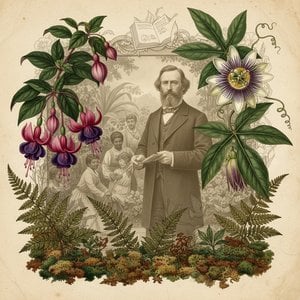
William Salter: A Life Immersed in Colour – Victorian Botanical Art & Social Vision
Explore the life & art of William Salter (1804-1875), a Victorian master renowned for his botanical illustrations and striking portraits. Discover his social vision & legacy at ArtsDot.

19th Century Masterpieces: 10 Paintings That Defined an Era | ArtsDot
Journey through 19th century art with ArtsDot! Explore 10 iconic paintings – from Monet & Renoir to Courbet – and discover the stories behind Romanticism, Realism & Impressionism. Find museum-quality reproductions for your home decor. Explore the full collection online!

William Powell Frith: Narratives of Victorian Society & the Rise of Realist Painting
Explore the life & works of William Powell Frith, the 'greatest British painter of social scenes.' Discover his iconic Victorian genre paintings and learn about his lasting impact on realist art. Hand-painted reproductions available.