

 設置イメージを表示
 シェアする
シェアする シェアする
シェアする
 詳細を見る
詳細を見る ガイドを表示

 ダウンロード
 似ている作品
 X線調査
X線調査 スライドショーを表示
 Q&A
Q&A 統計情報
統計情報Gray Barn

 詳細を表示
詳細を表示
ジークレー/アートプリント
スピーディーな制作と多彩な仕上げオプションが魅力の、ミュージアムクオリティなジークレー・キャンバスプリント。 ( 手描き複製画を注文する デジタル画像販売へ切り替え)




































作品のオリジナル比率に合わせた、当店の規定サイズからお選びください。

額縁や壁のスペースに合わせて、ご希望の幅と高さを入力してください。プリントはカットすることは可能ですが、元の画像より大きくすることはできないため、異なる比率のサイズを選択された場合は、画像の一部が欠けることになります。印刷を開始する前に、内容を確認していただくためのデジタルモックアップをお送りいたします。このページに表示されている画像は、実際のカット後の状態を示すものではありません。実際の仕上がりはモックアップにてご確認ください。


 ガラスオプションは、110cm未満のサイズでのみご利用いただけます。

Gray Barn
ジークレー/アートプリント
複製画サイズ一覧
-


合計金額
¥ 9973
関連作品


作家プロフィール
A Pioneer of Pennsylvania Impressionism: The Life and Art of William Langson Lathrop
William Langson Lathrop, born in 1859 amidst the rural landscapes of Painesville, Ohio, emerged as a pivotal figure in American art, not merely as a painter but as an architect of an artistic community. His journey began rooted in the natural world—a childhood spent on his family’s farm near Lake Erie instilled within him a profound connection to the land that would define his life's work. Early aspirations led him towards illustration and etching in New York City during the late 1870s, but financial hardship prompted a period of exploration abroad. Travel through Europe in the 1880s broadened his artistic horizons and ultimately led to marriage, shaping both his personal life and aesthetic sensibilities. A turning point arrived with a prestigious award in New York, solidifying his path as a landscape painter and signaling the beginning of a remarkable career dedicated to capturing the essence of the American countryside.Forging a Colony: New Hope and the ‘En Plein Air’ Revolution
The year 1899 marked a defining moment in Lathrop's life and the trajectory of American Impressionism. He relocated to New Hope, Pennsylvania, drawn by the serene beauty of the Delaware River valley. It was here that he established an art colony—a haven for artists seeking inspiration from the region’s picturesque scenery. More than just a gathering place, this colony became a crucible for artistic innovation, with Lathrop at its heart. He passionately championed en plein air painting, believing in the transformative power of direct observation and immersion in nature. Famously, he guided his students from aboard “Sunshine,” a barge that served as a floating studio, allowing them to sketch the ever-changing vistas along the Delaware Canal. This method wasn’t simply about technique; it was about fostering a deeper understanding of light, atmosphere, and the fleeting moments that define the natural world. Lathrop's dedication extended beyond instruction—he actively cultivated a community where artists could share ideas, critique each other’s work, and collectively elevate their craft.An Evolving Palette: From Tonalism to Impressionistic Brilliance
Lathrop’s artistic style wasn’t static; it was a testament to his continuous exploration and refinement of technique. His early works were deeply influenced by Tonalism, characterized by muted colors, atmospheric effects, and an emphasis on mood and contemplation. These paintings evoked a sense of quiet solitude and reverence for the natural world. However, over three decades, Lathrop’s palette began to shift, embracing the brighter hues and broken brushstrokes of Impressionism. This evolution wasn't abrupt but rather a gradual unfolding, as he learned to capture the vibrant energy of light and color with increasing skill. He didn’t abandon his earlier sensibilities entirely; instead, he synthesized them with the principles of Impressionism, creating a unique style that was both evocative and visually arresting. In 1916, Lathrop further solidified this artistic identity by co-founding “The New Hope Group” alongside fellow artists like Charles Rosen and Daniel Garber—a collective dedicated to promoting their distinct vision of landscape painting.Recognition and Legacy: A Lasting Impact on American Art
Throughout his career, William Langson Lathrop garnered significant recognition for his contributions to the art world. He was a respected member of the National Academy of Design, a testament to his technical skill and artistic merit. The pinnacle of this acclaim came in 1915 with a gold medal at the Panama-Pacific International Exposition in San Francisco—a prestigious event that showcased the best of American artistry. Beyond awards, Lathrop’s influence extended to the very fabric of the New Hope art community. He was instrumental in establishing Phillips Mill as a leading exhibition space, providing a platform for local artists to showcase their work and connect with audiences. His inventive spirit wasn't confined to painting; he designed and sailed his own boat, “The Widge,” exploring coastal waters and even hosting luminaries like Albert Einstein aboard. Tragically, Lathrop’s life came to an abrupt end in 1938 during a hurricane off Long Island while sailing—a dramatic finale that underscored his lifelong connection to the elements he so passionately depicted. Today, his paintings are held in esteemed museum collections such as The Metropolitan Museum of Art and the Smithsonian American Art Museum, ensuring his legacy continues to inspire generations of artists and art lovers alike. He remains a key figure in Pennsylvania Impressionism, celebrated for his ability to capture the serene beauty of the American landscape with both technical mastery and heartfelt emotion.- Major Achievements: Founding of New Hope Art Colony, Gold Medal at Panama-Pacific International Exposition (1915), Co-founder of “The New Hope Group”, Establishment of Phillips Mill as an exhibition space.
- Influences: Tonalism, Impressionism, European landscape painting traditions, direct observation of nature.

William Langson Lathrop
1859 - 1938 , United States of America
プロフィール概要
- Full Name: William Langson Lathrop
- Nationality: American
- Date Of Birth: 1859
- Date Of Death: 1938
- Place Of Birth: Painesville, United States of America
- Notable Artworks:
- Chilmark Moore
- The Meadows
- The Forest
- Artistic Movement Or Style: Impressionism, Tonalism
- Artists Or Movements Influenced By This Artist: Pennsylvania Impressionism
関連記事

Impressionistic Landscapes: 10 Masterpieces That Changed Art & Decor
Journey into the heart of Impressionism! Explore 10 masterpieces by Monet, Renoir & Degas that revolutionized landscape art. Discover their stories, techniques & find museum-quality reproductions to elevate your home decor on ArtsDot.com.

Masterpieces of the Equine Artist: Top 25 Works by Sir Alfred James Munnings
Explore 25 iconic equestrian works by Sir Alfred James Munnings. Discover timeless British masterpieces on ArtsDot.com.

ジョン・コンスタブルの傑作25選:英国風景画の巨匠が描く自然と光の詩 | ArtsDot
ジョン・コンスタブルの傑作25選。英国風景画の巨匠が描く自然と光の詩の世界へ。ロマン主義を代表する絵画、デダム・ヴェールやヘイ・ウェインなど、ArtsDotで高品質なアートプリントをお楽しみください。インテリアに深みと感動を。コレクションはこちら。
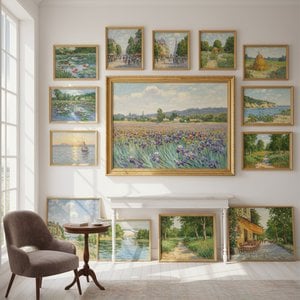
印象派風景を彩った至宝:アート史に名を刻む10選
印象派風景の革新を彩った10選。モネ、ルノワールら巨匠の名作を紐解き、色彩と光が生み出す感動の世界へ。アートの歴史とインテリアのインスピレーションをArtsDot.comで。高品質な複製画で、あなただけの空間を創造しましょう。

Cultivating Visions: A Historical Journey Through Rural Landscapes in Art
Explore the rich history of rural landscape painting with ArtsDot. Discover Impressionist masterpieces, key artists & movements. Find your perfect serene artwork and bring nature's beauty home.