
- ホーム

- キャンバスプリント用
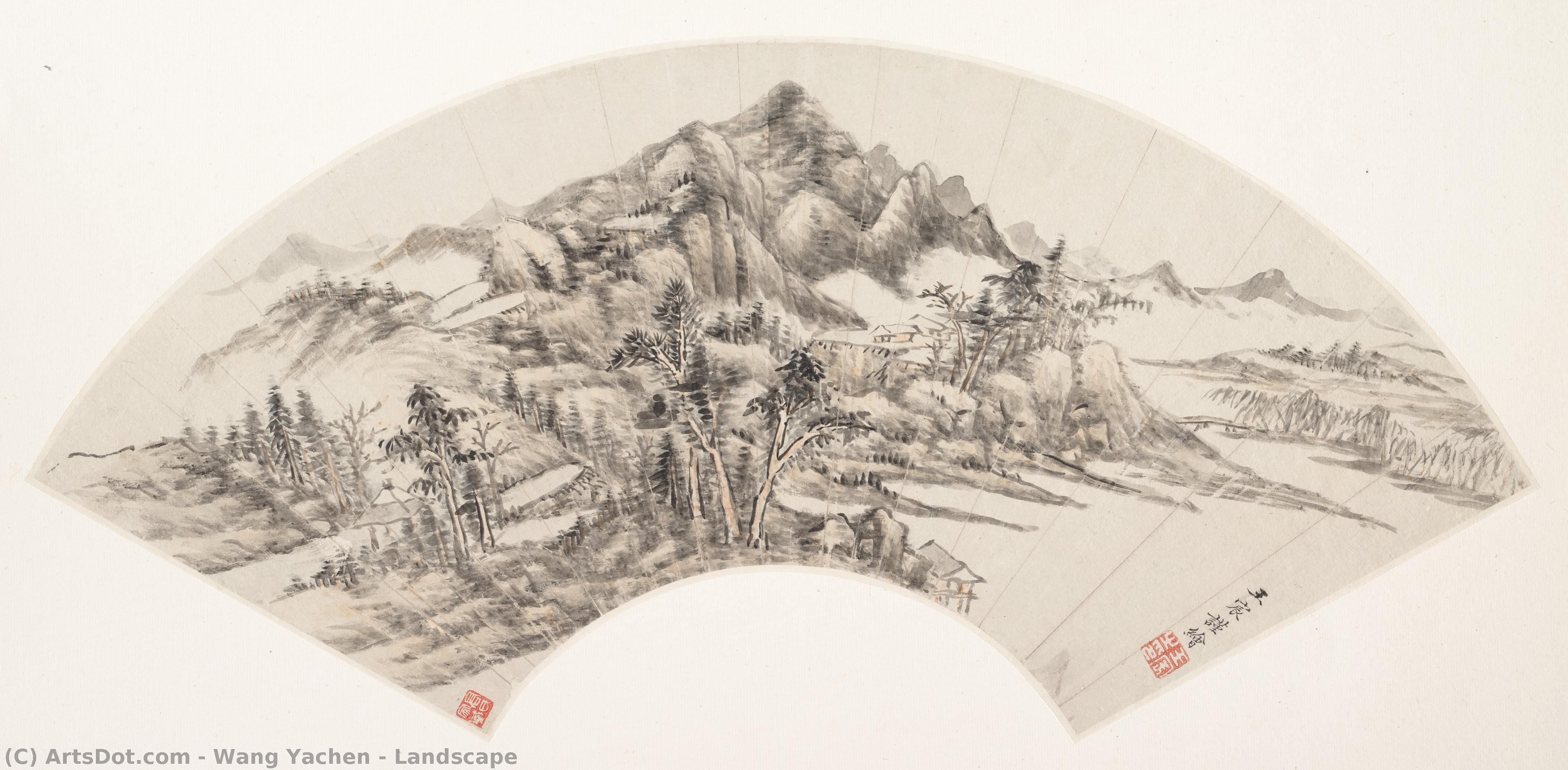
- Wang Yachen
- Landscape
 Preview
 手描き複製画を注文する
 シェアする
シェアする シェアする
シェアする
 詳細を見る
詳細を見る

 ダウンロード
 似ている作品
 X線調査
X線調査 スライドショー
Landscape
 Song Dynasty Landscape Painting
 1788
1788 18.0 x 51.0 cm
 詳細を見る
詳細を見る




































作品のオリジナル比率に合わせた、当店の規定サイズからお選びください。

特定のフレームやスペースに合わせて、ご自身でサイズを指定することも可能です。選択されたサイズが元の画像の比率と一致しない場合、作品をトリミングするか、鏡面反射または単色での塗りつぶしによって画像を拡張いたします。制作を開始する前に、ご確認用のデジタルモックアップをお送りいたします。
画面上のプレビューには、実際のトリミングや拡張は反映されませんのでご注意ください。最終的な構図を正確に確認できるのは、モックアップのみとなります。
カスタムサイズも承っておりますが、元の比率を維持するためには、あらかじめ用意されたリストからサイズを選択することをお勧めいたします。


 ガラスオプションは、110cm未満のサイズでのみご利用いただけます。

Landscape
ジークレー/アートプリント
複製画のサイズ
-


合計金額
-
作品詳細説明
関連作品


アーティストの略歴
A Life Immersed in Ink: The World of Wang Yachen
Wang Yachen (1894-1983), a name resonating with the delicate brushstrokes and vibrant spirit of twentieth-century Chinese art, stands as a compelling figure bridging tradition and modernity. Born in Hangzhou, Zhejiang province – a region steeped in artistic heritage – Wang’s life unfolded against a backdrop of profound social and political change. He wasn't merely an artist; he was a scholar, educator, and a dedicated observer of the natural world, qualities that deeply informed his distinctive style. While initially engaging with Western oil painting techniques, it was within the realm of traditional Chinese ink wash painting – particularly flower-and-bird motifs and, most notably, goldfish – that Wang truly found his voice. His journey reflects a conscious embrace of cultural roots amidst a period of experimentation and upheaval, solidifying his position as an influential artist who skillfully balanced innovation with reverence for the past.Early Training and Artistic Diversification
Wang Yachen’s early artistic development was marked by a willingness to explore diverse mediums. He received formal training in both Chinese calligraphy and painting, laying a strong foundation in brush control, composition, and the expressive power of ink. However, he also ventured into the relatively new field of oil painting, studying Western techniques and aesthetics. This period of experimentation broadened his artistic horizons and instilled within him an understanding of perspective, light, and shadow – elements that would subtly influence his later work in traditional Chinese styles. He held several important academic positions throughout his career, including professor at the Shanghai Academy of Fine Arts, dean of the Xinhua Art Academy, and principal of the Xinhua Normal School, demonstrating a commitment to art education and fostering the next generation of artists. This dedication to teaching wasn’t separate from his artistic practice; it was an integral part of his belief in preserving and evolving Chinese artistic traditions.The Rise of Goldfish: A Signature Style
While proficient in various genres, Wang Yachen is most celebrated for his exquisite depictions of goldfish. He elevated this seemingly simple subject to a level of profound artistry, imbuing the fish with symbolic meaning and capturing their graceful movements with remarkable precision. In Chinese culture, goldfish represent wealth, abundance, and good fortune – auspicious symbols deeply embedded in societal values. Wang’s goldfish paintings weren't merely decorative; they were imbued with philosophical undertones, reflecting themes of vitality, resilience, and harmony. His mastery lay not only in his technical skill but also in his ability to convey the essence of life through these shimmering creatures. He developed a unique approach to ink wash painting, employing delicate washes and subtle gradations of tone to create an ethereal quality that captured the play of light on water and the translucent beauty of the fish themselves.Influences and Artistic Philosophy
Wang Yachen’s artistic philosophy was deeply rooted in the traditions of the Song Dynasty masters – artists renowned for their landscapes, ink wash techniques, and philosophical depth. He drew inspiration from the works of these earlier painters, studying their compositions, brushwork, and use of space. However, he wasn't simply a copyist; he synthesized these influences with his own unique sensibility, creating a style that was both respectful of tradition and distinctly modern. His paintings often evoke a sense of tranquility and contemplation, inviting viewers to immerse themselves in the beauty of nature and reflect on the deeper meaning of life. He believed in the importance of capturing the *qi* – the vital energy or spirit – within his subjects, striving to convey not just their physical form but also their inner essence.Legacy and Historical Significance
Wang Yachen’s contributions to twentieth-century Chinese art are significant on multiple levels. He played a crucial role in preserving and promoting traditional painting techniques during a period of rapid modernization. His exquisite goldfish paintings have become iconic representations of Chinese artistic skill and cultural symbolism, captivating audiences both domestically and internationally. Beyond his technical prowess, Wang Yachen’s legacy lies in his ability to bridge the gap between tradition and modernity, demonstrating that it is possible to embrace innovation while remaining deeply rooted in one's cultural heritage. His works continue to be exhibited in museums and galleries worldwide, serving as a testament to his enduring artistic vision and profound impact on the art world. He left behind a body of work that not only showcases exceptional skill but also embodies a deep appreciation for beauty, harmony, and the timeless power of ink wash painting.
基本情報
- Artistic Movement Or Style: Flower-and-bird painting
- Date Of Birth: 1894
- Date Of Death: 1983
- Full Name: Wang Yachen
- Nationality: Chinese
- Notable Artworks: ['Landscape']
- Place Of Birth: Hangzhou, China
関連記事

Reflections of an Age: Social Commentary & Artistic Representation in 18th-Century Society
Explore the social commentary & artistic representation of 18th-century society. Discover Rococo masterpieces, portraiture's power, and shifting historical perspectives. Expert insights for art lovers.

Ephemeral Expressions: Exploring the Nuances of Ink on Paper Through History & Contemporary Art
Explore the captivating world of ink wash painting – from its ancient origins to contemporary masters. Discover techniques, symbolism & conservation insights with ArtsDot.com.

ピクセルから絵画へ:AI駆動の写真アート生成がもたらす美的可能性と、個人的芸術表現への影響
AI画像生成の最前線と芸術表現の可能性を徹底解説。手描き複製画やカスタムポートレートも提供するArtsDotが、古典絵画から最新デジタルアートまで、あなたの感性を刺激する作品をご提案します。

Concrete Visions: Exploring the Urban Landscape in Painting – From Realism to Contemporary Art
Explore the evolution of cityscape painting from Realism to contemporary art with ArtsDot. Discover key artists & invest in timeless urban visions. Expert guidance, museum-quality reproductions.

Thomas Hudson: A Study in 18th-Century Portraiture & British Artistic Identity
Explore the life & work of Thomas Hudson, a leading 18th-century British portraitist. Discover his mastery of the 'Grand Manner,' influential style, and lasting impact on British art. Learn about his notable portraits like Judge William Noel & Alexander Van Aken.

