


 設置イメージを確認
 送る
送る シェア
シェア
 詳細情報
詳細情報 ガイドを表示

 画像をダウンロード
 似ている作品
 X線調査
X線調査 スライドショー
 統計情報
統計情報Sleep


 続きを読む
続きを読む
手描き油彩複製画
当社のアーティストが、お客様のご希望のサイズと額縁に合わせて、キャンバスに手描きで制作する油彩画です。 ( プリント版に切り替え デジタル画像販売へ切り替え)




P118B ¥10

P118H ¥10

P118W ¥10

P438Z ¥10

P508JH ¥12

P508YH ¥12

P805H ¥10

P805Z ¥10

P919BZ ¥10

P919G ¥10

P919XJ ¥10

P959ZH ¥10

P968JZ ¥12

W106C ¥8

W218G ¥10

W218JH ¥8

W218Y ¥10

W307PJ ¥10

W316G ¥10

W316PJ ¥8

W316Y ¥10

W398PJ ¥8

W4111J ¥10

W500HY ¥15

W500JH ¥15

W692G ¥12

W849H ¥8

W940BG ¥15

W953PJ ¥8




作品のオリジナル比率に合わせた、当店の規定サイズからお選びください。

特定のフレームやスペースに合わせて、ご希望のサイズをご入力いただけます。選択されたサイズが元の画像の比率と異なる場合、アートワークをトリミングするか、手描きで要素を追加して絵画を拡張いたします。デジタルモックアップ を制作し、制作開始前にご確認(承認)をいただきます。
画面上のプレビューは、実際のトリミングや拡張を正確に反映しているものではありません。最終的な構図は、モックアップによってのみ正確にご確認いただけます。
カスタムサイズもご利用いただけますが、元の比率を維持するためには、あらかじめ用意されたリストからサイズを選択することをお勧めいたします。
ご注文後、ArtsDot.com チームより詳細な指示をお送りするとともに、仕上がりイメージ(モックアップ)をご提供いたします。


 ガラスオプションは、110cm未満のサイズでのみご利用いただけます。

Sleep
再現技法
複製画サイズ一覧
-


合計金額
¥ 48316
The Weight of Tradition: An Encounter with Walter Ufer’s “Sleep”
Walter Ufer's "Sleep," painted in 1923, isn’t merely a depiction of three Native American women; it’s an immersion into a world steeped in ritual and profound reverence. The painting immediately draws the viewer in with its rich tapestry of color – predominantly warm reds, oranges, and browns that evoke the earth itself, grounded by cooler blues and greens woven through the textiles and pottery. This palette isn't simply decorative; it speaks to the cultural heritage of the subjects, hinting at a deep connection to the land and ancestral traditions. The composition is carefully orchestrated, centering on the kneeling woman as a focal point, yet subtly inviting us into the periphery of the scene, suggesting an active participation in this sacred space.
Ufer’s masterful technique reveals layers of painstaking detail. He employs a layered oil painting approach, building up texture with deliberate brushstrokes that create a palpable sense of roughness on the clothing – perhaps representing the wear and tear of daily life intertwined with ceremonial garb – while simultaneously rendering the pottery with smooth, almost polished surfaces. This juxtaposition speaks to the duality inherent in Native American culture: the balance between practicality and spirituality, the tangible and the intangible. The lighting, soft and diffused, isn’t dramatic; it's deliberately muted, casting subtle shadows that lend a sense of solemnity and depth to the figures and objects, as if illuminating a secret whispered within a sacred space.
A Window into Taos: Contextualizing Ufer’s Vision
To fully appreciate “Sleep,” it's crucial to understand its historical context. Painted in 1923, during his time in Taos Pueblo, New Mexico, the artwork represents a pivotal moment in Walter Ufer’s career and his deep engagement with Native American culture. He was part of the "Taos Ten," a group of artists who sought to document and celebrate the lives and traditions of the region's indigenous communities. This wasn’t simply an act of observation; it was a deliberate attempt at understanding and portraying these cultures with respect and authenticity, a rare undertaking for American art at the time.
Ufer’s background as a German-born artist profoundly shaped his approach. His training in Europe instilled a meticulous attention to detail and a sophisticated understanding of composition – elements he skillfully translated into his depictions of Native American life. However, it was his immersion within the Taos community that truly informed his work, allowing him to capture not just appearances but also the spirit and essence of these traditions. The painting’s realism is tempered by an underlying sense of mystery, inviting viewers to contemplate the deeper meanings embedded within the scene.
Symbolism Woven into the Fabric
The details within “Sleep” are laden with symbolic significance. The intricately patterned rug serves as a visual anchor, framing the central figures and providing a rich backdrop that speaks to the importance of storytelling and communal life within Native American culture. The pottery, often adorned with geometric designs and natural motifs, represents both artistic skill and spiritual connection – a tangible link to ancestors and the earth. The women themselves, engaged in what appears to be a ritualistic activity, are not simply subjects; they embody generations of tradition, wisdom, and connection to the divine.
The act depicted—kneeling in reverence—suggests healing or a profound spiritual ceremony. The quiet dignity of the figures, coupled with the muted colors and soft lighting, evokes a sense of solemnity and timelessness. It’s an image that transcends mere representation, offering a glimpse into a world governed by ancient beliefs and deeply rooted traditions.
A Legacy of Authenticity: Reproductions and Beyond
Walter Ufer's "Sleep" remains a powerful testament to the beauty and complexity of Native American culture. ArtsDot offers high-quality, hand-painted reproductions that faithfully capture the painting’s rich detail and evocative atmosphere. These reproductions are more than just images; they are windows into another world—a world of sacred rituals, profound traditions, and enduring wisdom. Investing in a reproduction is an investment in preserving this important piece of American art history and honoring the legacy of Walter Ufer's insightful portrayal.
よくあるご質問
「Sleep」のガイドはどこにありますか?
「Sleep」のガイドは、作品のガイドページです。このページは印刷可能なファクトシートとなっており、作品のキャプション、クレジット、および詳細情報(作家名、制作年、技法、原寸大、所蔵)をまとめてご確認いただけます。
ウォルター・ユーファー作「Sleep」は、どのような色彩の調和を見せていますか?
「Sleep」の色彩の調和は、Discordant Paletteと表現されます。
「Sleep」は、作者の母国に留まっているのでしょうか?
いいえ、作品は国外に保管されています。ウォルター・ユーファーはドイツで生まれ、その真作である「Sleep」はアメリカ合衆国の美術館に収蔵されています。
ウォルター・ユーファー作「Sleep」に関する統計情報はどこで確認できますか?
ウォルター・ユーファー作「Sleep」に関する統計情報は、作品の統計情報ページでご確認いただけます。こちらでは、作品の月間訪問数、アーティストの作品への訪問数、および最近の訪問者の国別・言語別の内訳をご覧いただけます。
「Sleep」の原画は、どの美術館に収蔵されていますか?
ウォルター・ユーファー作「Sleep」の真作はNational Cowboy - Western Heritage Museum, オクラホマシティ, アメリカ合衆国に所蔵されています。複製画(レプリカ)を用いることで、ご自宅でも作品をお楽しみいただけます。
「Sleep」は、ウォルター・ユーファーが繰り返し描いてきた主題の中でどのような位置を占めているのでしょうか?
ウォルター・ユーファーの記録されたテーマであるtaos ten influence, native american realism, spiritual ceremony focus, cultural preservation theme, westward expansion reflection, ufer's ethnographic interest, documenting indigenous life, key work in artist corpusの中でも、「Sleep」はnative american culture, ritual ceremony, indigenous art, textile patterns, cultural heritage, portraiture, depth of field, warm color paletteに独自の焦点を当てています。
ウォルター・ユーファー作「Sleep」 に似た作品を見つけるにはどうすればよいですか?
ウォルター・ユーファー作「Sleep」の似ている作品ページでは、関連する作品をご紹介しています。
「Sleep」は、空間にどのようなムードをもたらすでしょうか?
ウォルター・ユーファー作「Sleep」が醸し出すCalmな雰囲気は、おすすめの空間であるLiving Roomにぴったりです。
関連作品


アーティストについて
南西部の魂:ウォルター・ユーファーの生涯と遺産
ウォルター・ユーファーは、アメリカ印象派における極めて重要な人物であり、その筆致は単に光を捉えるにとどまらず、ある文化の鼓動そのものを描き出しました。1876年にドイツのヒュッケスヴァーゲンで生まれたユーファーが、ニューメキシコの乾燥した高地へと辿り着くまでの道のりは、厳格なヨーロッパでの修行と、人間存在に対する深い好奇心によって築かれました。ケンタッキー州ルイビルのドイツ系アメリカ人コミュニティで過ごした幼少期、彼は自らのルーツが持つ豊かな質感に触れ始めました。リトグラフや版画制作の研鑽を積んだこの基礎的な時期は、彼に卓越した技術的精密さを授け、後の作品において光と影の複雑な交錯を見事に操る礎となったのです。
芸術的な高みを目指す彼の探求心は、ヨーロッパ全土を巡る変革的なオデッセイへと彼を駆り立てました。渡り職人として、ユーファーは大陸の多様な芸術的伝統に身を投じ、ハンブルクやドレスデンの名高いアカデミーでその技法を磨き上げました。知性と創造性が激しく拡張されたこの時期は、ミュンヘンでの集中的なスタジオ制作において頂点に達します。1911年にアメリカへと帰国したとき、彼は洗練されたヨーロッパ的な感性を携えていました。それは、アメリカ西部の荒々しく陽光降り注ぐ風景と出会う準備が整った、極めて成熟したものでした。
「タオス・テン」の先見者
1914年は、ユーファーの人生、そしてアメリカ美術の軌跡における決定的な転換点となりました。ニューメキシコ州のタオス・プエブロへと足を踏み入れた彼は、自らが類まれな芸術革命の一部であることを悟りました。影響力のあるグループ、いわゆる「タオス・テン」の一員となったユーファーは、単なる風景画を超え、ネイティブ・アメリカンの生活をより真正かつ本能的な姿で描き出そうとする集団の中核を担いました。南西部をロマン主義的、あるいは植民地主義的な視点で捉えていた当時の多くの同時代人とは異なり、ユーファーは深い敬意を持ち、日々の営みに宿る尊厳を見つめる眼差しで主題に迫ったのです。
彼の作品は、ヨーロッパ印象派の技法と、プエブロの人々が持つ生々しく精神的なエネルギーを結びつける架け橋となりました。彼は単なる観察者ではなく、儀式や風景、そして共同体生活の静かなリズムを記録する年代記作家でもありました。この創造的進化の中心には、ユーファーのミューズであり共同制作者でもあったタオスの先住民、ジム・ミラバルとの関係がありました。この絆を通じて、ユーファーはこの地域を定義づける文化的な機微を深く理解し、ニューメキシコの境界を越えて共鳴するような、生きた真実をキャンバスに吹き込むことができたのです。
技法、象徴性、そして歴史的意義
ユーファーの作品群は、色彩への卓越した支配力と、大胆で表現豊かな絵具の塗布によって特徴づけられます。そのスタイルはアメリカ印象派の原則に根ざしながらも、砂漠の太陽の熱量や大地の重みを捉えるような、より力強く質感豊かなアプローチへと向かうことがしばらありました。彼は光を単に形態を照らすためだけではなく、感情を呼び起こすために用いました。それによって、歴史と伝統の重みが漂うような、情緒豊かな情景を生み出したのです。
ウォルター・ユーファーの歴史的な意義は、風俗画を深遠な社会的・文化的声明へと昇華させた点にあります。彼の成し遂げた功績には以下のようなものがあります:
- 真正な表現:ネイティブ・アメリカンの生活に対する「絵画的な」ステレオタイプを打破し、タオスの人々をより繊細で人間味あふれる肖像として提示したこと。
- 芸術的統合:ドイツでのアカデミックな訓練と、アメリカ南西部の活気に満ちた自由な精神を見事に融合させたこと。
- タオス・テンの遺産:タオスをアメリカ・モダニズムの主要な目的地として、また先住民文化に焦点を当てた芸術の重要な拠点として確立させる上で決定的な役割を果たしたこと。
今日においても、ユーファーの絵画は、激しい文化的交差が起こった時代の不朽の証として存在し続けています。ヨーロッパでの教育による技術的な厳格さと、プエブロ文化の精神的な深みを織りなす彼の能力は、現代の鑑賞者を魅了し続け、その情緒豊かで熟練した眼差しを通じて、タオス・バレーの時代を超越した精神を目の当たりにするよう誘っているのです。

ウォルター・ユーファー
1876 - 1936 , ドイツ
アーティスト情報
- Artistic Movement Or Style: タオス印象主義
- Artists Or Movements Influenced By This Artist: ['']
- Artists Who Influenced This Artist: ['']
- Date Of Birth: 1876年
- Date Of Death: 1936年
- Full Name: ウォルター・ウファー
- Nationality: ドイツ系アメリカ人
- Notable Artworks:
- 彼女の娘
- 砂漠の建設者たち
- 彼らの後に
- Place Of Birth: ドイツ、ヒュッケスヴァーゲン
関連記事

The Enduring Legacy of Oil on Canvas: Technique, History & Aesthetic Impact
Explore the rich history & techniques of oil painting – from Renaissance masters to Impressionism. Discover pigments, layering methods, and why this timeless medium endures. Expert insights for artists & art enthusiasts.

Grant Wood & American Regionalism: Identity, Myth & the Rural Landscape
Explore the world of Grant Wood & American Regionalism with ArtsDot. Discover the symbolism behind 'American Gothic', recurring themes, and the movement's lasting impact on art history. High-quality reproductions available.

American Realism's Defining Works: 10 Masterpieces for Your Home
Explore 10 defining American Realism masterpieces – Hopper, Homer & more. Discover the stories behind these iconic paintings and bring timeless art to your home with ArtsDot's museum-quality reproductions. Explore the full collection online.

Alfred Jacob Miller: Chronicling the American West Through Artistic Observation & Narrative
Explore the captivating art of Alfred Jacob Miller, chronicler of the American West. Discover his iconic paintings, techniques & lasting legacy – a valuable addition to any serious collection. Learn more at ArtsDot.
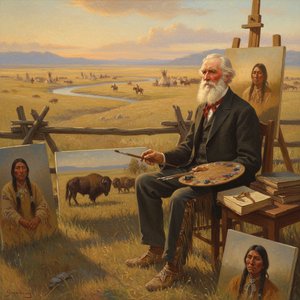
Joseph Henry Sharp: Capturing the Spirit of the Plains – Life, Art & Legacy
Explore the life & art of Joseph Henry Sharp, a founding member of the Taos Society of Artists renowned for his realistic depictions of Native American culture and Western landscapes. Discover his legacy with ArtsDot.