

 設置イメージを表示
 シェアする
シェアする シェアする
シェアする
 詳細を見る
詳細を見る ガイドを表示

 ダウンロード
 似ている作品
 X線調査
X線調査 スライドショーを表示
 Q&A
Q&A 統計情報
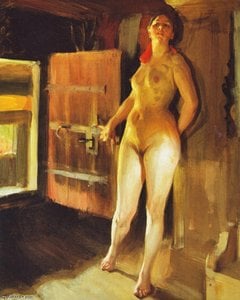
統計情報Nude

- 43.0 x 80.0 cm

 詳細を表示
詳細を表示
ジークレー/アートプリント
スピーディーな制作と多彩な仕上げオプションが魅力の、ミュージアムクオリティなジークレー・キャンバスプリント。 ( 手描き複製画を注文する デジタル画像販売へ切り替え)




































作品のオリジナル比率に合わせた、当店の規定サイズからお選びください。

額縁や壁のスペースに合わせて、ご希望の幅と高さを入力してください。プリントはカットすることは可能ですが、元の画像より大きくすることはできないため、異なる比率のサイズを選択された場合は、画像の一部が欠けることになります。印刷を開始する前に、内容を確認していただくためのデジタルモックアップをお送りいたします。このページに表示されている画像は、実際のカット後の状態を示すものではありません。実際の仕上がりはモックアップにてご確認ください。


 ガラスオプションは、110cm未満のサイズでのみご利用いただけます。

Nude
ジークレー/アートプリント
複製画サイズ一覧
-


合計金額
¥ 9952
Q&A
原画「Nude」のサイズはどのくらいですか?
Viscount Kuroda Seiki作「Nude」の記録されている寸法は43 x 80 cmです。複製画は、比率を維持したまま他のサイズで注文することが可能です。
Viscount Kuroda Seiki作「Nude」 の全体を貫く基調となる色は何ですか?
Viscount Kuroda Seiki作「Nude」の主要な色調はGolden Yellow Rangeです。この色調が、パレット全体の基調となるトーンを形作っています。
Viscount Kuroda Seiki作「Nude」の構図は、縦長、横長、それとも正方形ですか?
「Nude」の形式はTallです。複製画を飾る場所を検討する際にお役立てください。
関連作品



作家プロフィール
A Pioneer Bridging East and West: The Life and Art of Viscount Kuroda Seiki
Born Kuroda Shintarō in 1866, amidst the transformative currents of Japan’s Meiji era, Viscount Kuroda Seiki emerged as a pivotal figure in the nation's artistic evolution. His journey from samurai lineage to becoming celebrated as “the father of Western-style painting” in Japan is a compelling narrative of cultural exchange and artistic innovation. Adopted by his uncle, Kuroda Kiyotsuna, a high-ranking official in the imperial government, young Seiki was immersed in an environment that valued modernization and engagement with the wider world. This upbringing instilled in him not only a sense of duty but also a curiosity that would lead him far beyond the shores of Japan. Initially preparing for university studies with a focus on English, Kuroda’s path took an unexpected turn under the influence of Yamamoto Hosui, igniting within him a passion for painting and setting the stage for his artistic destiny.From Parisian Studios to a Distinctly Japanese Vision
Kuroda's pursuit of artistic mastery led him to Paris in 1884, where he initially studied law but soon gravitated towards the vibrant art scene. He enrolled in the studio of Louis-Joseph-Raphaël Collin, a French artist who skillfully blended academic rigor with the emerging principles of *plein air* painting—a technique emphasizing direct observation and capturing the fleeting effects of light and atmosphere. This mentorship proved crucial, providing Kuroda with a solid foundation in Western artistic traditions while simultaneously encouraging him to explore new approaches to representation. He absorbed influences from masters like Jean-François Millet and Jules Bastien-Lepage, drawn to their depictions of rural life and naturalism, as well as the burgeoning Impressionist movement led by Claude Monet. These diverse inspirations coalesced within Kuroda, shaping his artistic sensibility and preparing him for a unique mission upon his return to Japan in 1893: to establish a distinctly Japanese form of Western-style painting—*yōga*.Forging a New Path: The Hakubakai and Artistic Leadership
Back in Japan, Kuroda didn’t simply replicate European styles; he sought to synthesize them with the aesthetic sensibilities of his homeland. He became instrumental in forming the *Hakubakai*, an art society dedicated to promoting Western-influenced painting through exhibitions and fostering a new generation of artists. This period marked a turning point in Japanese art history, as Kuroda and his contemporaries challenged traditional conventions and paved the way for modern artistic expression. His paintings from this era, such as the celebrated Lakeside, exemplify this fusion—vibrant colors, elegant figures (often women), and an atmospheric quality reminiscent of Impressionism are all grounded in a distinctly Japanese aesthetic sensibility. Other notable works like *Portrait of Kitao Jirō* and the tragically lost *Talk on Ancient Romance*, demonstrate his versatility and commitment to exploring both portraiture and narrative painting within this evolving style.A Legacy Etched in Paint and Pedagogy
Kuroda’s influence extended beyond his own artistic creations; he profoundly impacted Japanese art education as the director of the Western Painting Faculty at the Tokyo School of Fine Arts. He introduced rigorous training methods based on Western academic principles, while also encouraging students to develop their individual voices and explore new forms of expression. His dedication to fostering a vibrant artistic community ensured that his legacy would endure through generations of artists he mentored. His contributions were formally recognized with the title of Viscount, solidifying his position as a leading figure in Japanese society. Kuroda Seiki’s work continues to resonate today, displayed prominently in institutions like the Tokyo National Museum and the Artizon Museum, serving as a testament to his pioneering spirit and enduring artistic vision. He remains a symbol of Japan's successful integration of Western influences while maintaining its unique cultural identity—a bridge between two worlds, beautifully rendered on canvas.
Viscount Kuroda Seiki
1866 - 1924 , Japan
プロフィール概要
- Full Name: Viscount Kuroda Seiki
- Nationality: Japanese
- Date Of Birth: 1866
- Date Of Death: 1924
- Place Of Birth: None, Japan
- Notable Artworks:
- Lakeside
- Portrait of Kitao Jirô
- Wisdom, Impression, Sentiment
- Artistic Movement Or Style: Yōga, Impressionism
- Artists Who Influenced This Artist:
- Raphaël Collin
- Jean-François Millet
- Claude Monet
- Artists Or Movements Influenced By This Artist: ['Modern Japanese painting']