設置イメージを表示
 シェアする
シェアする シェアする
シェアする
 詳細を見る
詳細を見る ガイドを表示

 ダウンロード
 似ている作品
 X線調査
X線調査 スライドショーを表示
 Q&A
Q&A 統計情報
統計情報Abstract Composition 21

 詳細を表示
詳細を表示
このページに掲載されている作品は著作権法によって保護されており、当社の許可なく同一の複製物を制作または販売することは法律で禁じられています。この保護は、以下のような国際条約に基づき執行されます。 ベルヌ条約 および、以下の条項に定められたものを含む各国の法律により、 米国著作権法 第17編。
この手法は、著作権で保護された作品の複製や複写を伴わないため、著作権法に完全に準拠しています。これは単なる模倣ではなく、創造的な再解釈です。元の作品からインスピレーションを受けつつも、それとは異なる、全く新しい絵画を生み出すものです。
ジークレー/アートプリント
スピーディーな制作と多彩な仕上げオプションが魅力の、ミュージアムクオリティなジークレー・キャンバスプリント。 ( 手描き複製画を注文する デジタル画像販売へ切り替え)




P118B ¥10

P118H ¥10

P118W ¥10

P438Z ¥10

P508JH ¥12

P508YH ¥12

P805H ¥10

P805Z ¥10

P919BZ ¥10

P919G ¥10

P919XJ ¥10

P959ZH ¥10

P968JZ ¥12

W106C ¥8

W218G ¥10

W218JH ¥8

W218Y ¥10

W307PJ ¥10

W316G ¥10

W316PJ ¥8

W316Y ¥10

W398PJ ¥8

W4111J ¥10

W500HY ¥15

W500JH ¥15

W692G ¥12

W849H ¥8

W940BG ¥15

W953PJ ¥8




作品のオリジナル比率に合わせた、当店の規定サイズからお選びください。

額縁や壁のスペースに合わせて、ご希望の幅と高さを入力してください。プリントはカットすることは可能ですが、元の画像より大きくすることはできないため、異なる比率のサイズを選択された場合は、画像の一部が欠けることになります。印刷を開始する前に、内容を確認していただくためのデジタルモックアップをお送りいたします。このページに表示されている画像は、実際のカット後の状態を示すものではありません。実際の仕上がりはモックアップにてご確認ください。


 ガラスオプションは、110cm未満のサイズでのみご利用いただけます。

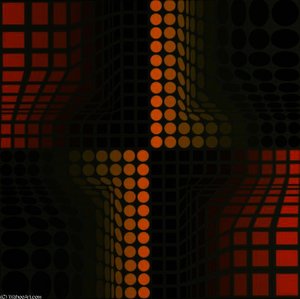
Abstract Composition 21
ジークレー/アートプリント
複製画サイズ一覧
-


合計金額
¥ 9973
A Kaleidoscope of Order: Exploring Victor Vasarely's "Abstract Composition 21"
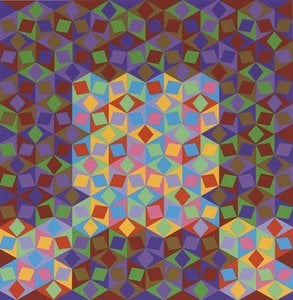
Victor Vasarely, a name synonymous with Op Art and kinetic art, dedicated his life to exploring the fundamental principles of perception through geometric abstraction. Born in Pécs, Austria-Hungary (now Croatia), in 1906, his journey from medical studies to becoming a pioneering artist is a testament to the power of visual expression. "Abstract Composition 21," a vibrant and intricate work, exemplifies Vasarely’s unique approach – a systematic exploration of color, shape, and spatial relationships designed to create an illusion of movement and depth on a flat surface. This isn't merely a painting; it's a carefully constructed optical experience, inviting the viewer into a world where geometry dances before their eyes. The close-up view reveals a mesmerizing pattern of squares, each meticulously placed and colored to interact with its neighbors, generating an almost palpable sense of dynamism.The Language of Geometry: Vasarely’s Artistic System
Vasarely wasn't interested in depicting the external world; instead, he sought to create a new visual language based on fundamental geometric forms – squares, circles, and stripes – arranged according to precise mathematical principles. He developed what he termed "unstable equilibrium," a concept where seemingly static shapes are juxtaposed in ways that suggest movement and vibration. “Abstract Composition 21” is a prime example of this philosophy. The multitude of colors—blues, yellows, greens, reds, oranges, purples, pinks, whites, blacks, and grays—aren't randomly scattered; they’re strategically deployed to create optical illusions. Notice how the varying sizes and shapes of the squares contribute to the overall effect, some appearing to recede into space while others seem to leap forward. This deliberate manipulation of perception is a hallmark of Op Art, a movement Vasarely essentially founded. His work draws heavily from Bauhaus principles, emphasizing functional design and geometric abstraction—a legacy inherited from his time at Sándor Bortnyik’s workshop in Budapest.Beyond Decoration: Symbolism and the "City of Tomorrow"
While seemingly devoid of representational imagery, Vasarely's art carries a profound symbolic weight. He envisioned his work as contributing to what he called the “city of tomorrow,” a utopian urban environment characterized by order, harmony, and visual stimulation. The repetitive patterns in "Abstract Composition 21" can be interpreted as representing the modularity and efficiency of modern architecture and technology. The vibrant colors evoke a sense of energy and optimism, reflecting Vasarely’s belief in the power of art to uplift and inspire. He wasn't simply creating decorative objects; he was proposing a new aesthetic for the modern world—one that embraced geometric precision and optical illusion. The systematic nature of his approach reflects a desire to impose order on the chaos of contemporary life, offering viewers a sense of visual clarity and intellectual engagement.An Enduring Legacy: Vasarely's Impact on Art and Design
Victor Vasarely’s influence extends far beyond the realm of fine art. His pioneering work in Op Art has had a lasting impact on graphic design, fashion, and interior architecture. The principles he established—the use of geometric patterns to create optical illusions and evoke movement—continue to inspire designers today. "Abstract Composition 21," with its captivating interplay of color and form, serves as a powerful reminder of Vasarely’s genius and his enduring contribution to the visual arts. Owning a reproduction of this iconic work is not just acquiring a beautiful piece of art; it's embracing a legacy of innovation and a vision for a more vibrant and visually stimulating world.Q&A
ヴィクトル・ヴァザルリ作「Abstract Composition 21」は、Op Artの作品の中でも、特に需要の高いものなのでしょうか?
カタログ内のOp Artの作品の中で、「Abstract Composition 21」はRecognizedと記録されています。
ヴィクトル・ヴァザルリ作「Abstract Composition 21」は、どのような空間に飾るのがおすすめですか?
「Abstract Composition 21」の複製画は、Living Roomに美しく調和します。
その色彩を考慮すると、"Abstract Composition 21" はどの場所に飾るのがおすすめですか?
Darkの色彩を纏ったヴィクトル・ヴァザルリ作「Abstract Composition 21」は、Living Roomに飾るのがおすすめです。その色使いこそが、この提案の理由のひとつです。




作家プロフィール
ヴィクター・ヴァザレリの黎明期と研鑽
1906年4月9日、ハンガリーのペチュヴァツに、後にヴィクター・ヴァザレリとして世界にその名を轟かせることになるカロル・ヴァサリが誕生しました。彼の歩みは、当初から芸術とは無縁の、全く異なる分野から始まったのです。1925年、彼はブダペストのエトヴェシュ・ロラーンド大学へと進み、医学の門を叩きました。人体という複雑な仕組みと科学の論理に、二年の歳月を捧げた彼でしたが、視覚的表現への抗いがたい衝ك動が、やがて医学への情熱を上回ることになります。そして1927年、彼は医学の道を断ち切り、伝統的なアカデミック絵画の探求を求めてポドリーニ=ヴォルクマンアカデミーへと身を投じたのです。
彼の芸術的研鑽は、さらに深化していきます。サンドール・ボルトニクのワークショップ「Műhely」へと移った彼は、そこでバウハウス運動の精神が息づく環境に身を置くこととなりました。そこは、機能的なデザインと幾何学的抽象が交差する、極めて刺激的な学びの場でした。この時期、彼の関心は、単なる描写を超えた「構造」と「体系」へとシフトしていきます。このスタジオで得た教えこそが、後に彼が展開することになる、形と色彩が人間の眼とどのように相互作用するかという、深遠なる探求の礎となったのです。
独自の視覚言語の形成
1929年から1944年にかけて、ヴィクター・ヴァザレリはグラフィック・ワークの領域に深く傾倒していきました。この時期、彼は光と影が単純な形態といかに相互作用するかという実験に、情熱的な歳月を費やしました。初期のグラフィック活動からは、1935年のChess Boardや1934年のGirl-powerといった作品が生まれ、さらに1937年にはZebrasといった傑作も手がけられました。これらの作品には、鑑賞者が平坦な表面をどのように知覚するかという問いに対する、彼の深まりゆく関心が鮮明に刻み込まれています。彼は伝統的な絵画の枠組みから離れ、より構造的でグラフィックなアプローチへと、その表現を深化させていったのです。
1944年から1947年にかけて、彼の芸術的方向性はさらなる変容を遂げます。キュビスム、未来派、表現主義、象徴主義、そしてシュルレアリスムといった多様な様式を渡り歩きながら、彼は空間をより精密に組織化するための、新たな秩序を模索し続けました。この「新しい論理」への飽くなき探求は、後に彼が発表する「イエロー・マニフェスト」へと結実していきます。彼の作品は、個人の感情を吐露する手段から、視覚というメカニズムそのものを探求する学問的な領域へと昇華していきました。この体系的な手法こそが、後に彼をオプ・アート運動の先駆者として、不動の地位へと押し上げることになったのです。
技法と光学錯覚の極致
ヴィクター・ヴァザレリのアプローチは、幾何学を体系的に用いることで、鑑賞者の身体に直接的な反応を引き起こす点にその真髄があります。彼は、形態を表現するために伝統的な光源や古典的な明暗法(キアロスクーロ)に頼ることはありませんでした。その代わりに、高コントラストな顔料の精緻な相互作用を用いることで、奥行きと動きをシミュレートしたのです。色彩の密度を巧みに操ることで、平坦な面の上に、凹凸が迫り出したり、あるいは奥へと退行したりしているかのような錯覚を、見る者の目に植え付けます。この手法によって、静止した表面は、まるで膨張し、あるいは収縮しているかのような、ダイナミックな空間へと変貌を遂げるのです。
彼が「視覚的キネティクス」あるいはplastique cinétique(プラスティック・シネティック)と呼んだその手法は、図形の精密な配置に基づいています。テクスチャ効果、遠近法、陰影、そして光を駆使して、これらの錯覚は構築されました。彼の作品は、外部からの照明ではなく、リズムを刻む内的な輝きを、眼球がいかに解釈するかというプロセスに深く依存しています。グリッドと数学的原理を駆使することで、視覚的な振動や渦巻くような効果を生み出し、その結果として、鑑賞者の知覚の中にのみ存在する「動き」という感覚を創出することに成功したのです。
その技法の精密さは、建築的な奥行きを生み出すための色彩と線の扱いにおいて、鮮明に示されています。Torony-Nagyのような作品では、鮮明な白いラインと、深いブルーやエメラルドグリーンの交差が、リズムを伴う光学的な振動を生み出しています。これらの要素が共鳴し合うことで、脈動する光のような感覚が呼び起こされるのです。彼はこれらの道具を、単なる対象の再現を超え、「人間がいかにして物を見るのか」という視覚のメカニズムそのものへと探求を進めるために用いたのでした。
主要な作品と功績
1937年、Zebraの誕生は、多くの人々がオプ・アートの最初期の傑作と見なす、歴史的な転換点となりました。この作品は、従来の具象的な表現から脱却し、単純な形態を眼がどのように解釈するかという、知覚のプロセスそのものに焦点を当てたものでした。その後、リズムと光をめぐる彼の実験的な探求は、1969年の作品Torony-Nagyにおいて一つの頂点に達します。4つの様式化された塔と、ブルー、グリーン、オレンジといった高コントラストな色彩を用いたこの作品は、内側から溢れ出すような輝きを放ちます。交差する白いラインと色彩の密度によって構成されたその画面は、平坦なはずの表面が脈動し、あるいは奥へと退いていくような錯覚を鮮烈に描き出しています。
ヴィクター・ヴァザレリの探求は、二次元のキャンバスを越え、三次元の空間や日常の品々へと広がっていきました。彼は巨大なキネティック・オブジェクトであるGeorges Pompidouを設計し、自身の視覚理論を物理的な動きを伴う形態へと昇華させました。また、幾何学を実生活に応用しようとする情熱は、ロザリン・スタジオ・リーニとのコラボレーションへと結実します。このパートナーシップから生まれたSuomi食器シリーズは、500点に及ぶ展開によって、彼のダイナミックな幾何学模様を私たちの生活空間へと鮮やかに運び込んだのです。
- Zebra (1937)
- Torony-Nagy (1969)
- Suomi tableware series
ヴィクター・ヴァザレリ財団の設立
1966年、ヴィクター・ヴァザレリは「ヴィクター・ヴァザレリ財団」の設立に向けた歩みを始めました。この壮大なプロジェクトの根底には、「すべての人に芸術を」という彼の確固たる信念と、「未来の都市」に対する独自のビジョンが流れています。彼は、単に作品を展示するだけの伝統的なギャラリーという枠組みを超え、自らの芸術哲学を具現化するための特別な空間を創造しようと試みたのです。その情熱は形となり、1973年には建物の建設が始まりました。
そして1976年2月14日、フランスの南仏、エクス=アン=プロヴァンスにおいて、この財団はついに公式に幕を開けました。設立されたこの場所は、彼の作品を収蔵するだけでなく、芸術と都市デザインがいかに相互作用し得るかという、彼の理論を広く伝えるための拠点として設計されました。空間の建築そのものもまた、彼の壮大なビジョンの一部です。建物のレイアウトは、彼が追求した幾何学的な形態が、訪れる人々によってよりダイナミックに、そして直感的に体験されるよう、緻密に計算されて設計されているのです。
不朽の遺産と世界的な評価
ヴィクター・ヴァザレリが編み出した視覚言語の響きは、美術館の静謐な壁を越え、遥か遠くまで広がっていきました。彼の描くパターンや幾何学的な構造は、日常のあらゆる質感の中に溶け込み、ファッションのシルエット、インテリアデザインの構成、そしてグラフィックデザインの論理にまで深い影響を与えたのです。その体系的な形態と知覚へのアプローチは、コンピュータグラフィックスの黎明期にさえ、その確かな足跡を刻み込んでいます。彼の思想は決してキャンバスの中に閉じ込められたものではなく、実用的なオブジェの世界、そしてその後に続くデジタル構造の深淵へと、ダイナミックに浸透していったのです。
1982年、彼の芸術は宇宙へと旅立ちました。フランスとソ連の共同宇宙船スリュート7号にセリグラフが搭載されたこの出来事は、彼の数学的な精密さと、人類が抱き続ける探求という壮大な営みとの間に、美しい繋がりがあることを証明しました。ヴィクター・ヴァザレリは、1997年3月15日にフランス・パリでその生涯を閉じるまで、常に現代美術史の中心的な存在であり続けました。
今日の作品との出会い
ヴィクター・ヴァザレリの足跡を辿る旅は、フランスとハンガリーの数々の地を巡る壮大なものとなります。フランスのプロヴァンス地方、エクス=アン=プロヴァンスには、彼の膨大な作品群の大部分を収蔵する「ヴァザレリ財団」が鎮座しています。この美術館は、「すべての人に芸術を」という彼の崇高な理念を具現化するために、アーティスト自身の手によって設立されました。館内は七つの六角形のセル(小部屋)で構成されており、それぞれが幅14メートル、高さ11メートルという広大な空間を持っています。そこには、6メートル×8メートルという圧倒的なスケールを誇る42点もの大型作品が、まるで生命を宿しているかのように展示されています。
また、彼の魂は故郷であるハンガリーの地にも深く刻まれています。彼が生を受けたペチュヴァツには「ヴァザレリ美術館」が、そしてブダペストのオーブダにあるジッチ宮殿には、もう一つの「ヴァザレリ美術館」が佇んでいます。これらの場所を訪れることで、私たちは彼の芸術を定義づけた幾何学的な形態や、視覚を揺さぶる光学的な効果を、肌で感じるように体験することができるのです。フランス国内では、ゴルドルのサン・フィルマン宮殿にあるヴァザレリ美術館も、彼の作品に触れることができる重要な拠点となっています。
こうした特定の美術館の枠を超えて、彼の芸術的影響力は世界中の公的なコレクションへと広がっています。例えば、ビルバオ美術館にその一部が収蔵されているほか、ワシントンD.C.の米州開発銀行や、シャーロットのベクトラー現代美術館など、世界各地のコレクションにその名を見ることができます。このように各地に点在する作品たちは、彼の行った視覚的な実験が、時代や場所を超えて、あらゆる人々へと届き続けていることを物語っています。

ヴィクトル・ヴァザルリ
1906 - 1997 , クロアチア
プロフィール概要
- Artistic Movement Or Style: オプ・アート、キネティック・アート、幾何学抽象
- Artists Or Movements Influenced By This Artist:
- グラフィックデザイン
- ファッション
- インテリアデザイン
- コンピュータグラフィックス
- Artists Who Influenced This Artist:
- ピエト・モンドリアン
- カジミール・マレーヴィチ
- Date Of Birth: 1906年
- Date Of Death: 1997年
- Full Name: カロル・ヴァサリ
- Nationality: ハンガリー系フランス人
- Notable Artworks:
- Terek
- Torony-Nagy
- Pal-Ket
- Kaglo II
- Zebra
- Place Of Birth: ペチュヴァツ、クロアチア
関連記事

Beyond Form & Color: Geometric Abstraction's Enduring Legacy in Art History
Explore the captivating world of geometric abstraction! Discover its origins, key artists like Malevich & Mondrian, and why this movement remains highly valued by art collectors today. Expert insights at ArtsDot.

Beyond Form & Color: Geometric Abstraction's Evolution in 20th/21st Century Art
Explore the evolution of geometric abstraction from Cubism to contemporary art. Discover key artists like Malevich & Mondrian, investment insights, and expert collecting advice at ArtsDot.

Mastering Abstraction: The Top 25 Essential Artworks by Wassily Kandinsky
Explore 25 iconic Wassily Kandinsky masterpieces. From Blue Rider to pure abstraction, discover the full collection on ArtsDot.com.

Victor Vasarely: Pioneering Op Art & Democratizing Visual Experience
Explore the revolutionary world of Victor Vasarely, father of Op Art. Discover his geometric masterpieces, artistic system, & lasting impact on modern design. A guide for discerning art collectors.

幾何学的抽象絵画を定義した傑作10選|アート、アーティスト、インテリア装飾
モンドリアン、マレーヴィチ…幾何学的抽象絵画を代表する傑作10選。各作品の背景や色彩構成、アーティストの情熱に迫ります。美術館品質の複製画はArtsDot.comで。オンラインでアートコレクションをご覧ください。