設置イメージを確認
 送る
送る シェア
シェア
 詳細情報
詳細情報 ガイドを表示

 画像をダウンロード
 似ている作品
 X線調査
X線調査 スライドショー
 統計情報
統計情報Abstract Composition 16

 続きを読む
続きを読む
このページに掲載されている作品は著作権法によって保護されており、当社の許可なく同一の複製物を制作または販売することは法律で禁じられています。この保護は、以下のような国際条約に基づき執行されます。 ベルヌ条約 および、以下の条項に定められたものを含む各国の法律により、 米国著作権法 第17編。
この手法は、著作権で保護された作品の複製や複写を伴わないため、著作権法に完全に準拠しています。これは単なる模倣ではなく、創造的な再解釈です。元の作品からインスピレーションを受けつつも、それとは異なる、全く新しい絵画を生み出すものです。
ジークレー/アートプリント
スピーディーな制作と多彩な仕上げオプションが魅力の、ミュージアムクオリティなジークレー・キャンバスプリント。 ( 手描きの複製画を注文する デジタル画像販売へ切り替え)




P118B ¥10

P118H ¥10

P118W ¥10

P438Z ¥10

P508JH ¥12

P508YH ¥12

P805H ¥10

P805Z ¥10

P919BZ ¥10

P919G ¥10

P919XJ ¥10

P959ZH ¥10

P968JZ ¥12

W106C ¥8

W218G ¥10

W218JH ¥8

W218Y ¥10

W307PJ ¥10

W316G ¥10

W316PJ ¥8

W316Y ¥10

W398PJ ¥8

W4111J ¥10

W500HY ¥15

W500JH ¥15

W692G ¥12

W849H ¥8

W940BG ¥15

W953PJ ¥8




作品のオリジナル比率に合わせた、当店の規定サイズからお選びください。

特定のフレームやスペースに合わせて、ご自身でサイズを指定することも可能です。選択されたサイズが元の画像の比率と一致しない場合、作品をトリミングするか、鏡面反射または単色での塗りつぶしによって画像を拡張いたします。制作を開始する前に、ご確認用のデジタルモックアップをお送りいたします。
画面上のプレビューには、実際のトリミングや拡張は反映されませんのでご注意ください。最終的な構図を正確に確認できるのは、モックアップのみとなります。
カスタムサイズも承っておりますが、元の比率を維持するためには、あらかじめ用意されたリストからサイズを選択することをお勧めいたします。


 ガラスオプションは、110cm未満のサイズでのみご利用いただけます。

Abstract Composition 16
ジークレー/アートプリント
複製画サイズ一覧
-


合計金額
¥ 9563
A Symphony of Form and Color: Exploring Victor Vasarely’s Abstract Composition 16
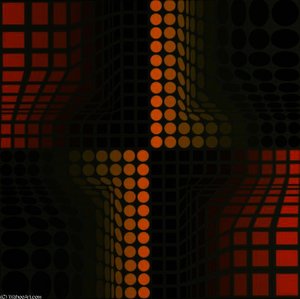
- Introduction: Immerse yourself in the dynamic world of Op Art with Victor Vasarely's *Abstract Composition 16*. This captivating painting is a prime example of Vasarely’s pioneering work, showcasing his mastery of geometric abstraction and optical illusion. It’s not merely a visual experience; it’s an invitation to perceive reality anew.
Deconstructing the Visual Language
The composition is built upon a carefully orchestrated arrangement of shapes – predominantly circles, squares, and rectangles – rendered in a vibrant palette of red, green, blue, yellow, black, white, and orange. The painting is intuitively divided into distinct sections: a fiery upper register dominated by reds and greens; a central zone pulsing with cool blues and yellows; and a grounding base featuring the stark contrast of blacks, whites, and oranges. The strategic placement of circles, particularly a prominent one on the left and a smaller counterpart on the right, creates a sense of visual balance while simultaneously suggesting movement and depth.Vasarely and the Birth of Op Art
Victor Vasarely (1906-1997) was a Hungarian-French artist who became synonymous with the Op Art movement. His artistic journey began with traditional training, but he quickly diverged, influenced by Bauhaus principles and a fascination with scientific concepts like perception and illusion. *Abstract Composition 16*, likely created during his mature period, embodies this evolution. Vasarely wasn’t interested in representing reality; he sought to *create* a new visual reality through the manipulation of form and color. His work, including early pieces like “Zebra” (1937), laid the groundwork for an entire artistic movement that challenged conventional notions of painting.Technique and Materials
While the specific materials used in *Abstract Composition 16* are unknown, Vasarely frequently employed acrylics on canvas. His technique was meticulous, relying on precise calculations and a systematic approach to color application. He often built up layers of paint to achieve subtle variations in tone and texture, enhancing the illusionistic effects. The clean lines and sharp edges characteristic of his style were achieved through careful masking and precise brushwork.Symbolism and Interpretation
Vasarely’s work isn't laden with traditional symbolism. Instead, its power lies in the purely visual experience it evokes. The geometric forms can be interpreted as representing underlying structures of the universe, while the vibrant colors stimulate emotional responses. The optical illusions created by his compositions challenge our perception and invite us to question what we see. It’s a celebration of the act of seeing itself.Emotional Impact & Interior Design
*Abstract Composition 16* is an energizing and intellectually stimulating artwork. Its dynamic composition and bold colors create a sense of movement and vitality, making it a striking focal point in any space. This piece would be particularly well-suited for modern interiors, minimalist settings, or spaces where a touch of artistic sophistication is desired. The interplay of warm and cool tones offers versatility, complementing a range of color schemes. Consider pairing this artwork with neutral furnishings to allow its vibrant energy to truly shine.
よくあるご質問
「Abstract Composition 16」は、ヴィクトル・ヴァザレリが繰り返し描いてきた主題の中でどのような位置を占めているのでしょうか?
「Abstract Composition 16」はabstract art, geometric shapes, color field, optical illusion, modern design, vibrant colors, op art styleを描いていますが、ヴィクトル・ヴァザレリのこれまでのテーマとして記録されているのはop art influence, geometric abstraction, visual illusion, 20th century design, hungarian modernism, international style, color & form exploration, early kinetic artです。この二つを比較することで、本作が作家のいつもの主題とどのように関連しているかが明らかになります。
ヴィクトル・ヴァザレリ作「Abstract Composition 16」の構図を主導している色は何ですか?
「Abstract Composition 16」の中で最も際立っている色はPhthalo Green (#272f3b)です。作品の主色(メインカラー)を知ることは、インテリアとのコーディネートを考える際に役立ちます。
ヴィクトル・ヴァザレリ作「Abstract Composition 16」の解説ページはありますか?
「Abstract Composition 16」のガイドは、作品のガイドページです。このページは印刷可能なファクトシートとなっており、作品のキャプション、クレジット、および詳細情報(作家名、制作年、技法、原寸大、所蔵)をまとめてご確認いただけます。
「Abstract Composition 16」のファインアートプリントは販売されていますか?
ヴィクトル・ヴァザレリ作「Abstract Composition 16」のプリントをご希望の方は、このページよりご注文いただけます:コットンキャンバスまたはアーカイブ品質のキャンバスペーパーに施されたファインアートプリント。
「Abstract Composition 16」の作者は?
「Abstract Composition 16」はヴィクトル・ヴァザレリの作品とされています。
ヴィクトル・ヴァザレリ作「Abstract Composition 16」 の全体を貫く基調となる色は何ですか?
ヴィクトル・ヴァザレリ作「Abstract Composition 16」には、Ochre to Sepiaの色調が全体に広がっています。
ヴィクトル・ヴァザレリ作「Abstract Composition 16」の手描き複製画はどこで購入できますか?
ヴィクトル・ヴァザレリ作「Abstract Composition 16」の手描き複製画は当サイトにて販売しております:リネンキャンバスに手描きされた油彩複製画(このページよりご注文いただけます)。


アーティストについて
幾何学と光の幻想:ヴィクター・ヴァサレリの世界
1906年、クロアチア(当時オーストリア=ハンガリー帝国)のペチュヴァツでKároly Vaszaryとして生まれたヴィクター・ヴァサレリは、Op Art(光学芸術)とキネティックアートの先駆者として知られています。彼の人生は、医学を志した時期から、絵画の世界へと転身する決断に至るまで、一筋縄ではいかないものでした。1927年、彼はポドリーニ=ヴォルクマンアカデミーに入学し、芸術への情熱を追求します。この決断は単なる職業の変化ではなく、知覚と形態の根源的な原理を探求する生涯にわたる旅の始まりを告げるものでした。特に重要なのは、Sándor Bortnyik氏のワークショップ「Műhely」での学びです。そこではバウハウスの影響を受け、機能主義デザインと幾何学的抽象の原則を深く理解しました。ヴァサレリは単なる技術習得にとどまらず、伝統的な芸術的慣習を解体し、論理と精密性に根ざした新たな視覚言語を創造しようとしたのです。
初期の抽象からOp Artへの黎明
1920年代後半から1930年代初頭にかけて、ヴァサレリは徐々に表象芸術からの脱却を図り、幾何学的抽象の世界へと深く踏み込みました。「青の研究」や「緑の研究」(ともに1929年)といった作品は、その移行期を象徴しています。これらの作品は、物語的な内容を意図的に排除し、純粋な形態と色彩の関係性に焦点を当てています。ピエト・モンドリアンやカジミール・マレーヴィチといった巨匠たちから影響を受けつつも、ヴァサレリは彼らのスタイルを単に模倣するのではなく、それを超越し、よりダイナミックで、鑑賞者の知覚を積極的に刺激する表現を目指しました。1930年にパリに移住後、彼はグラフィックデザイナー兼広告アーティストとして活動を開始し、そのスキルを磨きながら独自の芸術的ビジョンを追求しました。この時期に、彼はOp Artの代名詞となるような技術を実験的に試み始めます。形と色彩を操作することで、奥行きや動きの錯覚を生み出すのです。
体系化された幻想:ムーブメントの定義
1960年代になると、ヴィクター・ヴァサレリはOp Art運動における主要な人物として確立しました。多くのアーティストが直感や偶発的な表現に頼るのに対し、ヴァサレリは体系的な方法論を用いて作品を制作しました。彼はグリッドと数学的原理を活用し、視覚的な振動、渦巻き効果、そして物理的には存在しない奥行きといった強烈な光学錯覚を生み出すパターンを生成しました。これは単なるトリックではなく、知覚そのものの内にあるダイナミズムを明らかにする試みでした。ヴァサレリは、芸術をギャラリーや美術館の枠を超えて、より多くの人々にアクセス可能にすることを信じていました。彼の作品は鑑賞者に自らの視覚体験を問い直し、意味の創造に積極的に参加するように促しました。この意図的な知覚との関わりこそがOp Artを他の芸術分野と区別し、ヴァサレリをその最前線に位置づけたのです。彼は単なる絵を描いているのではなく、経験を構築していたのです。
キャンバスを超えて:キネティックな探求と遺産
ヴァサレリの芸術的探求は、静的な錯覚だけにとどまりませんでした。彼はますますキネティックアートの世界へと足を踏み入れ、実際の動きを取り入れたり、視覚的に動いているかのように見せかける作品を制作しました。「ジョルジュ・ポンピドゥ」(1976年)は、パリのポンピドゥー・センターに設置された大規模な運動作品であり、その野心を象徴しています。これは芸術と建築、そして都市デザインを統合した壮大な試みでした。さらに彼は、ロザリン陶器とのコラボレーションによって生まれた象徴的な「Suomi」食器シリーズに見られるように、商業製品へのデザイン応用にも意欲的に取り組みました。この境界線の曖昧さは、芸術が日常生活に浸透する可能性を信じていたヴァサレリの信念を裏付けています。フランスとソ連の共同宇宙船スリュート7号に彼のセリグラフを搭載した1982年の出来事は、彼の芸術の世界的な認知度を高め、人類の探求というより広い文脈における芸術とのつながりを象徴しました。
歴史的意義
ヴァサレリの芸術史への貢献は多岐にわたります。彼は伝統的な絵画技法を超越し、鑑賞者の知覚を積極的に関与させる作品を生み出しました。彼の体系的なアプローチは、芸術的創造性に関する従来の概念に挑戦し、コンピュータ生成アートやデジタルデザインの道を開きました。また、複製と商業応用を受け入れることで、ヴァサレリは美術と大衆文化の境界線を曖昧にし、両方に永続的な影響を与えました。彼は単なる美的に心地よい物体を創造しているのではなく、私たちが世界を見る方法に関する根本的な真実を明らかにする視覚実験を行っていたのです。 彼の作品は今日でも共鳴し続け、抽象の力、幾何学の美しさ、そして人間の創造性の無限の可能性を私たちに思い出させてくれます。

ヴィクトル・ヴァザレリ
1906 - 1997 , クロアチア
アーティスト情報
- フルネーム: ヴィクター・ヴァサレル
- 主な作品:
- 青の研究
- 緑の研究
- Zebra
- 出生地: ペチシュ、クロアチア
- 国籍: ハンガリー・フランス系
- 影響を与えたアーティストまたは運動:
- グラフィックデザイン
- インテリアデザイン
- 影響を受けたアーティスト:
- ピエト・モンドリアン
- カジミール・マレーヴィチ
- 死亡年月日: 1997年3月15日
- 生年月日: 1906年4月9日
- 芸術運動またはスタイル: オプアート、キネティックアート
関連記事
マーク・ロスコ傑作25選:色彩が織りなす深遠な世界|ArtsDot
マーク・ロスコの傑作25選。抽象表現主義を代表する巨匠、色彩が織りなす深遠な世界を探求します。絵画の背景や技法、感動的なストーリーを紐解き、ArtsDotで高品質なアートプリントをお楽しみください。リビングやオフィスにモダンアートを飾るなら!

幾何学的抽象絵画を定義した傑作10選|アート、アーティスト、インテリア装飾
モンドリアン、マレーヴィチ…幾何学的抽象絵画を代表する傑作10選。各作品の背景や色彩構成、アーティストの情熱に迫ります。美術館品質の複製画はArtsDot.comで。オンラインでアートコレクションをご覧ください。

Beyond Form & Color: Geometric Abstraction's Evolution in 20th/21st Century Art
Explore the evolution of geometric abstraction from Cubism to contemporary art. Discover key artists like Malevich & Mondrian, investment insights, and expert collecting advice at ArtsDot.

抽象表現主義を定義する十大傑作:芸術と装飾の深遠な旅
抽象表現主義を定義する10の傑作。ポロック、ロスコら巨匠たちの情熱と色彩の世界へ。各作品に込められた物語と技法を紐解き、至高のアート体験を。ArtsDot.comで、ミュージアムクオリティの複製画や洗練されたインテリアアイデアを発見してください。

Kandinsky's Masterpieces: 25 Paintings That Define Abstract Art | ArtsDot
Journey through Wassily Kandinsky's 25 most iconic abstract paintings. Explore his revolutionary use of color, form & spiritual expressionism. Find museum-quality Kandinsky reproductions and elevate your home decor with ArtsDot.com. Discover all masterpieces on ArtsDot.com!