

 プレビュー
プレビュー
 シェアする
シェアする シェアする
シェアする
 詳細を見る
詳細を見る

 ダウンロード
 似ている作品
 X線調査
X線調査 スライドショー
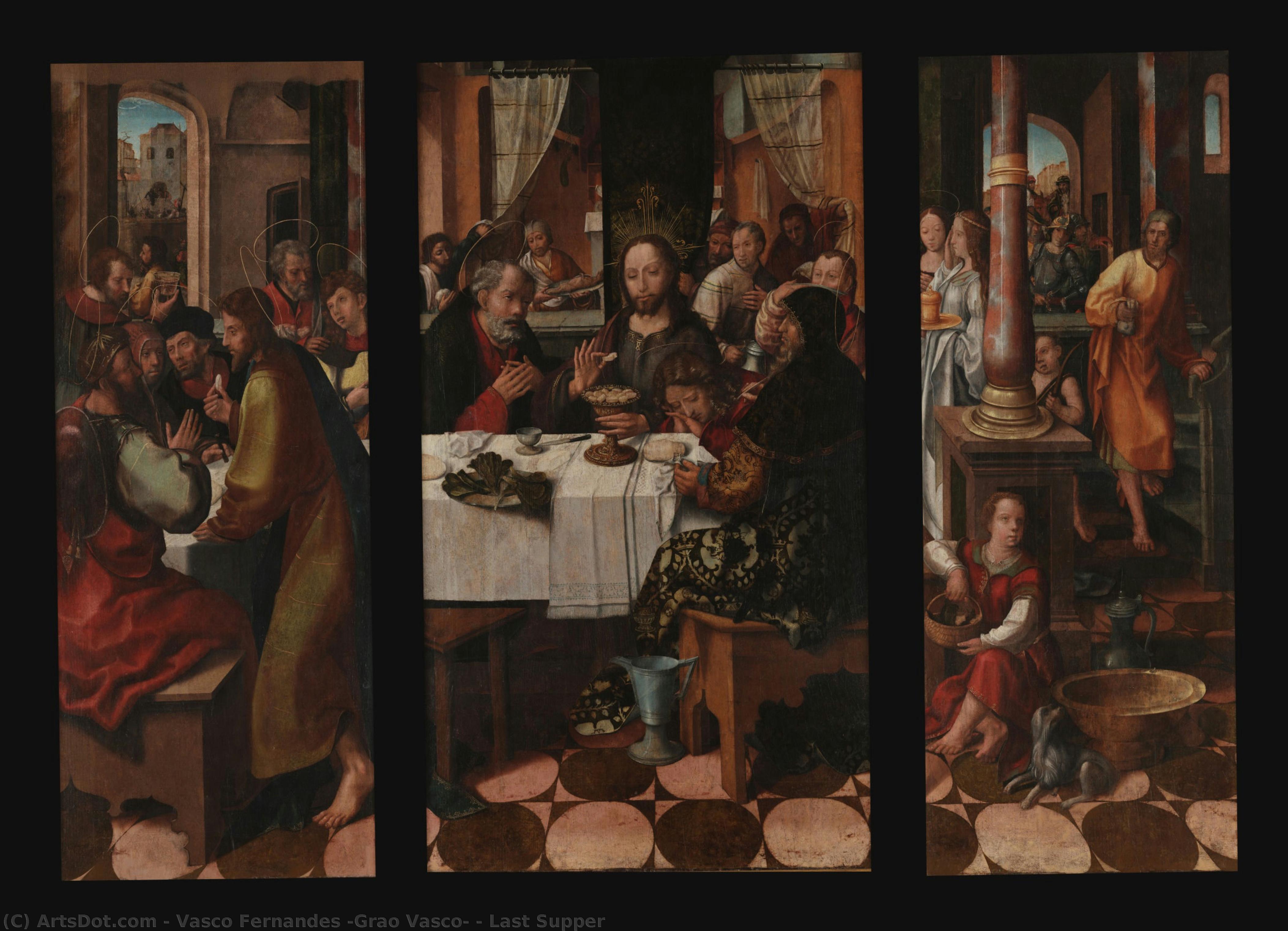
Last Supper
 Oil On Canvas
- WallArt
- High Renaissance
 1540
1540 167.0 x 233.0 cm
 Grão Vasco National Museum
 詳細を見る
詳細を見る
ジークレー/アートプリント
迅速な制作と多彩な仕上げオプションを備えた、ミュージアムクオリティのジークレーまたはキャンバスプリント。 ( 手描きの絵画を購入 画像を購入)




P118B $10

P118H $10

P118W $10

P438Z $10

P508JH $12

P508YH $12

P805H $10

P805Z $10

P919BZ $10

P919G $10

P919XJ $10

P959ZH $10

P968JZ $12

W106C $8

W218G $10

W218JH $8

W218Y $10

W307PJ $10

W316G $10

W316PJ $8

W316Y $10

W398PJ $8

W4111J $10

W500HY $15

W500JH $15

W692G $12

W849H $8

W940BG $15

W953PJ $8




作品のオリジナル比率に合わせた、当店の規定サイズからお選びください。

特定のフレームやスペースに合わせて、ご自身でサイズを指定することも可能です。選択されたサイズが元の画像の比率と一致しない場合、作品をトリミングするか、鏡面反射または単色での塗りつぶしによって画像を拡張いたします。制作を開始する前に、ご確認用のデジタルモックアップをお送りいたします。
画面上のプレビューには、実際のトリミングや拡張は反映されませんのでご注意ください。最終的な構図を正確に確認できるのは、モックアップのみとなります。
カスタムサイズも承っておりますが、元の比率を維持するためには、あらかじめ用意されたリストからサイズを選択することをお勧めいたします。


 ガラスオプションは、110cm未満のサイズでのみご利用いただけます。

Last Supper
ジークレー/アートプリント
複製画のサイズ
-


合計金額
$ 62
作品詳細説明
A Moment Frozen in Time: The Legacy of Grão Vasco’s *Last Supper*
Leonardo da Vinci's *The Last Supper*, housed within the refectory of Santa Maria delle Grazie in Milan, isn’t merely a painting; it’s an experience. Completed between 1495 and 1498, this monumental fresco captures a single, pivotal moment – the announcement by Jesus of his impending betrayal – with an intensity that continues to resonate centuries later. Commissioned as part of a larger renovation project for the convent, the work immediately established Leonardo’s reputation as a revolutionary artist, pushing the boundaries of perspective, emotion, and narrative in Renaissance art. It's a testament to human drama, rendered with a profound understanding of psychology and an unparalleled mastery of technique.
The painting’s genesis is inextricably linked to the ambitious vision of Ludovico Sforza, Duke of Milan, who sought to transform the convent into a family mausoleum. This project necessitated significant alterations to the building's layout, prompting Leonardo to adapt his approach – opting for tempera on gesso rather than traditional fresco painting due to the complex design changes. This decision, while innovative, ultimately contributed to the artwork’s rapid deterioration, a poignant reminder of the fragility of artistic creation and the challenges inherent in employing unconventional methods.
The Anatomy of Emotion: Technique and Composition
Leonardo's genius lies not just in his subject matter but also in his execution. He employed a revolutionary technique, layering tempera pigments on a carefully prepared gesso surface – a method that allowed for greater flexibility and the ability to make adjustments as he worked. However, this approach proved inherently unstable, leading to the painting’s gradual decay over time. The composition itself is a marvel of spatial reasoning. Leonardo masterfully utilizes linear perspective, drawing the viewer's eye towards Jesus at the center of the scene, while simultaneously creating a sense of depth and dynamism through the arrangement of the apostles.
- Dynamic Grouping: Leonardo deliberately avoids symmetrical arrangements, instead grouping the apostles in clusters that reflect their individual reactions to Christ’s announcement.
- Expressive Faces: Each apostle is rendered with remarkable psychological detail, capturing a range of emotions – shock, disbelief, anger, fear, and betrayal – with subtle shifts in expression and gesture. Judas Iscariot, identifiable by his dark clothing and averted gaze, stands apart from the group, radiating an aura of treachery.
- Chiaroscuro: The masterful use of light and shadow (chiaroscuro) dramatically enhances the sense of drama and realism, highlighting key figures and creating a powerful emotional impact.
Symbolism and Spiritual Depth
Beyond its technical brilliance, *The Last Supper* is rich in symbolic meaning. The meal itself represents the Eucharist – the central sacrament of Christianity – and symbolizes Christ’s sacrifice for humanity. Each apostle embodies a different aspect of human nature, reflecting the complexities of faith and betrayal. The inclusion of everyday objects—a loaf of bread, a jug of water—adds a layer of realism and invites viewers to contemplate the ordinary moments that underpin extraordinary events.
The painting’s enduring power lies in its ability to evoke profound questions about human nature, morality, and faith – themes that continue to resonate with audiences today.A Timeless Masterpiece: Reproduction and Legacy
Reproductions of *The Last Supper* offer a remarkable opportunity to experience Leonardo’s genius firsthand. High-quality reproductions capture the painting's vibrant colors, intricate details, and emotional intensity, allowing viewers to appreciate its artistic merit from afar. Whether adorning a grand salon or a smaller study, this iconic image serves as a constant reminder of the power of art to inspire, provoke thought, and transcend time.
関連作品


関連記事
家族の遺産を壁画で彩る:伝統技法が紡ぐ、時を超越する美と記憶
古代から現代までの壁画の歴史と技法を解説。日本の壁画文化やカスタムオーダーによる家族の遺産表現、保存・修復技術まで網羅。専門家が時を超越する美と記憶を紡ぐ芸術的価値をご案内します。

フェルナン・レジェ傑作25選:機械美と色彩の革新 | ArtsDot
フェルナン・レジェの傑作25選。機械美と色彩が織りなすキュビズムの世界を紐解きます。ArtsDotで、フランス絵画の巨匠レジェの作品を高精細プリントで。インテリアアートやギフトにも最適です。全コレクションはこちら: ArtsDot.com

The Enduring Legacy of Fresco Painting: Techniques, History & Contemporary Relevance
Explore the rich history & enduring artistry of fresco painting – from Giotto to Michelangelo! Discover techniques, conservation efforts, & modern applications. Learn how ArtsDot brings this timeless art form to your home.

The Enduring Legacy of Fresco: Technique, History & Artistic Expression Across Cultures
Explore the rich history & enduring legacy of fresco painting! Discover ancient techniques, Giotto's masterpieces, and modern applications. Expert insights for art lovers & professionals.
Fresco's Finest: 10 Masterpieces That Define Art History | ArtsDot
Journey through art history with our Top 10 Fresco Masterpieces! Explore Michelangelo, Raphael & Giotto's iconic works. Find museum-quality reproductions and elevate your home decor at ArtsDot.com.

