

 プレビュー
プレビュー
 シェアする
シェアする シェアする
シェアする
 詳細を見る
詳細を見る

 ダウンロード
 似ている作品
 X線調査
X線調査 スライドショー
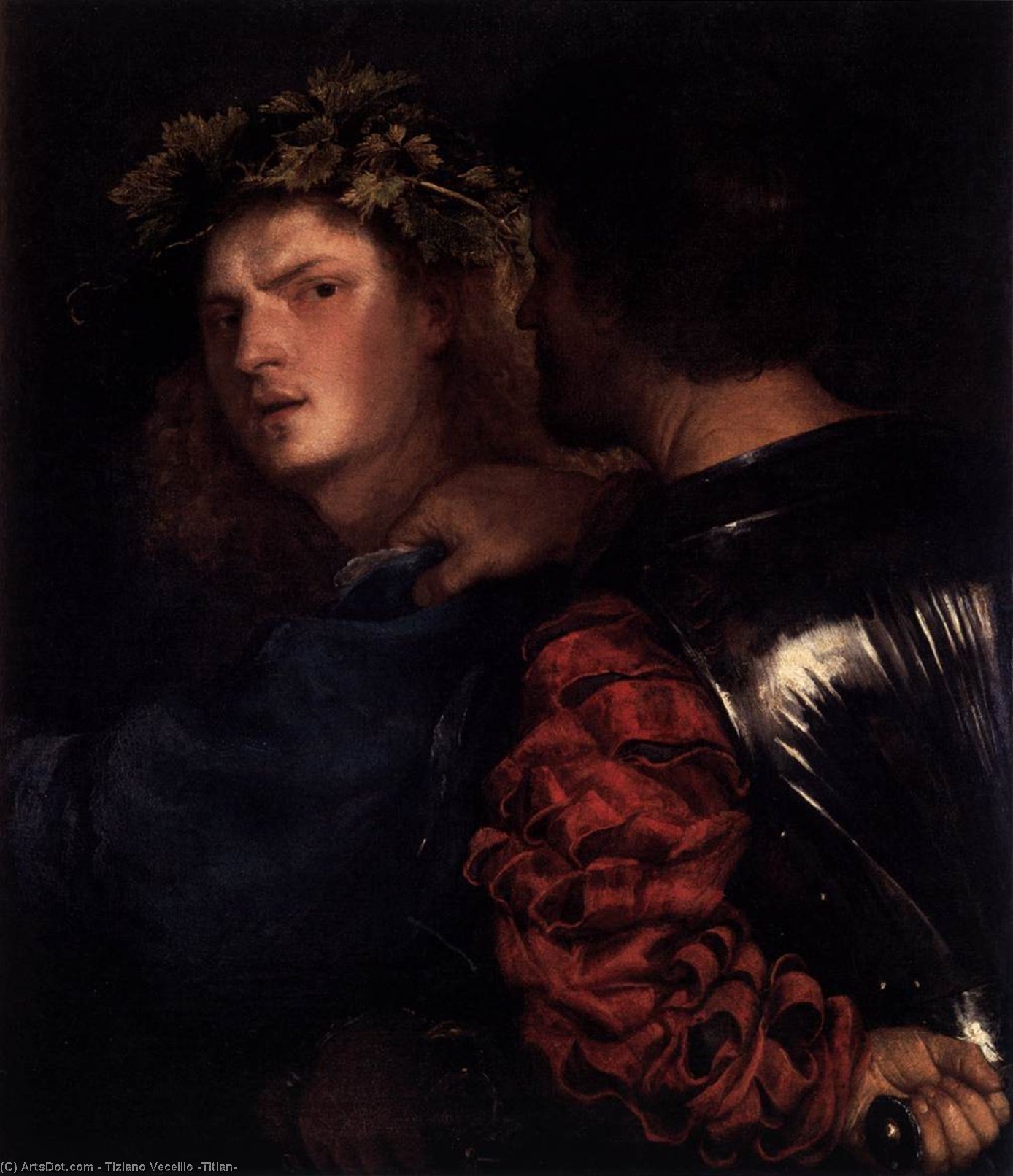
The Bravo
 Oil On Canvas
- WallArt
- Renaissance Venetian Style
 1516
1516 75.0 x 67.0 cm
 Kunsthistorisches Museum
 詳細を見る
詳細を見る
ジークレー/アートプリント
迅速な制作と多彩な仕上げオプションを備えた、ミュージアムクオリティのジークレーまたはキャンバスプリント。 ( 手描き画への切り替え 画像に切り替え)




P118B $10

P118H $10

P118W $10

P438Z $10

P508JH $12

P508YH $12

P805H $10

P805Z $10

P919BZ $10

P919G $10

P919XJ $10

P959ZH $10

P968JZ $12

W106C $8

W218G $10

W218JH $8

W218Y $10

W307PJ $10

W316G $10

W316PJ $8

W316Y $10

W398PJ $8

W4111J $10

W500HY $15

W500JH $15

W692G $12

W849H $8

W940BG $15

W953PJ $8




作品のオリジナル比率に合わせた、当店の規定サイズからお選びください。

特定のフレームやスペースに合わせて、ご自身でサイズを指定することも可能です。選択されたサイズが元の画像の比率と一致しない場合、作品をトリミングするか、鏡面反射または単色での塗りつぶしによって画像を拡張いたします。制作を開始する前に、ご確認用のデジタルモックアップをお送りいたします。
画面上のプレビューには、実際のトリミングや拡張は反映されませんのでご注意ください。最終的な構図を正確に確認できるのは、モックアップのみとなります。
カスタムサイズも承っておりますが、元の比率を維持するためには、あらかじめ用意されたリストからサイズを選択することをお勧めいたします。


 ガラスオプションは、110cm未満のサイズでのみご利用いただけます。

The Bravo
ジークレー/アートプリント
複製画のサイズ
-


合計金額
$ 63
作品詳細説明
The Enigmatic Majesty of *The Bravo*: A Venetian Masterpiece
Tiziano Vecellio’s *The Bravo*, painted around 1516-17 and now residing within the hallowed halls of the Kunsthistorisches Museum in Vienna, is more than simply a portrait; it's an invitation into a world of veiled power, subtle gestures, and the captivating ambiguity that defined much of Venetian Renaissance art. The painting immediately draws the eye with its rich tapestry of color – deep reds and blues dominate, creating a sense of opulent drama while simultaneously hinting at hidden depths. It’s a work that whispers rather than shouts, demanding careful observation and rewarding it with layers of interpretation.
At first glance, two men stand poised in armor, their figures rendered with Titian's signature mastery of light and shadow. Each wears a crown, immediately suggesting authority, but the downward gaze of one figure introduces an unsettling tension. This isn’t a straightforward depiction of military prowess or regal splendor; instead, it feels like a carefully constructed tableau designed to provoke thought. The positioning of their bodies – close together yet distinct – suggests a complex relationship, perhaps one of rivalry, alliance, or even veiled hostility. The subtle differences in their attire—one more elaborately adorned than the other—further contribute to this sense of layered meaning.
A Window into Venetian Artistic Innovation
Titian’s style in *The Bravo* is a quintessential example of his development during the High Renaissance, building upon the foundations laid by his predecessors while forging his own distinctive path. He was a pioneer in oil painting techniques, particularly in achieving luminous color and atmospheric effects. Notice how he uses glazing – applying thin layers of translucent paint over dried underlayers – to build up depth and create an almost velvety texture. This technique is crucial to understanding the vibrancy and richness of the colors, allowing them to shimmer and glow with an inner light.
The painting’s composition reflects a broader trend in Venetian art during the 1510s: a shift towards more intimate portraits featuring two or three figures engaged in close interaction. These works often eschewed grand historical narratives in favor of capturing fleeting moments of human emotion and social dynamics. *The Bravo* exemplifies this shift, prioritizing psychological insight over literal representation. It’s a departure from the idealized depictions prevalent in earlier Northern European portraiture, embracing a more nuanced and subtly expressive approach.
Symbolism and Historical Context
While the precise meaning of *The Bravo* remains open to interpretation, art historians have proposed various readings. The crowns undoubtedly signify power and status, but their placement – one looking forward, the other downward – introduces an element of uncertainty. Some scholars suggest a connection to the political intrigues of Venice at the time, a city renowned for its complex web of alliances and rivalries among powerful families. Others interpret the figures as representing opposing factions within a military organization, locked in a silent struggle for dominance.
The painting’s creation coincided with a period of significant artistic innovation in Venice. Titian was deeply influenced by Giorgione and Palma Vecchio, but he quickly established his own unique style—one characterized by its bold colors, dynamic compositions, and masterful handling of light. *The Bravo* stands as a testament to this evolution, showcasing Titian’s growing confidence and willingness to experiment with new techniques and approaches.
A Timeless Appeal: Reproduction Possibilities
ArtsDot offers meticulously crafted hand-painted reproductions of *The Bravo*, allowing art lovers to experience the painting's captivating beauty in their own homes. Our skilled artisans replicate Titian’s masterful brushwork, color palette, and atmospheric effects with exceptional accuracy. Whether you are a seasoned collector or simply seeking to add a touch of Renaissance elegance to your interior design, our reproductions provide an authentic representation of this iconic masterpiece. Each reproduction is created on archival-quality canvas using traditional oil painting techniques, ensuring its longevity and preserving the artwork’s vibrant colors for generations to come. Explore the options available and bring the enigmatic majesty of *The Bravo* into your world.
関連作品


アーティストの略歴
ティツィアーノ:色彩と光のヴェネツィア巨匠
ティツィアーノ・ヴェチェッリオ(Tiziano Vecellio)、通称ティツィアーノは、イタリア・ルネサンス美術における最も重要な画家の一人であり、特に色彩表現においては他に類を見ない才能を発揮しました。彼は1490年頃にヴェネト地方のピエヴェ・ディ・カドーレで生まれ、その生涯をヴェネツィアで過ごし、ヨーロッパ全土に影響を与えました。彼の作品は、肖像画、神話画、宗教画など多岐にわたり、それぞれの分野において革新的な表現を見出しました。
幼少期、ティツィアーノはモザイク職人であるセバスティアーノ・ズッカトの工房で芸術を学び始めました。その後、ジェンティーレ・ベッリーニや彼の兄ジョヴァンニ・ベッリーニといった著名な画家たちのもとで研鑽を積みますが、特にジョルジョーネとの出会いは彼にとって決定的なものでした。二人は共同で作品に取り組み、その影響はティツィアーノの初期作品に色濃く残っています。しかし、ジョルジョーネの早逝後、ティツィアーノは独自の道を歩み始め、色彩と構図において新たな境地を開拓していきます。
革新的な色彩表現と様式発展
ティツィアーノの芸術的進化は、驚くべき多様性と実験精神によって特徴づけられます。初期の作品にはジョルジョーネの影響が強く見られ、繊細な抒情性と大気描写を巧みに操っています。『袖飾りをした男』のような肖像画では、被写体の外見だけでなく、内面的な性格までも捉えようとする試みが窺えます。成熟期に入ると、ティツィアーノはより大胆で劇的な色彩表現へと移行し、『受胎告知』に見られるように、複雑な構図と鮮やかな色彩を自在に操るようになりました。
彼は絵具の重ね塗りという技法を駆使し、光と影の効果を最大限に引き出し、作品に深みと立体感を与えました。また、肖像画においては、被写体の心理状態や個性を見事に表現することで、単なる似顔絵を超えた芸術作品へと昇華させています。『ウルビーノのヴィーナス』は、その代表的な例であり、女性の裸体描写における新たな基準を打ち立てました。ティツィアーノの色彩感覚と構図構成能力は、当時の画家たちに大きな影響を与え、ヴェネツィア派絵画の特徴を決定づける要因となりました。
パトロンとの関係と芸術的遺産
ティツィアーノの才能は瞬く間に評判となり、ヨーロッパ各地の有力な貴族や王侯から厚い信頼を得ました。神聖ローマ皇帝カール5世、スペイン国王フィリップ2世、教皇パウロ3世など、多くの権力者たちが彼の作品を求めたのです。これらのパトロンからの支援は、彼に莫大な富をもたらすだけでなく、大規模な作品制作の機会を与え、その芸術的才能をさらに開花させました。
ティツィアーノの作品は、ルネサンスからバロックへと移行する時期における重要な転換点となり、後の世代の画家たちに多大な影響を与えました。彼の影響を受けた画家としては、ピーテル・パウル・ルーベンスやレンブラントなどが挙げられます。彼の革新的な色彩表現と自由な筆致は、絵画の世界に新たな可能性をもたらし、西洋美術史における重要な遺産として今もなお高く評価されています。
ティツィアーノ作品を辿る旅
美術館とコレクション: パドヴァのスクオーラ・デル・サントやヴェネツィアのサン・サルヴァドーレなど、ティツィアーノの傑作は世界中の美術館で鑑賞することができます。
関連する芸術家: ジョルジョーネの影響と、ルーベンスやドラクロワといった後世の画家たちへの影響を辿ることで、ティツィアーノの芸術的意義をより深く理解することができます。
歴史的背景: イタリア・ルネサンス美術とヴェネツィア派絵画の世界に浸り込むことで、ティツィアーノの芸術的業績をより深く理解することができます。

ティツィアーノ
1490 - 1576 , イタリア
基本情報
- フルネーム: ティツィアーノ・ヴェチェッリオ
- 主な作品:
- 男とキルト袖
- 受難の聖母
- 髭の若い男性
- 出生地: ピエヴェ・ディ・カドーレ (イタリア)
- 国籍: イタリア
- 影響を与えたアーティスト:
- ルーベンス
- ドラクロワ
- 影響を受けたアーティスト:
- ジョルジョーネ
- ジョバンニ・ベッリーニ
- 死亡年月日: 1576年8月27日
- 生年月日: 1488/90年頃
- 芸術運動またはスタイル: ルネサンス、ヴェネツィア派
関連記事

Titian: Innovation, Technique & the Venetian Renaissance Portrait Tradition
Explore the revolutionary techniques & enduring legacy of Titian, the master of Venetian Renaissance portraiture. Discover insights for collectors & appreciate his impact on art history.

The Golden Light of Innovation: Exploring the Venetian Renaissance Art Movement (1430–1580)
Explore the Golden Age of Venetian art (1430–1580). Discover Giorgione, Titian & Tintoretto's techniques, the 'colorito' revolution, and lasting influence. Expert insights for collectors & enthusiasts.

The Enduring Legacy of Oil on Canvas: Technique, History & Aesthetic Impact
Explore the rich history & techniques of oil painting – from Renaissance masters to Impressionism. Discover pigments, layering methods, and why this timeless medium endures. Expert insights for artists & art enthusiasts.

Oil on Canvas: A Historical & Technical Exploration of a Timeless Artistic Medium
Explore the rich history & enduring techniques of oil painting on canvas. Discover the science behind its longevity, conservation practices, and contemporary relevance. Expert insights for art enthusiasts.

The Enduring Power of Painting: A Historical & Contemporary Exploration of Form and Emotion
Explore the rich history & enduring techniques of oil painting with ArtsDot. Discover masterpieces, learn about art collecting, and find authentic handmade reproductions crafted by skilled artists.



