

 設置イメージを表示
 シェアする
シェアする シェアする
シェアする
 詳細を見る
詳細を見る ガイドを表示

 ダウンロード
 似ている作品
 X線調査
X線調査 スライドショーを表示
 Q&A
Q&A 統計情報
統計情報La Bella

- 89.0 x 76.0 cm


 詳細を表示
詳細を表示
ジークレー/アートプリント
スピーディーな制作と多彩な仕上げオプションが魅力の、ミュージアムクオリティなジークレー・キャンバスプリント。 ( 手描き複製画を注文する デジタル画像販売へ切り替え)




P118B ¥10

P118H ¥10

P118W ¥10

P438Z ¥10

P508JH ¥12

P508YH ¥12

P805H ¥10

P805Z ¥10

P919BZ ¥10

P919G ¥10

P919XJ ¥10

P959ZH ¥10

P968JZ ¥12

W106C ¥8

W218G ¥10

W218JH ¥8

W218Y ¥10

W307PJ ¥10

W316G ¥10

W316PJ ¥8

W316Y ¥10

W398PJ ¥8

W4111J ¥10

W500HY ¥15

W500JH ¥15

W692G ¥12

W849H ¥8

W940BG ¥15

W953PJ ¥8




作品のオリジナル比率に合わせた、当店の規定サイズからお選びください。

額縁や壁のスペースに合わせて、ご希望の幅と高さを入力してください。プリントはカットすることは可能ですが、元の画像より大きくすることはできないため、異なる比率のサイズを選択された場合は、画像の一部が欠けることになります。印刷を開始する前に、内容を確認していただくためのデジタルモックアップをお送りいたします。このページに表示されている画像は、実際のカット後の状態を示すものではありません。実際の仕上がりはモックアップにてご確認ください。


 ガラスオプションは、110cm未満のサイズでのみご利用いただけます。

La Bella
ジークレー/アートプリント
複製画サイズ一覧
-


合計金額
¥ 9988
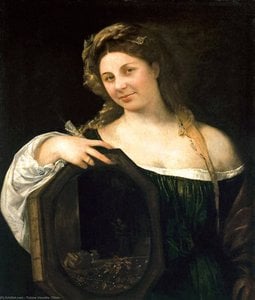
A Renaissance Reverie: Tiziano Vecellio's "La Bella"
- Titian’s “La Bella,” painted in 1536, is more than just a portrait; it’s an immersion into the heart of the Venetian Renaissance. Created by the titan himself, Titian Vecellio, this artwork embodies the era's fascination with beauty, luxury, and the human form – qualities that continue to resonate powerfully today. The painting’s immediate impact lies in its masterful use of color, a hallmark of Titian’s genius. The vibrant blue of her dress, juxtaposed against the rich red of her sleeves, creates a visual dynamism that draws the eye and establishes a sense of opulent grace. This wasn't merely about depicting a woman; it was about capturing an ideal – a fleeting moment of exquisite beauty frozen in time.
- The subject’s identity remains delightfully enigmatic. While believed to be an idealized representation rather than a specific portrait, the woman’s gaze—direct and engaging—invites the viewer into her world. Her carefully arranged hair, pulled back in a classic bun, adds to the sense of composure and refinement. The subtle suggestion of a smile or frown further enhances the painting's allure, prompting contemplation about the emotions beneath the surface.
Technique and Materiality: A Masterclass in Oil Painting
- Titian’s skill as an oil painter is immediately apparent. He employed a ‘cursive brushstroke,’ a technique favored during this period, which lends the painting a fluidity and movement that belies its static subject matter. Notice how he layered the colors – building up glazes to achieve luminous effects, particularly in the fabrics and jewels. The use of gold leaf, subtly incorporated into the background and ornamentation, adds an extra layer of richness and reflects Titian’s understanding of light and shadow.
- The composition itself is carefully considered. The placement of the woman within the scene, flanked by indistinct figures, creates a sense of depth and draws attention to her as the central focus. The background, though less detailed, serves not as an afterthought but as an integral part of the overall narrative – suggesting a courtly setting, perhaps a celebration or a private gathering.
Historical Context: Venice at the Height of its Power
- "La Bella" was created during a pivotal moment in Venetian history. The city was experiencing a golden age—a flourishing center for trade, art, and culture. Titian, as one of the leading artists of the time, benefited immensely from this environment, receiving commissions from wealthy patrons – including the Doge of Venice himself – and contributing significantly to the city’s artistic legacy. The painting reflects the Renaissance emphasis on humanism and classical ideals, while simultaneously embracing Venetian traditions of color and sensuality.
- Titian's experimentation with looser brushwork and a greater focus on capturing the essence of his subjects marked a departure from earlier, more rigidly realistic styles. This shift was part of a broader artistic movement that sought to express emotion and personality through art – a characteristic that defines much of Titian’s oeuvre.
Symbolism and Legacy: An Enduring Icon
- Beyond its technical brilliance, “La Bella” is rich in symbolism. The pearls and jewels adorning the woman's attire represent wealth, status, and beauty – qualities highly valued during the Renaissance. Her pose, with a direct gaze, suggests confidence and self-possession. The painting’s enduring appeal lies not only in its aesthetic beauty but also in its ability to evoke a sense of timeless elegance and mystery.
- Titian's influence on subsequent generations of artists is undeniable. His mastery of color and composition served as an inspiration for painters throughout Europe, and “La Bella” remains a prime example of his skill. A hand-painted reproduction offers the opportunity to experience this masterpiece firsthand, bringing a touch of Renaissance grandeur into any setting.
Q&A
「La Bella」にはどのような技法が用いられ、いつ制作されたものですか?
「La Bella」は、1536年にOil On Canvas技法を用いて制作されました。技法と制作年は、原画がどのような手法で、いつ描かれたかを示すものです。
制作時期から見て、"La Bella"はティツィアーノのキャリアにおけるどの時期にあたりますか?
1536年に制作された「La Bella」は、ティツィアーノの画業におけるMature Venetianに属する作品です。
ティツィアーノ作「La Bella」の活用方法や、おすすめの設置スペースについて教えてください。
ティツィアーノ作「La Bella」 のおすすめの用途は (Statement)、飾る場所は (Living Room) です。
関連作品




作家プロフィール
光と影の画家
険しく険しい山々に囲まれたピエヴェ・ディ・カドーレにて、後に油彩画という表現言語そのものを塗り替えることになる一人の少年、ティツィアーノ・ヴェチェッリオの生涯が始まりました。1490年頃に生まれた彼は、軍人であったグレゴリオ・ヴェチェッリオとルチアという女性の間に育ちました。その家族が暮らした地域では、ヴェネト・アルプスの劇的な峰々が大地に長く移ろいゆく影を落としており、その風景は幼い彼の精神に、光の持つ秘密をささやきかけていたのかもしれません。息子たちの内に秘めた才能を見抜いた家族は、舞台を偉大なる都市ヴェネツィアへと移し、幼いティツィアーノと兄フランチェスコを巨匠たちの工房へと送り込みました。静かな山岳地帯から、潮の香りが漂う活気あふれるヴェネツィアの運河へと移り住んだことが、彼の運命を決定づけたのです。
若き日の彼は、交易と色彩が脈動する都市の空気感を吸収することに明け暮れました。まずモザイク職人であるセバスティアーノ・ズッカトのもとで技術を学び、その後、ジェンティーレ・ベッリーニや実の兄であるジョヴァンニといった巨匠たちの円環へと加わっていきます。しかし、彼の歩むべき道を真に決定づけたのは、ジョルジョーネと共に過ごした時間でした。二人はドイツ商人たちの賑やかな交易拠点であったフォンダコ・デイ・テデスキの外壁フレスコ画に共同で取り組みました。初期の作品において、彼の筆致はある種の抒情性を追い求めていました。それは、繊細な色調と穏やかで詩的なタッチを通じて、空気そのものを描き出そうとする試みでもあったのです。
ヴェネツィア様式の進化
歳月が流れるにつれ、若き日の柔らかく空想的な質感は、より力強く、劇的なものへと変貌を遂げていきます。彼は初期の静謐な修行時代を脱し、より大胆な色彩へのアプローチへと踏み出しました。彼の筆致は計り知れない力を持つ道具となり、滑らかに混ざり合う表面から、まるで生命が脈動しているかのような、奔放で表現豊かな跡へと変化していきました。彼は下塗りした絵具の上に薄い色彩の層を重ねていく技法を習得し、他の追随を許さない輝きを作品に宿すことに成功しました。それは単に主題を描写することではなく、ベルベットの重み、肌の艶、そして人物を取り巻く空気そのものを捉えることだったのです。
彼の描く主題は、ヴェネツィアの街を歩く人々と同じく、実に多岐にわたりました。彼は肖像画の大家となり、人物の身体的な似姿だけでなく、その内面に潜む性格や心理的な深みまでも描き出しました。神話の場面や宗教的な構図には、見る者を惹きつけてやまない官能性と緊張感が吹き込まれました。ウルビーノのヴィーナスのような傑作において、彼は色彩を用いることで、触れられそうなほどの存在感を生み出し、人体描写のあり方を再定義しました。彼は、光とは単に物体の上に降り注ぐものではなく、物体と相互作用し、影と輝きのドラマを作り出すものであることを深く理解していたのです。
壮大なる生涯と芸術的遺産
ティツィアーノ・ヴェチェッリオの名声は、やがてヨーロッパの最高位の宮廷にまで届くこととなりました。彼は権力者たちの寵愛を受け、神聖ローマ皇帝カール5世やスペイン国王フィリップ2世、そして教皇パウロ3世の宮廷画家として仕えました。こうした高位のパトロンの支援により、彼は壮大なスケールでの制作を可能にし、宮殿の広間や大聖堂の祭壇を飾る巨大なキャンバスを生み出しました。彼は稀有な外交的才覚を備えており、自らの独特な芸術的個性を失うことなく、異なる王廷の好みに合わせてその様式を適応させていったのです。
1576年にヴェネツィアでその生涯を閉じるとき、彼は数世紀にわたって波及し続ける遺産を後に残しました。彼の影は、ルーベンスの重厚な筆致から、レンブラントの劇的な光、そしてドラクロワの力強い筆跡に至るまで、後世の芸術家たちの中に深く刻み込まれました。彼は盛期ルネサンスと、後に訪れるバロック時代の架け橋となり、色彩は線と同じくらい雄弁に表現できることを証明しました。彼の絵画は、マドリードのプラド美術館からロンドンのナショナル・ギャラリーに至るまで、世界の主要なコレクションの中に、「見る」という芸術を極めた男の永遠の記録として今もなお輝き続けています。

ティツィアーノ
1490 - 1576 , イタリア
プロフィール概要
- Artistic Movement Or Style: ヴェネツィア・ルネサンス
- Artists Or Movements Influenced By This Artist:
- ピーテル・パウル・ルーベンス
- レンブラント
- ウジェーヌ・ドラクロワ
- エドゥアール・マネ
- Artists Who Influenced This Artist:
- セバスティアーノ・ズッカト
- ジェンティーレ・ベッリーニ
- ジョヴァンニ・ベッリーニ
- ジョルジョーネ
- Date Of Birth: 1490年
- Date Of Death: 1576年
- Full Name: ティツィアーノ・ヴェチェッリオ
- Nationality: イタリア人
- Notable Artworks:
- 袖飾りのある男
- 聖母マリアとエリサベトの訪問
- ウルビーノのヴィーナス
- ディアナとアクテオン
- 田園音楽
- Place Of Birth: イタリア、ピエヴェ・ディ・カドーレ
関連記事

The Enduring Legacy of Fine Art Prints: Technique, History & Aesthetic Impact
Explore the rich history & techniques of fine art prints. Discover investment potential, assess authenticity, and learn how to preserve your collection with expert guidance. Trusted insights for discerning collectors.
The Allure of Azure: Exploring the Symbolic & Aesthetic Depths of Blue in Art History
Explore the rich history of blue in art! Discover its symbolism, from ancient pigments to modern masterpieces by Kandinsky & Seurat. Uncover the psychological impact and cultural meanings behind this captivating hue.

ヴェネツィア・ビエンナーレ厳選25作品:芸術と歴史が織りなす至高のコレクション | ArtsDot
ヴェネツィア・ビエンナーレの至宝25選。印象派から現代アートまで、名画の背景にある物語と芸術家の情熱を紐解きます。ArtsDotで、キャンバスアートや油絵複製をお楽しみください。今すぐコレクションをご覧ください。

Slate Blue Masterpieces: 10 Iconic Paintings & Timeless Home Decor Ideas
Immerse yourself in the captivating world of slate blue! Explore 10 iconic paintings by Monet, Van Gogh & Renoir. Discover their stories, techniques & find museum-quality art reproductions for your home at .

Giclée Prints: Archival Quality & Aesthetic Nuances for the Discerning Collector
Explore the world of giclée prints with ArtsDot. Learn about archival quality, aesthetic nuances & investment potential. Expert guidance for discerning art collectors seeking museum-quality reproductions and lasting value.


