


 設置イメージを確認
 送る
送る シェア
シェア
 詳細情報
詳細情報 ガイドを表示

 画像をダウンロード
 似ている作品
 X線調査
X線調査 スライドショー
 統計情報
統計情報The Mountain Ford


 続きを読む
続きを読む
ジークレー/アートプリント
スピーディーな制作と多彩な仕上げオプションが魅力の、ミュージアムクオリティなジークレー・キャンバスプリント。 ( 手描きの複製画を注文する デジタル画像販売へ切り替え)




P118B ¥10

P118H ¥10

P118W ¥10

P438Z ¥10

P508JH ¥12

P508YH ¥12

P805H ¥10

P805Z ¥10

P919BZ ¥10

P919G ¥10

P919XJ ¥10

P959ZH ¥10

P968JZ ¥12

W106C ¥8

W218G ¥10

W218JH ¥8

W218Y ¥10

W307PJ ¥10

W316G ¥10

W316PJ ¥8

W316Y ¥10

W398PJ ¥8

W4111J ¥10

W500HY ¥15

W500JH ¥15

W692G ¥12

W849H ¥8

W940BG ¥15

W953PJ ¥8




作品のオリジナル比率に合わせた、当店の規定サイズからお選びください。

額縁や壁のスペースに合わせて、ご希望の幅と高さを入力してください。プリントはカットすることは可能ですが、元の画像より大きくすることはできないため、異なる比率のサイズを選択された場合は、画像の一部が欠けることになります。印刷を開始する前に、内容を確認していただくためのデジタルモックアップをお送りいたします。このページに表示されている画像は、実際のカット後の状態を示すものではありません。実際の仕上がりはモックアップにてご確認ください。


 ガラスオプションは、110cm未満のサイズでのみご利用いただけます。

The Mountain Ford
ジークレー/アートプリント
複製画サイズ一覧
-


合計金額
¥ 9804
The Majesty of the American Wilderness in Thomas Cole's Masterpiece
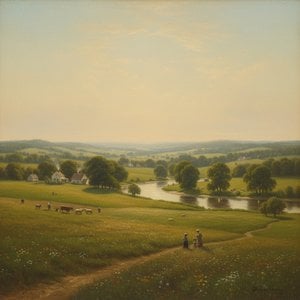
To gaze upon The Mountain Ford is to be transported across time and space, standing at the threshold of an idealized American landscape. Painted by the visionary Thomas Cole in 1846, this work stands as a towering testament to the Hudson River School—a movement that sought not merely to record scenery, but to imbue it with profound spiritual meaning. The scene unfolds with breathtaking grandeur: a majestic mountain range anchors the background, its scale suggesting the immense, untamed power of nature itself. Before this colossal backdrop, life moves gently; a man on horseback guides his journey through meadows dotted with grazing sheep, while meandering streams whisper tales of perpetual flow and renewal.
A Symphony of Light and Composition
Cole’s technical mastery is immediately apparent upon viewing the canvas. He employed a palette rich in warm earth tones and soft, luminous hues that seem to emanate from within the scene itself. The handling of light is nothing short of miraculous; it filters through the surrounding trees and illuminates the foreground with an almost divine glow. This careful orchestration of light draws the eye deep into the composition, guiding the viewer's gaze along the path suggested by the horseman and the water. The soft brushstrokes are not merely decorative; they build a palpable atmosphere of profound tranquility, inviting contemplation.
Symbolism Rooted in American Identity
Beyond its sheer beauty, The Mountain Ford resonates with deep symbolic weight. For Cole, and for many of his contemporaries, the American wilderness was more than just scenery; it was a spiritual crucible. The mountain represents permanence and challenge, while the gentle presence of the sheep speaks to innocence and pastoral harmony. The journey undertaken by the man and horse suggests humanity's harmonious, yet respectful, interaction with this overwhelming natural power. It captures that quintessential moment where civilization meets sublime nature—a narrative central to the burgeoning American identity of the mid-nineteenth century.
Bringing the Serenity Home
For the discerning collector or those seeking to infuse a space with timeless elegance, a reproduction of The Mountain Ford offers an unparalleled opportunity. It is more than just wall art; it is a portal to contemplation. Imagine this scene gracing your drawing-room or study—the sense of quiet majesty and enduring peace permeating the artwork will transform any interior. Owning this piece allows one to connect directly with the artistic fervor of Thomas Cole, experiencing firsthand the sublime vision that defined an era of American art.
よくあるご質問
トーマス・コール作「The Mountain Ford」はどのような種類の作品ですか?
カタログ内では、トーマス・コール作「The Mountain Ford」はWallArtとして分類されています。このカテゴリーを活用することで、類似の作品を探すことができます。
「The Mountain Ford」はどの時代に制作されたものですか?
「The Mountain Ford」は、19th Century時代に制作されたものです。
「The Mountain Ford」の作者と制作年はいつですか?
「The Mountain Ford」の作者はトーマス・コールで、制作年は1846年です。
関連作品


アーティストについて
アメリカ風景画の先駆者
トーマス・コールという名は、独自の発展を遂げたアメリカ美術の誕生と分かちがたく結びついており、19世紀の絵画史における極めて重要な人物として君臨しています。1801年、イングランドのランカシャー州ボルトン・ル・ムーアズに生まれた彼の幼少期には、後に彼が芸術界にもたらすであろう深遠な影響を予感させる要素はほとんどありませんでした。1818年に家族と共にアメリカへ渡り、オハイオ州に定住したコールの旅は、自己発見と芸術的な覚醒のプロセスでもありました。当初は、当時の一般的な職業であった放浪の肖像画家として活動していましたが、やがتے彼はアメリカの荒野が持つ、手つかずの美しさに強く惹きつけられていきます。この変化は単なる画題の変更に留まりませんでした。それは、歴史や神話的な物語に重きを置いていたヨーロッパの芸術的伝統からの、根本的な決別を意味していたのです。コールの風景画は、単なる景色の描写ではありませんでした。それらは、自らのアイデンティティを確立しようとしていた当時の国家の精神と深く共鳴するような、霊的かつ寓意的な深みを湛えていました。1825年にニューヨーク州キャッツキルへ移住したことは、彼の人生における転換点となりました。そこは彼にインスピレーションを与えただけでなく、自身の芸術的遺産と不可分な関係となるハドソンリバー渓谷を探索するための、永続的な拠点となったのです。ハドソンリバー派とロマン主義の理想
コールは、アメリカの風景をロマン主義的に描くことで知られる芸術運動、「ハドソンリバー派」の創始者として正当に評価されています。しかし、彼を単なる「風景画家」と呼ぶだけでは、その真価を語るには不十分でしょう。彼の作品は単なる写実的な表現を超越し、人間と自然との関係、時の経過、そして文明の興亡といったテーマを探求する、深い哲学性を備えていました。クロード・ロランやJ.M.W.ターナーといったヨーロッパ・ロマン主義の影響を受けつつも、コールはそれらの感性をアメリカという文脈へと適応させました。ヨーロッパのロマン主義者たちが内面の葛藤を反映させるために劇的で崇高な風景を描いたのに対し、コールの絵画は、自然界の中に宿る楽観主義や神聖な存在感をしばしば伝えてきました。彼はアメリカの広大な荒野の中に、国家の潜在能力と精神的な再生の象徴を見出したのです。彼の最も象徴的な作品の一つであるオックスボウ(Oxbow)(1836年)は、まさにその精神を体現しています。手つかずの荒々しい川の谷と、開拓された農地を対比させた壮大なパノラマは、西進する開拓の約束と、それに伴う困難の両方を象徴しています。寓意と「帝国の過程」
自然の写実的な描写で称賛される一方で、コールの芸術的野心は純粋な風景画の枠組みを遥かに超えていました。彼は複雑な道徳的・哲学的思想を伝えるために、しばしば寓意(アレゴリー)を用いました。その力が最も力強く示されているのが、1833年から1836年にかけて制作された記念碑的な連作帝国の過程です。「未開の状態」「牧歌的な状態」「アルカディアの状態」「絶頂」「破滅」という5枚のキャンバスからなるこのシリーズは、文明が手つかずの起源から避けられない衰退へと向かう循環的な歴史を辿っています。これらの絵画は単なる歴史的な物語ではありません。それは、抑制の効かない野心の危うさと、人類の成し遂げた業績の脆さに対する警鐘として機能しています。帝国の過程は、アメリカの風景を変貌させていた急速な工業化や西進運動への不安を反映し、当時の観衆の心に深く響きました。これにより、コールは芸術を通じて深刻な社会問題に対峙できる先見的な芸術家としての地位を確立したのです。遺産と永続する影響力
1848年、47歳という若さで迎えたトーマス・コールの突然の死は、アメリカ美術界にとって大きな損失となりました。しかし、彼の影響は世代を超えて響き続けています。彼は、ハドソンリバー派の第二世代を代表する画家の一人となるフレデリック・エドウィン・チャーチを直接指導しました。自然を観察することへの彼のこだわりと、風景画に対する深く個人的かつ象徴的なアプローチは、明確に「アメリカ的」な芸術伝統の礎を築いたのです。- ・コールの作品は、ニューヨーク歴史協会、ワシントンD.C.のナショナル・ギャラリー、スミソニアン・アメリカン・アート・ミュージアムなど、全米の主要な美術館で展示され続けています。
- ・彼の絵画は単なる歴史的遺物ではありません。それらは今日においても力強く感情を呼び起こし、鑑賞者に自然との関わりや、人類が世界においてどのような存在であるかという永遠の問いを投げかけています。
- ・ニューヨーク州キャッツキルにあるトーマス・コール国立史跡には、彼の邸宅とアトリエが保存されており、訪れる人々はこの類まれな芸術家の生涯と仕事の一端に触れることができます。

トーマス・コール
1801 - 1848 , イギリス
アーティスト情報
- Artistic Movement Or Style: ヒュドソン川美術協会
- Artists Who Influenced This Artist: ['ジョン・コンスタブル']
- Date Of Birth: February 1, 1801
- Full Name: Thomas Cole
- Nationality: アメリカ合衆国
- Notable Artworks:
- ザ・オックスボウ
- ザ・コース・オブ・エミペル
- Place Of Birth: Bolton, UK
関連記事
Thomas Worthington Whittredge: Capturing the American Pastoral Ideal with Luminist Light
Explore the luminous landscapes of Thomas Worthington Whittredge, a key figure in the Hudson River School and master of Luminism. Discover his captivating paintings & legacy with ArtsDot.

ハドソン・リバー派を彩る至宝:10選が示すアメリカ絵画の黄金時代
ハドソン・リバー派の至宝10選を紐解き、アメリカ絵画の黄金時代へ。壮大な自然描写と巨匠たちの技が織りなす感動の世界を体験してください。トーマス・コールからチャーチまで、ArtsDot.comで高品質なアートプリントとインテリアアイデアを見つけましょう。

The Sublime Landscape: Exploring the Hudson River School Movement
Explore the captivating world of the Hudson River School! Discover the history, artists, and defining characteristics of this iconic American art movement. Learn about Romanticism's influence & find inspiration for your collection.

Robert Spencer: Luminism, Narrative & the American Landscape Tradition
Explore the captivating world of Luminism & the Hudson River School with our expert analysis. Discover the history, artists, and enduring beauty of 19th-century American landscape painting. Find museum-quality reproductions at ArtsDot.

Asher Brown Durand: Luminism, Landscape & the American Ideal – A Comprehensive Exploration
Explore the life & art of Asher Brown Durand, a founding member of the Hudson River School. Discover his masterful landscapes, Luminist techniques, and lasting impact on American painting. Learn about key works like 'Kindred Spirits' & collecting Durand today.


