
Prometheus Bound

- 243.0 x 162.0 cm


選択した条件に基づいた画像: , .
作品解説
Experience Thomas Cole's "Prometheus Bound," a dramatic Romantic masterpiece depicting the Titan’s chains and defiance against Zeus. A powerful allegory of struggle, freedom, and nature’s majesty.
 詳細を表示
詳細を表示
手描き油彩複製画
当社のアーティストが、ご希望のサイズと額縁に合わせてキャンバスに手描きで制作する、オーダーメイドの油彩画です。 ( プリント版に切り替え デジタル画像販売へ切り替え)
Order your in four simple steps
ゆっくりとお選びください。回答はいつでも変更可能です。選択内容に応じて、注文カート内の価格が随時更新されます。
1 全4ステップ中のステップ1
サイズをご選択ください。
これらのサイズは、原画の比率を維持しています。図は、高さ2メートルのソファの上の壁に、選択したサイズを配置した際のイメージです。
または、ご希望のサイズを指定する
作品のオリジナル比率に合わせた、当店の規定サイズからお選びください。

フレームや壁のスペースに合わせて、ご希望の幅と高さを入力してください。本作品は手描きのため、異なる比率のサイズをご希望の場合、絵画の周囲を少し広げて描くか、あるいは端を少しカットして調整することが可能です。お客様のご要望に合わせます。制作を開始する前に、仕上がりを確認するためのデジタルモックアップをお送りいたします。このページに表示されている画像は完成品の実物ではなく、あくまでモックアップによるイメージです。
2 4ステップ中の2番目
どのような状態での配送をご希望ですか:ロール状、キャンバス張り、または額装済み?
以下の価格は、ステップ1で選択されたサイズに基づいています。
キャンバスの側面仕上げを選択
フレームを選択

白の側面仕上げ ¥1

エッジぼかし仕上げ ¥1

回り込み仕上げ ¥1

P118B ¥10

P118H ¥10

P118W ¥10

P438Z ¥10

P508JH ¥12

P508YH ¥12

P805H ¥10

P805Z ¥10

P919BZ ¥10

P919G ¥10

P919XJ ¥10

P959ZH ¥10

P968JZ ¥12

W106C ¥8

W218G ¥10

W218JH ¥8

W218Y ¥10

W307PJ ¥10

W316G ¥10

W316PJ ¥8

W316Y ¥10

W398PJ ¥8

W4111J ¥10

W500HY ¥15

W500JH ¥15

W692G ¥12

W849H ¥8

W940BG ¥15

W953PJ ¥8

H24-GOLD ¥30

H24-SILVER ¥30

H36-GOLD ¥45

H36-SILVER ¥45
額装済み
額縁の形状: . 額縁を含む全体サイズ: .
3 4ステップ中の3ステップ目
絵画の内容に変更をご希望されますか?
ほとんどの方は「いいえ」と答えます。一枚一枚が手描きであるため、アーティストがお客様のご要望に合わせて調整することも可能です。
ご注文後、ArtsDot.com のチームより詳細な手順についてメールをお送りし、仕上がりイメージ(モックアップ)をご提示いたします。
4 4ステップ中、第4ステップ
仕上げのオプション(数種類)
すべて任意です。すでに選択されている回答に追加料金はかかりません。
作者は誰?
美術館にあるような、銘板(ネームプレート)を。
刻印入りブロンズプレートの詳細
This elegant plaque features the artist's name and the title of the artwork, finely engraved for a timeless presentation.
It is made from bronze with a refined, elegant finish. The text is precisely laser-engraved for a sharp and permanent result. Measuring 9x2 cm, the plaque is compact yet easy to read. It's built to be durable and scratch-resistant, offering a professional, museum-quality look. Mounting is simple thanks to the included adhesive backing.
透明アクリル銘板の詳細
The plaque includes essential engraved details such as the artist's name, the title of the artwork, the date it was created, the type of media used-like oil on canvas or watercolor-a brief description of the piece, and a QR code that links to the complete artwork information.
It is crafted from clear acrylic, offering a sleek, modern appearance. The text is UV-engraved in black to ensure strong visual contrast. With a size of 10x15 cm, it ensures optimal readability. It comes equipped with two metal hooks for secure wall mounting. The plaque is designed to be weather-resistant, making it suitable for various environments, and it includes interactive features that work seamlessly with smartphone scanning.
黒アクリル製銘板の詳細
This elegant plaque includes engraved information such as the artist's name, the title of the artwork, the date it was created, the type of media used (like oil on canvas or watercolor), a short description of the artwork, and a QR code for quick access to more information.
The plaque itself is made from refined black acrylic with a premium finish. The text is laser-engraved in white for high contrast and readability. Its size is 10x15 cm, designed to be easy to read. It comes with two metal hooks for professional mounting. The design is sleek and fits any interior style. It is also weather-resistant and durable, with built-in digital integration for mobile compatibility.
保護用ニスをご希望ですか?
お届け希望日をお選びください
✓ 内容を確認して注文する
ご注文通りの絵画内容

Prometheus Bound
再現技法
複製画サイズ一覧
-

至高の熟練アーティスト
より細部までこだわった表現、洗練された技術、そして十分な制作時間
-

複製画用フレーム
-
-
いずれかの辺が105 cm(約41インチ)を超えるアートワークまたは複製画の場合、フレームは分解されたキットの状態でお届けいたします。この方法は、輸送中の破損を防ぎ、安全に配送するために採用しております。
組み立てには専門知識が必要です(DIY用製品ではありません)。
本キットは、経験豊富なプロの額装師が、木工用ボンド(別売)、キャンバス用プライヤー、およびボンドの乾燥時に桟を直角に保持するためのクランプを使用して、組み立ておよびキャンバスの張り作業を行う必要があります。不適切な組み立てやキャンバスの張りの不均一は、作品に永久的な損傷を与える恐れがあり、弊社の保証対象外となります。
 いずれかの辺が105 cm(約41インチ)を超えるアートワークまたは複製画の場合、フレームは分解されたキットの状態でお届けいたします。この方法は、輸送中の破損を防ぎ、安全に配送するために採用しております。
すべての無垢材のパーツが含まれており、組み立てに最適なサイズに正確にカットされています。
付属のネジを使用し、角の接合部には別途木工用ボンドをご用意ください(ボンドは付属しておりません)。ボンドは額装業者様にてご手配をお願いいたします。
プロ仕様の道具が必要ですが、キットには含まれていません:キャンバス用ストレッチングプライヤー(テンショナー)、および接着剤が乾燥するまで木枠を直角に固定するためのクランプ。
重要:
コーナーの接合部には木工用ボンドが必要です。また、ボンドが完全に乾くまでクランプでバーを固定しておく必要があり、組み立てたフレームにキャンバスを張るにはキャンバス用ストレッチングプライヤーが必要となります。これらの道具はキットに含まれておりません。このサイズをご注文される前に、経験豊富なプロの額装師(フライマー)の手配をお願いいたします。

キャプション
-
-

保護用ワニス
光沢ワニス(色彩を鮮やかに引き立て、光や湿気から保護します)
-

作品をカスタマイズ
カスタマイズの例:顔をお客様の写真に差し替える、ペットを追加する(例:猫を犬に変更)、背景に隠しメッセージを入れる、背景の風景や要素を変更する。
-

お急ぎ便
世界中への配送()は、通常の5週間ではなく、3〜4週間でお届けいたします。(17 11月)。品質には一切の妥協を許しません。
-
お急ぎ便
世界中への配送()は、5週間ほどでお届けします。(24 11月)。
込み
合計金額
¥ 41670
ガラスオプションは、110cm未満のサイズでのみご利用いただけます。
すべての注文に同梱
- 世界中へ無料エクスプレス配送
- 高品質なリネンキャンバス
- 配送時完全保険付
- 関税・輸入税の払い戻し保証
- 真の色彩再現に関する保証
- 100日間返品保証(製造上の欠陥がある場合のみ)
- 100% 全額返金保証
- まとめ買い割引のご案内


The Weight of Myth: Thomas Cole’s “Prometheus Bound”
Thomas Cole's "Prometheus Bound," painted in 1847, isn’t merely a landscape; it’s a profound meditation on defiance, punishment, and the enduring human spirit. This monumental canvas, now residing within the Fine Arts Museums of San Francisco, transcends its subject matter to become a powerful allegory for the struggles inherent in challenging authority and forging one's own destiny. Cole, a pivotal figure in the Hudson River School movement, masterfully blends Romanticism with an underlying moral urgency, creating an image that continues to resonate deeply with viewers today.
The scene depicts Prometheus, chained to a towering rock formation amidst a desolate, snow-laden mountainscape. The composition is strikingly dramatic – a vast expanse of jagged peaks dominates the background, dwarfing the solitary figure of the Titan and emphasizing his isolation and vulnerability. A vulture circles overhead, a constant reminder of Zeus’s relentless retribution, while a subtle hint of Jupiter, the Roman equivalent of Zeus, watches from above, embodying the cold indifference of divine power. Cole's use of light is particularly masterful; a diffused, almost ethereal glow illuminates the scene, casting long shadows and creating an atmosphere of both grandeur and despair. The color palette—primarily cool blues, grays, and whites—reinforces this sense of bleakness, punctuated by the fiery red underpaint used to render the snow-covered mountains – a deliberate choice that subtly hints at Prometheus’s stolen fire.
A Myth Made Manifest: Exploring the Narrative
The painting draws directly from Aeschylus's Greek tragedy, “Prometheus Bound,” a story of rebellion against the gods. Prometheus, in this narrative, is not simply a titan but a symbol of humanity’s relentless pursuit of knowledge and progress. He steals fire from Mount Olympus, gifting it to mankind – an act of defiance that ultimately earns him eternal torment at the hands of Zeus. Cole doesn't shy away from the brutality of the punishment; the stark depiction of Prometheus’s chains and the looming threat of the vulture vividly convey the weight of his transgression. However, within this scene of suffering, there is also a palpable sense of resilience. Prometheus’s gaze, fixed upon the viewer, exudes an almost defiant serenity—a refusal to succumb to despair.
The inclusion of the chorus, comprised of figures emerging from the depths of the mountains, adds another layer of complexity to the narrative. They represent the forces of nature, witnesses to Prometheus's plight, and perhaps even a subtle acknowledgment of his heroic struggle. Their hesitant approach, marked by curiosity and apprehension, suggests that even those seemingly untouched by divine wrath recognize the significance of Prometheus’s actions.
The Hudson River School: A New American Vision
“Prometheus Bound” is a quintessential example of the Hudson River School's artistic philosophy. Unlike earlier European landscape paintings that often focused on idyllic pastoral scenes, Cole sought to capture the raw power and sublime beauty of the American wilderness. He employed a technique known as “atmospheric perspective,” subtly blurring distant elements to create a sense of depth and vastness. This approach wasn’t simply about replicating reality; it was about conveying an emotional response—a feeling of awe and reverence for nature's grandeur.
Cole’s work also reflects the burgeoning American identity of the mid-19th century, grappling with themes of independence, self-reliance, and the relationship between humanity and the natural world. The painting can be interpreted as a metaphor for America’s own struggle to assert its sovereignty against established powers – a sentiment particularly relevant in the context of westward expansion and the nation's growing tensions with European empires.
A Timeless Masterpiece: Reproduction & Beyond
Reproductions of “Prometheus Bound” offer an exceptional opportunity to bring this powerful image into any setting. The meticulous detail, evocative atmosphere, and profound symbolism ensure that a high-quality reproduction will serve as both a beautiful work of art and a compelling conversation piece. Consider framing the artwork in a manner that complements its dramatic scale and reinforces its thematic resonance – perhaps within a contemporary interior space to juxtapose the ancient myth with modern life.
For those seeking an authentic experience, exploring the original painting at the Fine Arts Museums of San Francisco is highly recommended. It’s a truly immersive encounter with one of America's most significant artistic achievements—a testament to Thomas Cole’s genius and a timeless exploration of human courage in the face of overwhelming adversity.
Q&A
トマス・コール作「Prometheus Bound」は、どのような感情を伝えていますか?
トマス・コール作「Prometheus Bound」に表現されている情緒的なトーンはMelancholicです。これは、作品が描き出す感情を要約したものです。
ご購入前に、トマス・コール作「Prometheus Bound」 をご自身の壁に飾った様子を確認することはできますか?
「Prometheus Bound」は、拡張現実(AR)でのプレビューが可能です。対応デバイスで作品のARで見るページを表示すると、ご自身の空間に作品を配置してご確認いただけます。
「Prometheus Bound」の著作権の状態は、なぜこのようなものになっているのでしょうか?
トマス・コールによる「Prometheus Bound」はパブリックドメイン(著作権消滅)です。著作権の保護期間は作者の没年から起算されますが、トマス・コールは1848年に亡くなっています。
この絵画の詳細を見る
 設置イメージを表示
 シェアする
シェアする シェアする
シェアする
 詳細を見る
詳細を見る ガイドを表示

 ダウンロード
 似ている作品
 X線調査
X線調査 スライドショーを表示
 Q&A
Q&A 統計情報
統計情報関連作品


トマス・コール
1801 - 1848, イギリス
作家プロフィール
トーマス・コールの生涯と芸術
1801年2月1日、イングランドのランカシャー州ボルトン・ル・ムーアズに生を受けたトーマス・コールは、後に自らの名を決定づけることになる壮大な風景からは遠く離れた場所で、その生をスタートさせました。1818年、広大で未踏の地への新たな出発を求め、彼の家族はアメリカ合衆国へと渡ります。若き日の彼は、彫刻師として働き、その後1822年からは肖像画家として安定した職を得るなど、多くの職業を渡り歩く多才な青年でした。学術的な正規教育を受けることはほとんどなく、その鋭い審美眼は、自然への観察と独学による書物との対話を通じて、自らの手で磨き上げられていったのです。この自由な精神こそが、アメリカの荒野を、既存の枠組みに囚われない彼独自の視点で見つめることを可能にしました。
やがて彼の関心は、個人の顔を描くことから、自然界の壮大なスケールへと移り変わっていきます。ハドソンリバー派を創始したことで、彼は自らのアイデンティティを模索していた当時の国家に対し、一つの視覚的な言語を与えたのです。その作品は、ヨーロッパの形式化された伝統から脱却し、手つかずの森や山々の中に精神的な共鳴を見出そうとするものでした。新世界の谷間に織りなされる光と影の相互作用に深い意味を見出し、絶え間ない観察を続けた彼の情熱は、1848年2月11日、ニューヨーク州キャッツキルでその生涯を閉じるまで、風景画への献身として燃え続けていました。
キャッツキルとニューヨークでの生活
フィラデルフィアでの生活を経て、1825年にトーマス・コールはニューヨーク州キャッツキルへと移住しました。この移住は、彼の人生と芸術的創造における決定的な舞台となりました。1827年までに、彼はキャッツキルの農園であるセダー・グローブに、住居とアトリエを兼ねた恒久的な拠点を築き上げます。この豊かな風景の中に身を置くことで、彼は初期の肖像画家としての活動から、アメリカの荒野を深く探求する風景画家へと、その芸術的な歩みを大きく変えていったのです。
キャッツキルでの私生活において、1836年のマリア・バートウとの結婚は、彼の人生における重要な節目となりました。この安定した生活の時期は、彼の芸術家としての黄金期とも重なります。彼はアトリエに籠もり、周囲に広がる壮大な地形を、巨大なキャンバスへと描き出す作業に没頭していきました。ハドソンリバー渓谷の自然環境は、単に画題の背景として存在するのではなく、彼の日常の中に常に息づく、不可欠な存在となっていたのです。
彼の人生の終焉は、彼が好んで描いた季節の移ろいのように、あまりに唐突なものでした。1848年2月11日、胸膜炎との闘いの末、トーマス・コールはキャッツキルにてこの世を去りました。彼が遺した膨大な作品群は、彼が最も情熱を注いだ形成期を過ごした、この地の土壌と光に深く根ざしたものとして、今もなお輝きを放っています。
技法と芸術的スタイル
トーマス・コールは主にキャンバスに油彩を用いる手法をとり、それによってロマン主義的な風景画と歴史画の両面において確固たる名声を築き上げました。彼の画風の特徴は、情緒豊かで広大な自然の風景の中に、小さな人物像や孤独な建造物を配置する点にあります。これらの構図は、単なる景色の描写に留まることは稀でした。それらはしばしば寓意的な意味を内包しており、目に見える物理的な世界を通じて、より深い道徳的、あるいは精神的な意味合いを暗示していたのです。彼はアメリカの荒野が持つ独特の質感を表現する鋭い感性を備えており、光と影の相互作用を巧みに操ることで、圧倒的な空気感と奥行きを画面の中に創り出しました。
彼の美学は、激動する時代の変化に対する静かな抵抗を反映し、しばしば保守的であると見なされることもありました。その筆致を通じて、彼は工業化や都市化、そして容赦なく続く西進運動といった当時の社会潮流に対し、静かな批判を投げかけていたのです。トーマス・コールは、自らが育った産業革命時代の英国を覆うスモッグに満ちた都市景観とは対照的に、新天地を汚れなき自然の楽園として描き出すことを好みました。こうした、人工的な環境よりも手つかずの自然を尊ぶ姿勢は、彼の作品に独特の、時に現実逃避的なまでの崇高な性格を与えています。
- オックスボウ(Oxbow)(1836年頃)
- 人生の航海:幼少期(The Voyage of Life: Childhood)(1842年)
- 人生の航海:青年期(The Voyage of Life: Manhood)(1842年)
- 人生の航海:老年期(The Voyage of Life: Old Age)(1842年)
- プロメテウスの束縛(Prometheus Bound)(1847年)
主要な作品と壮大な連作
トーマス・コールの初期の作品群には、アメリカの風景が持つ荒々しい生命力への、高まりゆく情熱が刻まれています。1826年に生み出されたKaaterskill Falls(カースキル滝)は、手つかずの荒野が放つ垂直方向のエネルギーを見事に捉えた傑作です。芸術家としての野心が広がるにつれ、彼の描く構図はより複雑なものへと進化していきました。1833年頃にはThe Titan's Goblet(巨人の杯)を描き、1836年には、荒々しい川の谷と、そこへ浸食するように広がる開拓された農地を対比させたThe Oxbow(オックスボウ)を完成させました。この「野生」と「文明」の間に生じる緊張感は、彼の視覚的な言語における普遍的なテーマとなっていきます。
彼の最も野心的な試みは、1836年に完成した5枚の連作The Course of Empire(帝国の過程)でした。これらのキャンバスを通じて、彼は文明が純粋な原初の状態から、避けられない破滅へと向かう循環的な興亡のプロセスを辿ってみせました。時の経過と人間存在の在り方に対するこの深い洞察は、晩年に至るまで彼を突き動かし続けます。1842年には、個人の生涯の段階を寓意的に描いた連作The Voyage of Life(人生の航海)を制作しました。晩年のトーマス・コールは、より深遠な、時に宗教的あるいは神話的な主題へと傾倒していきます。その精神は、1840年頃のThe Architect's Dream(建築家の夢)や、ギリシャ悲劇に基づいた壮大なスケールの作品Prometheus Bound(プロメテウスの束縛)(1847年)に鮮明に表れています。1845年の作品The Hunter(狩人)でさえも、広大で陽光に満ちた谷の中に人間を配置するという、彼の卓越した構成力が遺憾なく発揮されています。
- Kaaterskill Falls (1826)
- The Oxbow (1836)
- The Course of Empire (1836)
- The Voyage of Life (1842)
- The Hunter (1845)
- Prometheus Bound (1847)
人間関係、ライバル、そして弟子たち
トーマス・コールの人生は、身近な家族からその時代を代表する最も有望な才能たちに至るまで、密接な人間関係のネットワークによって支えられていました。彼の妹であるサラ・コールもまた、兄と同じく風景画への傾倒を見せ、画家として独自の地位を築き上げました。彼の家庭内では、芸術的衝動は家族共通の言語でもありました。娘のエミリー・コールは、母なる自然を写し取るボタニカル・アーティストとして水彩画の道を進み、その繊細な技術を磁器というデリケートな媒体へと昇華させていったのです。
彼の芸術家としての影響力が最も直接的に示されたのは、フレデリック・エドウィン・チャーチの師として彼を導いたことでした。チャーチを育成することで、トーマス・コールはハドソンリバー派の理念が強力な後継者へと受け継がれることを確かなものにしたのです。この系譜は、単なる技法の伝承にとどまりませんでした。それは、アメリカの荒野を捉えるための、ある種独特な「視座」そのものの継承でもあったのです。また、正式な弟子たち以外にも、トーマス・コールはダニエル・ワズワースと深く永続的な友情を育んでいました。その絆は、多作であった彼の創作活動の傍らで、揺るぎない精神的な支えとなっていました。
遺産と永続する影響力
1848年、トーマス・コールという偉大な存在がこの世を去ったとき、アメリカの風景画の世界には、多くの人々がその後数十年にわたって埋めようと試みたほどの巨大な空白が残されました。ハドソンリバー派の創始者として、彼は自国の土壌と空を通じて自らのアイデンティティを確立しようとしていた国家に対し、最初にして最も重要な「視覚的な語彙」を与えたのです。彼の作品は、単なる景色の記録という枠組みを遥かに超えていました。それは、後世の画家たちが荒野の中に精神的、あるいは道徳的な深淵を見出すための、新たな表現言語を確立したものでした。このパラダイムシフトこそが、アメリカ美術をヨーロッパの伝統の地方的な模倣から、独自の力強さを持った芸術へと変貌させる決定的な原動力となったのです。
彼の及ぼした影響は、同時代の芸術家たちの円環を越え、遥か遠くまで響き渡りました。自然に対する直接的な観察と、深い哲学的探求を融合させることの重要性を説いた彼の姿勢は、19世紀の大部分におけるアメリカ風景画の軌跡を決定づけました。自然界の中に寓意を織り込む彼の卓越した手腕は、単に筆致の美学に留まるものではありませんでした。それは、アメリカの荒野が人々の目にどのように映るかという、認識そのものにまで深い刻印を残したのです。人間と手つかずの自然との関係性をめぐる探求は、今なお続いており、トーマス・コールはアメリカ芸術の金字塔として、その精神を今に伝え続けています。
- The Voyage of Life (1842年)
- The Course of Empire (1836年完成)
- The Oxbow (1836年頃)
- Prometheus Bound (1847年)
今日の作品との出会い
トーマス・コールの壮大なヴィジョンが刻まれた実像に触れるためには、アメリカ美術の至宝が集う場所へと足を運ばなければなりません。ニューヨークのメトロポリタン美術館には、「アルカディアの夢」の習作を含む、彼の重要な作品群が収蔵されています。また、ワシントンD.C.のナショナル・ギャラリーでは、「人生の航海:幼少期」、「人生の航海:青年期」、「人生の航海:老年期」といった、自然の風景を通して人間の経験を深く探求した傑作たちが、今もなお静かにその姿を留めています。
ボストンの美術館にも彼の絵画コレクションが保存されており、その芸術的発展の軌跡をさらに深く読み解く手がかりを与えてくれます。もし、彼が実際に生きた空気感や、創作の源泉となった環境に触れたいと願うなら、ニューヨーク州キャッツキルにあるトーマス・コール国立史跡を訪れるのが最善でしょう。そこには、彼が生活を営み、創作に没頭した家屋とアトリエが保存されています。「シーダー・グローブ」として知られるこの場所は、ハドソンリバー渓谷への観察眼を養い、彼の人生と芸術を形作った私的な空間を、今に伝える貴重な窓口となっています。
- The Titan's Goblet (1833)
- The Architect (1840)
- The Hunter (1845)
- Prometheus Bound (1847)


関連記事

Wilderness and Wonder: An Exploration of the Sublime in American Romantic Landscape Painting
Explore the power of the sublime through Thomas Cole and the Hudson River School. Discover the majesty of American Romantic landscapes now.

Embodying the Polis: Civic Virtue as Subject & Symbol in Western Art
Explore the fascinating history of civic virtue in Western art! From ancient Greece to the French Revolution, discover how artists depicted ideals of citizenship, duty & republicanism. Expert analysis at ArtsDot.
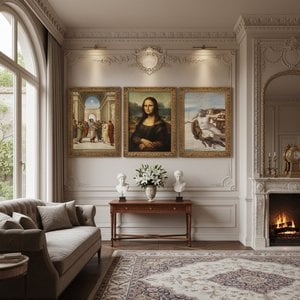
至高のルネサンス:巨匠が彩った10大傑作の世界
高ルネサンス美術の至宝10選。レオナルド・ダ・ヴィンチ、ミケランジェロ…巨匠たちの傑作を紐解き、時代を超えた美と感動に触れる旅へ。ArtsDot.comで、あなただけの空間を芸術で彩りませんか?