


 設置イメージを確認
 送る
送る シェア
シェア
 詳細情報
詳細情報 ガイドを表示

 画像をダウンロード
 似ている作品
 X線調査
X線調査 スライドショー
 統計情報
統計情報Attic amphora


 続きを読む
続きを読む
このページに掲載されている作品は著作権法によって保護されており、当社の許可なく同一の複製物を制作または販売することは法律で禁じられています。この保護は、以下のような国際条約に基づき執行されます。 ベルヌ条約 および、以下の条項に定められたものを含む各国の法律により、 米国著作権法 第17編。
この手法は、著作権で保護された作品の複製や複写を伴わないため、著作権法に完全に準拠しています。これは単なる模倣ではなく、創造的な再解釈です。元の作品からインスピレーションを受けつつも、それとは異なる、全く新しい絵画を生み出すものです。
ジークレー/アートプリント
スピーディーな制作と多彩な仕上げオプションが魅力の、ミュージアムクオリティなジークレー・キャンバスプリント。 ( 手描きの複製画を注文する デジタル画像販売へ切り替え)




































作品のオリジナル比率に合わせた、当店の規定サイズからお選びください。

額縁や壁のスペースに合わせて、ご希望の幅と高さを入力してください。プリントはカットすることは可能ですが、元の画像より大きくすることはできないため、異なる比率のサイズを選択された場合は、画像の一部が欠けることになります。印刷を開始する前に、内容を確認していただくためのデジタルモックアップをお送りいたします。このページに表示されている画像は、実際のカット後の状態を示すものではありません。実際の仕上がりはモックアップにてご確認ください。


 ガラスオプションは、110cm未満のサイズでのみご利用いただけます。

Attic amphora
ジークレー/アートプリント
複製画サイズ一覧
-


合計金額
¥ 9839
関連作品


アーティストについて
The Enigmatic Soundscapes of The Lydian
The Lydian, a contemporary composer and sound artist, exists as something of an anomaly in the often-categorized world of modern music. Unlike many artists who build a public persona alongside their work, The Lydian remains deliberately elusive, preferring to let the sonic textures and emotional weight of their compositions speak for themselves. Born without publicly available biographical details – indeed, even the year of birth is unconfirmed – this intentional anonymity contributes significantly to the mystique surrounding their output. It allows listeners to engage with the music purely on its own terms, free from preconceived notions about the creator’s life or intentions. This isn't a rejection of connection, but rather a redirection; The Lydian invites an intimate relationship with the sound itself, fostering a space where personal interpretation reigns supreme.A Synthesis of Ancient and Modern
The core aesthetic of The Lydian’s work is deeply rooted in exploring the intersection of ancient musical modes – particularly those originating from the region of Lydia in Anatolia (modern-day Turkey) – with cutting-edge electronic production techniques. This isn't simply a matter of incorporating historical sounds; it’s a profound reimagining of them, filtered through a distinctly contemporary sensibility. The Lydian masterfully blends field recordings, synthesized drones, and subtly manipulated acoustic instruments to create soundscapes that feel both timeless and strikingly new. The use of the Lydian mode itself is particularly significant, as it possesses a characteristic raised fourth interval which imparts a dreamlike, ethereal quality – often described as being simultaneously joyful and melancholic. This duality forms a central emotional thread throughout their discography. Early works hinted at an ambient influence, drawing comparisons to artists like Brian Eno and Stars of the Lid, but quickly evolved into something far more complex and uniquely defined.Development and Key Works
The Lydian’s artistic journey can be traced through a series of increasingly ambitious releases. Initial EPs, circulated primarily online, established their signature sound – spacious arrangements, hypnotic rhythms, and a focus on textural detail. These early pieces often featured heavily processed piano melodies interwoven with atmospheric drones. The breakthrough came with the album *Echoes of the Forgotten Temple* (year unknown), a sprawling work that garnered critical acclaim for its immersive quality and evocative power. This album is considered by many to be their magnum opus, showcasing a remarkable ability to build tension and release through subtle shifts in timbre and dynamics. Subsequent releases, such as *Chromatic Aberrations* and *Subterranean Currents*, have continued to push the boundaries of their sonic palette, incorporating elements of glitch music, noise art, and even minimalist classical composition. Each album feels like an exploration of a different emotional landscape, yet they are all unified by The Lydian’s unwavering commitment to creating deeply resonant and emotionally affecting soundscapes.Influences and Artistic Philosophy
Pinpointing specific influences on The Lydian is challenging, given their deliberate obscurity. However, scholars have noted connections to the work of composers like Arvo Pärt and György Ligeti, particularly in their use of sustained tones and microtonal harmonies.- The influence of Eastern musical traditions – specifically those from Turkey, Greece, and India – is also readily apparent.
- Beyond music, The Lydian has cited an interest in ancient mythology, philosophy, and the natural world as sources of inspiration.
- Their artistic philosophy appears to center around the idea of creating “sonic portals” – spaces where listeners can transcend the boundaries of everyday reality and connect with something deeper within themselves.
Historical Significance and Legacy
While still a relatively young artist, The Lydian has already established a significant presence in the contemporary music scene. Their work has been praised for its originality, emotional depth, and technical sophistication. They have influenced a new generation of sound artists who are exploring the intersection of ancient and modern musical traditions. The Lydian’s deliberate anonymity also represents a fascinating challenge to conventional notions of authorship and artistic identity. By removing themselves from the equation, they force listeners to focus solely on the music itself, fostering a more direct and intimate connection with the sound. As their discography continues to grow, The Lydian is poised to become an increasingly important figure in the landscape of contemporary experimental music, leaving an indelible mark on the sonic world for years to come.
関連記事

The Alchemy of Clay: A Collector's Guide to the Mastery, Texture, and Timeless Form of Ceramic Art
Discover the profound beauty of ceramic art. Our expert guide explores the alchemy of clay, texture, and glaze, offering collectors deep insights into mastering earth and fire to create timeless, sculptural masterpieces for any curated collection.

Echoes of Antiquity: Exploring Themes & Techniques in Classical Art Masterpieces
Explore the timeless beauty & profound themes of Classical art! Discover Greek & Roman masterpieces, Neoclassical revivals, and the enduring influence on artistic movements. Expert insights & high-quality reproductions at ArtsDot.

Crimson Threads of Narrative: Exploring Symbolism & Representation in Artworks Featuring the Red Dress
Explore the rich symbolism of the red dress in art history! From ancient power displays to iconic portraits like Cézanne’s 'Madame Cezanne', discover the cultural and artistic significance behind this captivating color. Expert analysis & insights.
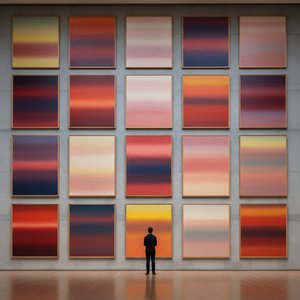
マーク・ロスコ傑作25選:色彩が織りなす深遠な世界|ArtsDot
マーク・ロスコの傑作25選。抽象表現主義を代表する巨匠、色彩が織りなす深遠な世界を探求します。絵画の背景や技法、感動的なストーリーを紐解き、ArtsDotで高品質なアートプリントをお楽しみください。リビングやオフィスにモダンアートを飾るなら!

Echoes of Antiquity: Enduring Themes & Techniques in Classic Art
Explore the enduring legacy of classical art! Discover ancient Greek & Roman influences, Renaissance masterpieces, and timeless techniques. Expert insights for collectors & enthusiasts at ArtsDot.