

 設置イメージを表示
 シェアする
シェアする シェアする
シェアする
 詳細を見る
詳細を見る ガイドを表示

 ダウンロード
 似ている作品
 X線調査
X線調査 スライドショーを表示
 Q&A
Q&A 統計情報
統計情報Maestà (detail)


 詳細を表示
詳細を表示
ジークレー/アートプリント
スピーディーな制作と多彩な仕上げオプションが魅力の、ミュージアムクオリティなジークレー・キャンバスプリント。 ( 手描き複製画を注文する デジタル画像販売へ切り替え)




P118B ¥10

P118H ¥10

P118W ¥10

P438Z ¥10

P508JH ¥12

P508YH ¥12

P805H ¥10

P805Z ¥10

P919BZ ¥10

P919G ¥10

P919XJ ¥10

P959ZH ¥10

P968JZ ¥12

W106C ¥8

W218G ¥10

W218JH ¥8

W218Y ¥10

W307PJ ¥10

W316G ¥10

W316PJ ¥8

W316Y ¥10

W398PJ ¥8

W4111J ¥10

W500HY ¥15

W500JH ¥15

W692G ¥12

W849H ¥8

W940BG ¥15

W953PJ ¥8




作品のオリジナル比率に合わせた、当店の規定サイズからお選びください。

額縁や壁のスペースに合わせて、ご希望の幅と高さを入力してください。プリントはカットすることは可能ですが、元の画像より大きくすることはできないため、異なる比率のサイズを選択された場合は、画像の一部が欠けることになります。印刷を開始する前に、内容を確認していただくためのデジタルモックアップをお送りいたします。このページに表示されている画像は、実際のカット後の状態を示すものではありません。実際の仕上がりはモックアップにてご確認ください。


 ガラスオプションは、110cm未満のサイズでのみご利用いただけます。

Maestà (detail)
ジークレー/アートプリント
複製画サイズ一覧
-


合計金額
¥ 9956
A Window into Siena’s Spiritual Heart: Exploring Simone Martini's Maestà
The fresco “Maestà,” executed by Simone Martini around 1315, isn’t merely a depiction of Mary enthroned; it’s an embodiment of Sienese artistic ideals during the High Medieval period—a testament to piety, elegance, and masterful craftsmanship that continues to captivate audiences centuries later. Created for the Benedictine Abbey of San Giorgio Maggiore in Siena, this monumental artwork represents more than just religious iconography; it embodies a profound reflection on divine majesty and human aspiration.Style and Technique: The Florentine Influence
Martini’s style distinguishes itself from its predecessors primarily through the undeniable influence of Giotto di Bondone, whose groundbreaking naturalism had begun to reshape artistic conventions in Florence. Martini skillfully blended Giotto's humanist approach with Byzantine traditions—particularly evident in the shimmering gold leaf covering the throne and radiating outwards, a technique borrowed directly from imperial iconography—creating an unparalleled visual experience. The meticulous attention to detail is breathtaking; every drapery folds, every facial expression conveys subtle emotion, demonstrating Martini’s mastery of disegno, or drawing, which prioritized accurate representation over stylized abstraction. This painstaking process involved layering thin glazes of pigment onto prepared plaster, resulting in a luminous surface that retains its vibrancy even today.Historical Context: Siena Amidst Papal Rivalry
The fresco's commission occurred during a turbulent period for Siena and the papacy. The city was embroiled in ongoing disputes with Rome over papal authority, fueled by economic tensions and political maneuvering. Artistic patronage served as a crucial tool for asserting prestige and demonstrating piety—a deliberate strategy employed by Benedictine monks to reaffirm their spiritual leadership. “Maestà” thus functioned as a powerful visual statement of Siena’s faith and artistic prowess, reflecting the broader cultural landscape of its time. It stands as one of the most important artworks from the Gothic period in Italy.Symbolism: Divine Majesty and Human Humility
The composition itself is laden with symbolic significance. Mary sits upon a throne adorned with jewels—symbols of royal dignity and divine grace—while angels surround her, representing God’s guardianship and beneficence. The Virgin's serene gaze directs the viewer upwards towards heaven, emphasizing the importance of contemplation and spiritual devotion. Beneath Mary are twelve figures representing the Apostles, symbolizing Christ’s universal mission to redeem humanity. Martini’s careful arrangement underscores the hierarchical order of creation—God at the apex, followed by angels and humans—reflecting medieval theological beliefs about God's dominion over all things.Emotional Impact: A Legacy of Beauty and Reverence
“Maestà” transcends its formal elements to evoke a profound sense of awe and reverence. The sheer beauty of the colors—particularly the radiant gold leaf—combined with Martini’s masterful rendering of human form creates an unforgettable visual impression. More than just aesthetically pleasing, the fresco speaks to the enduring power of faith and artistic excellence. It invites viewers to contemplate the divine mysteries and appreciate the sublime artistry that captures the essence of medieval spirituality—a legacy that continues to inspire artists and collectors alike.Q&A
シモーヌ・マルティニ作「Maestà (detail)」は、有名な作品ですか?
シモーヌ・マルティニ作「Maestà (detail)」 の人気度は Iconic です。この分類は、その作品がどの程度広く知られているかを表しています。
シモーヌ・マルティニ作「Maestà (detail)」の色調は、鮮やかですか、それとも落ち着いていますか?
シモーヌ・マルティニ作「Maestà (detail)」の色調は、Subtle Colorな彩度を持っています。彩度とは、色の鮮やかさや落ち着きの度合いを表すものです。
「Maestà (detail)」を特徴づける配色と、主役となる色は何でしょうか?
「Maestà (detail)」は、Rosy Brown (#c6a48e)を主軸としたEarthyなパレットによって構成されています。
関連作品


作家プロフィール
Simone Martini:イタリアの優雅さを紡ぐ芸術家
シモーネ・マルティニは、イタリアで活躍した芸術家でありました。彼は約1284年にシエナで生まれ、ドゥッチョ・ディ・ブオニンセグナの影響を受けながら、シエナにおける美術の中心として独自の道を歩みました。彼の兄弟の妻であるリッポ・メムミとの協力関係は、シエナ美術界をさらに豊かにしました。シエナという都市は、マルティニの美意識を形成する上で重要な役割を果たし、宗教的な信仰と世俗的な洗練さを融合させた環境を提供しました。
国際ゴシック様式への影響
マルティニのスタイルは、フィレンツェのような壮大な形式とは異なり、優雅さと洗練さを特徴としていました。彼は繊細な感覚を追求し、流れるような線と柔らかな装飾的な詳細に注目しました。この美意識は単独で生まれたものではなく、フランスからの芸術潮流の影響を受けていました。特にフランスの写本や象牙彫刻における洗練された優雅さは、マルティニの作品に現れました。彼はこれらのスタイルを模倣するのではなく、既存のシエナ伝統と融合させ、全く新しいものを創造しました。彼の絵画は宗教的な場面を描いたものではなく、感情的な深みと視覚的な詩情が込められた物語でした。
サンフランチェスコ・ダッシにおいて卓越した技術を披露
マルティニの最も重要な業績の一つは、サンフランチェスコ・ダッシで制作されたフレスコ画です。彼はこの作品で国際ゴシック様式の特徴である優雅さと洗練さを表現し、広大な空間に美しい色彩と形状を配置しました。彼の技術は単なる技巧ではなく、当時の美意識に共鳴する視覚的な言語を作り出すことでした。特にサンフランチェスコ・ダッシの聖母マリアフレスコは、マルティニの卓越したフレスコ画技術を示すとともに、宗教的な信仰と芸術的表現を融合させた傑作です。
ペトラルカとの交流と芸術へのインスピレーション
マルティニはイタリア文学の巨匠ペトラルカと深い友情を築き、彼の詩に影響を与えました。ペトラルカとの関係は特に感動的なものであり、マルティニの作品は単なる技術的なスキルだけでなく、美しさやインスピレーションという人間の精神の本質を捉える能力を示しました。彼は国際ゴシック様式の影響を受けながらも、シエナ美術界における独自の道を歩み、芸術家としての地位を高めました。
後世への遺産と永続的な影響
シモーネ・マルティニはイタリア美術の発展に大きな貢献を果たしました。彼は国際ゴシック様式をヨーロッパ大陸に広める上で重要な役割を果たし、そのスタイルは後の世代の芸術家に影響を与え続けました。彼の作品は単なる技術的なスキルではなく、美しさ、優雅さ、そして宗教的な信仰という当時の美意識に共鳴する視覚的な言語を作り出すことでした。マルティニの聖母マリアフレスコは特に優れた技術と美しい色彩で知られ、彼の芸術家としての地位を証明しています。彼はイタリア美術における重要な人物であり続けました。

シモーヌ・マルティニ
1284 - 1344 , イタリア
プロフィール概要
- Artistic Movement Or Style: 国際ゴシック美術
- Artists Or Movements Influenced By This Artist: ['国際ゴシックスタイル']
- Artists Who Influenced This Artist:
- ドゥオーチェ・ディ・ブオニンセグナ
- ジョット
- Date Of Death: 1344年
- Full Name: Simone Martini
- Nationality: イタリア人
- Notable Artworks: ['聖ルイのロバート王擁立']
- Place Of Birth: シエナ、イタリア
関連記事

The Enduring Legacy of Fresco Painting: Techniques, History & Contemporary Relevance
Explore the rich history & enduring artistry of fresco painting – from Giotto to Michelangelo! Discover techniques, conservation efforts, & modern applications. Learn how ArtsDot brings this timeless art form to your home.
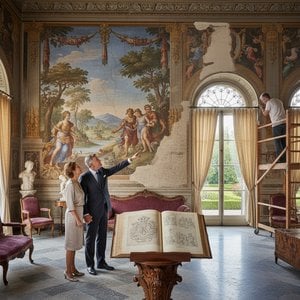
家族の遺産を壁画で彩る:伝統技法が紡ぐ、時を超越する美と記憶
古代から現代までの壁画の歴史と技法を解説。日本の壁画文化やカスタムオーダーによる家族の遺産表現、保存・修復技術まで網羅。専門家が時を超越する美と記憶を紡ぐ芸術的価値をご案内します。

The Enduring Legacy of Fresco: Technique, History & Artistic Expression
Explore the rich history & enduring artistry of fresco painting. Discover techniques from Giotto to Michelangelo, conservation efforts, & modern applications. Learn how ArtsDot brings this timeless art form to your home.

Simone Martini: Innovation, Spirituality & Courtly Refinement in Sienese Painting
Explore the captivating world of Simone Martini, a pivotal figure in Sienese painting & the International Gothic style. Discover his innovative techniques, spiritual depth, and lasting influence on early Renaissance art.

The Enduring Legacy of Fresco: Technique, History & Artistic Expression Across Cultures
Explore the rich history & enduring legacy of fresco painting! Discover ancient techniques, Giotto's masterpieces, and modern applications. Expert insights for art lovers & professionals.


