

 プレビュー
プレビュー
 プリントを購入
 シェアする
シェアする シェアする
シェアする
 詳細を見る
詳細を見る

 ダウンロード
 似ている作品
 X線調査
X線調査 スライドショー
羊飼いへの天使の告白 (Yōkai e no Tenshi no Tsokuhaku)


 詳細を見る
詳細を見る




P118B $10

P118H $10

P118W $10

P438Z $10

P508JH $12

P508YH $12

P805H $10

P805Z $10

P919BZ $10

P919G $10

P919XJ $10

P959ZH $10

P968JZ $12

W106C $8

W218G $10

W218JH $8

W218Y $10

W307PJ $10

W316G $10

W316PJ $8

W316Y $10

W398PJ $8

W4111J $10

W500HY $15

W500JH $15

W692G $12

W849H $8

W940BG $15

W953PJ $8




作品のオリジナル比率に合わせた、当店の規定サイズからお選びください。

特定のフレームやスペースに合わせて、ご希望のサイズをご入力いただけます。選択されたサイズが元の画像の比率と異なる場合、アートワークをトリミングするか、手描きで要素を追加して絵画を拡張いたします。デジタルモックアップ を制作し、制作開始前にご確認(承認)をいただきます。
画面上のプレビューは、実際のトリミングや拡張を正確に反映しているものではありません。最終的な構図は、モックアップによってのみ正確にご確認いただけます。
カスタムサイズもご利用いただけますが、元の比率を維持するためには、あらかじめ用意されたリストからサイズを選択することをお勧めいたします。
ご注文後、ArtsDot.com チームより詳細な指示をお送りするとともに、仕上がりイメージ(モックアップ)をご提供いたします。


 ガラスオプションは、110cm未満のサイズでのみご利用いただけます。

羊飼いへの天使の告白 (Yōkai e no Tenshi no Tsokuhaku)
複製技法
複製画のサイズ
-


合計金額
$ 263
作品解説
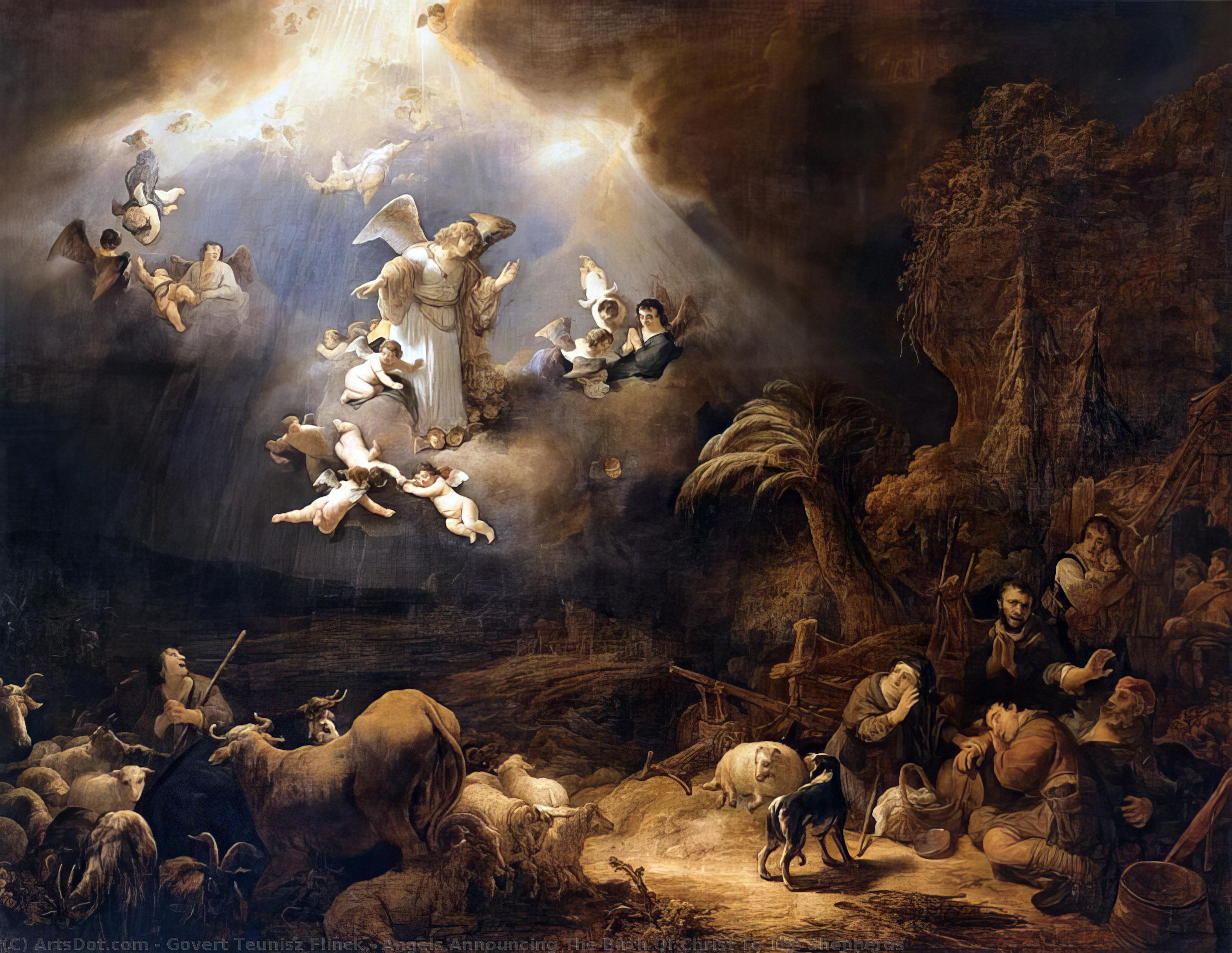
グーベルト・ティューニス・フリンクの「羊飼いへの天使の告白」:光と影が織りなす神聖なる瞬間
17世紀オランダ黄金期の芸術を代表する画家、グーベルト・ティューニス・フリンクの傑作、「羊飼いへの天使の告白」(約1639年)は、単なる宗教画ではありません。それは、信仰、畏敬の念、そして神の介入というテーマを、劇的な光と影のコントラストで表現した、魂を揺さぶるような作品です。この絵画は、キリスト誕生の物語における重要な瞬間を捉え、その壮大さと神秘性を余すところなく伝えています。
- バロック様式:フリンクのスタイルは、バロック美術の影響を強く受けています。特に、イタリアの画家カラヴァッジョや、同時代のレンブラント・ファン・レインとの共通点が見られます。劇的な光と影(キアロスクーロ)を効果的に使用することで、絵画に深みと感情的なインパクトを与えています。
- 技法:油彩で描かれたこの作品は、フリンクの卓越した筆致が際立っています。厚塗りの筆跡(イम्पasto)を用い、天使のローブや羊飼いの衣服に豊かな質感を与え、見る者に触覚的な感覚を呼び起こします。背景の風景は、より粗い筆致で描かれ、人物たちとのコントラストを生み出しています。
- 歴史的背景:17世紀のオランダは、芸術が飛躍的に発展した時代でした(オランダ黄金期)。フリンクをはじめとする画家たちは、宗教的なテーマだけでなく、肖像画や風景画など、多様なジャンルで才能を発揮しました。この作品は、当時の人々の信仰心と、科学的探求の萌芽を反映しています。
光と影のドラマ:キアロスクーロによる表現
フリンクが用いたキアロスクーロという技法は、絵画における最も重要な要素の一つです。中心となる天使から発せられる光は、まるで神の恵みが降り注ぐかのように、羊飼いを照らし出します。その光と影のコントラストは、絵画に劇的な奥行きを与え、見る者の視線を誘導し、感情を揺さぶります。光が照らす部分と暗闇の部分の対比は、神の存在の神秘性と、人間の脆弱性を同時に表現しています。
象徴性と感情:信仰の深淵
この絵画には、様々な象徴的な意味が含まれています。羊は、キリストの追随者や人類の無力さを表し、天使は神のメッセージを伝える存在として描かれています。羊飼いたちは、その姿を通して、信仰心と謙虚さを示しています。フリンクは、これらの要素を巧みに組み合わせることで、見る者に深い感動を与えています。
コレクションにふさわしい傑作
"羊飼いへの天使の告白" は、単なる美術品ではありません。それは、あなたの空間に静寂と美をもたらし、見る者の心に希望と畏敬の念を抱かせる、特別な存在です。この作品は、リビングルーム、書斎、あるいは礼拝堂など、あらゆる場所で、その芸術性と精神性を発揮するでしょう。
キーワード:
- グーベルト・ティューニス・フリンク
- オランダ黄金期
- バロック美術
- キアロスクーロ
- 羊飼い
- 天使
- 信仰
関連作品


アーティストの略歴
A Life Painted in Light and Shadow: The Story of Govert Teunisz Flinck
Govert Teunisz Flinck, a name that resonates with the golden age of Dutch painting, was more than just a portraitist; he was a conduit between Rembrandt’s revolutionary style and the burgeoning artistic landscape of 17th-century Amsterdam. Born in Kleve, Germany, in 1615 – a city steeped in both German and Dutch influences – Flinck's early life hinted at a path far removed from the world of art. His father, a prosperous cloth merchant, envisioned a future for his son within the trade, but fate intervened with the unexpected guidance of Lambert Jacobsz, a prominent Mennonite preacher and painter who recognized the young man’s innate artistic talent. This pivotal encounter steered Flinck towards Leeuwarden, where he began his formal training under Jacobsz, laying the foundation for a career that would ultimately eclipse his initial aspirations.
The move to Amsterdam in 1633 marked a turning point. There, Flinck entered the studio of Rembrandt van Rijn, a relationship that profoundly shaped his artistic development. Rembrandt’s influence is undeniably present throughout Flinck's oeuvre – particularly in his early works – characterized by dramatic lighting, nuanced expressions, and a masterful manipulation of chiaroscuro. However, unlike Rembrandt, who often embraced theatricality, Flinck gradually developed a more refined and elegant style, incorporating elements of Rubensian dynamism and a heightened sense of realism. This evolution is strikingly evident in pieces like “Isaac Blessing Jacob” (1638), where the composition’s balance and the figures' emotional depth demonstrate a clear departure from Rembrandt’s immediate influence.
The Portraiture of Power and Prestige
Flinck quickly established himself as one of Amsterdam’s most sought-after portraitists, catering to a clientele that included wealthy merchants, civic officials, and prominent members of the Mennonite community. His portraits weren't merely representations of likeness; they were carefully constructed narratives, imbued with social commentary and reflecting the status and aspirations of his subjects. The “Portrait of a Man, probably Augustijn Wtenbogaert (1577-1655)” exemplifies this approach, showcasing an aged sitter rendered with remarkable sensitivity and capturing not only his physical appearance but also the weight of experience etched upon his face. The use of rich fabrics, intricate details in the background, and subtle gestures all contribute to a portrait that transcends simple likeness, offering a glimpse into the subject’s life and character.
His commissions for civic guardsmen – as seen in “Officers and Other Civic Guardsmen of District XVIII in Amsterdam…” – further cemented his reputation. These works are not simply depictions of military personnel; they are vibrant celebrations of civic pride, meticulously rendered with attention to detail and a keen awareness of the social dynamics at play. The influence of Rembrandt is palpable here, particularly in the dynamic composition and the use of light and shadow to create a sense of movement and drama. The painting captures not just the appearance of the guardsmen but also their role as protectors of Amsterdam’s prosperity and stability.
Beyond the Portrait: Genre Scenes and Religious Narratives
While renowned for his portraits, Flinck's artistic range extended beyond the confines of formal representations. He produced a series of compelling genre scenes – intimate depictions of everyday life – that offered a window into the domestic sphere of 17th-century Amsterdam. These works are characterized by their realism and their ability to capture the nuances of human interaction, revealing both the joys and challenges of daily existence. His religious paintings, such as “Angels Announcing the Birth of Christ to the Shepherds,” demonstrate a masterful command of composition, color, and symbolism, creating scenes that are both visually stunning and emotionally resonant.
Legacy and Influence
Govert Teunisz Flinck’s career spanned nearly four decades, during which he produced an impressive body of work that continues to captivate viewers today. His artistic development—from his early apprenticeship under Rembrandt to the refinement of his own distinctive style—reflects the dynamic artistic climate of the Dutch Golden Age. He left a lasting legacy as one of the most accomplished portraitists and genre painters of his time, influencing generations of artists who followed in his footsteps. His works are now housed in prestigious collections around the world, including the Rijksmuseum in Amsterdam, testament to his enduring contribution to the history of art.

govert teunisz flinck
1615 - 1660 , Germany
基本情報
- Artistic Movement Or Style: Baroque
- Artists Or Movements Influenced By This Artist: ['Peter Paul Rubens']
- Artists Who Influenced This Artist: ['Rembrandt']
- Date Of Birth: January 25, 1615
- Date Of Death: February 2, 1660
- Full Name: Govert Teunisz Flinck
- Nationality: Dutch
- Notable Artworks:
- Angels Announcing Christ
- Portrait of a Man
- Officers Civic Guardsmen
- Place Of Birth: Kleve, Germany
関連記事

黄金世紀の巨匠たち:バロック絵画が彩る10選|ArtsDot
オランダ黄金時代の10大傑作を紐解く!レンブラント、フェルメール…バロック絵画の魅力と時代背景を深く探求。ArtsDotで、至高のアートコレクションと空間演出のヒントを見つけよう。高品質なアートプリントで、お部屋を華やかに。

Golden Age Reflections: Dutch Baroque Painting & Cultural Innovation
Explore the Dutch Golden Age of painting! Discover key artists like Vermeer & ter Borch, their innovative techniques, and the rich cultural context behind these Baroque masterpieces. Learn about collecting & appreciating this iconic art period.

Illuminating Innovation: Exploring the Dutch Golden Age of Painting
Explore the Dutch Golden Age of painting with ArtsDot. Discover Rembrandt, Vermeer & other Masters. Learn about key characteristics, iconic artworks, and lasting influence. Expert insights for collectors & enthusiasts.
Illuminating Realism: Exploring the Dutch Golden Age of Painting (1600-1700)
Explore the Dutch Golden Age of painting (1600-1700) with ArtsDot. Discover Rembrandt, Vermeer & other masters. Learn about techniques, history & find museum-quality reproductions.

Charles Leickert: Capturing the Dutch Golden Age Light – A Comprehensive Study of Technique, Context, and Legacy
Explore the captivating winter landscapes of Charles Leickert, a master of Dutch Golden Age light & atmosphere. Discover his techniques, symbolism, and lasting legacy – a comprehensive study for art enthusiasts and collectors.


