

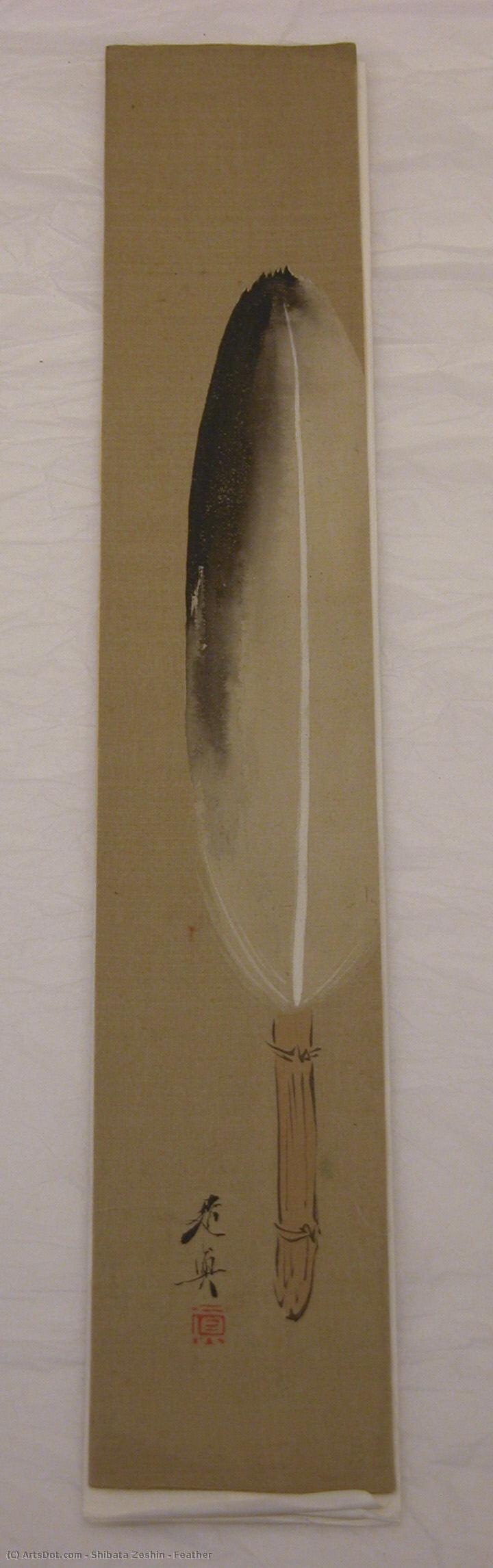
 プレビュー
プレビュー
 シェアする
シェアする シェアする
シェアする
 詳細を見る
詳細を見る

 ダウンロード
 似ている作品
 X線調査
X線調査 スライドショー
Feather
 801
801 38.0cm x 6.0cm
 詳細を見る
詳細を見る
手描き油彩複製画
当社のアーティストが、お客様のご希望のサイズと額縁に合わせて、キャンバスに手描きで制作する油彩画です。 ( プリント版に切り替え 画像に切り替え)




































作品のオリジナル比率に合わせた、当店の規定サイズからお選びください。

特定のフレームやスペースに合わせて、ご希望のサイズをご入力いただけます。選択されたサイズが元の画像の比率と異なる場合、アートワークをトリミングするか、手描きで要素を追加して絵画を拡張いたします。デジタルモックアップ を制作し、制作開始前にご確認(承認)をいただきます。
画面上のプレビューは、実際のトリミングや拡張を正確に反映しているものではありません。最終的な構図は、モックアップによってのみ正確にご確認いただけます。
カスタムサイズもご利用いただけますが、元の比率を維持するためには、あらかじめ用意されたリストからサイズを選択することをお勧めいたします。
ご注文後、ArtsDot.com チームより詳細な指示をお送りするとともに、仕上がりイメージ(モックアップ)をご提供いたします。


 ガラスオプションは、110cm未満のサイズでのみご利用いただけます。

Feather
複製技法
複製画のサイズ
-


合計金額
$ 263
関連作品


アーティストの略歴
A Singular Vision: Shibata Zeshin (1807-1891)
Shibata Zeshin stands apart in the annals of Japanese art history—a figure simultaneously lauded as a revolutionary innovator and dismissed as stubbornly traditional. Born in Edo (modern Tokyo) in 1807, he descended from a lineage steeped in craftsmanship; his grandfather was a shrine carpenter, and his father, Ichigoro Shibata, possessed considerable skill as an ukiyo-e painter, having studied under Katsukawa Shunshō—a formative influence that instilled within him the values of meticulous observation and artistic discipline. This early exposure to both woodworking and painting would prove instrumental in shaping Zeshin’s distinctive oeuvre.- Early Apprenticeship & Suzuki Nanrei:
- The Pursuit of Mastery: Studying Under Nanrei
- Zeshin's Artistic Persona: “This Is True” – The Significance of His Name
Innovation Amidst Tradition: Zeshin’s Distinctive Style
Zeshin’s artistic style is characterized by a remarkable blend of meticulous realism and subtle expressive nuance. While adhering to established conventions of Sumi-e painting—particularly the depiction of landscapes and animals—he pushed boundaries through his masterful use of *maki-e*, a technique involving applying metallic pigments onto lacquer surfaces. This innovative approach allowed him to imbue his works with shimmering luminescence and textural depth, elevating them beyond mere representation into embodiments of spiritual contemplation. His paintings frequently explored themes of Buddhist serenity and harmony, reflecting the prevailing intellectual currents of the Meiji era.- Landscapes & Tigers: Capturing Nature’s Essence
- Maki-e Technique: Light & Texture in Japanese Lacquer Art
Legacy & Recognition: Zeshin’s Enduring Influence
Despite criticisms leveled against his perceived conservatism within Japan, Shibata Zeshin achieved considerable acclaim in the West, particularly in England and the United States. His works were exhibited internationally, garnering admiration for their aesthetic beauty and technical virtuosity—a testament to his artistic genius and a reflection of the burgeoning interest in Japanese art during the late nineteenth century. Today, Zeshin’s paintings continue to captivate audiences worldwide, serving as enduring symbols of Japan's artistic tradition and demonstrating the transformative power of blending meticulous observation with innovative technique. His legacy persists as an exemplar of artistic integrity and unwavering devotion to craft—a singular vision that resonates across time and culture.
Shibata Zeshin
1807 - 1891
基本情報
- Artistic Movement Or Style: Sumi-e; Maki-e
- Artists Or Movements Influenced By This Artist: ['Japanese lacquer art']
- Artists Who Influenced This Artist:
- Suzuki Nanrei
- Katsukawa Shunshō
- Date Of Birth: March 15, 1807
- Date Of Death: July 13, 1891
- Full Name: Shibata Zeshin
- Nationality: Japanese
- Notable Artworks:
- Flowers (pink & white) and Leaves, Clappers
- Waterfall and Monkeys
- Garden Scene
- Place Of Birth: Tokyo, Japan

