
 設置イメージを表示
 シェアする
シェアする シェアする
シェアする
 詳細を見る
詳細を見る ガイドを表示

 ダウンロード
 似ている作品
 X線調査
X線調査 スライドショーを表示
 Q&A
Q&A 統計情報
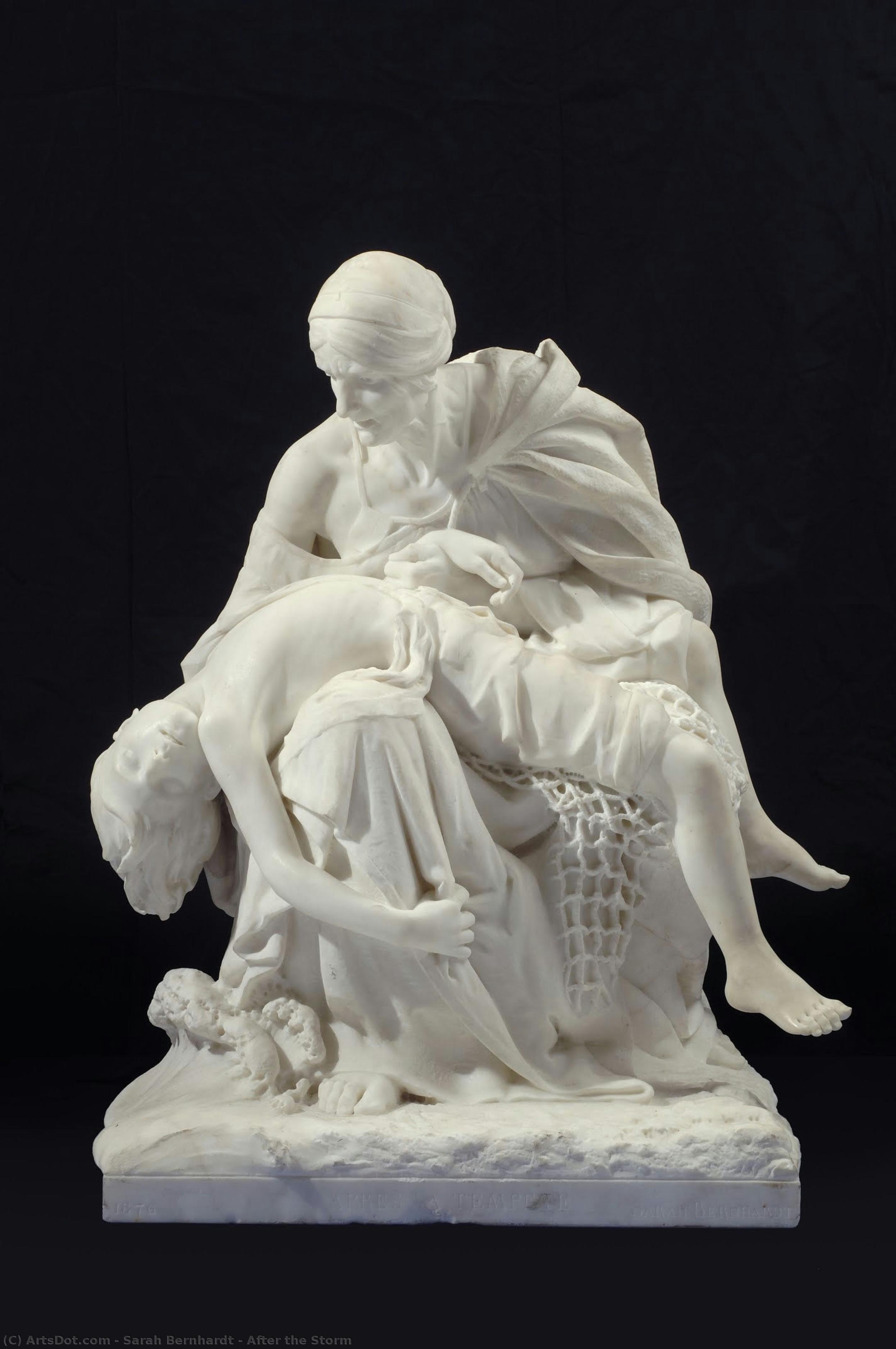
統計情報After the Storm

 詳細を表示
詳細を表示
このページに掲載されている作品は著作権法によって保護されており、当社の許可なく同一の複製物を制作または販売することは法律で禁じられています。この保護は、以下のような国際条約に基づき執行されます。 ベルヌ条約 および、以下の条項に定められたものを含む各国の法律により、 米国著作権法 第17編。
この手法は、著作権で保護された作品の複製や複写を伴わないため、著作権法に完全に準拠しています。これは単なる模倣ではなく、創造的な再解釈です。元の作品からインスピレーションを受けつつも、それとは異なる、全く新しい絵画を生み出すものです。
ジークレー/アートプリント
スピーディーな制作と多彩な仕上げオプションが魅力の、ミュージアムクオリティなジークレー・キャンバスプリント。 ( 手描き複製画を注文する デジタル画像販売へ切り替え)




































作品のオリジナル比率に合わせた、当店の規定サイズからお選びください。

額縁や壁のスペースに合わせて、ご希望の幅と高さを入力してください。プリントはカットすることは可能ですが、元の画像より大きくすることはできないため、異なる比率のサイズを選択された場合は、画像の一部が欠けることになります。印刷を開始する前に、内容を確認していただくためのデジタルモックアップをお送りいたします。このページに表示されている画像は、実際のカット後の状態を示すものではありません。実際の仕上がりはモックアップにてご確認ください。


 ガラスオプションは、110cm未満のサイズでのみご利用いただけます。

After the Storm
ジークレー/アートプリント
複製画サイズ一覧
-


合計金額
¥ 9952
Q&A
「After the Storm」における明暗のバランスは、どのように表現されていますか?
「After the Storm」の全体的な明るさはdeep_shadowで、輝度はSoft Shadowです。
「After the Storm」において、コントラストと調和はどのように組み合わさっているのでしょうか?
Sarah Bernhardt作「After the Storm」 の色彩分析は、Statement なコントラストと Discordant Palette な調和を捉えています。
「After the Storm」の作者は誰ですか?
「After the Storm」はSarah Bernhardtによる作品です。このページでは、Sarah Bernhardtのオリジナル作品についてご紹介しています。
関連作品


作家プロフィール
The Divine Sarah: A Legend of Stage and Canvas
In the golden twilight of the nineteenth century, few figures commanded the collective imagination of the world quite like Sarah Bernhardt. Known to millions as “the Divine Sarah,” she was far more than a mere performer; she was a living icon, a force of nature who bridged the gap between the theatrical stage and the fine arts. Born Henriette-Rosine Bernard in Paris in 1844, her very essence seemed destined for the spotlight. Raised by a Dutch Jewish mother and a French attorney father, her early years were steeped in a passion for the aesthetic, leading her to study sculpture under masters like Emilio Franchesci. This foundational training in form and detail would later inform her legendary stage presence, allowing her to command space with a sculptural, almost monumental grace that captivated audiences from Paris to New York.
Bernhardt’s ascent to stardom was nothing short of meteoric. Debuting in Racine’s Iphigénie at the Théâtre Français in 1869, she immediately signaled the arrival of a transformative talent. Her ability to inhabit characters with profound emotional depth and dramatic intensity made her the definitive interpreter of the era's greatest works. Whether portraying the tragic vulnerability of La Dame aux Camélias or the commanding strength of Shakespeare’s Hamlet—a role that defied gender conventions of the time—she possessed what Victor Hugo famously described as a “golden voice.” Her performances were not merely acted; they were experienced, characterized by a unique blend of vocal prowess and a physical language that Edmond Rostand called “the queen of the pose and the princess of the gesture.”
A Muse for the Art Nouveau Era
Beyond the footlights, Bernhardt’s influence permeated the visual landscape of her time, making her a central figure in the development of the Art Nouveau movement. Her striking visage and larger-than-life persona became the ultimate canvas for the era's most celebrated illustrators. Most notably, her collaboration with Alphonse Mucha helped define the aesthetic of the period; his iconic posters, which utilized flowing organic lines and intricate ornamentation, were often centered around her image, helping to disseminate both her fame and the Art Nouveau style across the globe. She was a subject that invited much more than simple portraiture; she inspired works that sought to capture her very spirit.
The artistic community of Europe vied for the honor of capturing her likeness, resulting in a rich tapestry of diverse styles:
- Impressionistic Reverie: Artists like Dudley Hardy utilized textured brushstrokes and dreamlike atmospheres to portray her with a sense of melancholy and vulnerability.
- Photographic Precision: Pioneers such as Félix Nadar and Henry Walter Barnett used the burgeoning medium of photography to freeze moments of theatrical intensity, revealing the formidable strength beneath her stage persona.
- Classical Realism: Painters like Jules Bastien-Lepage sought to honor her through meticulous oil portraits that reflected their mutual admiration and the classical beauty she embodied.
A Lasting Legacy of Innovation
The historical significance of Sarah Bernhardt lies in her role as a pioneer who refused to be confined by the boundaries of her era. She was an early adopter of new technologies, utilizing sound recordings to extend her voice far beyond the theater walls, and she embraced the burgeoning film industry to reach even wider audiences. Her career was a testament to the power of self-invention; she moved seamlessly between male and female roles, challenged social norms regarding femininity, and transformed herself into a global brand long before the concept existed. When she passed away in 1923, she left behind more than just a repertoire of plays; she left an indelible mark on the history of performance, a blueprint for the modern celebrity, and a permanent place in the annals of art history as a symbol of eternal, divine creativity.

プロフィール概要
- Artistic Movement Or Style: Art Nouveau
- Artists Or Movements Influenced By This Artist: ['Victorien Sardou']
- Artists Who Influenced This Artist:
- Victor Hugo
- Alphonse Mucha
- Date Of Birth: October 22, 1844
- Full Name: Henriette-Rosine Bernard
- Nationality: French
- Notable Artworks:
- La Dame aux Camélias
- Ruy Blas
- Fédora
- Place Of Birth: Paris, France