

 プレビュー
プレビュー
 プリントを購入
 シェアする
シェアする シェアする
シェアする
 詳細を見る
詳細を見る

 ダウンロード
 似ている作品
 X線調査
X線調査 スライドショー
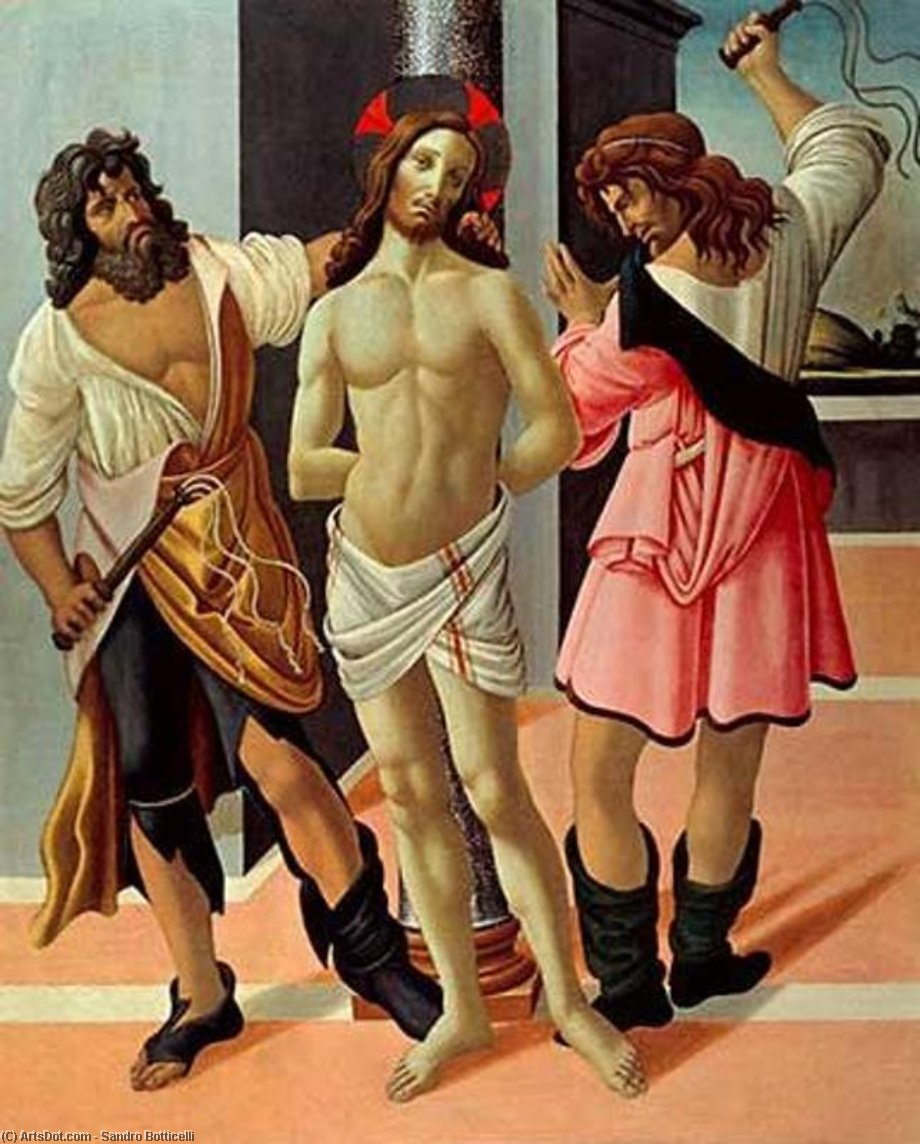
The Flagellation
 Acrylic
- WallArt
- Early Renaissance
 1490
1490 132.0 x 107.0 cm
 詳細を見る
詳細を見る




P118B $10

P118H $10

P118W $10

P438Z $10

P508JH $12

P508YH $12

P805H $10

P805Z $10

P919BZ $10

P919G $10

P919XJ $10

P959ZH $10

P968JZ $12

W106C $8

W218G $10

W218JH $8

W218Y $10

W307PJ $10

W316G $10

W316PJ $8

W316Y $10

W398PJ $8

W4111J $10

W500HY $15

W500JH $15

W692G $12

W849H $8

W940BG $15

W953PJ $8




作品のオリジナル比率に合わせた、当店の規定サイズからお選びください。

特定のフレームやスペースに合わせて、ご希望のサイズをご入力いただけます。選択されたサイズが元の画像の比率と異なる場合、アートワークをトリミングするか、手描きで要素を追加して絵画を拡張いたします。デジタルモックアップ を制作し、制作開始前にご確認(承認)をいただきます。
画面上のプレビューは、実際のトリミングや拡張を正確に反映しているものではありません。最終的な構図は、モックアップによってのみ正確にご確認いただけます。
カスタムサイズもご利用いただけますが、元の比率を維持するためには、あらかじめ用意されたリストからサイズを選択することをお勧めいたします。
ご注文後、ArtsDot.com チームより詳細な指示をお送りするとともに、仕上がりイメージ(モックアップ)をご提供いたします。


 ガラスオプションは、110cm未満のサイズでのみご利用いただけます。

The Flagellation
複製技法
複製画のサイズ
-


合計金額
$ 263
作品解説
A Moment of Suffering Captured in Botticelli’s Flagellation
The painting “The Flagellation,” executed around 1490 by Sandro Botticelli, stands as a poignant emblem of the Early Renaissance's preoccupation with religious iconography and humanist ideals. More than just a depiction of biblical narrative—the scourging of Jesus Christ by Roman soldiers—it embodies a complex interplay of artistic innovation and profound spiritual contemplation that continues to resonate with audiences today. Commissioned likely for the chapel of Santa Maria Novella in Florence, this artwork exemplifies Botticelli’s signature style: graceful lines, delicate color palettes, and an unparalleled attention to detail that elevates it beyond mere representation into a realm of evocative beauty.The Artistic Technique – Botticelli's Delicate Touch
Botticelli’s mastery lies not only in his compositional choices but also in his meticulous technique. Employing tempera paint on wood panel—a favored medium for Florentine artists during the period—he achieved remarkable luminosity and tonal subtlety. The artist skillfully blended pigments to create nuanced shades of crimson, ochre, and ultramarine, capturing the textures of flesh and drapery with astonishing precision. Unlike the monumental frescoes of his contemporaries like Piero della Francesca or Michelangelo, Botticelli’s approach favored a restrained scale, prioritizing elegance and refinement over sheer grandeur. This deliberate restraint underscores the artist's commitment to conveying emotion through understated visual cues—a hallmark of Renaissance artistic philosophy.Historical Context: Florence Under Medici Patronage
The painting emerged during a transformative era in Florentine history – the ascendancy of Lorenzo de’ Medici, known affectionately as “Lorenzo il Magnifico.” Lorenzo’s patronage fostered an environment brimming with intellectual curiosity and artistic ambition, propelling Florence to the forefront of European culture. Botticelli's work reflects this humanist spirit, subtly hinting at philosophical considerations beyond the immediate religious scene. The commission itself speaks volumes about the importance placed on devotional art within Florentine society—a testament to the enduring power of faith and its capacity to inspire artistic expression. Furthermore, the depiction aligns with broader theological debates surrounding penitence and atonement prevalent during the fifteenth century.Symbolism – Layers of Meaning Beyond the Visible
“The Flagellation” is replete with symbolic elements that enrich its narrative significance. The central figure of Jesus Christ is positioned at the apex of the composition, symbolizing divine suffering and sacrifice—themes central to Christian theology. The three Roman soldiers surrounding him represent earthly authority attempting to inflict pain upon God’s son, highlighting the conflict between divine grace and human transgression. The instruments of torture – whips and knives – serve as visual metaphors for humiliation and torment, emphasizing Jesus's ordeal. Even the humble setting—a simple wooden chair—suggests a deliberate rejection of opulent grandeur, reinforcing Botticelli’s stylistic preference for understated beauty and spiritual contemplation.Emotional Impact: A Portrait of Painful Grace
Ultimately, “The Flagellation” transcends its biblical subject matter to evoke a powerful emotional response in the viewer. Botticelli's masterful rendering captures not merely the physical pain endured by Jesus but also the profound psychological anguish associated with suffering—a theme explored extensively in humanist literature during the Renaissance. The painting’s serene color palette and graceful lines create an unsettling juxtaposition, prompting contemplation on themes of compassion, humility, and divine mercy. It remains a compelling reminder that beauty can coexist with sorrow, fostering a deeper understanding of human experience and spiritual aspiration.関連作品


アーティストの略歴
サンドロ・ボッティチェリ:ルネサンスの詩人画家
1445年頃、フィレンツェで生まれたアレッサンドロ・ディ・マリアーノ・ディ・ヴァンニ・フィリペピ。後にサンドロ・ボッティチェリとして知られる彼は、初期ルネサンス期の最も重要な芸術家の一人であり、その作品は美と調和の象徴として、時代を超えて人々を魅了し続けています。彼の人生は、メディチ家の庇護のもと、フィレンツェという文化の中心地で展開され、芸術、哲学、文学が花開く時代を背景に、独自の芸術世界を築き上げました。
ボッティチェリの初期の教育については詳細は不明ですが、金細工師としての修行を経て、画家フィリッポ・リッピのもとで絵画技術を習得したことが知られています。リッピの影響を受けながらも、彼は独自のスタイルを確立し、アンтонио・デル・ポーライオーロやアンドレア・デル・ヴェロッキオといった同時代の巨匠からも影響を受けました。特に、彫刻的な人物描写と、繊細な線描が特徴的であり、彼の作品に独特の魅力を生み出しました。
ボッティチェリの芸術の特徴は、その優雅で詩情豊かな表現にあります。「ヴィーナスの誕生」や「春(プリマヴェーラ)」に見られるように、古典古代の神話や寓意を題材に取り入れながら、独自の解釈と美意識に基づいた作品を生み出しました。これらの作品は、単なる物語の描写ではなく、愛、美、そして精神的な高揚といった普遍的なテーマを探求するものであり、ルネサンス期の人文主義思想を体現するものとして高く評価されています。彼の描く人物たちは、洗練された衣装を身につけ、優雅なポーズをとっており、まるで生きているかのような生命力に満ち溢れています。
ボッティチェリの作品は、その繊細な色彩と線描によって特徴づけられます。彼は、テンペラ画という技法を多用し、鮮やかな色彩と緻密な描写を実現しました。また、彼の作品には、銀筆(シルバーポイント)による下絵が施されていることが多く、その繊細なタッチは、最終的な作品の完成度を高めています。特に「ヴィーナスの誕生」におけるヴェーヌス像の肌の表現や、「春」における人物たちの衣装の描写は、彼の卓越した技術力の証と言えるでしょう。
晩年と再評価
15世紀末には、ドミニコ会の修道士ジロラモ・サヴォナローラの布教活動の影響を受け、ボッティチェリの芸術にも変化が見られます。サヴォナローラは、当時のフィレンツェにおける奢侈や退廃を厳しく非難し、宗教的な清貧と禁欲を説きました。その結果、ボッティチェリもまた、自身の作品に宗教的なテーマを取り入れ、より内省的で精神的な表現へと傾倒していったのです。
しかし、彼の晩年の作品は、当時の世情に受け入れられず、忘れ去られてしまうという憂き目に遭いました。19世紀に入り、前ラファエロ派の画家たちがボッティチェリの作品を再評価し、その芸術的な価値を広く知らしめました。彼らの熱心な支持によって、ボッティチェリはルネサンス期の最も重要な芸術家の一人として、再び脚光を浴びることになったのです。
今日、ボッティチェリの作品は、世界中の美術館に所蔵されており、多くの人々を魅了し続けています。彼の作品は、ルネサンス期における美意識と精神性を象徴するものであり、芸術史において不朽の名声を確立しています。特に「ヴィーナスの誕生」や「春」は、西洋美術の金字塔として、その地位を不動のものとしているのです。
主要作品
- ヴィーナスの誕生 (La nascita di Venere)
- 春(プリマヴェーラ)(Primavera)
- マギの礼拝 (Adorazione dei Magi)
- 神秘の受胎告知 (Natività mistica)

ボッティチェリ
1445 - 1510 , イタリア
基本情報
- フルネーム: サンドロ・ボッティチェリ
- 主な作品:
- ヴィーナスの誕生
- 春の賛歌
- マギの礼拝
- 出生地: フィレンツェ(イタリア)
- 国籍: イタリア
- 影響を与えた芸術家または運動: ['プレラファエライト協会']
- 影響を受けたアーティスト:
- フラ・フィリッポ・リピ
- パオロ・ウッチョロ
- 死亡年月日: 1510年5月17日
- 生年月日: 1445年3月1日頃
- 芸術運動またはスタイル: 初期ルネサンス
関連記事
ボッティチェリの至宝25選:ルネサンス美術の華麗なる世界 | ArtsDot
ボッティチェリの至宝25選。ルネサンス美術を代表する「春」「ヴィーナスの誕生」など、名画の物語と芸術史を紐解きます。ArtsDotで高品質な複製画やインテリアアートを見つけ、お部屋に永遠の美を。今すぐコレクションをご覧ください。

High Medieval Art: 10 Masterpieces That Shaped an Era | ArtsDot
Journey through High Medieval Art! Explore 10 iconic masterpieces – from Giotto's frescoes to stunning Gothic cathedrals. Discover the stories behind these timeless paintings, sculptures & illuminated manuscripts. Find museum-quality art reproductions at ArtsDot.com.
Sacred Narratives Embodied: A Comprehensive Exploration of Religious Iconography in Art History
Explore the rich history of religious iconography in art! Discover symbolism, movements & masterpieces from Byzantine to Renaissance periods. Expert insights for collectors and enthusiasts at ArtsDot.

Late Medieval Masterpieces: 10 Artworks That Defined an Era | ArtsDot
Journey through 10 defining Late Medieval masterpieces – from Giotto's frescoes to Jan van Eyck’s realism. Explore the stories, techniques & vibrant colors of Gothic art. Find museum-quality reproductions and elevate your home decor with ArtsDot.com! Discover all masterpieces on ArtsDot.com

初期ルネサンス美術を彩る至宝:10選が示す革新と美の源泉
初期ルネサンス美術の革新を彩る10選。ボッティチェリ、ダ・ヴィンチの名作から、時代を超越する美と技術を紐解きます。壁掛けアートやインテリアにインスピレーションを。ArtsDot.comで至宝のコレクションをオンラインで発見しましょう!



