


 設置イメージを確認
 送る
送る シェア
シェア
 詳細情報
詳細情報 ガイドを表示

 画像をダウンロード
 似ている作品
 X線調査
X線調査 スライドショー
 統計情報
統計情報rising

 続きを読む
続きを読む
ジークレー/アートプリント
スピーディーな制作と多彩な仕上げオプションが魅力の、ミュージアムクオリティなジークレー・キャンバスプリント。 ( 手描きの複製画を注文する デジタル画像販売へ切り替え)




P118B ¥10

P118H ¥10

P118W ¥10

P438Z ¥10

P508JH ¥12

P508YH ¥12

P805H ¥10

P805Z ¥10

P919BZ ¥10

P919G ¥10

P919XJ ¥10

P959ZH ¥10

P968JZ ¥12

W106C ¥8

W218G ¥10

W218JH ¥8

W218Y ¥10

W307PJ ¥10

W316G ¥10

W316PJ ¥8

W316Y ¥10

W398PJ ¥8

W4111J ¥10

W500HY ¥15

W500JH ¥15

W692G ¥12

W849H ¥8

W940BG ¥15

W953PJ ¥8




作品のオリジナル比率に合わせた、当店の規定サイズからお選びください。

額縁や壁のスペースに合わせて、ご希望の幅と高さを入力してください。プリントはカットすることは可能ですが、元の画像より大きくすることはできないため、異なる比率のサイズを選択された場合は、画像の一部が欠けることになります。印刷を開始する前に、内容を確認していただくためのデジタルモックアップをお送りいたします。このページに表示されている画像は、実際のカット後の状態を示すものではありません。実際の仕上がりはモックアップにてご確認ください。


 ガラスオプションは、110cm未満のサイズでのみご利用いただけます。

rising
ジークレー/アートプリント
複製画サイズ一覧
-


合計金額
¥ 9804
A Moment of Divine Ascent: Exploring Botticelli’s “Rising”
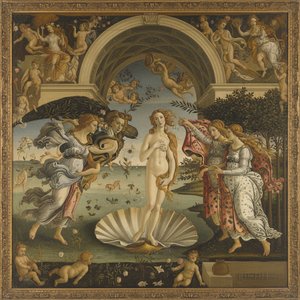
Sandro Botticelli's "Rising," a painting shrouded in the mystery of its original commission and subject, stands as a poignant testament to the complexities of faith, hope, and the human condition during the Florentine Renaissance. While details regarding the precise narrative remain debated – though often linked to the story of the Annunciation or even a symbolic representation of Christ’s resurrection – what is undeniable is the painting's profound emotional resonance and Botticelli’s masterful command of line, color, and classical form. The work, likely created around 1480-1482, exemplifies the artist’s signature style: an elegant blend of Byzantine influence, Neoplatonic philosophy, and a deep appreciation for the beauty of the human figure.
Botticelli's technique is immediately striking. He employs a delicate, almost ethereal quality, achieved through meticulous layering of thin glazes—a hallmark of his approach. The figures are rendered with an exquisite grace, their bodies elongated and flowing, reminiscent of Byzantine icons but imbued with a distinctly Renaissance sensibility. Note the subtle modeling of flesh, the careful attention to drapery, and the way light seems to caress the forms. The background is deliberately hazy, drawing focus entirely onto the central scene and contributing to the overall sense of otherworldly serenity. The use of tempera on panel—a traditional medium for Florentine artists at the time—allowed Botticelli to achieve a luminous quality rarely seen in other media.
Decoding Symbolism: Angels, Mourners, and the Promise of Resurrection
The composition itself is rich with symbolic meaning. At the heart of the scene are angels, depicted not as imposing figures of power but rather as gentle guides, carefully lifting Christ from the tomb. Their wings, rendered in delicate brushstrokes, suggest a sense of lightness and ascension. Surrounding the tomb are individuals – some weeping, others gazing upwards in awe or celebration—representing the diverse human responses to this momentous event. The presence of a figure holding a book is particularly intriguing; it’s often interpreted as referencing scripture, emphasizing the theological significance of Christ's resurrection. The arrangement of these figures creates a dynamic interplay between grief and joy, despair and hope, reflecting the multifaceted nature of faith.
Botticelli’s artistic choices also resonate with Neoplatonic philosophy, prevalent during the Renaissance. The painting can be viewed as an allegory for the soul's journey towards enlightenment—the descent into darkness (represented by death) followed by a triumphant ascent to divine light (symbolized by Christ’s resurrection). The figures themselves are not merely representations of biblical characters but embodiments of universal human experiences and aspirations.
A Renaissance Masterpiece: Context and Legacy
“Rising” is inextricably linked to the broader artistic and intellectual landscape of Florence during the High Renaissance. Botticelli’s work, alongside that of Leonardo da Vinci and Michelangelo, helped define the era's aesthetic ideals—a focus on humanism, classical inspiration, and a celebration of beauty. His paintings were commissioned by powerful families like the Medici, who recognized his talent and sought to adorn their palaces with works that reflected their wealth and status. “Rising” itself likely served as a devotional image for a private chapel or a grand hall, intended to inspire contemplation and reinforce religious beliefs.
Botticelli’s legacy endures through the profound impact of his art on subsequent generations of artists. His graceful figures, lyrical compositions, and masterful use of color continue to captivate viewers centuries later. ArtsDot's hand-painted reproductions offer a unique opportunity to experience the beauty and emotional depth of “Rising” in stunning detail, preserving Botticelli’s artistic vision for future appreciation.
よくあるご質問
「rising」のプレビューはどこで確認できますか?
ボッティチェリ作「rising」のプレビューは、作品のプレビューページでご確認いただけます。
ボッティチェリ作「rising」の色彩の彩度はどの程度ですか?
ボッティチェリ作「rising」は、彩度Balanced Softで記録されています。
「rising」は何を描いた作品で、どのような雰囲気を持っていますか?
ボッティチェリ作「rising」は、jesus, resurrection, angels, tomb, mourning, celebration, biblical scene, renaissanceとRomanticな雰囲気を融合させています。
関連作品


アーティストについて
サンドロ・ボッティチェリ:ルネサンスの詩人画家
1445年頃、フィレンツェで生まれたアレッサンドロ・ディ・マリアーノ・ディ・ヴァンニ・フィリペピ。後にサンドロ・ボッティチェリとして知られる彼は、初期ルネサンス期の最も重要な芸術家の一人であり、その作品は美と調和の象徴として、時代を超えて人々を魅了し続けています。彼の人生は、メディチ家の庇護のもと、フィレンツェという文化の中心地で展開され、芸術、哲学、文学が花開く時代を背景に、独自の芸術世界を築き上げました。
ボッティチェリの初期の教育については詳細は不明ですが、金細工師としての修行を経て、画家フィリッポ・リッピのもとで絵画技術を習得したことが知られています。リッピの影響を受けながらも、彼は独自のスタイルを確立し、アンтонио・デル・ポーライオーロやアンドレア・デル・ヴェロッキオといった同時代の巨匠からも影響を受けました。特に、彫刻的な人物描写と、繊細な線描が特徴的であり、彼の作品に独特の魅力を生み出しました。
ボッティチェリの芸術の特徴は、その優雅で詩情豊かな表現にあります。「ヴィーナスの誕生」や「春(プリマヴェーラ)」に見られるように、古典古代の神話や寓意を題材に取り入れながら、独自の解釈と美意識に基づいた作品を生み出しました。これらの作品は、単なる物語の描写ではなく、愛、美、そして精神的な高揚といった普遍的なテーマを探求するものであり、ルネサンス期の人文主義思想を体現するものとして高く評価されています。彼の描く人物たちは、洗練された衣装を身につけ、優雅なポーズをとっており、まるで生きているかのような生命力に満ち溢れています。
ボッティチェリの作品は、その繊細な色彩と線描によって特徴づけられます。彼は、テンペラ画という技法を多用し、鮮やかな色彩と緻密な描写を実現しました。また、彼の作品には、銀筆(シルバーポイント)による下絵が施されていることが多く、その繊細なタッチは、最終的な作品の完成度を高めています。特に「ヴィーナスの誕生」におけるヴェーヌス像の肌の表現や、「春」における人物たちの衣装の描写は、彼の卓越した技術力の証と言えるでしょう。
晩年と再評価
15世紀末には、ドミニコ会の修道士ジロラモ・サヴォナローラの布教活動の影響を受け、ボッティチェリの芸術にも変化が見られます。サヴォナローラは、当時のフィレンツェにおける奢侈や退廃を厳しく非難し、宗教的な清貧と禁欲を説きました。その結果、ボッティチェリもまた、自身の作品に宗教的なテーマを取り入れ、より内省的で精神的な表現へと傾倒していったのです。
しかし、彼の晩年の作品は、当時の世情に受け入れられず、忘れ去られてしまうという憂き目に遭いました。19世紀に入り、前ラファエロ派の画家たちがボッティチェリの作品を再評価し、その芸術的な価値を広く知らしめました。彼らの熱心な支持によって、ボッティチェリはルネサンス期の最も重要な芸術家の一人として、再び脚光を浴びることになったのです。
今日、ボッティチェリの作品は、世界中の美術館に所蔵されており、多くの人々を魅了し続けています。彼の作品は、ルネサンス期における美意識と精神性を象徴するものであり、芸術史において不朽の名声を確立しています。特に「ヴィーナスの誕生」や「春」は、西洋美術の金字塔として、その地位を不動のものとしているのです。
主要作品
- ヴィーナスの誕生 (La nascita di Venere)
- 春(プリマヴェーラ)(Primavera)
- マギの礼拝 (Adorazione dei Magi)
- 神秘の受胎告知 (Natività mistica)

ボッティチェリ
1445 - 1510 , イタリア
アーティスト情報
- フルネーム: サンドロ・ボッティチェリ
- 主な作品:
- ヴィーナスの誕生
- 春の賛歌
- マギの礼拝
- 出生地: フィレンツェ(イタリア)
- 国籍: イタリア
- 影響を与えた芸術家または運動: ['プレラファエライト協会']
- 影響を受けたアーティスト:
- フラ・フィリッポ・リピ
- パオロ・ウッチョロ
- 死亡年月日: 1510年5月17日
- 生年月日: 1445年3月1日頃
- 芸術運動またはスタイル: 初期ルネサンス
関連記事

初期ルネサンス美術を彩る至宝:10選が示す革新と美の源泉
初期ルネサンス美術の革新を彩る10選。ボッティチェリ、ダ・ヴィンチの名作から、時代を超越する美と技術を紐解きます。壁掛けアートやインテリアにインスピレーションを。ArtsDot.comで至宝のコレクションをオンラインで発見しましょう!

Celestial Messengers: Angels in Painting – A Historical & Artistic Exploration
Explore the captivating history of angels in painting! Discover symbolism, iconic Renaissance & Byzantine masterpieces, and renowned artists. Expert insights for art lovers & collectors at ArtsDot.
ボッティチェリの至宝25選:ルネサンス美術の華麗なる世界 | ArtsDot
ボッティチェリの至宝25選。ルネサンス美術を代表する「春」「ヴィーナスの誕生」など、名画の物語と芸術史を紐解きます。ArtsDotで高品質な複製画やインテリアアートを見つけ、お部屋に永遠の美を。今すぐコレクションをご覧ください。

ウフィツィ美術館の至宝25選:ルネサンス巨匠たちの傑作とアートデコレーション
ウフィツィ美術館の至宝25選:ボッティチェリ、レオナルド・ダ・ヴィンチ…ルネサンス巨匠たちの傑作と感動的な物語を紐解きます。高品質な絵画複製やアートプリントで、お部屋に名画の輝きを。ArtsDot.comで芸術の世界へ。

Celestial Messengers: A Comprehensive Exploration of Angelic Representation in Art History
Explore the captivating history of angels in art! Discover symbolism, iconic Renaissance masterpieces & renowned artists. Expert insights for art lovers & collectors at ArtsDot.


