


 設置イメージを確認
 送る
送る シェア
シェア
 詳細情報
詳細情報 ガイドを表示

 画像をダウンロード
 似ている作品
 X線調査
X線調査 スライドショー
 統計情報
統計情報Angel


 続きを読む
続きを読む
手描き油彩複製画
当社のアーティストが、お客様のご希望のサイズと額縁に合わせて、キャンバスに手描きで制作する油彩画です。 ( プリント版に切り替え デジタル画像販売へ切り替え)




P118B ¥10

P118H ¥10

P118W ¥10

P438Z ¥10

P508JH ¥12

P508YH ¥12

P805H ¥10

P805Z ¥10

P919BZ ¥10

P919G ¥10

P919XJ ¥10

P959ZH ¥10

P968JZ ¥12

W106C ¥8

W218G ¥10

W218JH ¥8

W218Y ¥10

W307PJ ¥10

W316G ¥10

W316PJ ¥8

W316Y ¥10

W398PJ ¥8

W4111J ¥10

W500HY ¥15

W500JH ¥15

W692G ¥12

W849H ¥8

W940BG ¥15

W953PJ ¥8




作品のオリジナル比率に合わせた、当店の規定サイズからお選びください。

フレームや壁のスペースに合わせて、ご希望の幅と高さを入力してください。本作品は手描きのため、異なる比率のサイズをご希望の場合、絵画の周囲を少し広げて描くか、あるいは端を少しカットして調整することが可能です。お客様のご要望に合わせます。制作を開始する前に、仕上がりを確認するためのデジタルモックアップをお送りいたします。このページに表示されている画像は完成品の実物ではなく、あくまでモックアップによるイメージです。
ご注文後、ArtsDot.com チームより詳細な指示をお送りするとともに、仕上がりイメージ(モックアップ)をご提供いたします。


 ガラスオプションは、110cm未満のサイズでのみご利用いただけます。

Angel
再現技法
複製画サイズ一覧
-


合計金額
¥ 41410
A Vision of Grace: Botticelli’s Angel and the Renaissance Ideal
In the quietude of the Florentine Renaissance, few images capture the ethereal intersection of the divine and the human as poignantly as Sandro Botticelli’s “Angel.” Painted during the height of the Quattrocento, approximately between 1475 and 1485, this masterpiece serves as a profound window into an era defined by spiritual longing and classical rebirth. The painting presents us with a celestial figure—an angel manifested in the delicate form of a woman—whose presence commands the canvas with a serene yet powerful grace. As her gaze drifts upward toward the heavens, she invites the viewer to share in her moment of profound contemplation, bridging the gap between our earthly realm and the infinite.
The composition is a masterclass in pyramidal stability, a hallmark of Renaissance technique that provides the artwork with an enduring sense of balance and permanence. While the angelic figure dominates the left side of the frame, her reaching arm suggests a dynamic movement, a silent dialogue with the unseen. Beside her, the secondary presence of a male figure adds a layer of narrative depth, grounding the celestial event within a human context. This careful arrangement ensures that while the subject matter is supernatural, the emotional resonance remains deeply relatable to the human experience.
Mastery of Line and the Luminous Tempera Technique
To behold this work is to witness Botticelli’s unparalleled command over line and luminosity. Eschewing the heavy, dramatic realism that would later define the Baroque period, Botticelli utilizes a style characterized by flowing, rhythmic curves and soft, pastel hues. His use of tempera on panel—a medium requiring meticulous, layer-by-layer application—allows for a translucent quality that makes the angel’s skin appear to glow from within. Every fold of her drapery and every strand of her cascading hair is rendered with a precision that celebrates the beauty of detail.
This delicate approach to technique does more than just showcase skill; it reinforces the painting's thematic essence. The soft edges and fluid contours mirror the humanist ideals of the time, which sought to find harmony and proportion in all things. For the discerning collector or interior designer, this piece offers a sophisticated aesthetic that brings a sense of calm, classical elegance to any space. The subtle tonal variations and the gentle interplay of light and shadow create an atmosphere of quiet luxury, making it a timeless addition to a curated collection.
Historical Resonance and Emotional Depth
The historical backdrop of this painting is as rich as its visual textures. Created during the illustrious reign of Lorenzo de' Medici, the "Magnificent," the work is steeped in the intellectual ferment of Florence. This was a period when the rediscovery of classical antiquity fueled an artistic revolution, encouraging painters to explore the divine through the lens of idealized human beauty. The angel’s upward gaze is not merely a gesture; it is a symbol of aspiration and spiritual transcendence, reflecting the Renaissance belief in the potential of the soul to reach toward the divine.
Ultimately, Botticelli’s “Angel” transcends its historical era to offer a universal emotional impact. It evokes a sense of wonder, peace, and reverence that remains undiminished by the passage of centuries. Whether viewed as a historical artifact of the Florentine school or as a breathtaking piece of decorative art, the painting continues to inspire awe. For those seeking to surround themselves with art that speaks to the soul, this reproduction offers an opportunity to possess a fragment of the Renaissance spirit—a permanent reminder of grace, beauty, and the eternal search for meaning.
よくあるご質問
ボッティチェリ作「Angel」の全体的な雰囲気はどのようなものですか?
「Angel」は、Etherealな雰囲気を纏っています。
「Angel」は、ボッティチェリの他の作品群とどのような共通点を持っていますか?
「Angel」はボッティチェリによるEarly Renaissanceの作品であり、その記録されたテーマにはbotticelli’s humanist ideals, religious symbolism, gracefulness, medici patronage, prestige, florence’s artistic zenith, iconic depiction of faithが含まれます。
「Angel」の技法は何ですか?
ボッティチェリ作「Angel」の技法はTempera On Panelです。複製画は、この技法の質感や風合いを再現することを目指しています。
関連作品


アーティストについて
サンドロ・ボッティチェリ:ルネサンスの詩人画家
1445年頃、フィレンツェで生まれたアレッサンドロ・ディ・マリアーノ・ディ・ヴァンニ・フィリペピ。後にサンドロ・ボッティチェリとして知られる彼は、初期ルネサンス期の最も重要な芸術家の一人であり、その作品は美と調和の象徴として、時代を超えて人々を魅了し続けています。彼の人生は、メディチ家の庇護のもと、フィレンツェという文化の中心地で展開され、芸術、哲学、文学が花開く時代を背景に、独自の芸術世界を築き上げました。
ボッティチェリの初期の教育については詳細は不明ですが、金細工師としての修行を経て、画家フィリッポ・リッピのもとで絵画技術を習得したことが知られています。リッピの影響を受けながらも、彼は独自のスタイルを確立し、アンтонио・デル・ポーライオーロやアンドレア・デル・ヴェロッキオといった同時代の巨匠からも影響を受けました。特に、彫刻的な人物描写と、繊細な線描が特徴的であり、彼の作品に独特の魅力を生み出しました。
ボッティチェリの芸術の特徴は、その優雅で詩情豊かな表現にあります。「ヴィーナスの誕生」や「春(プリマヴェーラ)」に見られるように、古典古代の神話や寓意を題材に取り入れながら、独自の解釈と美意識に基づいた作品を生み出しました。これらの作品は、単なる物語の描写ではなく、愛、美、そして精神的な高揚といった普遍的なテーマを探求するものであり、ルネサンス期の人文主義思想を体現するものとして高く評価されています。彼の描く人物たちは、洗練された衣装を身につけ、優雅なポーズをとっており、まるで生きているかのような生命力に満ち溢れています。
ボッティチェリの作品は、その繊細な色彩と線描によって特徴づけられます。彼は、テンペラ画という技法を多用し、鮮やかな色彩と緻密な描写を実現しました。また、彼の作品には、銀筆(シルバーポイント)による下絵が施されていることが多く、その繊細なタッチは、最終的な作品の完成度を高めています。特に「ヴィーナスの誕生」におけるヴェーヌス像の肌の表現や、「春」における人物たちの衣装の描写は、彼の卓越した技術力の証と言えるでしょう。
晩年と再評価
15世紀末には、ドミニコ会の修道士ジロラモ・サヴォナローラの布教活動の影響を受け、ボッティチェリの芸術にも変化が見られます。サヴォナローラは、当時のフィレンツェにおける奢侈や退廃を厳しく非難し、宗教的な清貧と禁欲を説きました。その結果、ボッティチェリもまた、自身の作品に宗教的なテーマを取り入れ、より内省的で精神的な表現へと傾倒していったのです。
しかし、彼の晩年の作品は、当時の世情に受け入れられず、忘れ去られてしまうという憂き目に遭いました。19世紀に入り、前ラファエロ派の画家たちがボッティチェリの作品を再評価し、その芸術的な価値を広く知らしめました。彼らの熱心な支持によって、ボッティチェリはルネサンス期の最も重要な芸術家の一人として、再び脚光を浴びることになったのです。
今日、ボッティチェリの作品は、世界中の美術館に所蔵されており、多くの人々を魅了し続けています。彼の作品は、ルネサンス期における美意識と精神性を象徴するものであり、芸術史において不朽の名声を確立しています。特に「ヴィーナスの誕生」や「春」は、西洋美術の金字塔として、その地位を不動のものとしているのです。
主要作品
- ヴィーナスの誕生 (La nascita di Venere)
- 春(プリマヴェーラ)(Primavera)
- マギの礼拝 (Adorazione dei Magi)
- 神秘の受胎告知 (Natività mistica)

ボッティチェリ
1445 - 1510 , イタリア
アーティスト情報
- フルネーム: サンドロ・ボッティチェリ
- 主な作品:
- ヴィーナスの誕生
- 春の賛歌
- マギの礼拝
- 出生地: フィレンツェ(イタリア)
- 国籍: イタリア
- 影響を与えた芸術家または運動: ['プレラファエライト協会']
- 影響を受けたアーティスト:
- フラ・フィリッポ・リピ
- パオロ・ウッチョロ
- 死亡年月日: 1510年5月17日
- 生年月日: 1445年3月1日頃
- 芸術運動またはスタイル: 初期ルネサンス
関連記事

Celestial Messengers: A Comprehensive Exploration of Angelic Representation in Art History
Explore the captivating history of angels in art! Discover symbolism, iconic Renaissance masterpieces & renowned artists. Expert insights for art lovers & collectors at ArtsDot.

ウフィツィ美術館の至宝25選:ルネサンス巨匠たちの傑作とアートデコレーション
ウフィツィ美術館の至宝25選:ボッティチェリ、レオナルド・ダ・ヴィンチ…ルネサンス巨匠たちの傑作と感動的な物語を紐解きます。高品質な絵画複製やアートプリントで、お部屋に名画の輝きを。ArtsDot.comで芸術の世界へ。

Bronze Sculptures That Defined Art History | ArtsDot
Journey through art history with our Top 10 bronze sculptures! Explore masterpieces by Rodin, Michelangelo & more. Discover stories behind iconic statues and find museum-quality reproductions for your home decor at ArtsDot.com.
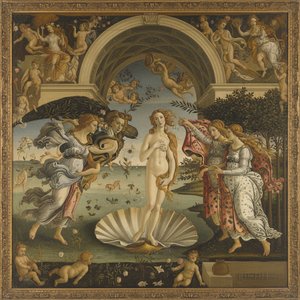
ボッティチェリの至宝25選:ルネサンス美術の華麗なる世界 | ArtsDot
ボッティチェリの至宝25選。ルネサンス美術を代表する「春」「ヴィーナスの誕生」など、名画の物語と芸術史を紐解きます。ArtsDotで高品質な複製画やインテリアアートを見つけ、お部屋に永遠の美を。今すぐコレクションをご覧ください。

Celestial Messengers: Angels in Painting – A Historical & Artistic Exploration
Explore the captivating history of angels in painting! Discover symbolism, iconic Renaissance & Byzantine masterpieces, and renowned artists. Expert insights for art lovers & collectors at ArtsDot.


