

 設置イメージを確認
 送る
送る シェア
シェア
 詳細情報
詳細情報 ガイドを表示

 画像をダウンロード
 似ている作品
 X線調査
X線調査 スライドショー
 Q&A
Q&A 統計情報
統計情報Tower


 続きを読む
続きを読む
このページに掲載されている作品は著作権法によって保護されており、当社の許可なく同一の複製物を制作または販売することは法律で禁じられています。この保護は、以下のような国際条約に基づき執行されます。 ベルヌ条約 および、以下の条項に定められたものを含む各国の法律により、 米国著作権法 第17編。
この手法は、著作権で保護された作品の複製や複写を伴わないため、著作権法に完全に準拠しています。これは単なる模倣ではなく、創造的な再解釈です。元の作品からインスピレーションを受けつつも、それとは異なる、全く新しい絵画を生み出すものです。
ジークレー/アートプリント
スピーディーな制作と多彩な仕上げオプションが魅力の、ミュージアムクオリティなジークレー・キャンバスプリント。 ( 手描きの複製画を注文する デジタル画像販売へ切り替え)




P118B ¥10

P118H ¥10

P118W ¥10

P438Z ¥10

P508JH ¥12

P508YH ¥12

P805H ¥10

P805Z ¥10

P919BZ ¥10

P919G ¥10

P919XJ ¥10

P959ZH ¥10

P968JZ ¥12

W106C ¥8

W218G ¥10

W218JH ¥8

W218Y ¥10

W307PJ ¥10

W316G ¥10

W316PJ ¥8

W316Y ¥10

W398PJ ¥8

W4111J ¥10

W500HY ¥15

W500JH ¥15

W692G ¥12

W849H ¥8

W940BG ¥15

W953PJ ¥8




作品のオリジナル比率に合わせた、当店の規定サイズからお選びください。

額縁や壁のスペースに合わせて、ご希望の幅と高さを入力してください。プリントはカットすることは可能ですが、元の画像より大きくすることはできないため、異なる比率のサイズを選択された場合は、画像の一部が欠けることになります。印刷を開始する前に、内容を確認していただくためのデジタルモックアップをお送りいたします。このページに表示されている画像は、実際のカット後の状態を示すものではありません。実際の仕上がりはモックアップにてご確認ください。


 ガラスオプションは、110cm未満のサイズでのみご利用いただけます。

Tower
ジークレー/アートプリント
複製画サイズ一覧
-


合計金額
¥ 9785
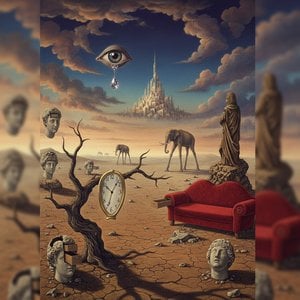
A Monumental Dreamscape: Exploring Salvador Dalí’s “Tower”
The painting "Tower," executed by Salvador Dalí in 1981, stands as a quintessential example of Surrealist artistry—a visual manifestation of the subconscious mind grappling with anxieties surrounding mortality and transformation. More than just an image, it's a meticulously crafted puzzle designed to provoke contemplation and elicit emotional resonance within the viewer. This essay delves into the multifaceted layers of meaning embedded within Dalí’s masterpiece, examining its stylistic innovations, technical prowess, and enduring significance in the broader context of Surrealist art history.The Style and Technique: Precision Amidst Illusion
Dalí's signature style—characterized by meticulous realism juxtaposed with fantastical distortions—is powerfully evident in “Tower.” While seemingly rooted in observation, the painting abandons conventional perspective, creating a disconcerting sense of spatial ambiguity. The tower itself is rendered with painstaking detail, employing oil paints on canvas to achieve an astonishing level of textural accuracy. Bricks and concrete textures dominate the structure, grounding it in an industrial aesthetic that subtly contrasts with the dreamlike atmosphere surrounding it. However, this apparent solidity is undermined by Dali’s masterful manipulation of scale and proportion—the tower looms disproportionately large against the diminutive figure positioned at its base, furthering the unsettling feeling of imbalance.Historical Context: Surrealism's Quest for Inner Truth
“Tower” emerged during Dalí’s prolific period following World War II, a time when Surrealist artists were actively engaged in exploring psychoanalytic theories championed by Sigmund Freud. Freud’s concept of the unconscious—the realm of repressed desires and irrational impulses—provided inspiration for Surrealists to liberate their imaginations from the constraints of logic and reason. Dalí's work aligns perfectly with this intellectual movement, reflecting a preoccupation with themes of decay, fragmentation, and metamorphosis – mirroring anxieties prevalent in post-war Europe. The painting’s imagery speaks directly to the existential concerns of its era, questioning notions of stability and confronting viewers with unsettling visions of vulnerability.Symbolism: Fractured Time and Ascending Fear
The symbolism within “Tower” is rich and complex. The tower itself represents ambition, aspiration, and perhaps even obsession—a futile attempt to conquer time and achieve unattainable heights. Its staircase ascends relentlessly upward, symbolizing a perilous journey towards an unknown destination, fraught with obstacles and anxieties. The solitary figure at the base embodies human insignificance against the backdrop of monumental forces – representing fear and vulnerability in the face of overwhelming grandeur. Furthermore, the prominent sun—positioned high above the tower—suggests illumination but also casts long shadows, hinting at impending darkness and highlighting the duality inherent in Dalí’s artistic vision.Emotional Impact: A Portrait of Psychological Tension
Ultimately, “Tower” succeeds in conveying a palpable sense of psychological tension. The painting's unsettling composition compels viewers to confront uncomfortable truths about mortality and the limitations of human endeavor. It evokes feelings of disorientation, apprehension, and perhaps even dread—a testament to Dalí’s ability to tap into primal emotions and translate them into unforgettable visual imagery. Its enduring appeal lies in its capacity to provoke introspection and stimulate dialogue about the nature of consciousness and the anxieties that underpin our deepest desires. “Tower” remains a powerful reminder that art can serve as a conduit for exploring the hidden recesses of the human psyche—a monumental dreamscape frozen in time, forever captivating those who appreciate its profound artistic merit.関連作品


アーティストについて
夢に沈みゆく人生:サルバドール・ダリの世界
シュルレアリスムという言葉と分かちがたく結びついた名、サルバドール・ドミンゴ・フェリペ・ヒアシント・ダリ・イ・ドメネクは、1904年5月11日、スペインの陽光降り注ぐ街、フィゲラスに生を受けた。彼の存在は、決して平凡なものではない運命を背負っていた。その生涯は、あたかも緻密に構成されたパフォーマンスであり、驚くべきイメージと卓越した技術を通じて可視化された、潜在意識への探求そのものだった。幼少期に訪れた喪失の影が、彼の魂に深く刻まれている。ダリが生まれるわずか9ヶ月前、彼と同じ「サルバドール」の名を持つ兄が亡くなったのである。このトラウマは、後の彼の作品に「二重性」や「代替」というテーマを吹き込むこととなった。厳格ながらも現実的な父と、慈愛に満ちた母との複雑な関係、そしてこの形成期の経験が、華々しくも深い内省を併せ持つ彼のパーソナリティを形作った。幼い頃から類まれな芸術的才能を見せていたダリは、マドリードのサン・フェルナンド美術アカデミーでの正統な訓練を通じてその力を養った。しかし、彼の中に伝統を打破し、独自の道を切り拓こうとする熱烈な情熱に火をつけたのは、印象派やルネサンスの巨匠たちといった近代絵画との決定的な出会いだったのである。
パリという試練と、シュルレアリスム的ヴィジョンの誕生
1926年のパリへの旅は、ダリにとって変革の瞬間となり、彼を前衛芸術運動の核心へと引き込んだ。彼はダダイズムの反逆精神に強く惹かれた。論理を拒絶し、不条理を受け入れるその姿勢は、彼自身の芽生えつつあった芸術的傾向と共鳴したのである。さらに重要なことに、パリでの経験こそが彼をシュルレアリスムへと完全に没入させた。アンドレ・ブルトン、ダリが深く崇拝したパブロ・ピカソ、そしてジョアン・ミロといった重要人物たちとの交流は、単なるスタイルの習得に留まらなかった。ダリは運動そのものを革命的に変革したのである。彼は「偏執狂的批判法」と名付けた独自の技法を開発した。これは、自らを意図的な妄想状態に陥らせることで、潜在意識に隠されたイメージを引き出す手法であった。この技法により、彼は夢や不安、そして極めて個人的な象徴を、驚くべき明晰さと緻密なディテールをもってキャンバスへと翻訳することを可能にした。その結果、溶ける時計、引き延ばされた影、歪んだ人物、そして奇妙な並置が支配する世界が誕生した。これらは、一目で彼と分かるほど象徴的なスタイルとなった。1931年に完成した記憶の固執は、おそらく彼の最も象徴的な作品であり、時間の流動性、記憶の儚さ、そして避けられない衰退というシュルレアリスムの探求の本質を見事に凝縮している。
キャンバスを超えて:多才で多面的な芸術家
ダリの創造性は、絵画という枠組みを遥かに超えて広がっていた。彼は驚くほど多作な芸術家であり、彫刻、映画(アルフレード・ヒッチコックとのスパイダー(Spellbound)やウォルト・ディズニーとの共同制作など)、グラフィックアート、宝飾デザイン、さらには舞台美術にまでその手を広げた。彼の探求心は伝統的な芸術媒体に留まらず、広告やウィンドウディスプレイのデザインを手がけるなど、商業芸術の境界をも押し広げた。彼の作品には、繰り返されるモチーフが脈打っている。腐敗を象徴するアリ、胎生と希望を表す卵、支えと脆弱性を示す松葉杖、隠された秘密を暗示する引き出し、そして現実の不安定さを体現する溶ける物体。これらのシンボルは決して恣意的なものではなく、彼自身の不安、欲望、記憶に深く根ざした個人的なものであった。喪失への痛切な探求であるジュリエットの墓、人工性とアイデンティティへの執着を反映したマネキン(バルセロナ・マネキン)、そして死の不穏な描写であるハエのある風景といった作品は、彼のテーマがいかに広範で深遠であるかを示している。長年の研鑽によって磨き上げられた緻密な技法は、これらの幻想的なヴィジョンを写真のような写実性をもって描き出し、その不安をかき立てる力をさらに増幅させたのである。
奇 eccentricity、遺産、そして永続する影響力
生涯を通じて、ダリは自らの芸術と同様に、華々しくエキセントリックなペルソナを構築し続けた。彼は大衆の注目を集めるための「スペクタクル」の力を理解しており、自己宣伝を積極的に活用した。1934年のガラ・エリュアールとの結婚は、個人的にも芸術的にも決定的な転換点となった。彼女は彼のミューズであり、ビジネスマネージャーであり、揺るぎない支持者となったのである。晩年は商業的な活動の増加や、時には論争を呼ぶフランコ体制への接近といった側面も見られたが、彼の芸術的遺産は計り知れないほど巨大なものである。1989年1月23日に世を去った彼が残した作品群は、今なお人々に挑戦を与え、挑発し、インスピレーションを与え続けている。フロリダ州セントピーターズバーグにあるサルバドール・ダリ美術館は、彼の不朽の魅力を証明する存在であり、膨大なコレクションを通じて、訪れる人々をこの類まれな芸術家の世界へと没入させてくれる。ダリは芸術の境界を超越し、ファッション、映画、広告、そしてポップカルチャーにその影響を見出すことができる文化的アイコンとなった。彼は20世紀で最も広く知られ、影響力を持った芸術家の一人であり続けている。潜在意識の深淵を探索し、その神秘を誰もが目にすることができるようキャンバスへと翻訳した、真の先見者であった。

サルバドール・ダリ
1904 - 1989 , スペイン
アーティスト情報
- フルネーム: サルバドール・ダリ
- 主な作品:
- 記憶の永存
- ジュリエットの墓
- マネキン
- 風景にハエ
- ガラの天使
- 出生地: スペイン、フィゲラス
- 国籍: スペイン
- 影響を与えたアーティスト:
- ポップアート
- 現代アーティスト
- 影響を受けたアーティスト:
- パブロ・ピカソ
- ジョアン・ミロ
- 死亡年月日: 1989年1月23日
- 生年月日: 1904年5月11日
- 芸術運動: シュルレアリスム
関連記事

Decoding Dalí: The Secrets of the Paranoiac-Critical Method and Surrealist Symbols
Unlock the mysteries of Salvador Dalí. Explore the profound secrets behind his Paranoiac-Critical Method and decode the surrealist symbols that define his legendary dreamscapes in this expert art history guide.

至高の芸術:シュルレアリスムを象徴する10選 – 夢と現実の境界線を超える
夢と現実が交差する、シュルレアリスムの10大傑作の世界へ。ダリ、マグリットなど巨匠たちの作品を深く探求し、アートの新たな次元を発見してください。ArtsDot.comで、至高の芸術をあなたの空間に取り入れましょう。
Salvador Dalí: Surrealism, Subconscious Exploration & Artistic Innovation
Explore the captivating world of Salvador Dalí! Discover his surrealist masterpieces, profound connection to Freud's theories, and lasting impact on art & culture. A deep dive into a visionary artist.

Surrealist Painting Masterpieces: 10 Artworks That Redefined Reality | ArtsDot
Journey into the dreamlike world of Surrealism! Explore 10 masterpieces by Dali, Magritte & Miró that redefined art. Discover their stories & find museum-quality reproductions to elevate your home decor on ArtsDot.com.

サルバドール・ダリ傑作25選:夢と深層心理を探求する美術の世界 | ArtsDot
サルバドール・ダリの傑作25選。夢、深層心理、シュルレアリスムの世界を旅する美術史ツアー🎨 ArtsDotで高品質な版画や絵画をお楽しみください。リビングやオフィスに名画を飾りませんか?今すぐコレクションをご覧ください!


