

 設置イメージを表示
 シェアする
シェアする シェアする
シェアする
 詳細を見る
詳細を見る ガイドを表示

 ダウンロード
 似ている作品
 X線調査
X線調査 スライドショーを表示
 Q&A
Q&A 統計情報
統計情報Bull (2) (1973)


 詳細を表示
詳細を表示
このページに掲載されている作品は著作権法によって保護されており、当社の許可なく同一の複製物を制作または販売することは法律で禁じられています。この保護は、以下のような国際条約に基づき執行されます。 ベルヌ条約 および、以下の条項に定められたものを含む各国の法律により、 米国著作権法 第17編。
この手法は、著作権で保護された作品の複製や複写を伴わないため、著作権法に完全に準拠しています。これは単なる模倣ではなく、創造的な再解釈です。元の作品からインスピレーションを受けつつも、それとは異なる、全く新しい絵画を生み出すものです。
ジークレー/アートプリント
スピーディーな制作と多彩な仕上げオプションが魅力の、ミュージアムクオリティなジークレー・キャンバスプリント。 ( 手描き複製画を注文する デジタル画像販売へ切り替え)




P118B ¥10

P118H ¥10

P118W ¥10

P438Z ¥10

P508JH ¥12

P508YH ¥12

P805H ¥10

P805Z ¥10

P919BZ ¥10

P919G ¥10

P919XJ ¥10

P959ZH ¥10

P968JZ ¥12

W106C ¥8

W218G ¥10

W218JH ¥8

W218Y ¥10

W307PJ ¥10

W316G ¥10

W316PJ ¥8

W316Y ¥10

W398PJ ¥8

W4111J ¥10

W500HY ¥15

W500JH ¥15

W692G ¥12

W849H ¥8

W940BG ¥15

W953PJ ¥8




作品のオリジナル比率に合わせた、当店の規定サイズからお選びください。

額縁や壁のスペースに合わせて、ご希望の幅と高さを入力してください。プリントはカットすることは可能ですが、元の画像より大きくすることはできないため、異なる比率のサイズを選択された場合は、画像の一部が欠けることになります。印刷を開始する前に、内容を確認していただくためのデジタルモックアップをお送りいたします。このページに表示されている画像は、実際のカット後の状態を示すものではありません。実際の仕上がりはモックアップにてご確認ください。


 ガラスオプションは、110cm未満のサイズでのみご利用いただけます。

Bull (2) (1973)
ジークレー/アートプリント
複製画サイズ一覧
-


合計金額
¥ 9988
Roy Lichtenstein’s ‘Bull (2)’ – A Pop Art Icon of Boldness and Contemplation
Roy Lichtenstein's “Bull (2),” created in 1973, is more than just a depiction of an animal; it’s a potent distillation of the artist’s signature Pop Art style—a vibrant explosion of color, simplified forms, and a deliberate engagement with the visual language of advertising and comic books. This particular iteration, part of a series exploring the motif of the bull, stands as a testament to Lichtenstein's ability to imbue seemingly mundane subjects with layers of meaning and emotional resonance. The painting immediately commands attention through its striking use of yellow and red – colors traditionally associated with energy, passion, and even danger – creating a dynamic visual tension that draws the viewer in.
The composition itself is deceptively simple. A stylized bull dominates the canvas, rendered in broad, flat areas of color rather than meticulously detailed brushstrokes. This technique, borrowed directly from Ben-Day dots used extensively in commercial printing, gives the image a graphic, almost mechanical quality. The repetition of these small squares creates an illusion of depth and texture, mimicking the effect of printed images. It’s a deliberate move away from traditional representational painting, signaling Lichtenstein's rejection of academic art conventions and his embrace of the visual culture surrounding him.
The Genesis of a Pop Visionary: Context and Influences
To fully appreciate “Bull (2),” it’s crucial to understand the context in which it was created. The 1970s were a period of significant social and cultural change, marked by consumerism, mass media saturation, and a growing skepticism towards established institutions. Pop Art emerged as a direct response to this environment, challenging traditional notions of artistic value and exploring the relationship between art and everyday life. Roy Lichtenstein’s work was deeply influenced by artists like Andy Warhol, who similarly appropriated imagery from advertising and popular culture. However, Lichtenstein's approach differed in its deliberate use of Ben-Day dots and his exploration of themes beyond mere replication – he sought to imbue these borrowed images with a sense of narrative and psychological depth.
Born in Manhattan in 1923, Roy Fox Lichtenstein’s artistic journey began with an interest in realistic drawing and painting. His early training at the Art Students League and subsequent studies at Ohio State University provided him with foundational skills, but it was his encounter with Reginald Marsh, a pioneering realist painter, that truly shaped his approach. Marsh's emphasis on direct observation and capturing the essence of subjects through simplified forms proved to be a key influence on Lichtenstein’s later work. His marriage to Dorothy Herzka (née Lichtenstein), also an artist and art historian, further enriched his intellectual and artistic life.
Decoding the Symbolism: Beyond the Surface
While superficially resembling a commercial print, “Bull (2)” invites deeper interpretation. The bull itself is a potent symbol – often associated with strength, virility, and aggression, but also with fertility and protection. In this context, it can be seen as representing primal forces or perhaps even the anxieties of a rapidly changing society. The vibrant yellow and red colors intensify these associations, creating a sense of urgency and dynamism. The simplified form, devoid of intricate detail, suggests an emotional state rather than a literal representation.
Interestingly, Lichtenstein’s exploration of the bull motif coincided with his interest in mythology and folklore. He frequently referenced ancient stories and symbols in his work, adding layers of historical and cultural significance to his Pop Art images. The series as a whole can be viewed as an investigation into the enduring power of archetypal imagery – how these fundamental symbols continue to resonate across time and cultures.
A Timeless Masterpiece: Reproduction and Interior Design
ArtsDot offers meticulously crafted, hand-painted reproductions of “Bull (2)” that capture the essence of Lichtenstein’s original work with remarkable fidelity. Our artists utilize traditional oil painting techniques to faithfully recreate the bold colors, graphic textures, and dynamic composition of this iconic piece. Whether you're a seasoned art collector or seeking to add a touch of Pop Art flair to your interior design scheme, our reproductions provide an authentic and affordable way to bring Lichtenstein’s vision into your home or office.
The scale and color palette of “Bull (2)” make it exceptionally versatile for various settings. Consider pairing it with complementary neutrals to allow the artwork's vibrancy to truly shine, or juxtapose it with more muted tones for a sophisticated contrast. Explore our range of sizes and framing options to find the perfect fit for your space – and experience the enduring appeal of this Pop Art masterpiece.
Q&A
Pop Artにおいて、「Bull (2) (1973)」はどの程度人気がありますか?
ロイ・リヒテンシュタイン作「Bull (2) (1973)」は、Iconicに分類され、Pop Artの様式に属しています。
「Bull (2) (1973)」の主題は、ロイ・リヒテンシュタインが普段扱うテーマとどのように関連していますか?
ロイ・リヒテンシュタインの作品に繰り返し現れるテーマにはcomic book aesthetics, consumerism, american iconography, popular culture, critique of mass media, pop art experimentation, bold colors, lichtenstein’s signature style”がありますが、「Bull (2) (1973)」ではpop art, yellow red, stripes, figure, graphic, bold, lichtensteinに焦点を当てています。
ロイ・リヒテンシュタイン作「Bull (2) (1973)」は、明るい色調の作品ですか、それとも暗い色調の作品ですか?
「Bull (2) (1973)」の全体的な明るさはbrilliantで、輝度はLuminousです。


作家プロフィール
Roy Lichtenstein:ポップアートのパイオニア
ポップアートという芸術運動を確立したロイ・リヒテンシュタインは、20世紀美術に革命的な変化をもたらしました。彼は単に時代を反映するだけでなく、日常的なイメージを魅力的な芸術作品に変え、従来の美術観を揺るがしました。ニューヨークで生まれ育った彼は、父親が不動産ブローカーを務め、母親がピアノ教師だった家庭環境の中で、豊かな文化意識と幼い頃からの芸術的才能を nurturedしました。美術館やコンサートへの露出に加え、ジャズ音楽への深い愛は彼の創造的な精神を育み、美術における伝統的な規範に挑戦する精神を養いました。初期の絵画ではリアリズムを追求しましたが、すぐに抽象表現主義の影響を受けました。彼はアルラン・カプロウとの出会いをきっかけに、芸術と商業の間にある境界線を問い直し、特にコミックブックや広告といった日常的なイメージに注目しました。生い立ちと教育
ロイ・フォックス・リヒテンシュタインは1923年10月27日にニューヨークで生まれました。彼は父親のミルトン・リヒテンシュタインが不動産ブローカーを務め、母親のビートリス・ウェーナー・リヒテンシュタインがピアノ教師だった家庭環境の中で育ちました。幼少の頃から美術館やコンサートに頻繁に出かけ、音楽にも情熱を注ぎ込みました。彼はフランクリン学校で教育を受け、その後オハイオ州立大学に進学しました。彼の芸術的な偶像はレンブラント、ダミエール、ピカソであり、特にピカソの作品 *グエルニカ* は彼にとって最も愛した絵画でした。美術における伝統的な規範への批判的な姿勢は、ホイット・L・シェーマンという教師によって奨励され、彼は芸術における認識に基づくアプローチを自身の精神に受け継ぎました。シェーマンの影響は彼の人生に大きな影響を与えました。彼は息子にホイットという名前を付け、1994年にはオハイオ州立大学にホイット・L・シェーマンスタジオアートセンターを設立するための資金を提供しました。抽象表現主義とポップアートへの転換
リヒテンシュタインの初期の作品は抽象表現主義の影響を受けていましたが、これは彼の芸術的な旅路における移行期でした。彼はルーズヴェルト大学でアルラン・カプロウと出会い、カプロウの影響を受け再びプロトポップイメージに興味を持ちました。この出会いは彼の芸術的な軌跡を変化させ、芸術と商業の境界線を問い直し、芸術における伝統的な規範に挑戦しました。彼はコミックブックや広告などの日常的なイメージからインスピレーションを得て絵画に取り組み始めました。リヒテンシュタインは美術における伝統的な規範に挑戦する姿勢はカプロウの影響を受けました。彼は息子にホイットという名前を付け、1994年にはオハイオ州立大学にホイット・L・シェーマンスタジオアートセンターを設立するための資金を提供しました。彼の芸術的な旅路はカプロウの影響を受けていました。彼は美術における伝統的な規範に挑戦する姿勢はカプロウの影響を受けました。彼は息子にホイットという名前を付け、1994年にはオハイオ州立大学にホイット・L・シェーマンスタジオアートセンターを設立するための資金を提供しました。彼の芸術的な旅路はカプロウの影響を受けていました。彼は美術における伝統的な規範に挑戦する姿勢はカプロウの影響を受けました。彼は息子にホイットという名前を付け、1994年にはオハイオ州立大学にホイット・L・シェーマンスタジオアートセンターを設立するための資金を提供しました。彼の芸術的な旅路はカプロウの影響を受けていました。彼は美術における伝統的な規範に挑戦する姿勢はカプロウの影響を受けました。彼は息子にホイットという名前を付け、1994年にはオハイオ州立大学にホイット・L・シェーマンスタジオアートセンターを設立するための資金を提供しました。彼の芸術的な旅路はカプロウの影響を受けていました。彼は美術における伝統的な規範に挑戦する姿勢はカプロウの影響を受けました。彼は息子にホイットという名前を付け、1994年にはオハイオ州立大学にホイット・L・シェーマンスタジオアートセンターを設立するための資金を提供しました。彼の芸術的な旅路はカプロウの影響を受けていました。彼は美術における伝統的な規範に挑戦する姿勢はカプロウの影響を受けました。彼は息子にホイットという名前を付け、1994年にはオハイオ州立大学にホイット・L・シェーマンスタジオアートセンターを設立するための資金を提供しました。彼の芸術的な旅路はカプロウの影響を受けていました。彼は美術における伝統的な規範に挑戦する姿勢はカプロウの影響を受けました。彼は息子にホイットという名前を付け、1994年にはオハイオ州立大学にホイット・L・シェーマンスタジオアートセンターを設立するための資金を提供しました。彼の芸術的な旅路はカプロウの影響を受けていました。彼は美術における伝統的な規範に挑戦する姿勢はカプロウの影響を受けました。彼は息子にホイットという名前を付け、1994年にはオハイオ州立大学にホイット・L・シェーマンスタジオアートセンターを設立するための資金を提供しました。彼の芸術的な旅路はカプロウの影響を受けていました。彼は美術における伝統的な規範に挑戦する姿勢はカプロウの影響を受けました。彼は息子にホイットという名前を付け、1994年にはオハイオ州立大学にホイット・L・シェーマンスタジオアートセンターを設立するための資金を提供しました。彼の芸術的な旅路はカプロウの影響を受けていました。彼は美術における伝統的な規範に挑戦する姿勢はカプロウの影響を受けました。彼は息子にホイットという名前を付け、1994年にはオハイオ州立大学にホイット・L・シェーマンスタジオアートセンターを設立するための資金を提供しました。彼の芸術的な旅路はカプロウの影響を受けていました。彼は美術における伝統的な規範に挑戦する姿勢はカプロウの影響を受けました。彼は息子にホイットという名前を付け、1994年にはオハイオ州立大学にホイット・L・シェーマンスタジオアートセンターを設立するための資金を提供しました。彼の芸術的な旅路はカプロウの影響を受けていました。彼は美術における伝統的な規範に挑戦する姿勢はカプロウの影響を受けました。彼は息子にホイットという名前を付け、1994年にはオハイオ州立大学にホイット・L・シェーマンスタジオアートセンターを設立するための資金を提供しました。彼の芸術的な旅路はカプロウの影響を受けていました。彼は美術における伝統的な規範に挑戦する姿勢はカプロウの影響を受けました。彼は息子にホイットという名前を付け、1994年にはオハイオ州立大学にホイット・L・シェーマンスタジオアートセンターを設立するための資金を提供しました。彼の芸術的な旅路はカプロウの影響を受けていました。彼は美術における伝統的な規範に挑戦する姿勢はカプロウの影響を受けました。彼は息子にホイットという名前を付け、1994年にはオハイオ州立大学にホイット・L・シェーマンスタジオアートセンターを設立するための資金を提供しました。彼の芸術的な旅路はカプロウの影響を受けていました。彼は美術における伝統的な規範に挑戦する姿勢はカプロウの影響を受けました。彼は息子にホイットという名前を付け、1994年にはオハイオ州立大学にホイット・L・シェーマンスタジオアートセンターを設立するための資金を提供しました。彼の芸術的な旅路はカプロウの影響を受けていました。彼は美術における伝統的な規範に挑戦する姿勢はカプロウの影響を受けました。彼は息子にホイットという名前を付け、1994年にはオハイオ州立大学にホイット・L・シェーマンスタジオアートセンターを設立するための資金を提供しました。彼の芸術的な旅路はカプロウの影響を受けていました。彼は美術における伝統的な規範に挑戦する姿勢はカプロウの影響を受けました。彼は息子にホイットという名前を付け、1994年にはオハイオ州立大学にホイット・L・シェーマンスタジオアートセンターを設立するための資金を提供しました。彼の芸術的な旅路はカプロウの影響を受けていました。彼は美術における伝統的な規範に挑戦する姿勢はカプロウの影響を受けました。彼は息子にホイットという名前を付け、1994年にはオハイオ州立大学にホイット・L・シェーマンスタジオアートセンターを設立するための資金を提供しました。彼の芸術的な旅路はカプロウの影響を受けていました。彼は美術における伝統的な規範に挑戦する姿勢はカプロウの影響を受けました。彼は息子にホイットという名前を付け、1994年にはオハイオ州立大学にホイット・L・シェーマンスタジオアートセンターを設立するための資金を提供しました。彼の芸術的な旅路はカプロウの影響を受けていました。彼は美術における伝統的な
ロイ・リヒテンシュタイン
1923 - 1997 , アメリカ合衆国
プロフィール概要
- Artistic Movement Or Style: ポップアート
- Artists Who Influenced This Artist:
- レジナールド・マーシュ
- アラン・カプロウ
- Date Of Birth: 1923年10月27日
- Date Of Death: 1997年9月29日
- Full Name: Roy Fox Lichtenstein
- Nationality: アメリカ人
- Notable Artworks:
- ワーム!
- ドゥーイングガール
- マスタースピス
- Place Of Birth: ニューヨーク市、アメリカ合衆国
関連記事
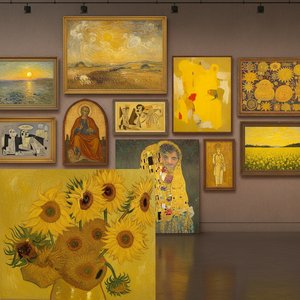
Golden Hues: 10 Masterpieces Dominated by Chrome Yellow | ArtsDot
Immerse yourself in golden light! Explore 10 famous paintings dominated by 'Chrome Yellow', from Van Gogh’s Sunflowers to Monet's Haystacks. Discover the stories behind these iconic Impressionist & Post-Impressionist masterpieces and find museum-quality art reproductions at ArtsDot.com.

The Psychology of the Palette: Decoding Roy Lichtenstein’s Bold Color Theory
Explore the vibrant psychology behind Roy Lichtenstein’s color theory. Discover how Ben-Day dots and primary colors revolutionized Pop Art, transforming mass media into timeless masterpieces for modern collectors and interior design enthusiasts.

ポップアートを定義した至宝:時代を彩る10の傑作と、その深遠なる魅力
ポップアートを象徴する10の傑作。ウォーホル、リキテンスタイン…時代を彩る名画の世界を紐解き、その深遠なる魅力に触れる。ArtsDot.comで、ミュージアムクオリティのアートプリントと洗練されたインテリアアイデアを発見してください。

Beyond the Ben-Day Dots: Roy Lichtenstein's Pop Art Revolution & Enduring Legacy
Explore Roy Lichtenstein's revolutionary Pop Art! Discover the story behind Ben-Day dots, iconic works like 'Whaam!', and investment insights for collectors. Expert analysis & high-quality reproductions at ArtsDot.

ロイ・リキテンスタイン傑作25選:ポップアートの革新と現代美術への影響 | ArtsDot
ロイ・リキテンスタインの傑作25選。ポップアートを代表する画家、その技法と時代背景を紐解きます。ベンデイ・ドット、コミック表現…ArtsDotで高品質な複製画やインテリアアートを見つけ、空間にモダンアートの息吹を吹き込みましょう。全作品はこちらから: ArtsDot.com


