


 設置イメージを確認
 送る
送る シェア
シェア
 詳細情報
詳細情報 ガイドを表示

 画像をダウンロード
 似ている作品
 X線調査
X線調査 スライドショー
 統計情報
統計情報Signs
 Screenprint
- Pop Art
 1970
1970- Modern
 89.0 x 67.0 cm
 続きを読む
続きを読む
このページに掲載されている作品は著作権法によって保護されており、当社の許可なく同一の複製物を制作または販売することは法律で禁じられています。この保護は、以下のような国際条約に基づき執行されます。 ベルヌ条約 および、以下の条項に定められたものを含む各国の法律により、 米国著作権法 第17編。
この手法は、著作権で保護された作品の複製や複写を伴わないため、著作権法に完全に準拠しています。これは単なる模倣ではなく、創造的な再解釈です。元の作品からインスピレーションを受けつつも、それとは異なる、全く新しい絵画を生み出すものです。
ジークレー/アートプリント
スピーディーな制作と多彩な仕上げオプションが魅力の、ミュージアムクオリティなジークレー・キャンバスプリント。 ( 手描きの複製画を注文する デジタル画像販売へ切り替え)




P118B ¥10

P118H ¥10

P118W ¥10

P438Z ¥10

P508JH ¥12

P508YH ¥12

P805H ¥10

P805Z ¥10

P919BZ ¥10

P919G ¥10

P919XJ ¥10

P959ZH ¥10

P968JZ ¥12

W106C ¥8

W218G ¥10

W218JH ¥8

W218Y ¥10

W307PJ ¥10

W316G ¥10

W316PJ ¥8

W316Y ¥10

W398PJ ¥8

W4111J ¥10

W500HY ¥15

W500JH ¥15

W692G ¥12

W849H ¥8

W940BG ¥15

W953PJ ¥8




作品のオリジナル比率に合わせた、当店の規定サイズからお選びください。

額縁や壁のスペースに合わせて、ご希望の幅と高さを入力してください。プリントはカットすることは可能ですが、元の画像より大きくすることはできないため、異なる比率のサイズを選択された場合は、画像の一部が欠けることになります。印刷を開始する前に、内容を確認していただくためのデジタルモックアップをお送りいたします。このページに表示されている画像は、実際のカット後の状態を示すものではありません。実際の仕上がりはモックアップにてご確認ください。


 ガラスオプションは、110cm未満のサイズでのみご利用いただけます。

Signs
ジークレー/アートプリント
複製画サイズ一覧
-


合計金額
¥ 9758
A Tapestry of Turmoil: The Visionary Collage of Robert Rauschenberg
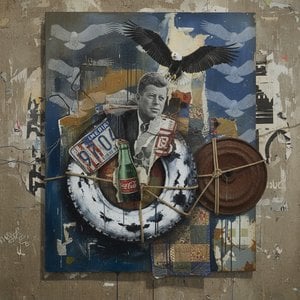
In the landscape of twentieth-century art, few works possess the visceral, haunting power of Robert Rauschenberg’s Signs. Created in 1970, this masterful screenprint serves as a profound visual eulogy for the 1960s, a decade defined by both unprecedented social progress and staggering tragedy. As a prominent figure in the Pop Art movement, Rauschenberg moved beyond mere representation, instead utilizing a complex, layered montage to capture the fragmented psyche of an era in flux. The artwork does not merely depict history; it breathes it, pulling the viewer into a swirling vortex of political upheaval, cultural revolution, and the heavy weight of collective memory.
The composition is a breathtakingly intricate collage, where images from the zeitgeist overlap in a dreamlike, almost chaotic dance. At first glance, the eye is drawn to the vibrant yet somber figures that populate this psychic landscape. The presence of Janis Joplin, bathed in a symbolic wash of crimson, evokes the raw, soulful energy of the blues and the tragic loss of a cultural icon. Nearby, the faces of political giants like John F. Kennedy and Robert Kennedy emerge through the layers, their legacies inextricably linked to the era's violence. Rauschenberg masterfully weaves these disparate threads together, using the technique of screenprinting to create textures that feel both industrial and deeply personal, much like a newspaper clipping brought to life with painterly intention.
Symbolism and the Duality of Human Experience
Beyond its historical documentation, Signs operates on a profound symbolic level, exploring the tension between despair and hope. The imagery of wounded soldiers and the poignant depiction of civil rights struggles—notably the figure reaching over the fallen Martin Luther King Jr.—anchors the piece in the grim realities of war and systemic injustice. These elements create an emotional gravity that is difficult to escape. Yet, amidst this heavy atmosphere of conflict, Rauschenberg introduces a striking note of transcendence. The inclusion of an astronaut at the bottom left, his helmet reflecting the lunar landing, provides a luminous contrast. This small, reflective window into the cosmos serves as a metaphor for human achievement and the infinite possibilities of exploration, standing in quiet defiance against the terrestrial chaos.
For the discerning collector or interior designer, this piece offers more than just visual interest; it offers a conversation. The way the images float and intersect creates a sense of depth that invites prolonged contemplation. It is a work that demands attention, making it a commanding centerpiece for any sophisticated space. Whether placed in a gallery-style setting or a modern living environment, Signs acts as a window into a pivotal moment in human history, reminding us of our capacity for both great destruction and extraordinary resilience.
A Legacy of Defiance and Artistic Innovation
The history of the work itself is as compelling as its imagery. Originally commissioned by Newsweek to commemorate the end of the decade, the piece was famously rejected by the magazine, likely due to its unflinching and politically charged content. This rejection, however, only solidified the work's legendary status. Through the intervention of the renowned dealer Leo Castelli, the screenprint was released as a limited edition, ensuring that Rauschenberg’s uncompromising vision reached the world. This spirit of defiance is etched into every layer of the print, making it an essential acquisition for those who value art that challenges the status quo.
Owning a high-quality reproduction of Signs allows one to bring this monumental piece of Pop Art history into their personal collection. It is an opportunity to possess a fragment of the twentieth century's most transformative era—a work that captures the very essence of change, struggle, and the enduring human spirit. Through its masterful use of color, texture, and historical iconography, Rauschenberg’s creation remains as relevant and thought-provoking today as it was at the dawn of the 1970s.
よくあるご質問
「Signs」はどの様式に属していますか?
ロバート・ラウシェンバーグ作「Signs」はPop Artに属しています。このムーブメントは、本作の様式的な背景を形作るものです。
ロバート・ラウシェンバーグ作「Signs」は、どのようなシーンへの贈り物としておすすめですか?
ロバート・ラウシェンバーグ作「Signs」は、Corporate Giftへの贈り物としておすすめです。こちらの作品の複製画を、プレゼントとしてお贈りいただけます。
「Signs」の形状とサイズを教えてください。
ロバート・ラウシェンバーグ作「Signs」は、サイズ89 x 67 cmのPortrait作品です。


アーティストについて
生い立ちと芸術への目覚め
ロバート・ラウシェンバーグ、本名ミルトン・アーネスト・ラウシェンバーグは、1925年にテキサス州ポートアーサーの石油利権地帯で生まれました。彼の幼少期は定住することなく、父親の仕事の関係で各地を転々としました。この遊牧生活の中で、彼は多様な視覚的刺激に触れ、変化を受け入れる柔軟性を身につけました。アメリカの風景や人々の営みから得た感覚は、その後の芸術探求において重要な要素となります。テキサス大学では薬学を専攻しましたが、すぐに芸術へと進む道を選びます。第二次世界大戦中は海軍で勤務し、その後カンザスシティ美術館で学び、そしてノースカロライナ州のブラック・マウンテン・カレッジで研鑽を積みました。この先駆的なアヴァンギャルドな教育機関では、ヨーゼフ・アルバース、マーキュ・ダンニングハム、ジョン・ケージ、サイ・トゥオンブリーといった卓越した才能たちと出会い、彼の実験精神は大きく開花しました。ブラック・マウンテン・カレッジでの経験は単なる教育の場ではなく、芸術に対する新たな感性を育むための坩堝であり、既存の規範に挑戦する姿勢の基礎を築きました。「コンバイン」の誕生
ラウシェンバーグの最も重要な功績は、絵画、彫刻、アッサンブラージュの境界線を曖昧にする革新的な「コンバイン」です。これらの作品は、単なる絵画や彫刻ではありませんでした。タイヤや木片といった日常の廃棄物から、写真、新聞 clippings、時には剥製動物まで、あらゆる素材を組み合わせた複雑な構成体でした。この大胆な試みは、芸術とは何かという根源的な問いかけであり、抽象表現主義の主流に対する意識的な反抗でした。彼のスタイルは、大衆文化のイメージや現代生活の残骸を取り込むことで進化しました。ダダイズムの反芸術的姿勢とマルセル・ドゥシャンのレディメイド作品に影響を受け、ラウシェンバーグは技術的な熟練度や独創性だけが芸術の価値ではないことを示しました。彼は偶然性、自発性、予期せぬ要素を創造プロセスに取り入れ、素材そのものが持つ物語性を作品に加えることを重視しました。モノグラムは、自動車タイヤの上に据えられた剥製ヤギの頭部という衝撃的な組み合わせで、消費文化、腐敗、有機物と工業製品の衝突を象徴する最も有名な作品です。この異質な組み合わせは単なる美的表現ではなく、社会に対する哲学的な声明でした。地平線を広げる:シルクスクリーン、パフォーマンス、そしてその先へ
ラウシェンバーグの芸術的探求は「コンバイン」にとどまりませんでした。彼は常に新しい技法や素材を試し、境界線を押し広げ続けました。1960年代初頭に彼が積極的に取り入れたシルクスクリーン印刷は、Retroactive I & II のような作品を通して、新聞や雑誌の画像を作品に取り込み、時代の政治的・社会的な不安を反映し、ポップアートの普及を先導しました。Overseas Tech Series (1964) は、イタリアとフランスへの旅行中に作成された転写技法を用いたシリーズで、海外で撮影した写真とシルクスクリーン印刷画像を組み合わせることで、文化交流やグローバル化というテーマを探求しました。しかし彼の影響は視覚芸術にとどまらず、振付家マーキュ・ダンニングハムとのコラボレーションもまた重要な役割を果たしました。これらのパートナーシップは、ダンスと視覚芸術を融合させた画期的なパフォーマンス作品を生み出し、従来の芸術表現の概念に挑戦しました。彼は単にオブジェクトやイメージを作成するのではなく、環境を構築し、イベントをオーケストレートすることで、より包括的な芸術制作のアプローチを示しました。この協調性は、芸術が伝統的な境界線を越えてより広い聴衆と関わる可能性を信じる彼の信念を反映していました。永続的な遺産
ロバート・ラウシェンバーグはアメリカ美術に計り知れない影響を与えました。彼は抽象表現主義とポップアートの橋渡し役となり、その後のアプロプリエーション、コラージュ、複合メディアアーティストたちの道を切り開きました。「コンバイン」は芸術の定義を根本的に変え、絵画や彫刻の伝統的な概念に挑戦し、芸術表現の可能性を飛躍的に拡大しました。彼は単にオブジェクトを作成するのではなく、現代生活の複雑さと矛盾を反映した環境を構築していました。ラウシェンバーグの素材への意欲、偶然性の受容、大衆文化との関わりは、後続の多くのアーティストたちに大きなインスピレーションを与えました。彼の作品は世界中の主要な美術館で展示され、現代美術における芸術、テクノロジー、日常生活の交差点を探求するアーティストたちの重要な源泉となっています。彼は単なる作品群だけでなく、私たちが芸術とは何か、そしてそれが周りの世界とどのように相互作用するかを再考することを促す革新の遺産を残しました。彼の影響は今日でも響き渡り、境界線を押し広げ、新しい創造的な表現形式を探求するアーティストたちの存在感を確固たるものにしています。主要なテーマと影響
- ダダイズムとマルセル・ドゥシャンの影響: ラウシェンバーグの既製品の使用と伝統的な芸術的価値観への拒絶は、ダダイ運動の反芸術的姿勢とドゥシャンの「レディメイド」という概念から直接の影響を受けています。
- 抽象表現主義のその後: 彼は意識的に抽象表現主義の感情的な強度と主観的な表現から離れ、より客観的で包括的なアプローチを追求しました。
- 大衆文化と大量メディア: ラウシェンバーグは新聞、雑誌、広告などのイメージを取り入れ、アメリカ社会における大量メディアの影響力を反映しました。
- コラボレーションと学際性: マーキュ・ダンニングハムやジョン・ケージとのコラボレーションは、芸術的交流の力と学際的な境界線の曖昧さを実証しました。
- 偶然性と自発性: 彼は創造プロセスに偶然性の要素を取り入れ、予期せぬ組み合わせを可能にし、新たな可能性への開放性を生み出しました。

ロバート・ラウシェンバーグ
1925 - 2008 , アメリカ合衆国
アーティスト情報
- Artistic Movement Or Style: ポップアート、ネオ・ダダ
- Artists Or Movements Influenced By This Artist:
- ポップアート
- ミクストメディア
- Artists Who Influenced This Artist: ['マルセル・デュシャン']
- Date Of Birth: 1925年
- Date Of Death: 2008年
- Full Name: ロバート・ラウシェンバーグ
- Nationality: アメリカ人
- Notable Artworks (List Of Titles):
- モノグラム
- Untitled (Runt)
- Black Painting
- Place Of Birth (City And Country): テキサス州ポートアーサー
関連記事

ポップアートを定義した至宝:時代を彩る10の傑作と、その深遠なる魅力
ポップアートを象徴する10の傑作。ウォーホル、リキテンスタイン…時代を彩る名画の世界を紐解き、その深遠なる魅力に触れる。ArtsDot.comで、ミュージアムクオリティのアートプリントと洗練されたインテリアアイデアを発見してください。
Robert Rauschenberg: Bridging Painting & Life – A Comprehensive Exploration of Combines, Silkscreens, and the Erasure of Boundaries
Explore the revolutionary art of Robert Rauschenberg – Combines, silkscreens & more. Discover his impact on Pop Art, investment potential & collecting insights for discerning art collectors.

Pop Surrealism: A Collision of Culture, Dreams & the Subconscious in Post-War Art
Explore the captivating world of Pop Surrealism with ArtsDot. Discover key artists like George Condo & Robert Williams, investment potential, and the movement's cultural impact. Expert insights for collectors.

ロイ・リキテンスタイン傑作25選:ポップアートの革新と現代美術への影響 | ArtsDot
ロイ・リキテンスタインの傑作25選。ポップアートを代表する画家、その技法と時代背景を紐解きます。ベンデイ・ドット、コミック表現…ArtsDotで高品質な複製画やインテリアアートを見つけ、空間にモダンアートの息吹を吹き込みましょう。全作品はこちらから: ArtsDot.com

Challenging Conventions: Pop Art's Origins, Evolution & Enduring Legacy
Explore the fascinating history of Pop Art, from its rebellious origins to its enduring influence on contemporary artists. Discover key figures like Warhol & Lichtenstein and learn about collecting this iconic movement.
