

 設置イメージを表示
 シェアする
シェアする シェアする
シェアする
 詳細を見る
詳細を見る ガイドを表示

 ダウンロード
 似ている作品
 X線調査
X線調査 スライドショーを表示
 Q&A
Q&A 統計情報
統計情報Landscape

- 25.0 x 34.0 cm


 詳細を表示
詳細を表示
ジークレー/アートプリント
スピーディーな制作と多彩な仕上げオプションが魅力の、ミュージアムクオリティなジークレー・キャンバスプリント。 ( 手描き複製画を注文する デジタル画像販売へ切り替え)




































作品のオリジナル比率に合わせた、当店の規定サイズからお選びください。

額縁や壁のスペースに合わせて、ご希望の幅と高さを入力してください。プリントはカットすることは可能ですが、元の画像より大きくすることはできないため、異なる比率のサイズを選択された場合は、画像の一部が欠けることになります。印刷を開始する前に、内容を確認していただくためのデジタルモックアップをお送りいたします。このページに表示されている画像は、実際のカット後の状態を示すものではありません。実際の仕上がりはモックアップにてご確認ください。


 ガラスオプションは、110cm未満のサイズでのみご利用いただけます。

Landscape
ジークレー/アートプリント
複製画サイズ一覧
-


合計金額
¥ 9778
Artistic Style and Influences
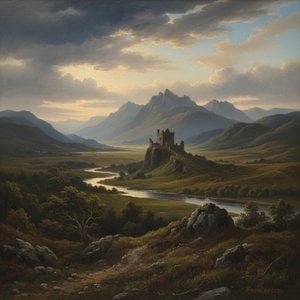
Robert Lillie's work can be compared to other notable artists, such as George Benjamin Luks, who created the captivating oil painting Blue Devils on Fifth Avenue. Both artists have a unique style that sets them apart from others. The Landscape painting is also reminiscent of the works found in the The Museum Gwynedd County Council Collection in Caernarfon, United Kingdom. Key Features of the painting include:- A beautiful valley with mountains in the background
- Lush green grass and trees
- A river running through the scene
- Several people scattered throughout the scene
Availability and Reproductions
The original Landscape painting by Robert Lillie is available for viewing at the Lillie Art Gallery in the United Kingdom. However, for those who cannot visit the gallery, ArtsDot.com offers handmade oil painting reproductions of the artwork. These reproductions are created by skilled artists and are a great way to own a piece of art history.The Landscape painting by Robert Lillie is a must-see for anyone who appreciates beautiful artwork and nature. With its unique style and captivating scenery, it is a great addition to any art collection. For more information on the painting and other artworks by Robert Lillie, visit ArtsDot.com.
Q&A
「Landscape」の高解像度ダウンロード版は購入可能ですか?
Robert Lillie作「Landscape」のデジタルファイルをご希望の場合は、高解像度デジタル画像ページより高解像度デジタル画像のダウンロードをご注文ください。
Robert Lillie作「Landscape」 の色彩的な特徴は何ですか?
Robert Lillie作「Landscape」はEarthyのパレットを使用しており、Clay (#916d2f)が基調となっています。
「Landscape」は、Robert Lillieのこれまでの作風を象徴するものと言えるでしょうか?
「Landscape」はlandscape, valley, mountains, river, greenery, serenity, rural, natureを描いていますが、Robert Lillieのこれまでの主要なテーマはscottish landscapes, nature's beauty, serene depictions", luks, gwynedd collection, impressionism, rural life, tranquilityです。この二つを比較することで、本作が作家の恒常的な主題とどのように結びついているかが浮き彫りになります。
関連作品


作家プロフィール
A Life Immersed in Scottish Light: The World of Robert Lillie
Robert Lillie, born in 1867 and passing in 1949, was a painter deeply entwined with the spirit of Scotland. While not a name immediately recognized alongside the giants of Victorian art, his work offers a compelling window into the quieter moments of Scottish life and landscape painting during a period of significant change. Lillie wasn’t an artist who sought radical innovation; instead, he dedicated himself to capturing the subtle beauty of his surroundings with remarkable skill and sensitivity. His paintings are not grand statements but intimate observations—a gentle ripple on a loch, the soft glow of twilight over a coastal scene, the quiet dignity of everyday life in rural communities. He was a master of atmosphere, using light and color to evoke a sense of place and mood that resonates deeply with viewers even today.Early Years and Artistic Development
Details surrounding Lillie’s early life remain somewhat sparse, but it is known he received his artistic training at the Glasgow School of Art. This institution was undergoing a period of transformation during his time there, moving away from rigid academic styles towards a more naturalistic approach influenced by the Barbizon school and emerging Impressionism. While Lillie didn't fully embrace the radical techniques of the later Impressionists, this influence is visible in his loose brushwork and focus on capturing fleeting moments of light. He quickly established himself as a painter of Scottish landscapes, drawn to the dramatic scenery of the Highlands and Islands, but also finding beauty in the more subtle charms of the Lowlands. His early works often depict scenes along the River Clyde, showcasing the industrial activity alongside the natural world—a reflection of Scotland’s evolving identity during the late 19th century.Themes and Techniques: A Palette of Serenity
Lillie's oeuvre is characterized by a consistent focus on Scottish landscapes and genre scenes. He painted rivers – particularly the Orchy River, which became a recurring motif in his work – lochs, coastal views, and depictions of rural life. His technique was rooted in traditional oil painting methods, but he employed a softer palette than many of his contemporaries, favoring muted tones and subtle gradations of color to create atmospheric effects. He wasn’t interested in dramatic contrasts or bold statements; instead, he sought to capture the quiet beauty of the Scottish countryside.- Light and Atmosphere: Lillie was a master of capturing light, particularly the soft, diffused light characteristic of Scotland. His paintings often evoke a sense of tranquility and peace.
- Genre Scenes: Alongside landscapes, he painted scenes of everyday life in rural Scotland, depicting figures engaged in work or leisure activities with sensitivity and dignity.
- Brushwork: While rooted in traditional techniques, his brushwork is often loose and expressive, contributing to the atmospheric quality of his paintings.
Later Life and Legacy
Lillie continued to paint throughout his life, exhibiting regularly at galleries across Scotland and beyond. While he never achieved widespread fame during his lifetime, his work was appreciated by collectors and critics for its technical skill and evocative atmosphere. Today, Robert Lillie’s paintings are increasingly recognized as important examples of Scottish landscape painting from the late 19th and early 20th centuries. His works offer a valuable glimpse into a Scotland undergoing rapid change—a world where traditional ways of life were slowly giving way to modernity. He stands as a testament to the enduring power of observation, capturing the essence of a place and time with quiet grace and remarkable skill. His paintings are not merely representations of landscapes; they are evocations of mood, memory, and the subtle beauty of the Scottish countryside.
Robert Lillie
1867 - 1949
プロフィール概要
- Full Name: Robert Lillie
- Nationality: British
- Date Of Birth: 1867
- Date Of Death: 1949
- Place Of Birth: Milngavie, Scotland
- Notable Artworks:
- The Clyde at Bowling
- Landscape
- Artistic Movement Or Style: Impressionism
関連記事

David Roberts: A Scottish Pioneer of Topographical Art & Orientalist Vision
Explore the captivating world of David Roberts, a pioneering Scottish painter renowned for his detailed Orientalist scenes & stunning Egyptian landscapes. Discover his legacy and find museum-quality reproductions at ArtsDot.

Robert Lillie: A Study in Victorian Genre Painting and Domestic Narrative
Explore the captivating Victorian genre paintings of Robert Lillie (1867-1949). Discover his serene Scottish landscapes and intimate domestic scenes, reflecting a unique artistic vision. Learn about his life, style & legacy.
Alexander Nasmyth: Picturing Scotland's Romantic Landscape – Innovation & Identity
Explore the life & art of Alexander Nasmyth, a pivotal figure in Scottish Romantic landscape painting. Discover his iconic works, including portraits of Robert Burns, and learn about his lasting influence on national identity. Fine art reproductions available.

Evocations of Place: A Historical Journey Through Landscape Art
Explore the rich history of landscape art with ArtsDot. Discover renowned artists, movements like Impressionism & Romanticism, and expert guidance for collecting timeless pieces. Find your perfect serene escape today!

ロマン派ランドスケープ:時代を彩る巨匠の10選|アートとインテリアの世界
ロマン派絵画の時代を彩る10選。巨匠たちの風景が織りなす感動の世界へ。ターナー、ルーベンスなど、名作の裏話と高精細複製でアートをお部屋に。ArtsDot.comで至福のアート体験を。