

 プレビュー
プレビュー
 シェアする
シェアする シェアする
シェアする
 詳細を見る
詳細を見る

 ダウンロード
 似ている作品
 X線調査
X線調査 スライドショー
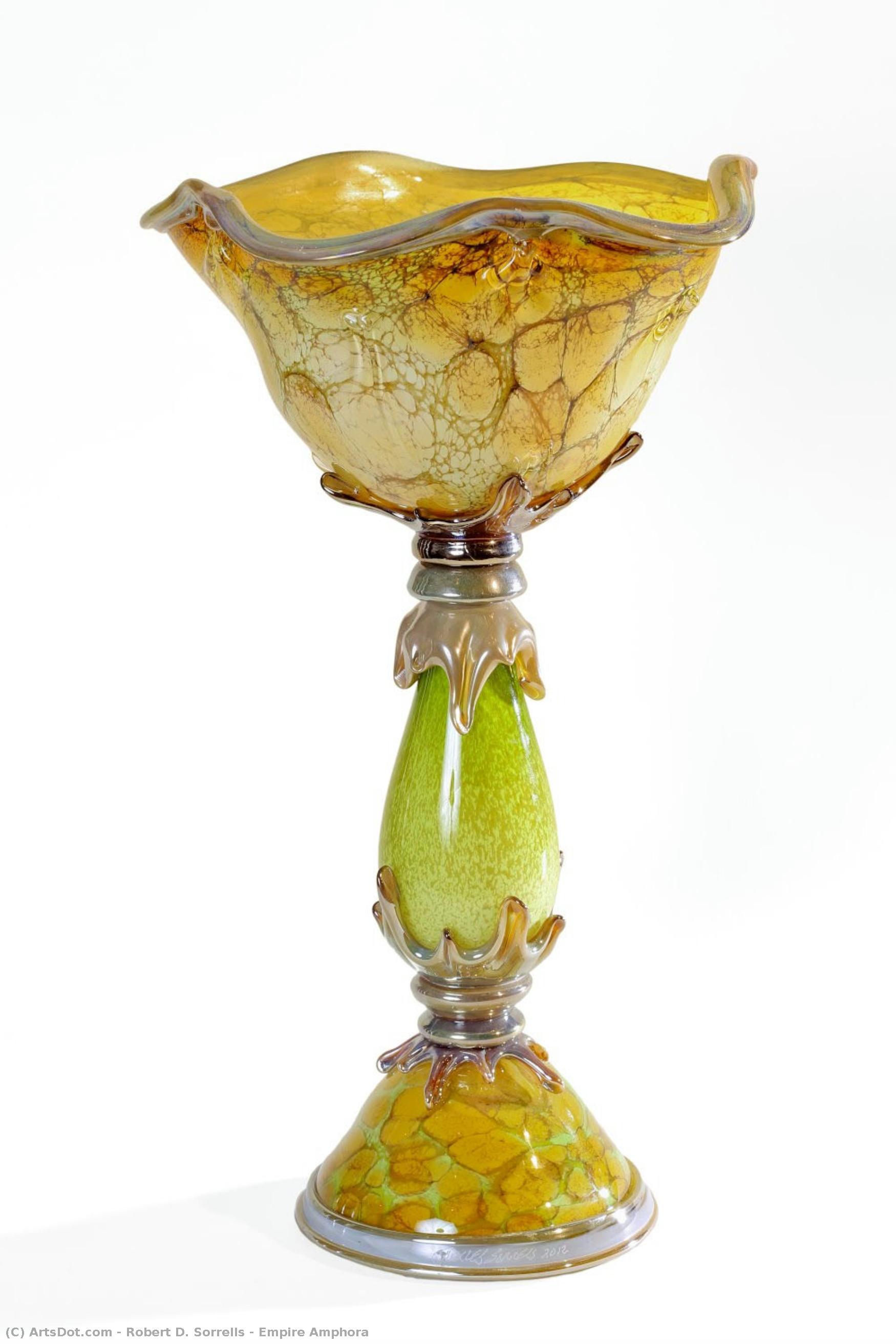
Empire Amphora

 詳細を見る
詳細を見る
ジークレー/アートプリント
迅速な制作と多彩な仕上げオプションを備えた、ミュージアムクオリティのジークレーまたはキャンバスプリント。 ( 手描き画への切り替え 画像に切り替え)




































作品のオリジナル比率に合わせた、当店の規定サイズからお選びください。

特定のフレームやスペースに合わせて、ご自身でサイズを指定することも可能です。選択されたサイズが元の画像の比率と一致しない場合、作品をトリミングするか、鏡面反射または単色での塗りつぶしによって画像を拡張いたします。制作を開始する前に、ご確認用のデジタルモックアップをお送りいたします。
画面上のプレビューには、実際のトリミングや拡張は反映されませんのでご注意ください。最終的な構図を正確に確認できるのは、モックアップのみとなります。
カスタムサイズも承っておりますが、元の比率を維持するためには、あらかじめ用意されたリストからサイズを選択することをお勧めいたします。


 ガラスオプションは、110cm未満のサイズでのみご利用いただけます。

Empire Amphora
ジークレー/アートプリント
複製画のサイズ
-


合計金額
$ 63
作品詳細説明
アーティストの略歴
A Life Intertwined with Shadows: The Unexpected Journey of Robert D. Sorrells
Robert D. Sorrells, a name that resonates with an unusual duality – the bright lights of television and film juxtaposed against the stark reality of a life tragically derailed. Born on June 29, 1930, in Dallas, Texas, Sorrells embarked on a career path seemingly destined for creative expression. His early foray into acting saw him taking on roles that, while often supporting, provided a steady presence in the burgeoning landscape of American television and cinema during the 1960s and 70s. He wasn’t a leading man, but a familiar face, lending credibility to Westerns like *Gunsmoke*, *Rawhide*, and *Bonanza*. His appearances weren't limited to dusty trails; he also graced episodes of shows such as *Ensign O’Toole* and even found his way into films like *Bound for Glory*. However, it was a single role, the baseball-pitching robot Casey in an episode of Rod Serling’s iconic *Twilight Zone*, titled “The Mighty Casey,” that would arguably cement his place in popular culture – a curious foreshadowing of a life that would take an unexpectedly mechanical turn.From Silver Screen to Sculptural Expression
Beyond the acting credits, Sorrells harbored a passion for sculpture, a pursuit he embraced with dedication later in life. This transition from performer to creator is perhaps the most compelling aspect of his story. He wasn’t merely dabbling; he developed a unique style characterized by bold forms and often abstract representations. His sculptures, frequently crafted in ceramic, explored themes of power, fragility, and the human condition. While not widely exhibited during his lifetime, his work demonstrates a clear artistic vision, a desire to translate internal experiences into tangible objects. The “Empire Amphora,” one of his notable pieces, exemplifies this – a vessel that hints at both grandeur and vulnerability, reflecting perhaps the complexities within Sorrells himself. He wasn’t simply an actor who took up sculpting; he was an artist who happened to have spent years in front of a camera.A Descent into Darkness: The Turning Point
The narrative takes a devastating turn with the events of July 24, 2004, in Simi Valley, California. A bar altercation escalated into tragedy when Sorrells shot and killed Arthur DeLong after an earlier dispute, also wounding another bystander. This act irrevocably altered the course of his life, leading to a conviction for premeditated murder and attempted premeditated murder. The initial plea of not guilty by reason of insanity was withdrawn, resulting in a sentence of 32 years to life imprisonment. The incident stands as a stark contrast to the entertainment world he once inhabited, a chilling reminder of the fragility of human composure and the potential for darkness within even seemingly ordinary individuals.Legacy and Reflection: A Troubled Artist
Robert D. Sorrells died in Vacaville Prison on June 11, 2019, at the age of 88, still serving his sentence. His story is a cautionary tale – a life marked by creative ambition tragically overshadowed by violence and regret. While remembered by some for his television roles, particularly “The Mighty Casey,” his artistic endeavors offer a more nuanced understanding of the man behind the headlines. He represents a fascinating case study in the complexities of human nature, a reminder that talent and passion do not preclude vulnerability or the capacity for destructive acts. His sculptures, though perhaps overlooked during his lifetime, stand as testaments to his enduring creative spirit – echoes of an artist whose journey was tragically cut short, leaving behind a legacy intertwined with both light and shadow. His life serves as a poignant reminder that public personas often conceal hidden depths and untold struggles.Influences and Artistic Development
Pinpointing specific artistic influences on Sorrells is challenging given the limited documentation of his sculptural work. However, one can discern echoes of mid-century modernism in his forms – a preference for clean lines and abstract shapes. The prevalence of ceramic as a medium suggests an appreciation for tactile artistry and the inherent expressiveness of clay. His time spent portraying characters in Westerns may have subtly informed his work, imbuing it with a sense of ruggedness and resilience. It’s plausible that his artistic development was largely self-directed, driven by an internal need to create rather than adherence to any particular school or movement. The transition from acting – embodying the creations of others – to sculpting – giving form to his own visions – suggests a desire for greater autonomy and self-expression.- Mid-century Modernism
- Tactile Artistry
- Western Genre Aesthetics
- Self-Directed Artistic Exploration

robert d. sorrells
1930 - 2019 , United States of America
基本情報
- Artistic Movement Or Style: Sculpture
- Date Of Birth: June 29, 1930
- Date Of Death: June 11, 2019
- Full Name: Robert D. Sorrells
- Nationality: American
- Notable Artworks: ['Empire Amphora']
- Place Of Birth: Dallas, USA

