


選択した条件に基づいた画像: , .
作品解説
A captivating close-up of a delicate rose in a vase by Paraskeva Clark captures the intricate beauty of 1941 floral artistry, inviting you to bring this timeless piece of Russian botanical mastery into your collection.
 詳細を表示
詳細を表示
アーティストの略歴
Paraskeva Clark (1898-1986) was a Russian-Canadian modernist painter known for her socially conscious art & constructivist influences. A key figure in Canadian art, with works at the National Gallery of Canada & Art Gallery of Ontario.
手描き油彩複製画
当社のアーティストが、ご希望のサイズと額縁に合わせてキャンバスに手描きで制作する、オーダーメイドの油彩画です。 ( プリント版に切り替え デジタル画像販売へ切り替え)
本作品の著作権について
このページに掲載されている作品は著作権法によって保護されており、当社の許可なく同一の複製物を制作または販売することは法律で禁じられています。この保護は、以下のような国際条約に基づき執行されます。 ベルヌ条約 および、以下の条項に定められたものを含む各国の法律により、 米国著作権法 第17編。
敬意を払った法的な代替手段として、私たちはオリジナルにインスピレーションを与えられた、カスタムの手描きアートワークを提供しています。私たちの熟練したプロのアーティストは、元の作品が持つスタイル、情緒、そして芸術的なエッセンスを注意深く研究し、独自の創作物でありながら、同じ感性を呼び起こすような、新しくユニークな作品を作り上げます。
この手法は、著作権で保護された作品の複製や複写を伴わないため、著作権法に完全に準拠しています。これは単なる模倣ではなく、創造的な再解釈です。元の作品からインスピレーションを受けつつも、それとは異なる、全く新しい絵画を生み出すものです。
この絵画の詳細を見る
 設置イメージを表示
 シェアする
シェアする シェアする
シェアする
 詳細を見る
詳細を見る ガイドを表示

 ダウンロード
 似ている作品
 X線調査
X線調査 スライドショーを表示
 Q&A
Q&A 統計情報
統計情報絵画のご注文は、わずか4つの簡単なステップで完了します
ゆっくりとお選びください。回答はいつでも変更可能です。選択内容に応じて、注文カート内の価格が随時更新されます。
1 全4ステップ中のステップ1
サイズをご選択ください。
これらのサイズは、原画の比率を維持しています。図は、高さ2メートルのソファの上の壁に、選択したサイズを配置した際のイメージです。
または、ご希望のサイズを指定する
作品のオリジナル比率に合わせた、当店の規定サイズからお選びください。

フレームや壁のスペースに合わせて、ご希望の幅と高さを入力してください。本作品は手描きのため、異なる比率のサイズをご希望の場合、絵画の周囲を少し広げて描くか、あるいは端を少しカットして調整することが可能です。お客様のご要望に合わせます。制作を開始する前に、仕上がりを確認するためのデジタルモックアップをお送りいたします。このページに表示されている画像は完成品の実物ではなく、あくまでモックアップによるイメージです。
2 4ステップ中の2番目
どのような状態での配送をご希望ですか:ロール状、キャンバス張り、または額装済み?
以下の価格は、ステップ1で選択されたサイズに基づいています。
キャンバスの側面仕上げを選択
フレームを選択

白の側面仕上げ ¥1

エッジぼかし仕上げ ¥1

回り込み仕上げ ¥1

P118B ¥10

P118H ¥10

P118W ¥10

P438Z ¥10

P508JH ¥12

P508YH ¥12

P805H ¥10

P805Z ¥10

P919BZ ¥10

P919G ¥10

P919XJ ¥10

P959ZH ¥10

P968JZ ¥12

W106C ¥8

W218G ¥10

W218JH ¥8

W218Y ¥10

W307PJ ¥10

W316G ¥10

W316PJ ¥8

W316Y ¥10

W398PJ ¥8

W4111J ¥10

W500HY ¥15

W500JH ¥15

W692G ¥12

W849H ¥8

W940BG ¥15

W953PJ ¥8

H24-GOLD ¥30

H24-SILVER ¥30

H36-GOLD ¥45

H36-SILVER ¥45
額装済み
額縁の形状: . 額縁を含む全体サイズ: .
3 4ステップ中の3ステップ目
絵画の内容に変更をご希望されますか?
ほとんどの方は「いいえ」と答えます。一枚一枚が手描きであるため、アーティストがお客様のご要望に合わせて調整することも可能です。
ご注文後、ArtsDot.com のチームより詳細な手順についてメールをお送りし、仕上がりイメージ(モックアップ)をご提示いたします。
4 4ステップ中、第4ステップ
仕上げのオプション(数種類)
すべて任意です。すでに選択されている回答に追加料金はかかりません。
作者は誰?
美術館にあるような、銘板(ネームプレート)を。
刻印入りブロンズプレートの詳細
This elegant plaque features the artist's name and the title of the artwork, finely engraved for a timeless presentation.
It is made from bronze with a refined, elegant finish. The text is precisely laser-engraved for a sharp and permanent result. Measuring 9x2 cm, the plaque is compact yet easy to read. It's built to be durable and scratch-resistant, offering a professional, museum-quality look. Mounting is simple thanks to the included adhesive backing.
透明アクリル銘板の詳細
The plaque includes essential engraved details such as the artist's name, the title of the artwork, the date it was created, the type of media used-like oil on canvas or watercolor-a brief description of the piece, and a QR code that links to the complete artwork information.
It is crafted from clear acrylic, offering a sleek, modern appearance. The text is UV-engraved in black to ensure strong visual contrast. With a size of 10x15 cm, it ensures optimal readability. It comes equipped with two metal hooks for secure wall mounting. The plaque is designed to be weather-resistant, making it suitable for various environments, and it includes interactive features that work seamlessly with smartphone scanning.
黒アクリル製銘板の詳細
This elegant plaque includes engraved information such as the artist's name, the title of the artwork, the date it was created, the type of media used (like oil on canvas or watercolor), a short description of the artwork, and a QR code for quick access to more information.
The plaque itself is made from refined black acrylic with a premium finish. The text is laser-engraved in white for high contrast and readability. Its size is 10x15 cm, designed to be easy to read. It comes with two metal hooks for professional mounting. The design is sleek and fits any interior style. It is also weather-resistant and durable, with built-in digital integration for mobile compatibility.
保護用ニスをご希望ですか?
お届け希望日をお選びください
✓ 内容を確認して注文する
ご注文通りの絵画内容

October Rose
再現技法
複製画サイズ一覧
-

至高の熟練アーティスト
より細部までこだわった表現、洗練された技術、そして十分な制作時間
-

複製画用フレーム
-
-
いずれかの辺が105 cm(約41インチ)を超えるアートワークまたは複製画の場合、フレームは分解されたキットの状態でお届けいたします。この方法は、輸送中の破損を防ぎ、安全に配送するために採用しております。
組み立てには専門知識が必要です(DIY用製品ではありません)。
本キットは、経験豊富なプロの額装師が、木工用ボンド(別売)、キャンバス用プライヤー、およびボンドの乾燥時に桟を直角に保持するためのクランプを使用して、組み立ておよびキャンバスの張り作業を行う必要があります。不適切な組み立てやキャンバスの張りの不均一は、作品に永久的な損傷を与える恐れがあり、弊社の保証対象外となります。
 いずれかの辺が105 cm(約41インチ)を超えるアートワークまたは複製画の場合、フレームは分解されたキットの状態でお届けいたします。この方法は、輸送中の破損を防ぎ、安全に配送するために採用しております。
すべての無垢材のパーツが含まれており、組み立てに最適なサイズに正確にカットされています。
付属のネジを使用し、角の接合部には別途木工用ボンドをご用意ください(ボンドは付属しておりません)。ボンドは額装業者様にてご手配をお願いいたします。
プロ仕様の道具が必要ですが、キットには含まれていません:キャンバス用ストレッチングプライヤー(テンショナー)、および接着剤が乾燥するまで木枠を直角に固定するためのクランプ。
重要:
コーナーの接合部には木工用ボンドが必要です。また、ボンドが完全に乾くまでクランプでバーを固定しておく必要があり、組み立てたフレームにキャンバスを張るにはキャンバス用ストレッチングプライヤーが必要となります。これらの道具はキットに含まれておりません。このサイズをご注文される前に、経験豊富なプロの額装師(フライマー)の手配をお願いいたします。

キャプション
-
-

保護用ワニス
光沢ワニス(色彩を鮮やかに引き立て、光や湿気から保護します)
-

作品をカスタマイズ
カスタマイズの例:顔をお客様の写真に差し替える、ペットを追加する(例:猫を犬に変更)、背景に隠しメッセージを入れる、背景の風景や要素を変更する。
-

お急ぎ便
世界中への配送()は、通常の5週間ではなく、3〜4週間でお届けいたします。(4 11月)。品質には一切の妥協を許しません。
-
お急ぎ便
世界中への配送()は、5週間ほどでお届けします。(11 11月)。
込み
合計金額
¥ 41592
ガラスオプションは、110cm未満のサイズでのみご利用いただけます。
すべての注文に同梱
- 世界中へ無料エクスプレス配送
- 高品質なリネンキャンバス
- 配送時完全保険付
- 関税・輸入税の払い戻し保証
- 真の色彩再現に関する保証
- 100日間返品保証(製造上の欠陥がある場合のみ)
- 100% 全額返金保証
- まとめ買い割引のご案内


A Symphony of Petals: The Intimacy of October Rose
In the quiet, evocative realm of Paraskeva Clark, nature is not merely observed but deeply felt. Her 1941 masterpiece, October Rose, serves as a breathtaking testament to the artist's ability to capture the fleeting essence of life through the lens of botanical beauty. At first glance, the viewer is drawn into an intimate encounter with a singular rose, cradled within a vase and surrounded by a lush tapestry of verdant leaves. The composition is masterfully tight, pulling the observer into a close-up view that celebrates the delicate architecture of each petal. This is not a mere study of flora; it is a profound exploration of texture and light, where the velvety softness of the rose stands in striking contrast to the intricate, shadowed depths of the surrounding blossoms.
The painting breathes with a sense of layered complexity. While the central rose commands the stage, Clark skillfully utilizes the background to create a rhythmic dance of shapes and sizes. These secondary flowers emerge from the periphery like whispered memories, adding a structural depth that prevents the composition from feeling static. The interplay between the primary subject and its supporting cast creates a visual tension—a balance between the singular focus of the foreground and the atmospheric mystery of the background. For the discerning collector or interior designer, this piece offers a sophisticated focal point, capable of anchoring a room with its quiet strength and organic elegance.
Technique and the Legacy of the Petrograd Academy
The technical prowess displayed in October Rose is deeply rooted in Clark’s rigorous training at the Petrograd Academy of Fine Arts. Her brushwork reflects a disciplined hand, capable of rendering the translucent quality of light as it filters through organic membranes. There is a palpable sense of tactile realism here; one can almost feel the moisture on the leaves and the fragile weight of the blooming head. The artist employs a nuanced palette that honors the transition of seasons, using tones that evoke the cooling air of an October afternoon. This mastery of light and shadow—the chiaroscuro of the natural world—imbues the work with a three-dimensional presence that transcends the flat surface of the canvas.
Beyond its aesthetic appeal, the painting carries a profound emotional resonance. Born from a life shaped by both the modest struggles of her Russian upbringing and an unyielding intellectual curiosity, Clark’s work often touches upon themes of resilience and beauty amidst change. The rose, a universal symbol of love and ephemeral grace, becomes a metaphor for the enduring spirit. To possess a reproduction of this work is to invite a sense of contemplative peace into a living space. It is an ideal selection for those seeking to infuse their interiors with art that speaks of timelessness, offering a sophisticated touch of classical beauty that remains strikingly modern in its emotional honesty.
Q&A
Plistik, Paraskeva作「October Rose」は、どのような色彩の調和を見せていますか?
「October Rose」の色彩の調和は、Discordant Paletteと表現されます。
Plistik, Paraskeva作「October Rose」を異なる照明の下で見ることはできますか?
Plistik, Paraskeva作「October Rose」のX線ビューは、作品のX線解析ページでご覧いただけます。11層の光学レイヤーを通じて画像をインタラクティブに解析できる、詳細な検証機能です。
「October Rose」の作者と制作年はいつですか?
Plistik, Paraskevaによる「October Rose」は、1941年に制作されました。
関連作品


Plistik, Paraskeva
1898 - 1986, Russia
作家プロフィール
Early Life and Artistic Beginnings
Paraskeva Clark (née Plistik), born October 28, 1898, in Saint Petersburg, Russia, was the eldest daughter of Avdey Plistik and Olga Fedorevna—a peasant factory worker who instilled in her a deep appreciation for education and learning. Her family’s modest circumstances fostered an early awareness of societal challenges, shaping her artistic vision throughout her life. From a young age, Clark demonstrated a passion for literature and the arts, attending theatre performances whenever possible – a formative experience that would later inform her approach to visual storytelling. She received four years more schooling than most girls of her time due to her father’s dedication to fostering intellectual curiosity. Her mother's skill in crafting artificial flowers supplemented the family income, highlighting the resourceful spirit characteristic of her upbringing. Clark pursued formal artistic training at Petrograd Academy of Fine Arts from 1916 into 1918, where she studied under Savely Seidenberg and was exposed to influential movements like Impressionism and Cubism. The academy’s closure during the October Revolution necessitated a shift towards tuition-free studios—a pivotal moment that cemented Clark's commitment to socialist ideals and artistic engagement with social issues. She embraced the opportunity to collaborate with fellow students on theatrical productions, honing her skills in set design and furthering her understanding of visual communication. Notably, she met Oreste Allegri Jr., an Italian stage designer who would become her husband, initiating a relationship that spanned decades and profoundly impacted her life’s trajectory.Influence of Constructivism and Modernist Style
Clark's artistic sensibilities were deeply rooted in the Constructivist movement—a radical rejection of decorative embellishment in favor of industrial assemblage and functional materiality. This aesthetic philosophy directly informed her stylistic choices, prioritizing clarity of form and conveying ideas through geometric abstraction. She absorbed the lessons of Impressionism and Post-Impressionism, recognizing their expressive potential while simultaneously rejecting sentimentality. Artists like Picasso and Braque served as crucial mentors during her formative years at Petrograd Academy, exposing her to groundbreaking innovations in artistic technique and conceptual exploration. Her early works demonstrate a deliberate effort to distill visual experience into its essential elements—a hallmark of Constructivist principles that would persist throughout her career.Career Highlights: Painting Landscapes and Portraits
Following the Russian Revolution, Clark embarked on a prolific artistic journey, establishing herself as a respected painter in Paris during the 1920s and relocating to Toronto in 1931 with her husband, Oreste Allegri Jr. Initially hesitant about embracing the landscapes championed by the Group of Seven—a movement she deemed overly sentimental—Clark nevertheless found inspiration in the natural beauty of Ontario and Québec. Her canvases captured serene vistas of Georgian Bay and Algonquin Park, reflecting a contemplative engagement with the environment. She gained recognition for her self-portraits and still lifes, which explored themes of identity and introspection—often rendered with meticulous detail and imbued with subtle psychological nuance. Clark’s work was exhibited extensively throughout the 1930s and 1940s, solidifying her reputation as a skilled artist and fostering connections within Toronto's burgeoning art community.Recognition and Legacy
Clark’s artistic achievements were formally acknowledged by the Royal Canadian Academy of Arts in 1966—a testament to her unwavering dedication to her craft and her commitment to social engagement. Her paintings gained prominence at institutions like the National Gallery of Canada and Art Gallery of Ontario, securing her place as a cornerstone of Canadian art history. Particularly noteworthy is “October Rose” (1941), which resides in Oshawa’s Robert McLaughlin Gallery—a poignant depiction of resilience amidst adversity—and “Design for a Puppet Show ‘The Young Devil’” (1937), commissioned by the Kramskoy Museum of Fine Arts in Voronezh, Russia—a bold exploration of theatrical symbolism. Clark's enduring influence extends beyond her artistic output; she championed social justice and actively participated in organizations dedicated to promoting art education and fostering cultural dialogue. Her legacy continues to inspire artists and scholars alike, ensuring that Paraskeva Clark’s contribution to Canadian visual culture remains vividly remembered.関連記事
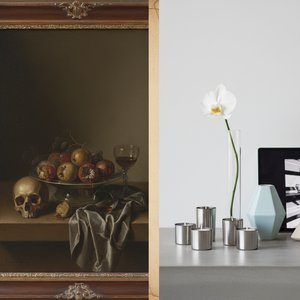
The Enduring Appeal of Still Life: A Historical & Contemporary Exploration
Explore the rich history & symbolism of still life painting with ArtsDot. Discover masterpieces from the Dutch Golden Age, learn about vanitas art, and find expert guidance for collecting timeless artworks.

古典的静物画から現代抽象まで:ヴィラでのエンターテイメント空間を格上げする美術複製の世界
ルネサンスから現代アートまで、高品質な美術複製をArtsDot.comで。静物画、ヴァニタス、抽象絵画など、ヴィラ空間を格上げする一点を見つけましょう。カスタムメイドやアートアドバイザーによる無料相談も。

Blush & Brilliance: 10 Iconic Paintings Dominated by Light Pink Tones |
Explore 10 iconic paintings bathed in captivating light pink tones! From Monet's Impressionism to Renoir’s romance, discover the stories behind these blush-hued masterpieces. Find museum-quality art reproductions & decor inspiration at .