


 プレビュー
プレビュー
 シェアする
シェアする シェアする
シェアする
 詳細を見る
詳細を見る ガイド
ガイド

 ダウンロード
 似ている作品
 X線調査
X線調査 スライドショー
 統計情報
統計情報The Nativity


 詳細を見る
詳細を見る
ジークレー/アートプリント
迅速な制作と多彩な仕上げオプションを備えた、ミュージアムクオリティのジークレーまたはキャンバスプリント。 ( 手描きの絵画を購入 デジタル画像販売へ切り替え)




































作品のオリジナル比率に合わせた、当店の規定サイズからお選びください。

特定のフレームやスペースに合わせて、ご自身でサイズを指定することも可能です。選択されたサイズが元の画像の比率と一致しない場合、作品をトリミングするか、鏡面反射または単色での塗りつぶしによって画像を拡張いたします。制作を開始する前に、ご確認用のデジタルモックアップをお送りいたします。
画面上のプレビューには、実際のトリミングや拡張は反映されませんのでご注意ください。最終的な構図を正確に確認できるのは、モックアップのみとなります。
カスタムサイズも承っておりますが、元の比率を維持するためには、あらかじめ用意されたリストからサイズを選択することをお勧めいたします。


 ガラスオプションは、110cm未満のサイズでのみご利用いただけます。

The Nativity
ジークレー/アートプリント
複製画のサイズ
-


合計金額
$ 62
The Composition
The composition of the painting is characterized by a sense of intimacy and tranquility, with the figures of Mary, Joseph, and the shepherds arranged in a harmonious balance. The use of gold leaf for the sky gives it a luminous quality, enhancing the divine atmosphere of the painting. The artist's skillful use of color and composition creates a sense of depth and narrative, inviting viewers to contemplate the religious significance of the scene depicted. Key Features of the painting include:- The use of tempera on panel, which was common during the medieval period
- The inclusion of multiple scenes within the same picture space, a characteristic of Byzantine art
- The presence of angels and shepherds, which adds to the sense of wonder and awe
The Nativity by Pietro Da Rimini is a significant work of art that offers insights into the artistic and cultural traditions of medieval Europe. As a masterpiece of medieval art, it continues to inspire and captivate audiences today. Visit https://ArtsDot.com to explore more artworks by Pietro Da Rimini and other renowned artists.
関連作品


アーティストの略歴
Pietro da Rimini: A Florentine Echo in Romagna
Pietro da Rimini (c. 1280 – c. 1350) stands as a pivotal figure in the burgeoning artistic landscape of early Fourteenth-Century Italy, specifically within the region of Romagna—a crossroads between Tuscan innovation and Byzantine tradition. While biographical details remain scarce, scholarly consensus points to Rimini as his birthplace, cementing his place amongst the artists shaping the visual culture of his time. His oeuvre is characterized by a remarkable synthesis of stylistic elements, reflecting both the grandeur of Constantinople and the burgeoning humanist spirit emerging from Florence.- Early Life & Training: Precise information regarding Pietro’s formative years is elusive. However, evidence suggests he honed his skills in Bologna during the reign of Guido Visconti, a period marked by considerable artistic activity. This Bolognese influence is palpable in his meticulous attention to detail and compositional balance—traits that would become hallmarks of his distinctive style.
- The Florentine Connection: Pietro’s artistic journey took him to Florence around 1305, where he collaborated closely with Giovanni da Rimini – a fellow artist whose workshop produced several celebrated diptychs depicting scenes from the Gospels. This partnership fostered an exchange of ideas and techniques, propelling Pietro's style toward greater expressive dynamism and incorporating elements characteristic of Florentine painting.
Notable Works & Artistic Style
Pietro’s artistic output is notable for its sensitivity to Byzantine iconography combined with a burgeoning Renaissance aesthetic. He achieved considerable renown for his depictions of religious subjects, particularly the Crucifixion and The Nativity—works that demonstrate an exceptional grasp of perspective and drapery rendering. His tempera paintings are distinguished by their luminous colors and subtle gradations, conveying profound emotional depth. Consider ‘The Crucified Christ,’ a masterpiece showcasing dramatic figures and masterful execution – it’s considered to be one of the most poignant representations of Christ's suffering in Romagna. Similarly, 'The Nativity,' imbued with Byzantine influences, captures the serene beauty of the Virgin Mary cradling Jesus—a testament to Pietro’s ability to synthesize disparate artistic traditions.- Technique: Pietro employed tempera paint on panel, a technique favored by artists across Europe during this period. This medium allowed for vibrant colors and meticulous detail, ensuring that his paintings retained their visual impact over centuries. His mastery of drapery folds—particularly evident in works like ‘The Deposition from the Cross’—demonstrates an unparalleled understanding of anatomical accuracy.
- Influence: Pietro's work undeniably impacted subsequent artists in Romagna and beyond. He served as a mentor to younger painters, disseminating his stylistic innovations and contributing to the artistic development of the region. His influence can be discerned in the works of Giovanni Battista Sant’Anna and other artists active during the mid-XIV century.
Historical Significance
Pietro da Rimini occupies a significant position within the broader narrative of Renaissance art. He represents an important bridge between Byzantine artistic conventions and the humanist ideals championed by Florentine painters like Giotto di Bondone and Masaccio. His paintings embody the spirit of his time—a period marked by fervent religious devotion alongside intellectual curiosity—and continue to inspire admiration for their beauty and emotional resonance. Studying Pietro’s oeuvre offers invaluable insight into the artistic currents shaping Italy during its formative centuries.- Legacy: Pietro da Rimini's legacy extends beyond his individual paintings; he embodies a broader artistic movement that sought to elevate visual art as a vehicle for spiritual contemplation. His enduring fame testifies to the power of art to transcend temporal boundaries and communicate universal themes—a testament to his contribution to the history of European painting.

pietro da rimini
1280 - 1350 , Italy
基本情報
- Artistic Movement Or Style: Early Renaissance
- Artists Who Influenced This Artist:
- Byzantine Art
- Giovanni da Rimini
- Date Of Birth: Rimini, Italy (1280)
- Date Of Death: 1350
- Full Name: Pietro da Rimini
- Nationality: Italian
- Notable Artworks:
- The Crucified Christ
- The Nativity
- Deposition from the Cross
- Place Of Birth: Rimini
関連記事
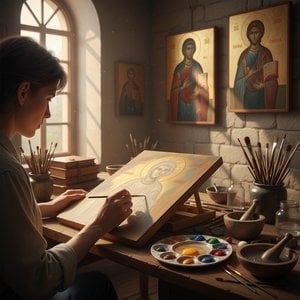
Illuminating Surfaces: A Comprehensive Exploration of Tempera on Panel Painting Techniques & Historical Significance
Explore the rich history & techniques of tempera painting! Discover Renaissance masters like Botticelli & Fra Angelico, conservation insights, and the enduring legacy of this captivating art form. Learn more now!

Illuminating History: A Comprehensive Exploration of Tempera Painting Techniques & Artistic Legacy
Explore the rich history & techniques of tempera painting! Discover Renaissance masters like Botticelli & Fra Angelico, conservation insights, and the enduring legacy of this captivating art form.

High Medieval Art: 10 Masterpieces That Shaped an Era | ArtsDot
Journey through High Medieval Art! Explore 10 iconic masterpieces – from Giotto's frescoes to stunning Gothic cathedrals. Discover the stories behind these timeless paintings, sculptures & illuminated manuscripts. Find museum-quality art reproductions at ArtsDot.com.

レオナルド・ダ・ヴィンチ:至高の25選 - 芸術、科学、そして不朽の名作の世界
レオナルド・ダ・ヴィンチの至宝25選。モナリザ、最後の晩餐…ルネサンス美術を代表する名画の世界へ。芸術史、技法、そして感動の物語を紐解き、お部屋に飾る高級複製画で特別な空間を。ArtsDot.comで全コレクションをご覧ください。

Leonardo da Vinci: A Renaissance Master’s Synthesis of Art, Science & Human Observation – Reinterpreted for the Collector
Explore Leonardo da Vinci’s timeless masterpieces with ArtsDot. Discover insights into his art, science, and legacy – trusted expertise for discerning collectors seeking authentic reproductions & investment opportunities.