

 設置イメージを表示
 シェアする
シェアする シェアする
シェアする
 詳細を見る
詳細を見る ガイドを表示

 ダウンロード
 似ている作品
 X線調査
X線調査 スライドショーを表示
 Q&A
Q&A 統計情報
統計情報The Drinker


 詳細を表示
詳細を表示
ジークレー/アートプリント
スピーディーな制作と多彩な仕上げオプションが魅力の、ミュージアムクオリティなジークレー・キャンバスプリント。 ( 手描き複製画を注文する デジタル画像販売へ切り替え)




P118B ¥10

P118H ¥10

P118W ¥10

P438Z ¥10

P508JH ¥12

P508YH ¥12

P805H ¥10

P805Z ¥10

P919BZ ¥10

P919G ¥10

P919XJ ¥10

P959ZH ¥10

P968JZ ¥12

W106C ¥8

W218G ¥10

W218JH ¥8

W218Y ¥10

W307PJ ¥10

W316G ¥10

W316PJ ¥8

W316Y ¥10

W398PJ ¥8

W4111J ¥10

W500HY ¥15

W500JH ¥15

W692G ¥12

W849H ¥8

W940BG ¥15

W953PJ ¥8




作品のオリジナル比率に合わせた、当店の規定サイズからお選びください。

額縁や壁のスペースに合わせて、ご希望の幅と高さを入力してください。プリントはカットすることは可能ですが、元の画像より大きくすることはできないため、異なる比率のサイズを選択された場合は、画像の一部が欠けることになります。印刷を開始する前に、内容を確認していただくためのデジタルモックアップをお送りいたします。このページに表示されている画像は、実際のカット後の状態を示すものではありません。実際の仕上がりはモックアップにてご確認ください。


 ガラスオプションは、110cm未満のサイズでのみご利用いただけます。

The Drinker
ジークレー/アートプリント
複製画サイズ一覧
-


合計金額
¥ 9954
A Moment Frozen in Delft Light
In the quiet corners of seventeenth-century Delft, where the soft glow of morning light often danced through open doorways, Pieter de Hooch captured a world of profound stillness. His masterpiece, "The Drinker," serves as a breathtaking window into the Dutch Golden Age, offering much more than a mere depiction of a domestic scene. It is an invitation to step into a sanctuary of peace, where the frantic pace of the outside world dissolves into the gentle rhythm of everyday life. As one gazes upon this canvas, there is an immediate sense of being present in that sun-drenched courtyard, feeling the warmth of the diffused daylight as it filters through the architecture to illuminate a scene of quiet, unhurried existence.
The composition is a masterclass in spatial storytelling and balanced restraint. De Hooch, a contemporary of the legendary Johannes Vermeer, utilizes perspective not merely as a technical tool, but as an emotional guide. The viewer’s eye is led through a carefully constructed depth of field, moving from the intimate foreground—where a man sits cradling a feline companion with tender care—toward the subtle movement of figures conversing near a doorway in the background. This layering of space creates a revolutionary sense of realism, making the courtyard feel like an extension of our own world. The presence of three cats, scattered throughout the scene, adds a layer of domestic charm and organic life, grounding the painting in the relatable, tactile reality of a middle-class home.
The Artistry of Light and Texture
Technically, "The Drinker" is a triumph of chiaroscuro and meticulous observation. De Hooch’s ability to render the interplay of light and shadow transforms a simple interior into a luminous experience. He employs thin, delicate layers of oil paint to achieve a translucent quality, allowing light to appear as if it is truly emanating from within the scene itself. One can almost feel the varied textures underfoot: the cool stone of the courtyard, the smooth wood of the chairs, and the soft, organic warmth of the cat’s fur. This dedication to material accuracy serves to heighten the painting's naturalism, making every element—from the humble dining table to the simple cup—feel significant and permanent.
For the discerning collector or interior designer, this artwork offers a unique emotional resonance that transcends time. It does not demand attention through grand, dramatic gestures; instead, it commands respect through its understated elegance and psychological nuance. The painting evokes a sense of domestic tranquility and refined sensibility, making it an ideal centerpiece for spaces designed to inspire contemplation and calm. Whether placed in a contemporary gallery or a classic study, a high-quality reproduction of "The Drinker" brings with it the timeless prestige of the Dutch masters, offering a sophisticated touch of history that celebrates the beauty found in life's most quiet, fleeting moments.
Q&A
ピーテル・デ・ホーホ作「The Drinker」は、Dutch Golden Ageにおいてどのような情緒を表現していますか?
「The Drinker」のDutch Golden Age様式には、Reflectiveな感情が添えられています。
「The Drinker」は、どのような色彩と感情を併せ持っているのでしょうか?
ピーテル・デ・ホーホ作「The Drinker」のEarthyなパレットは、そのReflectiveな情緒的トーンと見事に調和しています。色彩は、作品が感情を伝えるための重要な要素の一つです。
ピーテル・デ・ホーホ作「The Drinker」にはどのような技法が用いられていますか?
ピーテル・デ・ホーホは、「The Drinker」においてOilの技法を用いています。この技法が、原画の素材としての性質を決定づけています。
関連作品


作家プロフィール
生い立ちと修行時代
ピーテル・デ・ホーホは、1629年12月20日、オランダのロッテルダムに生を受けました。熟練した煉瓦職人であったヘンドリック・ヘンドリックスス・デ・ホーホと、助産師のアネット・ピータースの間に生まれた五人兄弟の長男として、その人生は始まりました。職人の手を持つ家族の中で育まれた環境は、彼に構造への深い理解と、ものづくりにおける細部への徹底したこだわりを、幼いながらに授けたのかもしれません。彼の幼少期の詳細な記録は謎に包まれている部分も多いものの、活気あふれる港町で労働者階級の家庭に根ざした生活が、後の彼の芸術性の礎を形作ったことは間違いありません。
彼の本格的な芸術的研鑽は、ハールレムの地で繰り広げられました。若き日の彼は、慣れ親しんだ家庭的な環境を離れ、絵画という技術の深淵を求めて歩みを進めます。そこで彼は、風景画家ニコラス・ベルヘムのもとで学び、その時期はヤコブ・オハテルヴェルトといった同時代の芸術家たちが修行に励んでいた時代とも重なります。ハールレムでのこの修行は、世界を精密に描き出すために不可欠な、規律ある観察眼を彼に植え付け、芸術家としての揺るぎない土台を築き上げました。
この形成期において、ピーテル・デ・ホーホはクラース・ベルヘムの門下生として研鑽を積みました。この修行を通じて、後に彼の代名詞となるような細部への鋭い眼差しと、空間の秩序を捉える感覚が養われていったのです。彼は、当時の芸術を特徴づけていた自然主義的な写実性に深く傾倒しながら、学びの初期段階を駆け抜けていきました。それは、日常の営みに流れる静かなリズムを観察し続ける、その後の輝かしいキャリアへの準備期間でもあったのです。
ロッテルダム、デルフト、そしてアムステルダムでの歩み
ピーテル・デ・ホーホの芸術家としての足跡は、オランダの主要な都市を巡り、その生い立ちから晩年に至るまで、ダイナミックな軌跡を描いてきました。彼のキャリアの幕開けは、故郷であるロッテルダムでの活動にありました。その後、1652年8月5日にデルフトでの活動が公式に記録されることとなります。デルフトに滞在していた頃、彼はオーデ・デルフト161番地に住んでおり、そこは当時、芸術文化が花開いていたコミュニティの中心地でした。1654年から1657年にかけて、彼はデルフトの聖ルカ組合の会員となり、この街における芸術家としての地位を確固たるものにしていきました。
キャリアが進むにつれ、彼の生活の舞台は再び変化を遂げます。1661年までに彼はアムステルダムへと移り住み、そこではそれまでとは異なる社会的、芸術的な環境へと足を踏み入れることとなりました。こうした都市間の移動は、オランダ黄金時代における商業と文化の中心地の変遷を色濃く反映しています。この時期の彼の作品は、家庭生活の静謐なひとときや、秩序ある幾何学的な室内空間を見事に捉えており、しばしばdoorkijkje(ドールキック)と呼ばれる「覗き窓」のような技法を用いることで、プライベートな室内と外の世界を鮮やかに繋ぎ合わせていたのです。
パトロン、工房、そして画業の歩み
ピーテル・デ・ホーホの芸術家としての軌跡は、当時の商人階級によるパトロン制度と密接に結びついていました。そこには、専門的な芸術活動と家庭的な奉仕との境界線がしばしば曖昧になるような、独特な関係性が存在していました。ロッテルダムにおいて、彼は単なる画家としてだけでなく、リネン商人であり美術収集家でもあったユストゥス・デ・ラ・グランジュの奉公人としても身を置いていました。こうした形態は、当時の多くの芸術家にとって、労働と忠誠を捧げる代わりに安定した生活の糧を得るための、切実かつ一般的な手段でもあったのです。1653年を迎える頃には、デ・ラ・グランジュへの奉仕は彼の職業人生を決定づける重要な要素となり、彼は商人に同行してヘイグ、ライデン、そしてデルフトへと旅をすることになります。
この奉仕の期間は、彼の移動の範囲や、描くべき主題の選択にも大きな影響を与えたと考えられています。おそらく、彼は食事や住居といった生活の保障を得る代償として、制作した作品の多くをデ・ラ・グランジュに譲渡していたのでしょう。このような契約関係ゆえに、彼の作品の多くは、広く一般の目に触れる前に、早い段階で個人のコレクションへと吸収されていきました。商人宅での生活は、彼に安定した創作環境をもたらした一方で、その創造的なアウトプットを、一人の有力な収集家の特定のニーズや好みに縛り付けることにもなったのです。
技法と芸術的スタイル
ピーテル・デ・ホーホは、部屋の中に流れる静謐な空気を、見事に秩序立てる類まれな才能を持っていました。彼の構図は、洗練された空間配置に裏打ちされており、しばしば自身の代名詞とも言えるdoorkijkje(ドールキック)と呼ばれる「覗き窓」のような技法が用いられています。開かれた扉越しに、隣の部屋や遠くの中庭を枠組みのように描き出すことで、彼は家庭的な室内空間に奥行きと連続性をもたらしました。この手法によって、家というプライベートな聖域は、その向こう側に広がる世界へと繋がり、日常の営みという建築的な構造の中を、鑑賞者の視線が層を成すパースペクティブに沿って導かれていくのです。
光の扱いにおいても、彼の描写は極めて精密でありながら、同時に情緒に満ち溢れていました。明暗法(キアロスクーロ)を緻密に操ることで、窓から差し込む陽光は、使い込まれた木の質感、滑らかな布地、そして冷ややかな床のタイルを鮮やかに浮き彫りにします。そこにある光は、単に物体を照らすだけではなく、その場の空気そのものを定義しているかのようです。彼は土の温もりを感じさせるアースカラーや、落ち着いたクリーム色、そして深い影を好んで用いて、主題に自然主義的なリアリティを吹き込みました。野菜を剥く女性や、子供の世話をする母親といった、ありふれた日常の情景は、家庭内の秩序と静かな洗練の中に尊さを見出した、台頭しつつあった中産階級の価値観を映し出していたのです。
卓越した技術的精度を持ちながらも、彼の描く人物たちには、飾らない、どこか親しみやすい魅力が宿っています。衣服の重厚な織り目から、磨き上げられたテーブルの表面に至るまで、周囲の環境が持つ触覚的なリアリティに焦点が当てられて描かれています。こうした細部への徹底したこだわりが、たとえそれが最も簡素な家事の儀式であっても、手触りのある、生きた現実として私たちの目の前に描き出しているのです。
主要な作品と不朽の名作
ピーテル・デ・ホーホが持つ、家庭内の空間を秩序立てて構成する卓越した能力は、おそらく『デルフトの家の中庭』において最も鮮明に示されています。この作品は、光の扱いと建築的な奥行きに対する彼の代名詞とも言えるアプローチを体現したものです。同様の趣を持つ1658年の作品『中庭にいる女と侍女』では、屋外から屋内へと移り変わる境界の静謐さを捉える彼の類まれな技量が発揮されています。これらの構図は、厳格な幾何学的秩序を用いることで、鑑賞者の視線を画面の奥へと自然に誘う役割を果たしています。
晩年に至るまで、彼は家庭的な親密さという主題を追求し続けました。1664年に描かれた『手紙を読む女』は、光の演出によって木材の質感や布地の柔らかな手触りを見事に描き出した傑作です。晩年の作品である1680年作『コンサート』においても、その緻密な描写力は衰えることがありませんでした。一方で、初期の作品群に目を向けると、より社交的で賑やかな場面を描いた『空のグラス』などが見られ、そこでは発展途上の遠近法が、活気ある酒場の情景へと応用されています。
また、アムステルダム国立美術館には、日常のありのままの、そして慈愛に満ちた一瞬を切り取った『子供のシラミを取る母親』が収蔵されています。こうした作品を通じて、彼は17世紀のありふれた日常の儀式を、深い静寂を湛えた芸術的な瞬間へと昇華させました。家庭という親密な領域の中に、完璧な秩序を見出すこと――それこそが、ピーテル・デ・ホーホの芸術の本質なのです。
芸術への遺産と影響
ピーテル・デ・ホーホは、芸術がかつてないほどの華々しい発展を遂げたオランダ黄金時代において、今なおその礎石として燦然と輝き続けています。彼が操る光と影の絶妙な相互作用は、バロック絵画がさらなる高みへと進化するための揺るぎない土台を築き上げました。光が扉の隙間から差し込み、あるいはタイル張りの床に静かに降り注ぐ様を捉えることで、彼は単なる写実的な描写を超越し、空間が持つ情緒的な質感までも描き出したのです。彼の構図は、特に室内空間へのアプローチにおいて、エマニュエル・デ・ウィッテの作品と主題や構造的な類似性を共有していることが多々あります。
彼の芸術的影響力は、より後世の芸術運動にまで深く及び、写実主義や印象派の双方に鮮烈な足跡を残しました。日常の何気ない営みの中に尊厳を見出す彼の卓越した感性は、後の芸術家たちが家庭的な情景を真剣な研究に値する主題として捉えるきっかけを与えたのです。彼は家庭内の静謐さを、秩序と安定に満ちた幾何学的な現実へと昇華させ、台頭しつつあった中産階級の精神性を描き出しました。木目の質感、布地の織り目、そして窓から漏れる柔らかな光といった、日常生活の細部に宿る手触りに焦点を当てた彼のスタイルは、次世代の画家たちが用いる視覚言語を形作る大きな力となったのです。

ピーテル・デ・ホーホ
1629 - 1684 , オランダ
プロフィール概要
- Artistic Movement Or Style: デルフト派、オランダ黄金時代
- Artists Or Movements Influenced By This Artist: ['ヨハネス・フェルメール']
- Artists Who Influenced This Artist: ['ニコラス・ベルヘム']
- Date Of Birth: 1629年
- Date Of Death: 1694年
- Full Name: ピーテル・ヘンドリックスス・デ・ホーホ
- Nationality: オランダ
- Notable Artworks:
- 空のグラス
- 手紙を読む女
- 陽光差し込む部屋でのカード遊び
- パンとバターを用意する女
- Place Of Birth: オランダ、ロッテルダム
関連記事
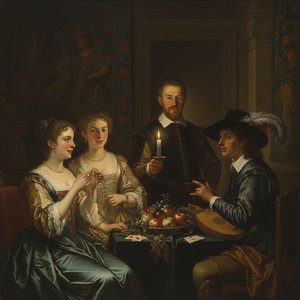
Gerard van Honthorst: Illuminating the Dutch Golden Age with Caravaggism & Courtly Grace
Explore the captivating world of Gerard van Honthorst, a Dutch Golden Age master renowned for his dramatic chiaroscuro & courtly portraits. Discover his life, art, and lasting influence on Baroque painting.
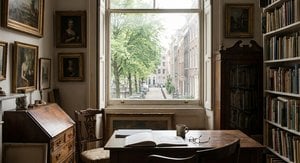
The Interior Gaze: Exploring Representations of Domestic Space in Art History
Explore the fascinating history of domestic interiors in art! From Dutch Masters to Impressionism, discover how artists captured home life & social meaning. Expert analysis and insights at ArtsDot.

Pieter de Hooch: Illuminating Dutch Domestic Life & Golden Age Charm
Explore the captivating world of Pieter de Hooch, a master of Dutch Golden Age painting. Discover his innovative use of light, intimate domestic scenes, and lasting influence on art history. Learn more at ArtsDot.

Dutch Baroque Masters: 10 Paintings That Shaped an Era | ArtsDot
Journey through the Golden Age with our guide to the Top 10 Dutch Baroque masterpieces! Explore iconic paintings by Rembrandt, Vermeer & Frans Hals. Find museum-quality art reproductions and elevate your home decor at ArtsDot.com.

Adriaen Brouwer: Capturing Dutch Life & Social Commentary Through Genre Painting
Explore the captivating world of Adriaen Brouwer, a master of Dutch Golden Age genre painting. Discover his vivid depictions of peasant life, social commentary, and lasting influence on art history. Learn more at ArtsDot.
