

 設置イメージを表示
 シェアする
シェアする シェアする
シェアする
 詳細を見る
詳細を見る ガイドを表示

 ダウンロード
 似ている作品
 X線調査
X線調査 スライドショーを表示
 Q&A
Q&A 統計情報
統計情報No. 17

- 170.0 x 170.0 cm


 詳細を表示
詳細を表示
このページに掲載されている作品は著作権法によって保護されており、当社の許可なく同一の複製物を制作または販売することは法律で禁じられています。この保護は、以下のような国際条約に基づき執行されます。 ベルヌ条約 および、以下の条項に定められたものを含む各国の法律により、 米国著作権法 第17編。
この手法は、著作権で保護された作品の複製や複写を伴わないため、著作権法に完全に準拠しています。これは単なる模倣ではなく、創造的な再解釈です。元の作品からインスピレーションを受けつつも、それとは異なる、全く新しい絵画を生み出すものです。
ジークレー/アートプリント
スピーディーな制作と多彩な仕上げオプションが魅力の、ミュージアムクオリティなジークレー・キャンバスプリント。 ( 手描き複製画を注文する デジタル画像販売へ切り替え)




































作品のオリジナル比率に合わせた、当店の規定サイズからお選びください。

額縁や壁のスペースに合わせて、ご希望の幅と高さを入力してください。プリントはカットすることは可能ですが、元の画像より大きくすることはできないため、異なる比率のサイズを選択された場合は、画像の一部が欠けることになります。印刷を開始する前に、内容を確認していただくためのデジタルモックアップをお送りいたします。このページに表示されている画像は、実際のカット後の状態を示すものではありません。実際の仕上がりはモックアップにてご確認ください。


 ガラスオプションは、110cm未満のサイズでのみご利用いただけます。

No. 17
ジークレー/アートプリント
複製画サイズ一覧
-


合計金額
¥ 9988
A Symphony of Color and Form
In the vast landscape of mid-century abstraction, few works capture the rhythmic pulse of light and shadow as intimately as Paul Allen Reed’s No. 17. Created in 1964, this masterpiece serves as a profound testament to the artist's mastery over the Washington Color School movement. At first glance, the viewer is met with a striking nocturnal atmosphere, where a deep, velvety black background provides a stage for a celestial dance of blue and yellow. The composition is not merely a collection of shapes but a carefully orchestrated visual melody, where scattered blue circles—some punctuated by delicate green accents—float like luminous orbs in an infinite void. This interplay between the dark expanse and the vibrant, saturated pigments creates a sense of depth that pulls the observer into a meditative state.
The technique employed in No. 17 reflects Reed’s pioneering spirit within the realm of color field painting. Eschewing traditional heavy textures, Reed utilized diluted acrylic paints applied directly to the canvas, a method that allowed for a luminous, almost translucent quality. This approach enables the colors to bleed and interact with a soft, ethereal edge, making the blue circles appear as though they are glowing from within rather than sitting atop the surface. The precision of the circular forms contrasted against the fluid, atmospheric application of color demonstrates a sophisticated control over both spontaneity and structure, a hallmark of his contribution to American abstraction.
Historical Resonance and Emotional Depth
To understand No. 17 is to understand the historical significance of the Washington Color School. As a contemporary of some of the most influential figures in post-war art, Reed sought to redefine how color could function as the primary subject of a painting, independent of representational form. In this work, there is no hidden narrative or literal subject; instead, the "subject" is the emotional resonance of the colors themselves. The tension between the cool, tranquil blues and the sharp, energetic yellows evokes a feeling of cosmic wonder, reminiscent of looking through a telescope into a distant nebula. It is an exploration of pure perception, inviting the viewer to experience the weight, temperature, and vibration of color.
For the discerning collector or interior designer, this painting offers more than just aesthetic beauty; it provides a focal point of profound intellectual and emotional gravity. The large-scale 170 x 170 cm format ensures that the work commands any space it inhabits, making it an ideal centerpiece for modern, minimalist, or contemporary luxury interiors. A high-quality reproduction of this piece allows one to bring the transformative power of Reed’s vision into a private sanctuary, offering a window into a world where color and light reign supreme. Whether placed in a quiet study or a grand gallery, No. 17 continues to inspire awe, serving as a timeless reminder of the beauty found in the balance of light and darkness.
Q&A
ご購入前に、ポール・アレン・リード作「No. 17」 をご自身の壁に飾った様子を確認することはできますか?
ポール・アレン・リード作「No. 17」のARで見るページでは、対応端末を使用して拡張現実(AR)により、作品をご自身の空間に表示してご確認いただけます。
ポール・アレン・リード作「No. 17」は、どのようにしてColor Field Paintingをアーティストの母国と結びつけているのでしょうか?
「No. 17」は、作者の出生地を通じて、Color Field Painting運動とアメリカ合衆国を結びつけています。
ポール・アレン・リード作「No. 17」には何が描かれていますか?
ポール・アレン・リード作「No. 17」に描かれているテーマには、abstract, color field, geometric, blue circles, washington school, minimalismなどがあります。これらが合わさることで、本作の主題を構成しています。


関連記事

Gene Davis: Chromatic Explorations of Color Field Painting & the Washington Color School
Explore the vibrant world of Gene Davis and the Washington Color School. Discover his iconic stripe paintings, innovative techniques, and lasting impact on American abstract art. A deep dive for collectors & enthusiasts.
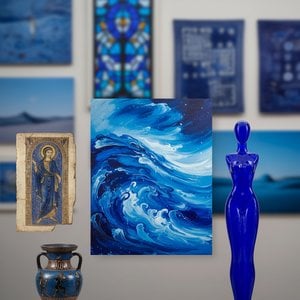
The Allure of Azure: Exploring the Symbolic & Aesthetic Depths of Blue in Art History
Explore the rich history of blue in art! Discover its symbolism, from ancient pigments to modern masterpieces by Kandinsky & Seurat. Uncover the psychological impact and cultural meanings behind this captivating hue.
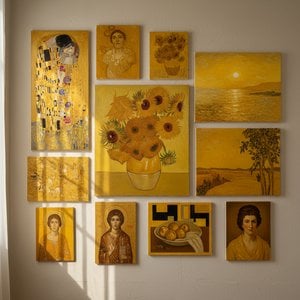
Golden Hues: Top 10 Paintings Dominated by Yellow Ochre |
Explore 10 iconic paintings bathed in golden yellow ochre! From Van Gogh's sunflowers to Monet’s haystacks, discover the stories behind these masterpieces. Find museum-quality art reproductions & elevate your home decor on .

Slate Blue Masterpieces: 10 Iconic Paintings & Timeless Home Decor Ideas
Immerse yourself in the captivating world of slate blue! Explore 10 iconic paintings by Monet, Van Gogh & Renoir. Discover their stories, techniques & find museum-quality art reproductions for your home at .
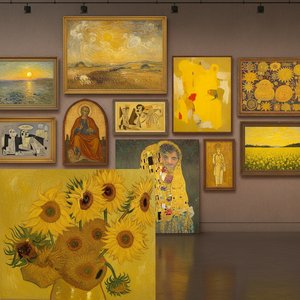
Golden Hues: 10 Masterpieces Dominated by Chrome Yellow | ArtsDot
Immerse yourself in golden light! Explore 10 famous paintings dominated by 'Chrome Yellow', from Van Gogh’s Sunflowers to Monet's Haystacks. Discover the stories behind these iconic Impressionist & Post-Impressionist masterpieces and find museum-quality art reproductions at ArtsDot.com.