

- 81.0 x 100.0 cm


選択した条件に基づいた画像: , .
作品解説
A surrealist encounter featuring a spotted cat with a bird in its mouth by Pablo Picasso from 1939 captures primal instinct through vibrant Cubist forms and invites you to explore this masterpiece of modern art.
 詳細を表示
詳細を表示
アーティストの略歴
パブロ・ピカソ(1881-1973)は、キュビスムの創始者の一人であり、多様なスタイルを極めたスペインの革命的な画家・彫刻家です。『グエルニカ』や『アビニョンの娘たち』などの象徴的な作品で知られ、その遺産は今なお世界中の人々にインスピレーションを与え続けています。
手描き油彩複製画
当社のアーティストが、ご希望のサイズと額縁に合わせてキャンバスに手描きで制作する、オーダーメイドの油彩画です。 ( プリント版に切り替え デジタル画像販売へ切り替え)
本作品の著作権について
このページに掲載されている作品は著作権法によって保護されており、当社の許可なく同一の複製物を制作または販売することは法律で禁じられています。この保護は、以下のような国際条約に基づき執行されます。 ベルヌ条約 および、以下の条項に定められたものを含む各国の法律により、 米国著作権法 第17編。
敬意を払った法的な代替手段として、私たちはオリジナルにインスピレーションを与えられた、カスタムの手描きアートワークを提供しています。私たちの熟練したプロのアーティストは、元の作品が持つスタイル、情緒、そして芸術的なエッセンスを注意深く研究し、独自の創作物でありながら、同じ感性を呼び起こすような、新しくユニークな作品を作り上げます。
この手法は、著作権で保護された作品の複製や複写を伴わないため、著作権法に完全に準拠しています。これは単なる模倣ではなく、創造的な再解釈です。元の作品からインスピレーションを受けつつも、それとは異なる、全く新しい絵画を生み出すものです。
この絵画の詳細を見る
 設置イメージを表示
 シェアする
シェアする シェアする
シェアする
 詳細を見る
詳細を見る ガイドを表示

 ダウンロード
 似ている作品
 X線調査
X線調査 スライドショーを表示
 Q&A
Q&A 統計情報
統計情報絵画のご注文は、わずか4つの簡単なステップで完了します
ゆっくりとお選びください。回答はいつでも変更可能です。選択内容に応じて、注文カート内の価格が随時更新されます。
1 全4ステップ中のステップ1
サイズをご選択ください。
これらのサイズは、原画の比率を維持しています。図は、高さ2メートルのソファの上の壁に、選択したサイズを配置した際のイメージです。
または、ご希望のサイズを指定する
作品のオリジナル比率に合わせた、当店の規定サイズからお選びください。

フレームや壁のスペースに合わせて、ご希望の幅と高さを入力してください。本作品は手描きのため、異なる比率のサイズをご希望の場合、絵画の周囲を少し広げて描くか、あるいは端を少しカットして調整することが可能です。お客様のご要望に合わせます。制作を開始する前に、仕上がりを確認するためのデジタルモックアップをお送りいたします。このページに表示されている画像は完成品の実物ではなく、あくまでモックアップによるイメージです。
2 4ステップ中の2番目
どのような状態での配送をご希望ですか:ロール状、キャンバス張り、または額装済み?
以下の価格は、ステップ1で選択されたサイズに基づいています。
キャンバスの側面仕上げを選択
フレームを選択

白の側面仕上げ ¥1

エッジぼかし仕上げ ¥1

回り込み仕上げ ¥1

P118B ¥10

P118H ¥10

P118W ¥10

P438Z ¥10

P508JH ¥12

P508YH ¥12

P805H ¥10

P805Z ¥10

P919BZ ¥10

P919G ¥10

P919XJ ¥10

P959ZH ¥10

P968JZ ¥12

W106C ¥8

W218G ¥10

W218JH ¥8

W218Y ¥10

W307PJ ¥10

W316G ¥10

W316PJ ¥8

W316Y ¥10

W398PJ ¥8

W4111J ¥10

W500HY ¥15

W500JH ¥15

W692G ¥12

W849H ¥8

W940BG ¥15

W953PJ ¥8

H24-GOLD ¥30

H24-SILVER ¥30

H36-GOLD ¥45

H36-SILVER ¥45
額装済み
額縁の形状: . 額縁を含む全体サイズ: .
3 4ステップ中の3ステップ目
絵画の内容に変更をご希望されますか?
ほとんどの方は「いいえ」と答えます。一枚一枚が手描きであるため、アーティストがお客様のご要望に合わせて調整することも可能です。
ご注文後、ArtsDot.com のチームより詳細な手順についてメールをお送りし、仕上がりイメージ(モックアップ)をご提示いたします。
4 4ステップ中、第4ステップ
仕上げのオプション(数種類)
すべて任意です。すでに選択されている回答に追加料金はかかりません。
作者は誰?
美術館にあるような、銘板(ネームプレート)を。
刻印入りブロンズプレートの詳細
This elegant plaque features the artist's name and the title of the artwork, finely engraved for a timeless presentation.
It is made from bronze with a refined, elegant finish. The text is precisely laser-engraved for a sharp and permanent result. Measuring 9x2 cm, the plaque is compact yet easy to read. It's built to be durable and scratch-resistant, offering a professional, museum-quality look. Mounting is simple thanks to the included adhesive backing.
透明アクリル銘板の詳細
The plaque includes essential engraved details such as the artist's name, the title of the artwork, the date it was created, the type of media used-like oil on canvas or watercolor-a brief description of the piece, and a QR code that links to the complete artwork information.
It is crafted from clear acrylic, offering a sleek, modern appearance. The text is UV-engraved in black to ensure strong visual contrast. With a size of 10x15 cm, it ensures optimal readability. It comes equipped with two metal hooks for secure wall mounting. The plaque is designed to be weather-resistant, making it suitable for various environments, and it includes interactive features that work seamlessly with smartphone scanning.
黒アクリル製銘板の詳細
This elegant plaque includes engraved information such as the artist's name, the title of the artwork, the date it was created, the type of media used (like oil on canvas or watercolor), a short description of the artwork, and a QR code for quick access to more information.
The plaque itself is made from refined black acrylic with a premium finish. The text is laser-engraved in white for high contrast and readability. Its size is 10x15 cm, designed to be easy to read. It comes with two metal hooks for professional mounting. The design is sleek and fits any interior style. It is also weather-resistant and durable, with built-in digital integration for mobile compatibility.
保護用ニスをご希望ですか?
お届け希望日をお選びください
✓ 内容を確認して注文する
ご注文通りの絵画内容

Cat catching a bird
再現技法
複製画サイズ一覧
-

至高の熟練アーティスト
より細部までこだわった表現、洗練された技術、そして十分な制作時間
-

複製画用フレーム
-
-
いずれかの辺が105 cm(約41インチ)を超えるアートワークまたは複製画の場合、フレームは分解されたキットの状態でお届けいたします。この方法は、輸送中の破損を防ぎ、安全に配送するために採用しております。
組み立てには専門知識が必要です(DIY用製品ではありません)。
本キットは、経験豊富なプロの額装師が、木工用ボンド(別売)、キャンバス用プライヤー、およびボンドの乾燥時に桟を直角に保持するためのクランプを使用して、組み立ておよびキャンバスの張り作業を行う必要があります。不適切な組み立てやキャンバスの張りの不均一は、作品に永久的な損傷を与える恐れがあり、弊社の保証対象外となります。
 いずれかの辺が105 cm(約41インチ)を超えるアートワークまたは複製画の場合、フレームは分解されたキットの状態でお届けいたします。この方法は、輸送中の破損を防ぎ、安全に配送するために採用しております。
すべての無垢材のパーツが含まれており、組み立てに最適なサイズに正確にカットされています。
付属のネジを使用し、角の接合部には別途木工用ボンドをご用意ください(ボンドは付属しておりません)。ボンドは額装業者様にてご手配をお願いいたします。
プロ仕様の道具が必要ですが、キットには含まれていません:キャンバス用ストレッチングプライヤー(テンショナー)、および接着剤が乾燥するまで木枠を直角に固定するためのクランプ。
重要:
コーナーの接合部には木工用ボンドが必要です。また、ボンドが完全に乾くまでクランプでバーを固定しておく必要があり、組み立てたフレームにキャンバスを張るにはキャンバス用ストレッチングプライヤーが必要となります。これらの道具はキットに含まれておりません。このサイズをご注文される前に、経験豊富なプロの額装師(フライマー)の手配をお願いいたします。

キャプション
-
-

保護用ワニス
光沢ワニス(色彩を鮮やかに引き立て、光や湿気から保護します)
-

作品をカスタマイズ
カスタマイズの例:顔をお客様の写真に差し替える、ペットを追加する(例:猫を犬に変更)、背景に隠しメッセージを入れる、背景の風景や要素を変更する。
-

お急ぎ便
世界中への配送()は、通常の5週間ではなく、3〜4週間でお届けいたします。(4 11月)。品質には一切の妥協を許しません。
-
お急ぎ便
世界中への配送()は、5週間ほどでお届けします。(11 11月)。
込み
合計金額
¥ 41592
ガラスオプションは、110cm未満のサイズでのみご利用いただけます。
すべての注文に同梱
- 世界中へ無料エクスプレス配送
- 高品質なリネンキャンバス
- 配送時完全保険付
- 関税・輸入税の払い戻し保証
- 真の色彩再現に関する保証
- 100日間返品保証(製造上の欠陥がある場合のみ)
- 100% 全額返金保証
- まとめ買い割引のご案内


A Surreal Encounter: The Primal Tension of Picasso’s Vision
In the hauntingly beautiful 1939 masterpiece, Cat Catching a Bird, Pablo Picasso invites us into a dreamlike realm where the boundaries between reality and the subconscious dissolve. This is not merely a depiction of animals in conflict; it is an embodiment of the surrealist movement’s fascination with instinctual impulse and the unsettling nature of the unknown. As we gaze upon the canvas, we are drawn into a moment frozen in time, where the logic of the natural world yields to a more profound, psychological drama. The painting presents a captivating paradox: a scene that is simultaneously still and vibrating with an underlying, frantic energy.
The subject matter itself is a striking study in contrast. A feline predator, rendered with the mottled, intricate patterns reminiscent of a tiger or leopard, holds its prey within its jaws. Yet, the drama is not found in a simple kill, but in the surreal interaction between the two creatures. A bird is perched precariously upon the cat's very face, using its long beak to peck at the predator's nose. This bizarre juxtaposition creates a sense of tension and anticipation, forcing the viewer to contemplate the thin line between dominance and vulnerability.
Technique, Symbolism, and the Language of Color
Picasso’s technical mastery is on full display through his use of Surrealist and Cubist principles. He employs a fragmented approach to form, presenting multiple perspectives simultaneously to convey emotional complexity rather than mere anatomical accuracy. The artist utilizes bold outlines and vibrant, contrasting hues to heighten the visual impact, ensuring that the eye is immediately captured by the central struggle. A dominant blue background serves as a grounding element, providing a deep, luminous stage that emphasizes the intense colors of the animal figures.
Beyond its aesthetic brilliance, the work is laden with symbolic weight. The cat, representing power and untamed instinct, stands in direct opposition to the bird, which symbolizes fragility and the desperate struggle for survival. Created during the turbulent atmosphere of 1939, as the shadows of World War II began to loom over Europe, the painting echoes the pervasive sense of uncertainty and anxiety felt across the continent. The struggle depicted is a mirror to the human condition—a reflection of our own fears, our capacity for aggression, and the elusive pursuit of equilibrium in an unpredictable world.
For the discerning collector or interior designer, Cat Catching a Bird offers more than just visual splendor; it provides a profound intellectual and emotional anchor for any space. A high-quality reproduction of this work brings with it the transformative power of Picasso’s imagination, serving as a conversation piece that invites endless contemplation and admiration.
Q&A
パブロ・ピカソ作「Cat catching a bird」には何が描かれ、どのような情緒が漂っていますか?
「Cat catching a bird」にはpredator-prey, animal interaction, surrealism, tiger cat, bird hunting, blue background, fantasy artが描かれており、その情緒はDramaticと表現されています。
パブロ・ピカソ作「Cat catching a bird」のプリントサイズと向きは、どのような設定がおすすめですか?
「Cat catching a bird」の推奨プリント設定は、サイズMedium、向きLandscapeです。
美術史におけるパブロ・ピカソ作「Cat catching a bird」の立ち位置とはどのようなものでしょうか。
パブロ・ピカソ作「Cat catching a bird」は、Modern期におけるSurrealist Movementの動向に属しています。これらが相まって、本作に美術史における確固たる地位を与えています。
関連作品


パブロ・ピカソ
1881 - 1973, スペイン
作家プロフィール
パブロ・ピカソが遺した不朽のレガシー
芸術革命の代名詞とも言えるその名は、パブロ・ルイス・イ・ピカソ。1881年10月25日、スペインのマラガに彼は生まれました。彼の存在そのものが、創造的な表現のために運命づけられていたかのようです。伝説によれば、彼が最初に発した言葉は「鉛筆」を意味する「piz, piz」であったといいます。この幼少期からの芸術への傾倒は、画家であり美術教師でもあった父、ホセ・ルイス・ブルスコによって育まれ、基礎的な訓練を受けました。しかし、弟子は瞬く間に師を凌駕し、その内なる類まれな才能を予感させるほど、自然主義的な描写において驚異的な適性を見せました。その後、家族がア・コルクーニャ、そしてバルセロナへと移り住む中で、ピカソの姉の死という個人的な悲劇に見舞われます。こうした経験は、後の彼の作品に、憂鬱や死への意識といったテーマを繊細に吹き込むこととなりました。バルセロナ美術学校での正規の学業や、マドリードのサン・フェルノランド王立芸術アカデミーでの短い滞在期間中であっても、ピカソは硬直したアカデミズムの制約に抗い、むしろヴェラスケスやゴヤといった巨匠たちの作品に没頭することを好みました。こうして彼は、芸術的革新へと向かう独自の道を切り拓いていったのです。
憂鬱な「青」から、薔薇色の色彩へ
20世紀の幕開けとともに、ピカソの作品群には二つの際立った時期が現れます。それは「青の時代」(おおよそ1901年〜1904年)と「薔薇の時代」(1904年〜1906年)です。個人的な苦難と社会的な苦痛への鋭い認識から生まれた「青の時代」は、沈んだ青や青緑色の色調に浸された作品群が特徴です。そこには、物乞い、盲人、売春婦といった社会の片隅で生きる人々が描かれ、孤独と絶望というテーマを語りかけるような、忘れがたい共感をもって表現されています。生命(1903年)や古いギター弾き(1903年〜1904年)は、この感情に満ちた時期を象徴する痛切な例です。その後、パリへの移住と私生活の変化が、「薔薇の時代」の到来を告げました。パレットは劇的に暖かみを増し、ピンク、オレンジ、赤といった色彩が画面を彩るようになり、より楽観的な展望を反映したものとなりました。この時期、彼はサーカス団員たち――道化師やアクロバット、家族連れの芸人たち――に魅了されました。彼らは脆さと強靭さの両方を体現する存在でした。塩imbancosの一族(1905年)は、この変遷期を美しく凝縮しており、その後に待ち受ける様式的な探求への予兆を感じさせます。
視点の破壊:キュビスムとその先へ
1907年、美術史における決定的な瞬間が訪れます。アヴィニョンの娘たちの制作です。イベリア彫刻やアフリカのマスクの影響を受けたこの画期的な作品は、伝統的な遠近法や表現の概念を根底から打ち砕きました。それは、数世紀にわたる芸術的慣習に対する大胆な拒絶であり、キュビスムへの道を切り拓くものでした。ジョルジュ・ブラックとの緊密な協力関係の中で、ピカソはこの革命的な運動を共同で創設し、芸術家が現実をどのように認識し、描写するかというあり方を根本的に変えてしまいました。「分析的キュビスム」(1909年〜1912年)では、物体を幾何学的な形状へと断片化し、あたかも形態そのものを解剖するかのように、抑えられた色彩で描き出しました。これは後に「総合的キュビスム」(1912年〜1919年)へと進化し、新聞の切り抜きや布の端切れといったコラージュの要素を取り入れることで、質感と視覚的な複雑さの新たな層を加えました。ピカソは単に世界を再現することに満足せず、自らの定義によって世界を解体し、再構築しようとしたのです。
飽くなき実験者:新古典主義、シュルレアリスム、そして戦争
1920年代、ピカソは一時的に新古典主義的なスタイルを模索し、古典的な形態を反映させつつも、紛れもない現代的な感性を保持した記念碑的な人物像を描き出しました。同時に、彼は勃興しつつあったシュルレアリスム運動とも関わりを持ちましたが、その原理に完全に身を投じることはありませんでした。この時期の彼の作品は、初期の様式的影響とシュルレリスム的なイメージ、そして歪んだ遠近法を融合させ、彼の絶え間ない実験精神を示しています。スペイン内戦の恐怖はピカソに深い衝撃を与え、その集大成として誕生したのがゲルニカ(1937年)です。これはゲルニカ爆撃に対する、内臓を抉るような感情的な反応でした。この記念碑的な作品は、戦争の残虐性を象徴する不朽のシンボルとなり、ピカソが単なる芸術家としてだけでなく、平和と社会正義のための力強い代弁者としての地位を確立する一助となりました。1950年代から60年代にかけても、彼は揺るぎない好奇心と技術をもって、陶芸、彫刻、版画といった領域へと境界を押し広げ続けました。1961年のジャクリーヌ・ロクとの結婚は、彼の私生活と芸術的表現に新たな次元をもたらしました。
計り知れない影響力
1973年4月8日、フランスのムジャンの地でパブロ・ピカソは没しました。しかし、彼が遺した驚異的な作品群――推定5万点を超えるといわれるその膨大な遺産――は、今なお人々を魅了し、インスピレーションを与え続けています。彼の芸術的発展は、ヴェラスケスやゴヤといったスペインの巨匠から、イベリア彫刻、アフリカ美術、そしてアンリ・マティスの鮮やかな色彩感覚に至るまで、多種多様な影響によって形作られました。20世紀美術における彼の衝撃は、計り知れないものです。 彼はキュビスムを創始し、コラージュや構成彫刻の先駆者となり、常に芸術的慣習に挑戦し続けました。ピカソの飽くなき実験は近代美術を再定義し、後世の世代に消えることのない足跡を残し、歴史上最も重要かつ影響力のある人物の一人としての地位を不動のものにしました。彼のレガシーはキャンバスを超えて広がり、現代文化の数え切れない側面の中に響き渡り、芸術的ビジョンが持つ変革の力を私たちに思い起こさせてくれるのです。


関連記事

至高の芸術:シュルレアリスムを象徴する10選 – 夢と現実の境界線を超える
夢と現実が交差する、シュルレアリスムの10大傑作の世界へ。ダリ、マグリットなど巨匠たちの作品を深く探求し、アートの新たな次元を発見してください。ArtsDot.comで、至高の芸術をあなたの空間に取り入れましょう。
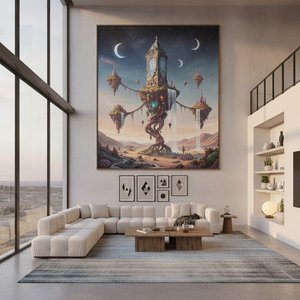
Dreamscapes Unveiled: A Curated Guide to Integrating Surrealist Landscape Art into Modern Interiors
Discover how to transform your home with the captivating mystery of Surrealist landscape art. Our expert guide explores iconic dreamscapes, offering professional tips on curating, styling, and commissioning bespoke surrealist masterpieces for a sophisticated, soulful interior.

Feathered Visions: A Historical & Artistic Exploration of Birds in Painting
Explore the rich history of birds in painting! Discover symbolism, artistic movements & master artists like Audubon. High-quality reproductions available at ArtsDot.